
Selecting your very first instrument is a pivotal moment in your musical development. For aspiring bassists in the Philippines, finding an instrument that balances price, playability, and tone can be challenging. The Squier bass guitar lineup stands out as the most reliable starting point. As Fender’s official subsidiary, Squier produces instruments using Fender’s historic blueprints, offering authentic body shapes, comfortable neck profiles, and classic tones at a fraction of the cost of premium models.
The best Squier bass guitar for a beginner depends largely on your budget, physical comfort, and musical goals. For the vast majority of new players, the Squier Affinity Series Precision Bass PJ or Jazz Bass represents the ideal sweet spot. It offers robust hardware, upgraded electronics, and a comfortable neck that facilitates rapid skill development. If you are working with a tighter budget, the lightweight Squier Sonic Series provides a highly accessible entry point. For those who are fully committed to the instrument and want a professional-grade bass that can transition seamlessly from bedroom practice to live performances, the Squier Classic Vibe Series is an outstanding long-term investment.
Why Squier Is a Smart Choice for New Bassists
For decades, Squier has served as the gateway to the Fender family of instruments. Choosing a Squier bass guitar ensures that you are learning on an instrument built with correct geometric proportions, fret spacing, and pickup placements. This structural consistency is vital for beginners, as it helps build accurate muscle memory. When you practice on a standard-scale Squier, your hands adapt to the physical dimensions shared by professional instruments worldwide, making any future transition to high-end Fender models completely natural.
Products mentioned in this guide
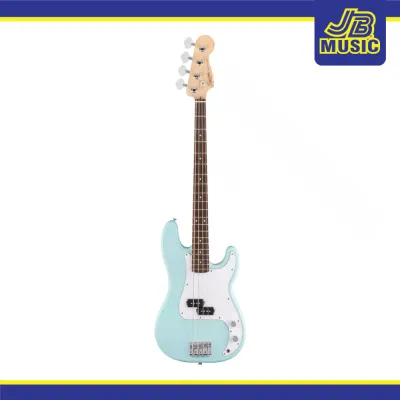
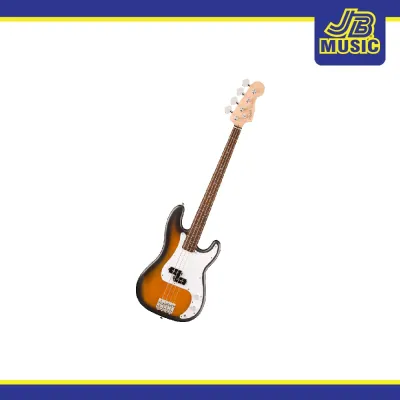
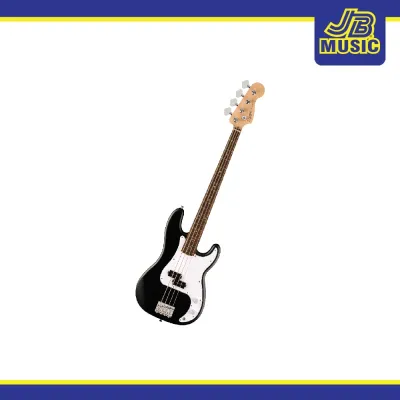
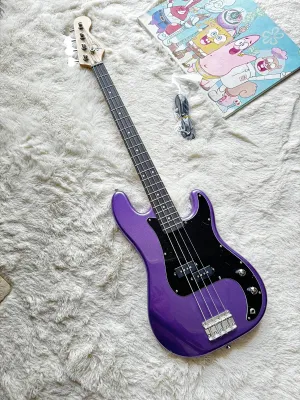
Prices are valid at publication and may change. Please refer to the product page for the latest price.
Another significant advantage of choosing Squier is the consistency of build quality and the extensive ecosystem of support. Because these instruments are incredibly popular, finding replacement parts, compatible gig bags, and online setup tutorials is effortless. If your bass requires adjustment due to seasonal weather shifts, any qualified guitar technician in the Philippines will be intimately familiar with Squier truss rods, bridges, and electronics. Additionally, Squier instruments maintain relatively stable resale value in the local second-hand market compared to generic, no-brand entry-level packages, providing a safety net if you ever choose to upgrade or change instruments.
Before purchasing, always verify that you are buying from an authorized local distributor or a reputable music store. This ensures that you receive an authentic instrument complete with its original factory accessories, such as the necessary Allen wrenches for truss rod and bridge saddle adjustments. Never infer the exact specifications or wood materials of a specific bass model solely from promotional photos or box art; always check the official manufacturer specification sheets to confirm the exact model details.
Core Features to Check for Playability and Comfort
When shopping for a beginner bass guitar, physical comfort should be your highest priority. An uncomfortable instrument creates physical fatigue, which can quickly discourage a new player from practicing. To find a bass that suits your body and playing style, pay close attention to several key physical characteristics.

Scale Length The scale length of a bass is the distance between the nut and the bridge saddles. Standard electric basses feature a 34-inch scale length. This standard size provides optimal string tension, a clear and punchy low-end response, and standard fret spacing. However, for younger players, individuals with smaller hands, or those transitioning from acoustic guitar, a 30-inch short-scale bass is highly worth considering. Short-scale instruments have frets that are closer together, requiring less finger stretching, and they feature lower string tension, which is gentler on uncalloused fingertips.
Neck Profile and Nut Width The neck profile refers to the cross-sectional shape of the neck. Most modern Squier basses utilize a slim “C”-shaped neck profile, which fits comfortably in the palm of most players. However, the nut width—the width of the neck where the fretboard meets the headstock—varies significantly between models. A Precision Bass typically features a wider nut width (around 41.3 mm), offering a substantial, chunky feel that some players find grounding. A Jazz Bass features a narrower nut width (around 38.1 mm), resulting in a slimmer, tapered neck that allows for faster hand movement and easier reach across the lower frets.
Weight and Balance Bass guitars are physically larger and heavier than standard electric guitars, often weighing between 3.6 to 4.5 kilograms. When testing a bass, sit down and place it on your lap, then stand up using a high-quality strap. Observe how the instrument balances. A well-balanced bass will rest comfortably at a natural playing angle. Beware of “neck dive,” a condition where the headstock pulls downward when you let go of the neck, forcing your fretting hand to constantly support the weight of the instrument. Lightweight body woods, such as poplar, can help reduce overall shoulder fatigue during long practice sessions.
Hardware and Tuning Stability Stable tuning is critical for developing a good musical ear. Inspect the tuning machines on the headstock; they should turn smoothly without slipping, grinding, or feeling loose. The bridge, located on the body, must be robust enough to hold the high tension of bass strings without shifting. High-quality die-cast or vintage-style brass saddles help maintain accurate intonation—ensuring that notes remain perfectly in tune as you play higher up the neck.
Comparing the Main Squier Beginner Series
Squier organizes its catalog into distinct product lines, each tailored to different budgets and performance requirements. Understanding the differences between these series will help you choose an instrument that aligns with your financial plan and musical aspirations.
Squier Sonic Series: The Budget-Friendly Starting Point
The Squier Sonic Series represents the most affordable tier in the brand’s lineup, replacing the older Bullet series. It is designed specifically for budget-conscious beginners who want a genuine, playable instrument without a heavy financial commitment. These basses typically retail in the lower price band (generally under ₱15,000) and are constructed with thin, lightweight poplar bodies, making them exceptionally comfortable for younger players or those who practice standing up for extended periods.
Despite their entry-level pricing, Sonic basses feature slim “C”-shaped maple necks and dependable ceramic single-coil or split-coil pickups. The hardware is basic but functional, utilizing standard open-gear tuning machines and a classic four-saddle bridge. While the Sonic series provides an excellent, functional platform for learning, it does have a few limitations. The hardware and electronics are simpler, meaning you may need to tune the instrument more frequently, and the overall tonal depth is somewhat limited compared to higher-tier models. However, as a reliable tool to test your interest in the bass guitar, the Sonic series is highly capable.
Squier Affinity Series: The Balanced Step Up
The Squier Affinity Series is widely regarded as the “sweet spot” for serious beginners. Positioned in the mid-range price band (typically between ₱15,000 and ₱25,000), these instruments offer substantial upgrades in materials, hardware, and playability. Affinity models feature standard-thickness bodies made of poplar, providing a more traditional weight and resonant feel.
One of the most significant upgrades in the Affinity series is the inclusion of die-cast, sealed-gear tuning machines, which offer vastly superior tuning stability and smoother adjustment compared to the Sonic series. The necks often feature a smooth satin finish that prevents your hand from sticking during warm, humid practice sessions. Additionally, the Affinity series offers highly versatile pickup configurations, such as the Precision Bass PJ, which combines the punch of a Precision pickup with the bite of a Jazz pickup. For beginners who want an instrument that can easily handle band rehearsals, school performances, and home recording without requiring immediate hardware upgrades, the Affinity series is the most practical choice.
Squier Classic Vibe Series: The Long-Term Investment
For beginners with a flexible budget who want an instrument of professional caliber from day one, the Squier Classic Vibe Series is the premier choice. Positioned in the upper price band (generally over ₱25,000), the Classic Vibe series pays homage to Fender’s iconic designs from the 1950s, 60s, and 70s. These instruments are constructed with premium tonewoods, such as nato or pine, and feature high-gloss tinted necks that offer a vintage aesthetic.
What truly sets the Classic Vibe series apart is its hardware and electronics. These basses are equipped with Fender-designed Alnico pickups, which deliver a warm, clear, and highly articulate tone that rivals instruments twice their price. The vintage-style tuning machines and threaded-saddle bridges offer exceptional tuning stability and precise intonation. While a Classic Vibe bass requires a larger upfront investment, its outstanding build consistency and professional sound quality mean you will not outgrow the instrument as your skills progress. It is a highly reliable tool that can easily transition from beginner practice to professional studio recording and live gigs.
P-Bass vs. J-Bass vs. PJ: Matching Pickups to Your Sound
Beyond the specific series, you must choose a pickup configuration. The pickups are the magnets embedded in the body of the bass that capture string vibrations and send them to your amplifier. Squier offers three primary configurations, each producing a distinct sonic character suited for different musical genres.
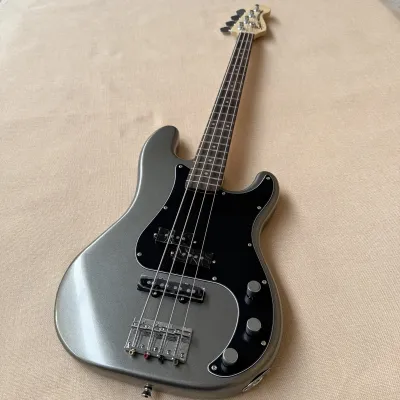
Precision Bass (P-Bass) The Precision Bass features a single, split-coil pickup located in the middle of the body. This design naturally cancels hum and produces a warm, thick, and punchy tone with a powerful midrange focus. The P-Bass sound is the most recorded bass tone in history, serving as the sonic foundation for rock, punk, metal, classic soul, and Motown. If you prefer a straightforward, “plug-and-play” approach with a deep, authoritative thump that sits perfectly in a band mix, the P-Bass is an excellent choice.
Jazz Bass (J-Bass) The Jazz Bass utilizes two slim, single-coil pickups—one near the neck and one near the bridge. This dual-pickup configuration allows you to blend the signals using individual volume controls, offering a wide array of tonal options. The J-Bass produces a brighter, more articulate sound with a pronounced midrange “growl” and crisp highs. It is highly favored by players of funk, jazz, fusion, R&B, and those who want to learn the slap-bass technique. The narrow neck of the J-Bass also makes it highly appealing to beginners who prefer a slimmer grip.
PJ Configuration The PJ configuration is a hybrid design that combines a Precision split-coil pickup in the neck position with a Jazz single-coil pickup in the bridge position. This layout gives you the best of both worlds: you can dial in the heavy, warm thump of a P-Bass, the bright, cutting tone of a J-Bass, or blend them together for a versatile modern sound. For beginners who want to explore a wide variety of musical styles and are unsure which specific tone they prefer, the PJ configuration offers the highest level of tonal flexibility.
To help guide your choice, listen closely to the basslines in your favorite songs. If you love the driving, solid basslines of classic rock bands, a P-Bass configuration will likely satisfy your ears. If you prefer active, melodic, or percussive slap-bass lines, a J-Bass or PJ configuration will provide the necessary brightness and articulation.
Essential Gear and Humidity Protection for Philippine Players
Acquiring your Squier bass is only the first step; you must also budget for essential accessories and implement proper maintenance practices, especially when living in the tropical climate of the Philippines.
Amplification It is crucial to understand that you cannot play an electric bass through a standard electric guitar amplifier. Guitar amplifiers are designed to handle mid-to-high frequencies; the deep, high-energy low frequencies of a bass guitar can easily overextend and permanently damage a guitar amp’s speaker cone. Always use a dedicated bass amplifier. For home practice, a small, solid-state bass combo amplifier rated between 15 to 40 watts is ideal. When selecting an amplifier, verify the manufacturer’s specifications—such as speaker size (an 8-inch or 10-inch speaker is standard for practice) and auxiliary input options for silent practice with headphones.
Essential Accessories To protect your investment and facilitate comfortable practice, ensure you have the following gear:
- A Sturdy Gig Bag or Hard Case: Essential for protecting the instrument from physical impact and environmental dust.
- A Reliable Tuner: A clip-on headstock tuner or a pedal tuner is indispensable for keeping your instrument in perfect pitch.
- A Wide, Comfortable Strap: Because basses are heavy, a wide, padded strap helps distribute the weight evenly across your shoulder, preventing chronic neck and back strain.
- High-Quality Instrument Cables: Ensure your cables have robust shielding to prevent unwanted buzzing or radio interference.
Climate Care and Humidity Protection The high relative humidity in the Philippines presents a unique challenge for wooden musical instruments. Wood is a natural, porous material that absorbs moisture from the air, causing it to swell. Excessive humidity can cause the bass neck to bow or warp, raising the “action” (the height of the strings above the fretboard) and making the instrument incredibly difficult to play. Conversely, rapid shifts in humidity—such as moving the bass from a hot, humid room into a cold, air-conditioned space—can cause the wood to expand and contract too quickly, leading to structural stress.
To protect your Squier bass, store it inside its gig bag or hard case when not in use, rather than leaving it exposed on a wall hanger or stand. Place several high-quality silica gel packets or a dedicated instrument dehumidifier pack inside the case to absorb excess moisture. If you practice in an air-conditioned room, try to keep the temperature and humidity levels as stable as possible.
Hardware Maintenance The combination of tropical humidity and acidic sweat from your hands can quickly corrode the metal components of your bass. After every single practice session, make it a strict habit to wipe down the strings, frets, bridge, and tuning machines with a clean, dry microfiber cloth. This simple, two-minute routine removes sweat and skin oils, preventing premature rust, preserving the bright tone of your strings, and extending the lifespan of your hardware. If you notice the neck action changing or the strings beginning to buzz, do not attempt drastic truss rod adjustments yourself without consulting the manufacturer’s instruction manual or taking the instrument to a professional guitar technician.
Frequently Asked Questions (FAQ)
Is a short-scale bass better for beginners with smaller hands?
Yes, a short-scale bass (which features a 30-inch scale length compared to the standard 34-inch scale) is highly beneficial for beginners with smaller hands, younger players, or those transitioning from acoustic guitar. The shorter neck reduces the physical distance between frets, requiring less hand stretching to play notes accurately. Additionally, because the strings are shorter, they require less tension to tune to pitch, making them softer and easier to press down. The primary trade-off is a slightly rounder, warmer tone with slightly less punch and low-end definition than a standard scale, but this difference is negligible for home practice and learning.
Do I need a specific amplifier for a bass guitar?
Yes, you must use an amplifier specifically designed for bass guitars. Standard electric guitar amplifiers are built to reproduce higher frequencies and have speaker cones with limited physical movement (excursion). The deep, high-energy low frequencies of a bass guitar require much more power and physical speaker movement to reproduce. Attempting to play a bass through a guitar amplifier at moderate to high volumes can easily tear or blow out the speaker cone, rendering the amplifier useless. A small, dedicated solid-state bass combo amplifier (between 15 to 40 watts) is the safest and most effective choice for home practice, providing the correct frequency response and protecting your equipment from damage.
Community discussion
Share your experience or ask a question. Comments are reviewed before publication.