
Navigating social spaces, building professional networks, and maintaining harmonious relationships in the Philippines requires a nuanced understanding of both global psychological principles and local cultural values. While international self-help literature offers highly researched frameworks for human behavior, applying these concepts directly without adaptation can lead to social friction. To build genuine connections, readers must learn how to bridge the gap between Western assertiveness and local interpersonal norms.
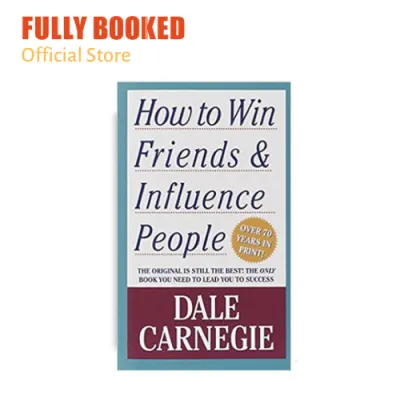
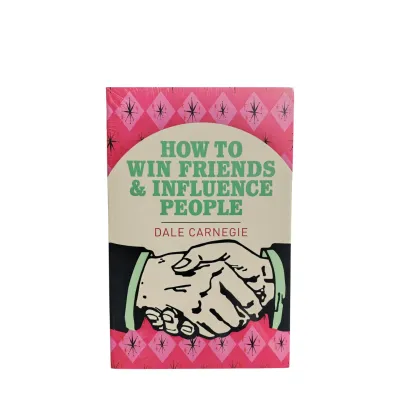
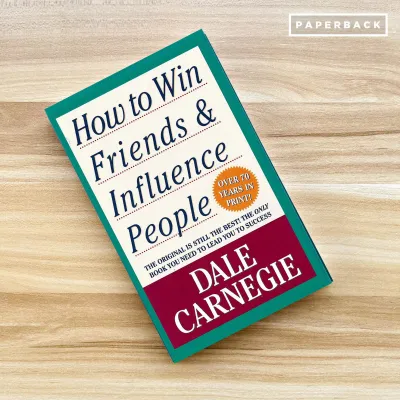
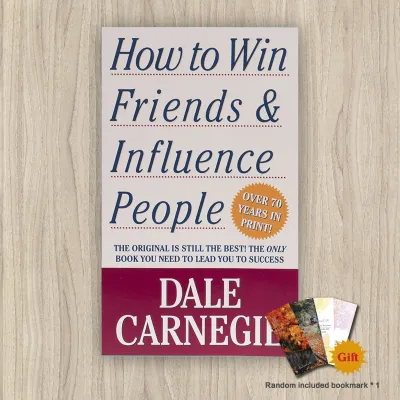
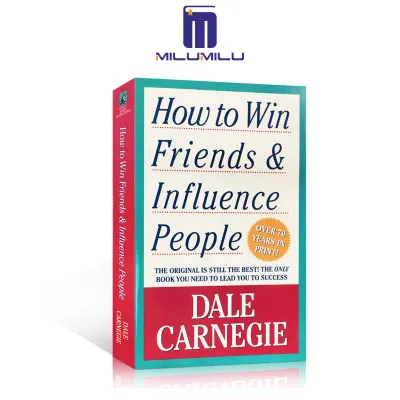
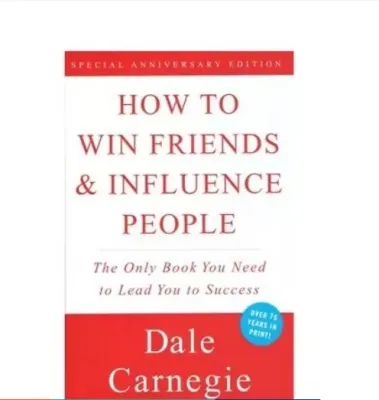
Among the foundational texts in this genre, Dale Carnegie’s classic on how to win friends and influence people remains a global benchmark. However, local communication is deeply shaped by cultural concepts such as pakikisama (smooth interpersonal relations), hiya (propriety and saving face), and utang na loob (reciprocity). Understanding how to apply these books within a local context is the key to transforming theoretical advice into practical, real-world social success.
How to Choose Social Skills Books for the Filipino Context
When selecting personal development literature, it is essential to recognize that communication styles are not universally identical. Western self-help books often champion directness, individual boundaries, and self-promotion as primary pathways to success. In contrast, local social dynamics place a high premium on collectivism, group harmony, and indirect communication, meaning that blindly following Western advice can sometimes make an individual appear arrogant or confrontational.
Products mentioned in this guide

Prices are valid at publication and may change. Please refer to the product page for the latest price.
To find books that translate well to local environments, prioritize titles that focus on empathy, active listening, and situational awareness. The concept of pakikisama encourages individuals to adjust their behavior for the sake of group cohesion, while hiya governs how criticism is shared and received. Books that teach readers how to read non-verbal cues, manage emotional reactions, and deliver feedback gently are far more valuable than those offering aggressive negotiation tactics or rigid conversational scripts.
Furthermore, look for literature that provides adaptable psychological frameworks rather than prescriptive formulas. Authentic communication relies on matching your words to your genuine feelings and the specific social context. By focusing on books that explain the “why” behind human behavior—such as emotional intelligence and behavioral profiling—you can develop a flexible social toolkit that allows you to remain authentic while respecting local cultural expectations.
The Baseline: Applying "How to Win Friends and Influence" Locally
For nearly a century, Dale Carnegie’s masterpiece has served as the starting point for anyone looking to improve their interpersonal skills. The book’s core premise is simple: human beings are driven by a desire to feel important, appreciated, and understood. By shifting your focus from your own desires to the interests and feelings of others, you can naturally build rapport and gain cooperation in both personal and professional spheres.

Many of Carnegie’s core principles align seamlessly with traditional local values. For instance, his advice to “avoid direct criticism” and “let the other person save face” perfectly mirrors the local practice of preserving hiya and maintaining smooth interpersonal relations. Similarly, “showing genuine interest in other people” matches the deeply ingrained value of pakikipagkapwa—treating others as fellow human beings with equal dignity and respect. When you apply these principles in local settings, they are received warmly because they validate the other person’s social standing and feelings.
However, readers must also recognize the limitations of Carnegie’s individualistic, Western perspective. In highly individualistic societies, networking is often viewed as a series of mutually beneficial, yet relatively transactional, interactions. In the local context, relationships are built on long-term, reciprocal moral obligations, often associated with utang na loob (a debt of gratitude). If you apply Carnegie’s techniques in a superficial or highly calculated manner, others may quickly perceive it as insincere or manipulative—a social misstep often described as being plastik.
To adapt this foundational text for the modern local workplace, focus on building long-term trust rather than securing immediate favors. Look for updated, modern editions of the book that address digital communication, as virtual interactions on messaging apps and social media require an even greater sensitivity to tone and timing. Use Carnegie’s advice to listen actively and validate others as a way to cultivate genuine, lasting partnerships, ensuring your actions always reflect a sincere desire to support the collective group.
Top Picks for Workplace Dynamics and Professional Networking
Professional environments in the Philippines are often characterized by hierarchical structures, where respect for authority, seniority, and group consensus are highly valued. Navigating these spaces requires a sophisticated balance of professional competence and social grace, often referred to as pakikibagay (the ability to adapt to others). The following books offer excellent frameworks for managing workplace relationships, resolving conflicts, and collaborating effectively with diverse teams.
Crucial Conversations: Tools for Talking When Stakes Are High
In many local workplaces, open conflict is actively avoided because employees fear damaging relationships or causing colleagues to lose face. This avoidance can lead to unresolved issues, passive-aggressive behavior, and decreased productivity. “Crucial Conversations” provides a structured methodology for handling high-stakes, emotionally charged discussions in a way that preserves relationships while ensuring that important truths are spoken.
The book’s central concept is the creation of “psychological safety.” When people feel safe, they can discuss almost anything without becoming defensive or shutting down. For local professionals, this framework is invaluable because it provides a way to address sensitive topics—such as performance issues, project delays, or disagreements with superiors—without violating the principles of pakikisama. By learning to identify when a conversation is turning unsafe, readers can take steps to restore mutual respect and clarify their intent.
To apply these tools effectively, readers should adapt the book’s direct communication strategies to match local indirect communication norms. Instead of reading the book’s conversational scripts verbatim, which may sound overly blunt or aggressive to local ears, use the underlying structure to organize your thoughts. Focus on establishing a “Mutual Purpose” and demonstrating “Mutual Respect” early in the conversation, allowing you to deliver necessary feedback in a gentle, respectful manner that honors the other person’s dignity.
Surrounded by Idiots: The Four Types of Human Behavior
Understanding that different people have fundamentally different communication styles is a crucial step in reducing workplace friction. Thomas Erikson’s “Surrounded by Idiots” simplifies behavioral psychology by using the DISC-based color system to categorize human behavior into four primary profiles: analytical Blues, dominant Reds, social Yellows, and steady Greens. This color-coded framework offers an accessible way to analyze and adapt to the diverse personalities found in modern offices.
In a typical local office, you may interact with a wide range of personalities, from highly demanding managers (Reds) to quiet, consensus-driven team members (Greens). By identifying a colleague’s dominant color profile, you can tailor your communication style to match their preferences. For instance, when presenting a project update to a “Red” manager, keep your points concise, data-driven, and focused on results. Conversely, when collaborating with a “Green” teammate, invest time in building rapport and ensuring they feel supported and valued.
While the book is an excellent tool for developing empathy and improving teamwork, readers should be mindful of its limitations. Human behavior is incredibly complex and cannot be entirely reduced to four simple categories. In the local context, cultural expectations often cause individuals to suppress their natural behavioral tendencies to conform to group norms. Use the color system as a flexible starting point for understanding others rather than a rigid diagnostic tool, always remaining open to the unique nuances of each individual’s personality.
Best Books for Personal Relationships and Emotional Intelligence
Personal lives in the Philippines are deeply intertwined with extended family networks, close-knit friendships, and community responsibilities. Managing these intimate connections requires a high degree of emotional maturity, self-awareness, and empathy. The following selections focus on developing the internal emotional skills necessary to build stronger, more resilient personal bonds.
Emotional Intelligence 2.0
Emotional intelligence (EQ) is often a more reliable predictor of personal and professional success than intellectual capacity. Travis Bradberry and Jean Greaves’ “Emotional Intelligence 2.0” offers a highly practical guide focused on four core EQ skills: self-awareness, self-management, social awareness, and relationship management. The book provides concrete, actionable strategies to help readers recognize their emotional triggers and respond to social situations with greater deliberate control.
High emotional intelligence is particularly beneficial when navigating complex family dynamics and community expectations. Local gatherings, such as family reunions, holiday celebrations, and community events, often involve navigating subtle social pressures, unsolicited personal questions, and multi-generational expectations. Developing strong self-management and social awareness skills allows you to handle these situations with grace, maintaining your composure and setting healthy boundaries without causing unnecessary family drama.
When purchasing “Emotional Intelligence 2.0,” especially if you are looking at second-hand copies or discounted listings, it is critical to verify the presence of the unique online assessment code. The book is designed to be read alongside an online test that measures your baseline EQ and tracks your progress. Ensure that the code is unused, valid, and compatible with your region, as accessing this assessment is central to getting the full value out of the book’s structured program.
The 5 Love Languages: The Secret to Love that Lasts
Gary Chapman’s “The 5 Love Languages” introduces a simple yet profound concept: people express and receive love in different ways, categorized into Words of Affirmation, Quality Time, Receiving Gifts, Acts of Service, and Physical Touch. Misunderstandings in close relationships often occur not because of a lack of love, but because partners, family members, or friends are speaking different “languages.”
In the local cultural context, the concept of “Acts of Service” holds a particularly deep resonance. Traditional family structures and community values place a high premium on tangible care, mutual support, and practical help—concepts closely aligned with the spirit of bayanihan. Recognizing that preparing a meal, running an errand, or helping with a household chore is a profound expression of love can help readers appreciate the quiet, non-verbal care offered by parents, partners, and close friends who may not be naturally expressive with their words.
While Chapman’s framework was originally developed with romantic couples in mind, its principles are highly applicable to friendships, parent-child relationships, and professional mentorship. When shopping for this book, look for the updated anniversary editions. These versions often include expanded chapters, practical self-assessments, and tailored advice that applies the love languages framework to a broader range of personal relationships, making it a highly versatile guide for improving your daily connections.
Buying Guide: Formats, Editions, and Authorized Retailers
Acquiring legitimate, high-quality copies of these self-help books is essential for a rewarding reading and learning experience. With various formats and editions available in the local market, making an informed purchasing decision ensures you receive complete content, accurate translations, and access to any included supplemental materials.
Your choice of book format should align with your daily routine and learning preferences. Physical books are excellent for deep study, as they allow you to easily highlight key passages, write notes in the margins, and visually track your progress. However, if you face long daily commutes in heavy traffic, digital formats can be highly advantageous. Audiobooks allow you to transform passive travel time into productive learning sessions, while e-books offer portability, adjustable font sizes, and built-in search functions that make it easy to quickly locate specific frameworks.
Before finalizing any purchase, take the time to verify the specific details of the book. Ensure that the edition is in English, which is the standard language of publication for these global bestsellers in the local market. Check for content completeness, and be especially cautious when buying books that advertise included online tools, assessments, or companion workbooks. Unauthorized reprints or heavily discounted copies often omit these essential components, leaving you with an incomplete package.
To guarantee you are purchasing genuine copies, always buy from authorized physical bookstores such as National Book Store and Fully Booked, or their verified official stores on major online marketplaces. The local market has seen a rise in low-quality, pirated book prints characterized by thin paper, blurred text, missing pages, and poor binding that easily falls apart in humid tropical conditions. Avoiding suspiciously low-priced listings or unauthorized digital bundles protects you from poor-quality counterfeits and ensures that the authors are fairly compensated for their work.
Frequently Asked Questions (FAQ)
Are there self-help books written specifically by Filipino authors?
Yes, there is a growing body of personal development literature written by local psychologists, counselors, and relationship experts. These authors write specifically for the local audience, incorporating indigenous psychological concepts like Sikolohiyang Pilipino and directly addressing local family dynamics, workplace realities, and cultural expectations. To find these titles, explore the local interest and Philippine publications sections of major bookstores, or search the catalogs of local academic publishers and university presses, making sure to verify the author’s professional credentials and the publication date.
Should I read the physical book or an e-book for better retention?
The ideal format depends on your lifestyle and how you plan to study the material. Physical books offer a tactile experience that many readers find beneficial for cognitive retention, making it easier to flip back and forth between chapters and annotate key concepts. E-books, on the other hand, offer unparalleled portability and search functionality, allowing you to carry an entire library on your phone or e-reader during your daily commute. For books that serve as practical reference guides, keeping a physical copy on your desk or bedside table is often highly effective for long-term study.
Community discussion
Share your experience or ask a question. Comments are reviewed before publication.