
Embarking on a personal development journey is one of the most transformative decisions you can make, yet the sheer volume of available literature can be overwhelming. For Filipino readers, this journey comes with a unique set of considerations. We live in a vibrant, family-oriented society, but we also face distinct economic challenges, long daily commutes, and complex workplace dynamics. Finding the ideal for your improvement book requires more than just picking a global bestseller off the shelf; it involves identifying titles that offer actionable advice capable of being adapted to local realities. Whether you are a fresh graduate entering the competitive BPO industry, a young professional trying to break the cycle of the sandwich generation, or an aspiring entrepreneur looking to build sustainable wealth, the right book can serve as a personal mentor.
How to Choose the Right For Your Improvement Book for Your Current Season
Before purchasing any personal development guide, it is essential to assess your current life stage and immediate personal goals. Self-improvement is not a one-size-fits-all endeavor. A book that focuses on aggressive career acceleration might not be suitable if you are currently experiencing severe burnout and need to establish personal boundaries. Conversely, a deep philosophical text on mindfulness might not address your pressing need for practical financial literacy. Start by identifying your primary pain point: Is it managing your personal finances in PHP, navigating complex family expectations, or transitioning into a leadership role at work?
Cultural relevance plays a pivotal role in how effectively you can implement a book’s advice. Many global bestsellers are written from a highly individualistic Western perspective, assuming readers have access to robust social safety nets, predictable transit systems, and independent living arrangements. In the Philippines, however, our lives are deeply intertwined with our families and communities. Concepts like pakikisama (interpersonal harmony) and utang na loob (debt of gratitude) shape our decisions and daily interactions. A book that teaches you to say “no” to every external demand might cause severe friction in a multi-generational household if not adapted carefully. Therefore, look for books that either address these local nuances directly or offer flexible frameworks that you can realistically modify to fit your social and cultural environment.
Products mentioned in this guide
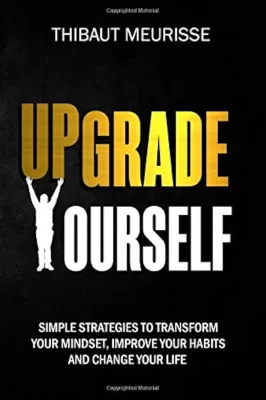
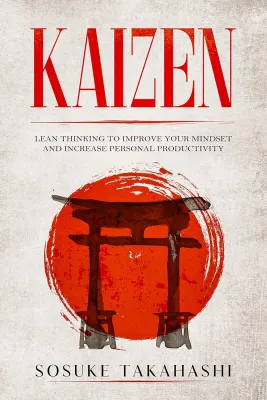
Prices are valid at publication and may change. Please refer to the product page for the latest price.
Finally, perform essential pre-purchase checks to ensure a smooth reading experience. First, consider the language: Do you prefer the precise terminology of the original English text, or would a localized Taglish or Filipino translation make the concepts more relatable and easier to digest? Second, evaluate the format based on your lifestyle. If you spend hours in transit every day, an audiobook or an e-book on a compact e-reader might be far more practical than a heavy physical hardback. Lastly, check the publication date. While foundational psychological principles are timeless, advice regarding digital career trends, modern financial instruments, and remote work dynamics must be relatively recent to remain applicable to today’s rapidly changing local landscape.
Highly Recommended Self-Improvement Books by Category
To help you navigate your personal growth journey, we have categorized the most impactful self-improvement books into three core areas that directly address the aspirations and challenges of modern Filipino readers.

Financial Literacy and Wealth Building
Achieving financial independence is a primary goal for many Filipinos, especially those navigating the financial pressures of supporting extended family members. Foundational books in this category help shift your mindset from scarcity—where money is viewed as a source of constant anxiety—to abundance, where financial tools are used to build long-term security. Classic global guides, such as Rich Dad Poor Dad by Robert Kiyosaki or The Richest Man in Babylon by George S. Clason, offer excellent starting points for understanding the difference between assets and liabilities. For more localized advice, works by prominent Filipino financial advocates provide highly practical, step-by-step strategies tailored to the local economic climate.
When reading financial books, the most critical step is translating the concepts into your daily reality. This means learning how to budget effectively in PHP, establishing an emergency fund that can withstand local emergencies like typhoons or unexpected medical bills, and exploring accessible investment vehicles. In the Philippines, this might involve looking into high-yield savings accounts, PAG-IBIG MP2 funds, unit investment trust funds (UITFs), or local real estate. Shifting your mindset requires recognizing that building wealth is a gradual process of consistent saving and smart investing, rather than chasing high-risk, speculative schemes.
However, readers must remain aware of the inherent limitations of foreign financial literature. Many Western bestsellers dedicate entire chapters to US-specific tax laws, investment structures like 401(k) plans, Roth IRAs, or specific real estate purchasing strategies that simply do not exist or operate under completely different legal frameworks in the Philippines. Relying too heavily on these specific mechanics can lead to confusion or costly mistakes.
To avoid these pitfalls, always perform a thorough pre-purchase check. Verify the book’s edition to ensure you are reading the most updated version, as financial landscapes evolve quickly. Check the table of contents to ensure the edition is complete and unabridged. Additionally, research whether the author or local publishers provide supplementary localized resources, online calculators, or community groups that can help you apply the book’s core principles within the Philippine financial ecosystem.
Mindset, Habits, and Mental Resilience
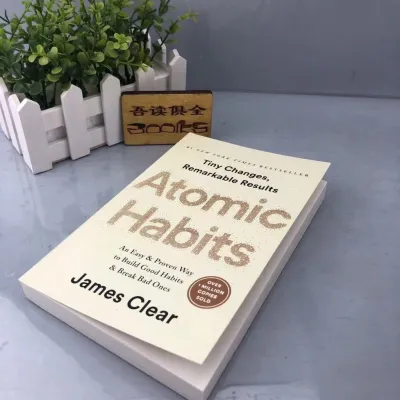
Building a resilient mindset and establishing sustainable habits are essential for maintaining mental well-being in a fast-paced world. Books focused on habit formation, emotional regulation, and personal boundaries, such as Atomic Habits by James Clear, offer powerful frameworks for self-mastery. These texts help you understand the neurological loops that drive your daily actions, allowing you to systematically dismantle unproductive routines and replace them with positive behaviors.
However, implementing these Western habit frameworks requires creative adaptation to fit a busy, commute-heavy, or family-centric local lifestyle. For example, a popular habit advice is to design a distraction-free, quiet morning routine in a dedicated home office. If you live in a lively, multi-generational household or face a grueling two-hour commute on the MRT or in heavy traffic, this setup is virtually impossible. Instead, you must focus on micro-habits and situational triggers. You can practice habit stacking by pairing your daily commute with learning: use your travel time to listen to an educational podcast or a personal development audiobook.
If you plan to utilize your commute for self-improvement, format and device compatibility are crucial considerations. Before purchasing an audiobook, verify that your smartphone or tablet meets the application’s system requirements and that you have sufficient storage space for offline downloads. Ensure your headphones provide adequate noise isolation to block out the chaotic sounds of traffic, allowing you to focus entirely on the narration without straining your hearing.
Furthermore, keep in mind that psychological frameworks regarding strict boundary setting must be adjusted to fit local social expectations. In a culture that highly values family cohesion and communal support, setting rigid boundaries can sometimes be misinterpreted as coldness or a lack of gratitude. The key is to learn how to communicate your boundaries gently and constructively, balancing your personal need for rest and growth with your ongoing commitment to your loved ones.
Career Growth and Leadership
Whether you are navigating the corporate ladder in a major business district like Makati or BGC, working overnight shifts in the BPO sector, or building a freelance virtual assistant business from home, career-focused books are invaluable. Classics like Dale Carnegie’s How to Win Friends and Influence People and modern productivity guides help professionals master the art of effective communication, time management, and empathetic leadership. These skills are essential for standing out in a highly competitive job market.
The applicability of these professional development principles depends heavily on how well you map them to your specific work environment. In local corporate cultures, which often lean toward hierarchical structures and non-confrontational communication, learning how to assertively voice your ideas without causing friction is a vital skill. For remote freelancers and virtual assistants, productivity frameworks help establish a clear boundary between work and personal life, preventing the burnout that frequently occurs when working from home.
Before purchasing a career or leadership book, take the time to verify the author’s professional background. Ensure they have legitimate, practical experience in the field they are writing about, rather than just theoretical knowledge. When shopping on online marketplaces, always look for authorized distributor badges to ensure you are purchasing a genuine copy. Finally, verify that the book’s strategies are relevant to current digital and remote work trends, as older management theories may not fully address the nuances of leading hybrid or fully remote teams.
Where to Source Authentic Books in the Philippines
To ensure a high-quality reading experience and support the authors who dedicate their lives to sharing knowledge, it is crucial to purchase authentic copies of your chosen books. Reading a poorly produced counterfeit can severely disrupt your learning process and discourage your reading habit.
In the Philippines, you can safely source genuine books from established physical and online retailers. Well-known chains like Fully Booked and National Book Store maintain extensive inventories of international and local self-improvement titles. Additionally, many reputable publishers and authorized distributors operate official flagship stores on major e-commerce platforms. Purchasing directly from these verified storefronts guarantees that you receive a high-quality, complete edition of the book.
When shopping online, especially on open marketplaces, you must be vigilant against the proliferation of pirated books. Counterfeit copies are highly prevalent and can be identified by several distinct red flags. These include blurry or faded text, uneven margins, missing pages, weak glued bindings that fall apart after a single reading, and suspiciously thin, greyish paper. The most obvious indicator is often the price: if a popular international bestseller that normally retails for ₱600 to ₱900 is being sold online for ₱50 to ₱150, it is almost certainly a pirated copy.
To protect yourself and ensure a safe online shopping experience, establish clear safety boundaries. Always check the seller’s overall rating and read recent buyer reviews, paying close attention to reviews that include actual photos or videos of the book’s interior pages. Verify the seller’s return policy in case you receive a damaged or substandard item. Most importantly, look for official mall or authorized distributor badges on the e-commerce platform, which certify the authenticity of the merchant.
Never judge a book’s specific version or content completeness solely by the cover image displayed on an online listing. Sellers of counterfeit goods frequently use official publisher stock photos to mask the poor quality of their physical inventory. Always read the detailed product description carefully to confirm the publisher, publication date, binding type, and format details before finalizing your purchase.
How to Maximize Your Reading and Apply the Lessons
Acquiring a self-improvement book is only the first step; the true value lies in how effectively you apply its lessons to your daily life. To prevent your books from simply gathering dust on a shelf, you must transition from passive consumption to active, intentional implementation.
Establishing a consistent reading routine does not require hours of uninterrupted free time. Instead, aim for manageable, daily goals, such as dedicating just 15 minutes every morning or evening to reading. You can also maximize underutilized pockets of time throughout your day, such as your daily commute, waiting in lines, or during lunch breaks. Over the course of a year, these small, consistent efforts compound into dozens of finished books and a wealth of new perspectives.
To retain and apply what you read, adopt practical note-taking and reflection methods that align with your personal goals. Keep a dedicated journal nearby to jot down key insights, or use digital highlighting tools if you prefer reading e-books. After finishing a chapter, take a moment to write down exactly how a specific concept applies to your current situation. Discussing the book’s core ideas with an accountability partner, a colleague, or a study group can also deepen your understanding and keep you motivated to follow through on your goals.
Set realistic expectations for your personal development journey. Real growth is a gradual, non-linear process. Trying to overhaul your entire life overnight by implementing dozens of new habits simultaneously almost always leads to frustration and failure. Instead, focus on selecting just one or two key concepts from each book and applying them consistently for several weeks before moving on to the next strategy.
Finally, always adapt the book’s advice to your local economic and cultural realities. Recognize that some strategies—such as aggressive financial investing or highly individualistic lifestyle changes—may need to be scaled down or modified to suit your current income level, family commitments, and the local infrastructure. By remaining flexible and practical, you can extract the maximum value from every page you read.
Frequently Asked Questions (FAQ)
Are translated self-improvement books as effective as the original English versions?
Translated self-improvement books can be highly effective, especially if they make complex psychological or financial concepts more accessible and easier to understand. Reading in your preferred language—whether English, Filipino, or a local dialect—ensures that you actually finish the book and grasp its core messages. However, keep in mind that some subtle nuances, cultural metaphors, or technical terms may occasionally be lost or slightly altered during the translation process. Ultimately, you should choose the language version that you feel most comfortable reading, as comprehension and practical application are far more important than the language of publication.
Should I read multiple self-improvement books at the same time?
For most readers, especially beginners, it is highly recommended to focus on one book at a time. Self-improvement is an active process that requires reflection and practical application, not just passive consumption. Reading multiple books simultaneously can easily lead to information overload, confusing conflicting advice, and a tendency to rush through pages without actually implementing any of the lessons. By focusing on a single book, you can dedicate your full attention to understanding its concepts, practicing its exercises, and integrating its core habits into your daily life before moving on to a new topic.
Community discussion
Share your experience or ask a question. Comments are reviewed before publication.