
Navigating the complex social landscape of the Philippines requires more than just basic politeness; it demands a deep understanding of interpersonal dynamics. Whether you are aiming to climb the corporate ladder in Bonifacio Global City, build a thriving local business, or simply foster deeper connections within your community, mastering interpersonal communication is essential. While classic literature like how to win friends and influence people offers timeless strategies for building rapport, applying these concepts effectively in a local context requires a thoughtful approach. Selecting the right self-help books involves understanding how global principles of human nature intersect with unique local values, helping you build genuine influence without causing social friction. This guide will help you navigate the vast landscape of self-help literature, ensuring you choose books that align with your specific personal and professional goals.
Why Cultural Context Matters in Social Skills Books
In the Philippines, social interactions are deeply influenced by cultural values that differ significantly from the individualistic frameworks often found in Western self-help literature. Western guides frequently champion directness, self-promotion, and assertive negotiation as primary tools for achieving success. However, in a local setting, an overly aggressive approach can backfire, leading to strained relationships, workplace discomfort, and closed doors.
To build authentic influence locally, one must understand the delicate balance of pakikisama (the practice of yielding to the will of the group to maintain harmony) and hiya (a sense of propriety and sensitivity to social expectations). A successful professional does not abandon these values but learns to integrate them with modern leadership strategies. For instance, while a Western book might advise confronting a colleague directly over a disagreement, local dynamics often require a more indirect, diplomatic approach—perhaps utilizing a trusted intermediary or framing the feedback in a highly supportive, private manner to preserve the other person’s dignity.
Products mentioned in this guide

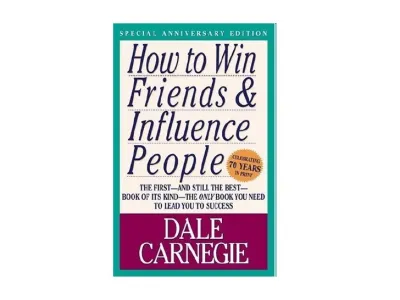
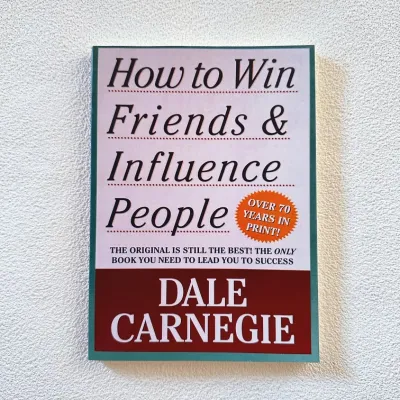
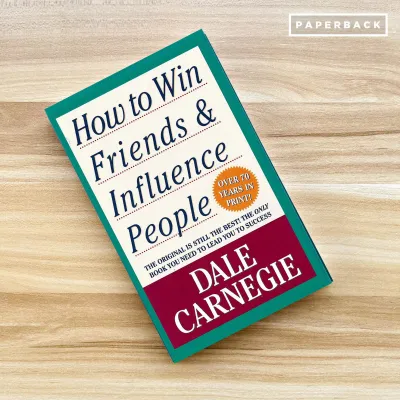
Prices are valid at publication and may change. Please refer to the product page for the latest price.
Furthermore, traditional corporate hierarchies and family-centric community structures play a massive role in how influence is wielded. Respect for seniority, both in age and organizational rank, is deeply embedded in the local culture. Books that teach you how to communicate upward with respect, while still presenting innovative ideas, are far more valuable than those advocating for flat, disruptive organizational styles that may not translate well to local boardrooms. By learning to filter global advice through the lens of local values, you can develop a highly adaptable social toolkit that respects tradition while driving professional growth.
How to Choose the Right Book for Your Social Goals
Selecting the perfect book requires a clear assessment of your current interpersonal challenges and career stage. Not all social skills books serve the same purpose, and reading without a specific goal can lead to information overload without practical application. Begin by identifying your primary objective: are you looking to expand your professional network, resolve ongoing workplace conflicts, step into a leadership role, or simply overcome social anxiety in daily life?

Once you have defined your goal, evaluate the author’s background and the methodology presented in the book. Authors who base their advice on empirical behavioral research or decades of executive coaching often provide highly structured, actionable frameworks. Look for books that include practical exercises, self-assessments, or real-world scripts. A book that merely tells you to ‘be confident’ is far less useful than one that breaks down the exact physical cues, vocal tones, and conversational structures that project confidence.
You should also decide between foundational classics and modern behavioral guides. Foundational classics focus on the unchanging aspects of human nature, teaching timeless principles of empathy, active listening, and mutual respect. These are excellent for building a broad, lifelong philosophy of human relations. On the other hand, modern guides often address contemporary challenges, such as digital communication, remote team management, and cross-cultural collaboration. If your daily work involves managing international clients or coordinating via messaging apps, a modern guide that addresses these specific mediums will be highly beneficial.
Finally, consider how you plan to engage with the material. If you are a visual learner who benefits from structured diagrams, a physical book with worksheets might be ideal. If you are constantly on the move, an audiobook that you can listen to during your daily commute might be more practical. Choosing a format that fits seamlessly into your lifestyle ensures that you will actually finish the book and apply its lessons.
Core Book Categories to Improve Social Influence
To build a well-rounded and versatile social skill set, it is helpful to explore books across different categories. Rather than relying on a single perspective, combining classic wisdom with modern behavioral science and emotional intelligence training allows you to adapt to any social or professional scenario you encounter.
Foundational Human Relations Classics
The bedrock of social skills literature lies in foundational classics that explore the core mechanics of human interaction. At the center of this category is the enduring philosophy of how to win friends and influence people. These books operate on the premise that people are fundamentally driven by a desire to feel important, appreciated, and understood. By shifting your focus from self-assertion to genuine curiosity about others, you unlock a powerful method for building instant rapport.
In the local context, these classic principles align beautifully with the warmth and hospitality for which Filipinos are known. Practicing active listening, remembering names, and showing sincere appreciation are highly effective ways to strengthen relationships within multi-generational family circles and local workplaces. For example, remembering the name of a security guard, a utility worker, or a junior colleague and greeting them warmly builds a foundation of mutual respect that transcends organizational hierarchy.
When applying these classic principles to modern digital spaces, such as Viber groups, Slack channels, or email threads, the same rules of respect and appreciation apply. A simple ‘thank you’ or a polite greeting before diving into work tasks can significantly improve digital workplace relationships.
When shopping for these classics, look for modern revised editions or annotated versions. Many publishers have updated these texts to include contemporary examples, addressing how to apply classic principles to digital communication, virtual meetings, and social media interactions. These updated editions ensure that the core advice remains highly practical in an era where much of our professional networking occurs online.
Modern Persuasion and Negotiation Guides
While foundational classics teach you how to build rapport, modern persuasion and negotiation guides focus on the strategic side of communication. These books are essential for professionals who need to pitch ideas, secure client contracts, or negotiate salary adjustments. The challenge in a local setting is to assert your value and negotiate effectively without causing the other party to lose face, which can permanently damage a professional relationship.
Look for frameworks that emphasize collaborative, win-win negotiation styles. These models teach you how to separate the people from the problem, allowing you to advocate strongly for your interests while maintaining a warm, respectful relationship with your counterpart. This is particularly important when dealing with local suppliers, partners, or senior executives, where long-term trust is often valued more than a single transactional victory.
Additionally, these guides offer valuable tools for reading non-verbal cues and managing difficult conversations. In a culture where communication is often indirect and polite, being able to read subtle shifts in body language, tone of voice, or hesitation can help you identify unspoken objections. Books that provide step-by-step scripts for de-escalating conflicts or delivering constructive feedback are incredibly useful for maintaining workplace harmony while ensuring that professional standards are met.
Furthermore, learning how to say ‘no’ politely but firmly is a crucial skill that many local professionals struggle with due to the desire to please everyone. Modern negotiation guides provide excellent frameworks for setting healthy professional boundaries without appearing uncooperative or disrespectful to your peers and superiors.
Emotional Intelligence and Workplace Dynamics
True social influence is not just about external tactics; it is deeply rooted in internal emotional regulation and empathy. Emotional intelligence (EQ) books focus on understanding your own emotional triggers and recognizing the emotional states of those around you. This self-awareness is the foundation of effective leadership and team management, especially in high-pressure environments.
For many local professionals, overcoming imposter syndrome and managing social anxiety are significant hurdles to building influence. EQ literature provides practical exercises to help you regulate stress, reframe negative self-talk, and project authentic confidence. By mastering your internal state, you can remain calm and composed during challenging presentations or high-stakes meetings, which naturally inspires confidence in your peers and superiors.
Furthermore, understanding workplace dynamics and psychological safety is crucial for anyone aspiring to lead teams. Books in this category teach you how to create an environment where team members feel safe to share ideas, admit mistakes, and voice concerns without fear of ridicule or retaliation. In a hierarchical workplace, fostering this level of psychological safety encourages innovation and open communication, transforming traditional top-down management into a collaborative, high-performing culture.
Managing stress in high-pressure urban environments is another area where EQ books shine. By teaching you how to detach from workplace stressors and maintain a healthy work-life balance, these books help you show up as a more patient, empathetic, and effective communicator in both your professional and personal life.
What to Check Before Buying Self-Help Books Online
When purchasing self-help books through online marketplaces or local ecommerce platforms, taking a few precautionary steps ensures you receive high-quality, authorized copies. The local market has seen a rise in counterfeit, poorly printed, or heavily abridged editions that can ruin the reading experience. To avoid these, always verify the physical details of the book before finalizing your purchase.
Start by checking the publisher details, page count, and International Standard Book Number (ISBN) listed in the product description. Compare these details with official publisher websites to ensure the book is a complete, unabridged edition. Counterfeit books often suffer from missing pages, smudged ink, extremely thin paper, and binding that falls apart easily under tropical humidity. Investing a bit more in an authorized copy guarantees a durable book that can be read, annotated, and kept on your shelf for years.
Consider which format best suits your lifestyle and daily routine. If you spend hours commuting through heavy traffic in metropolitan areas, audiobooks can transform your travel time into productive learning sessions. E-books are highly convenient for those who prefer to carry an entire library on a single lightweight device, especially when traveling. However, if you enjoy highlighting key passages, writing notes in the margins, and physically turning pages, a high-quality paperback or hardcover remains the gold standard.
Finally, carefully review seller ratings, customer reviews with photos, and return policies on your chosen online marketplace. Be cautious of listings with prices that seem unusually low, as these are often indicators of pirated reprints. Compare prices in ₱ across reputable local bookstores and authorized online sellers to ensure you are paying a fair price for a genuine product. Reading reviews from other local buyers can provide valuable insights into the seller’s packaging quality, ensuring your books arrive undamaged by moisture or rough handling during transit.
Frequently Asked Questions (FAQ)
Are Western self-help books effective in Philippine workplaces?
Yes, they can be highly effective, but they should not be applied blindly. While the core principles of human psychology—such as the desire for appreciation, respect, and clear communication—are universal, the execution must be tailored to local cultural norms. In a local workplace, you must balance assertive Western strategies with pakikisama and respect for organizational hierarchy. Instead of demanding changes directly, focus on building consensus, seeking feedback privately, and framing your ideas in a way that benefits the entire team.
Should I read the original or a translated version of classic social skills books?
Choosing between the original English version and a translated or bilingual edition depends on your personal reading comfort and professional environment. If you work in a multinational corporation, a business process outsourcing (BPO) firm, or an industry that communicates primarily in English, reading the original version helps you master specific professional idioms, vocabulary, and conversational nuances. However, if you find that reading in your native language allows for deeper emotional connection and faster comprehension of complex psychological concepts, a high-quality local translation is an excellent choice.
How can I practice the techniques learned from these books in daily life?
The key to mastering social skills is consistent, low-stakes practice. Do not wait for a high-pressure board meeting to try out a new communication technique. Start by practicing active listening and genuine appreciation during daily interactions with family members, friends, or local service workers, such as jeepney drivers, delivery riders, or cashiers. As these skills become second nature, gradually apply them to your professional life by actively participating in team discussions, offering supportive feedback to colleagues, and practicing structured negotiation during minor workplace agreements.

Community discussion
Share your experience or ask a question. Comments are reviewed before publication.