
Navigating social spaces, building professional networks, and maintaining deep personal connections can be challenging without a structured approach. When looking for resources on how to win friends and people in both your career and personal life, self-help literature offers a wealth of strategies. However, not all communication books are created equal. Finding the right book requires understanding your personal growth goals and recognizing how global communication concepts translate to daily interactions in the Philippines, where relationships are deeply rooted in community, warmth, and mutual respect.
What to Look for When Choosing a Social Skills Book
Selecting a book to improve your social skills requires a more deliberate approach than simply picking a bestseller off the shelf. To find a text that genuinely transforms how you interact with others, you must first distinguish between theoretical psychology books and actionable communication workbooks. Theoretical books focus primarily on the “why” of human behavior, explaining cognitive biases, evolutionary social structures, and neurological responses to social stimuli. While these insights are intellectually enriching, they rarely provide the step-by-step guidance needed to navigate an awkward silence. In contrast, actionable workbooks focus heavily on the “how,” offering practical exercises, conversational templates, and daily challenges designed to build muscle memory for real-world interactions.
Another critical dimension to evaluate is the cultural context of the examples provided within the text. Many popular self-help books are written from a Western perspective, emphasizing highly direct, assertive, and individualistic communication styles. While these traits are valuable in certain professional settings, they can sometimes clash with the more high-context, indirect, and harmony-focused communication norms prevalent in the Philippines. When reading Western-centric guides, look for underlying principles—such as empathy, active listening, and respect—rather than copying exact scripts that might sound overly blunt or aggressive to local ears.
Products mentioned in this guide
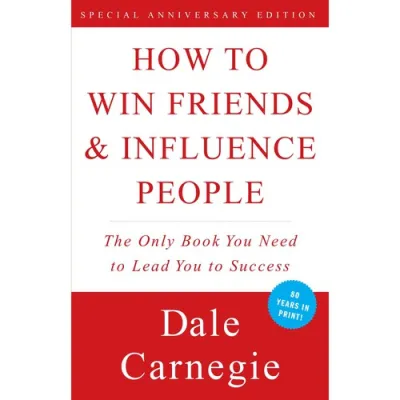

![HOW TO WIN FRIENDS AND INFLUENCE PEOPLE [AUTHENTIC]](https://img.lazcdn.com/g/ff/kf/S9a1ce2e6cf114178bf8ef14f03331c21f.jpg_400x400q80.jpg_.webp)
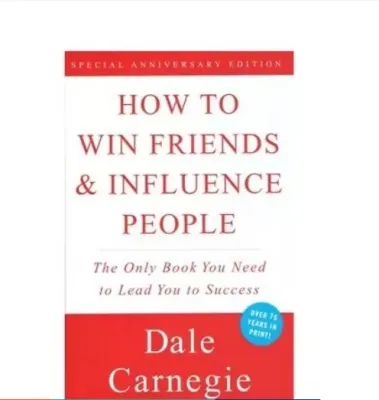
Prices are valid at publication and may change. Please refer to the product page for the latest price.
Additionally, you should assess the specific focus area of the book to ensure it aligns with your current life stage. A guide dedicated to corporate networking, high-stakes negotiation, and executive influence will use very different frameworks than a book focused on healing personal relationships, establishing emotional boundaries, or managing social anxiety in casual settings. Clearly identifying whether you need to excel in workplace politics or deepen your personal friendships will prevent you from buying a book that feels irrelevant to your daily challenges.
Finally, always verify the publication date and edition of the book. The landscape of human interaction has shifted dramatically with the rise of digital communication. Older editions of classic texts, while brilliant in their foundational advice on face-to-face rapport, completely omit the nuances of text-based messaging, email etiquette, video conferencing, and social media interactions. Checking for updated editions or choosing modern titles ensures that the communication mediums discussed are highly relevant to how we connect today.
Top Picks: How to Win Friends and People through Conversation and Rapport
Mastering the initial stages of interaction is the foundation of any successful relationship. Whether you are walking into a crowded networking event or trying to make a good impression on a new neighbor, the books in this category focus on breaking the ice, projecting warmth, and building immediate rapport.

Foundational Guides for Everyday Charisma
The most enduring books on social dynamics focus on the timeless aspects of human nature. These classics teach us that despite technological advancements, human desires remain constant: people want to be heard, valued, and understood. When exploring foundational guides, look for frameworks that emphasize shifting your focus away from your own performance and onto your conversation partner. By prioritizing empathy, active listening, and showing a genuine interest in others, you naturally lower the other person’s defenses and create a comfortable environment for connection.
When shopping for these foundational texts, it is crucial to verify the specific edition you are purchasing. Many classics have entered the public domain or have been reprinted in various formats. Opt for unabridged versions or editions with updated annotations. These updated versions often preserve the core psychological frameworks of the original author while providing contemporary footnotes that explain how to apply these concepts in modern social scenarios. This ensures you get the full depth of the author’s original message without feeling alienated by outdated cultural references.
Ultimately, the goal of everyday charisma is not to perform or put on a show, but to develop a habit of curiosity. Books in this sub-category will guide you on how to ask open-ended questions, remember and use people’s names naturally, and read subtle non-verbal cues. Cultivating these habits helps you transition from passive hearing to active listening, which is the single most effective way to make others feel appreciated in any conversation.
Strategies for Professional Networking and Influence
In the workplace, communication is not just about being liked; it is about building trust, aligning goals, and exercising ethical influence. Professional networking literature focuses on how to navigate organizational hierarchies, pitch ideas persuasively, and establish mutually beneficial career relationships. When selecting books in this category, it is vital to choose authors who differentiate clearly between manipulative tactics and genuine, ethical persuasion. True professional influence relies on finding win-win scenarios, whereas manipulation relies on short-term deception that ultimately destroys professional credibility.
To ensure you are learning from a reliable source, look for authors with verifiable professional credentials. Writers who hold advanced degrees in organizational psychology, or those who have spent decades coaching executives at established global firms, offer evidence-based strategies rather than personal anecdotes. Their frameworks are typically backed by peer-reviewed research on human behavior in corporate environments, giving you confidence that the techniques will work in high-stakes professional settings.
These books should guide you on how to set professional boundaries while remaining collaborative. You will learn how to negotiate raises or project terms, deliver constructive feedback without causing defensiveness, and present your achievements in a way that highlights value to the organization rather than sounding boastful. Mastering these skills is essential for career advancement, particularly in competitive industries where technical skill alone is not enough to secure leadership roles.
Best Reads for Deepening Relationships and Setting Boundaries
While first impressions and professional charm are excellent for opening doors, sustaining long-term relationships requires a completely different set of skills. Moving past surface-level interactions demands emotional maturity, conflict resolution strategies, and the ability to protect your own mental well-being through clear boundaries.
Building Emotional Intelligence and Empathy
Emotional intelligence, or EQ, is the cornerstone of any deep, lasting relationship. It involves the capacity to recognize, understand, and manage your own emotions while simultaneously recognizing and influencing the emotions of others. Books focusing on EQ help you transition from surface-level socializing to deep emotional connection. Without a high level of self-awareness, it is easy to project your own insecurities, stress, or past traumas onto your friends and partners, leading to unnecessary friction and misunderstandings.
When selecting literature in this category, prioritize books that offer structured frameworks for developing both self-awareness and social awareness. Avoid books that offer purely abstract theories about psychology without providing practical tools for self-reflection. A high-quality EQ book will often include self-assessment questionnaires, reflective journaling prompts, or daily mindfulness exercises designed to help you identify your emotional triggers in real-time.
By understanding your own triggers, you can learn to pause before reacting impulsively during a difficult conversation. This self-regulation allows you to respond with empathy and clarity, even when you feel defensive. Additionally, developing social awareness helps you pick up on the unexpressed needs and emotions of those around you, allowing you to offer support and build trust when it matters most.
Navigating Conflict and Establishing Healthy Boundaries
No relationship is entirely free of conflict, but how you handle disagreements determines whether a relationship grows stronger or falls apart. Many people avoid conflict because they associate it with shouting matches or damaged feelings. However, healthy conflict resolution is a collaborative process aimed at finding solutions while maintaining mutual respect. Literature in this category focuses on non-violent communication, de-escalation techniques, and assertive boundary setting.
When looking for books on conflict resolution, seek out titles that provide concrete scripts or step-by-step dialogue examples. Having access to actual phrases you can use during a tense moment makes it much easier to put the theory into practice. These scripts should teach you how to express your needs clearly using “I” statements rather than accusatory “you” statements, which naturally reduce the other party’s defensiveness.
Furthermore, establishing boundaries is not about building walls to shut people out; it is about creating clear guidelines for how you expect to be treated. A good book on boundaries will teach you how to say “no” politely but firmly, without feeling guilty. It should emphasize that setting boundaries is an act of self-care that ultimately preserves relationships by preventing resentment from building up over time. Ensure the books you choose promote assertive, respectful communication rather than aggressive confrontation, as the goal is always mutual understanding.
Quick Comparison: Matching the Book to Your Social Goal
To help you decide which type of communication framework best suits your current needs, the table below compares different categories of social skills literature based on their primary goals, ideal reader profiles, and core takeaways.
| Social Goal | Core Focus of the Book Type | Ideal Reader Profile | Key Actionable Takeaway |
|---|---|---|---|
| Breaking the Ice & Rapport | Foundational charisma, active listening, and creating positive first impressions. | Individuals experiencing social anxiety or transitioning to new social environments. | Shift your focus outward; listen actively to make others feel valued and understood. |
| Workplace Networking | Professional boundaries, ethical persuasion, and leadership communication. | Professionals, entrepreneurs, and team leaders aiming to advance their careers. | Focus on mutual benefit and build trust through transparent, value-driven interactions. |
| Deepening Connections | Emotional intelligence, self-awareness, and empathy in long-term relationships. | Anyone looking to strengthen family bonds, friendships, or romantic partnerships. | Identify your emotional triggers to respond thoughtfully rather than reacting impulsively. |
| Conflict Resolution | Assertive communication, de-escalation scripts, and setting healthy boundaries. | Individuals who struggle with people-pleasing or face frequent interpersonal friction. | Express your needs clearly using "I" statements and say "no" without guilt to prevent resentment. |
Buying Guide: Formats, Editions, and Local Availability
Once you have identified the type of social skills book that aligns with your goals, the next step is ensuring you purchase the correct edition and format. In the Philippines, readers have several options, but making an informed choice requires a few practical checks.
Format Verification First, decide whether you prefer physical books, e-books, or audiobooks. Physical books are excellent for active study, as they allow you to easily highlight passages, write notes in the margins, and flip back to reference exercises. If you prefer digital reading, e-books offer portability and immediate access, but you must ensure your e-reader is compatible with the file format provided by the seller. Audiobooks are highly convenient for multitasking during a daily commute or workout. However, before purchasing an audiobook, verify its device compatibility and check if the hosting application has regional availability in the Philippines, as some platforms restrict access to certain titles based on geographic location.
Edition and Language Checks Always verify the language and completeness of the edition before checking out. If you are purchasing a translated work, check reader reviews to ensure the translation is accurate and preserves the author’s original tone. For classic self-help books, confirm that the copy is unabridged so you do not miss out on foundational chapters or detailed case studies. Additionally, look for updated editions published within the last few years; these often contain revised chapters that address modern communication channels like instant messaging, video calls, and remote work dynamics.
Sourcing in the Philippines To avoid counterfeit copies, which often suffer from missing pages, illegible printing, and poor binding, always purchase from reputable sources. You can find authentic copies at established national bookstore chains, authorized brand official stores, or verified, preferred sellers on major e-commerce platforms. Avoid purchasing from unverified online merchants offering books at prices that seem too good to be true, as these are almost always unauthorized reprints. Investing in an authentic copy ensures you receive the complete, high-quality text as intended by the author.
Physical Book Care If you choose physical books, keep in mind the tropical climate of the Philippines. High humidity can cause pages to warp, discolor, or develop mold over time. To preserve your library, store your physical books in dry, well-ventilated areas away from direct sunlight. Avoid storing them in tightly sealed plastic bins where moisture can get trapped; instead, opt for open bookshelves that allow for natural airflow.
Frequently Asked Questions (FAQ)
Are audiobooks as effective as physical copies for learning social skills?
Audiobooks are incredibly effective for absorbing the natural tone, pacing, and emotional delivery of conversational examples, which can help you understand how to project confidence and empathy vocally. However, audiobooks make it more difficult to highlight key concepts, take reflective notes, or quickly refer back to specific communication exercises. To get the most out of an auditory format, consider keeping a dedicated digital or physical notebook nearby to jot down key takeaways, scripts, and action steps as you listen.
How do I apply Western communication frameworks in the Philippines?
While core human psychology—such as the desire for respect, appreciation, and understanding—is universal, Western frameworks often emphasize directness and assertiveness that can clash with Filipino cultural values like pakikisama (harmony) and indirect politeness. To adapt these concepts successfully, focus on the underlying intent of the framework, such as active listening or empathy. When communicating locally, soften your delivery by using polite qualifiers, expressing genuine warmth, and paying close attention to non-verbal cues, ensuring your assertiveness is balanced with respect for social harmony.
Community discussion
Share your experience or ask a question. Comments are reviewed before publication.