
Finding the right self-help books for personal growth and self-acceptance in the Philippines requires looking beyond generic bestseller lists to find titles that speak directly to your unique emotional bottlenecks and cultural realities. In a society where community ties, family expectations, and social connections run deep, books that address the pressure to conform offer a refreshing path toward self-acceptance. By aligning your reading choices with your specific life stage—whether you are a young professional facing corporate burnout or a student navigating identity shifts—you can transform reading from a passive pastime into an active tool for personal transformation. The key is to seek out books that do not just offer empty platitudes, but instead provide relatable narratives, practical frameworks, and empathetic perspectives that resonate with your daily lived experience.
How to Choose the Right Self-Help Book for Your Journey
To begin your personal development journey, you must first identify the specific emotional or psychological bottlenecks that are currently holding you back. Many readers turn to self-help books during times of transition, but a book designed to cure career burnout may not help if your primary struggle is setting boundaries with family members or overcoming a deep-seated habit of people-pleasing. Take a moment to reflect on your daily stressors: are you feeling a lack of direction, struggling with low self-esteem, or constantly comparing your life milestones to those of your peers on social media? Pinpointing these specific pain points allows you to narrow down your search to books that offer targeted solutions rather than broad, generalized advice.
Once you have identified your needs, evaluate the credibility of the author and the foundation of their advice. Self-help literature is incredibly diverse, ranging from clinical psychologists who base their writing on cognitive behavioral therapy to philosophical essayists who share wisdom gained through personal reflection. If you prefer structured, evidence-based strategies, look for books written by licensed therapists, researchers, or educators who provide actionable exercises and scientific context. On the other hand, if you find comfort in shared human experiences, memoirs and personal essays written by authors who have navigated similar life struggles can offer deep emotional validation and a sense of companionship.
Products mentioned in this guide
Prices are valid at publication and may change. Please refer to the product page for the latest price.
Finally, choose a book format that matches your learning style and daily routine. Narrative-driven memoirs are excellent for those who learn through storytelling, as they allow you to see how personal growth principles play out in real life. If you have a busy schedule or a shorter attention span, illustrated essays and bite-sized reflections offer a highly digestible alternative that you can easily read during a daily commute or before bed. For those who want to actively work through their challenges, structured workbooks with writing prompts, self-assessments, and daily exercises provide a hands-on approach to self-discovery.
Exploring "I Decided to Live as Me" as a Benchmark for Self-Acceptance
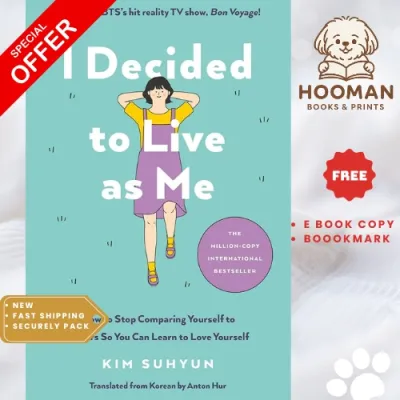
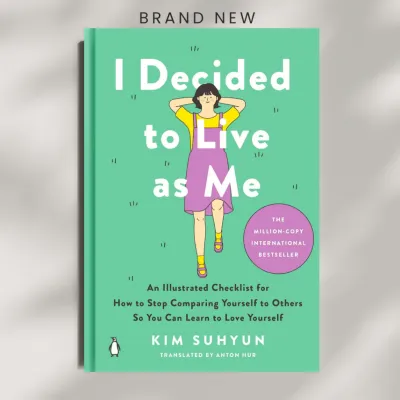
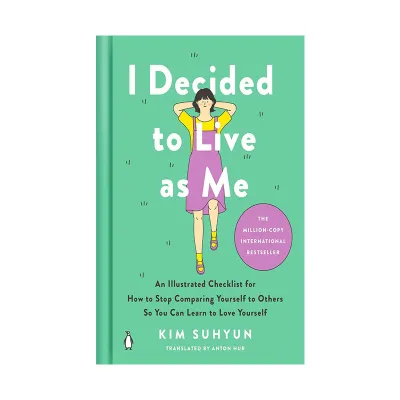
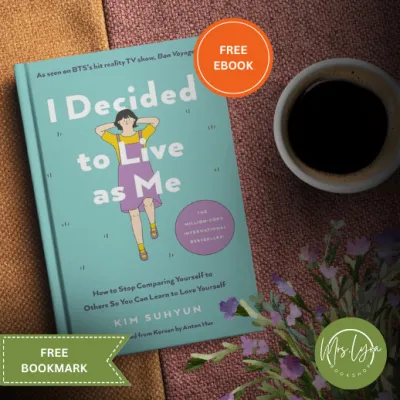
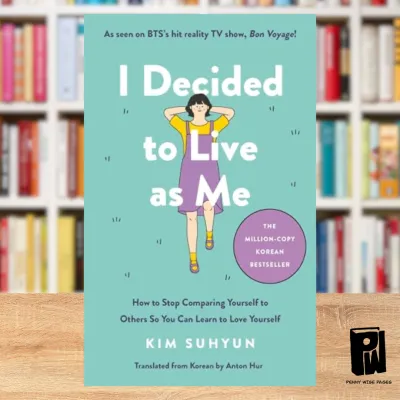
The Korean illustrated essay book I Decided to Live as Me by Kim Soo-hyun has become a benchmark for self-acceptance, particularly among readers in the Philippines who find its core message deeply relatable. The book addresses the exhausting cycle of trying to meet societal expectations, the constant pressure of comparison culture, and the emotional toll of people-pleasing. In a world dominated by curated social media feeds, the author encourages readers to stop living according to other people’s standards and instead embrace their ordinary, imperfect selves. This message is incredibly liberating for individuals who feel overwhelmed by the pressure to achieve traditional milestones or maintain a flawless public image.

One of the most distinctive features of this book is its illustrated essay format, which combines charming, minimalist drawings with concise, impactful text. This visual storytelling approach makes the book highly accessible and emotionally resonant, allowing readers to absorb complex psychological concepts without feeling overwhelmed by dense academic jargon. Each short essay acts as a gentle reminder to protect one’s boundaries, practice self-compassion, and find joy in everyday moments. The illustrations do not merely decorate the pages; they enhance the emotional delivery of the text, making the reading experience feel like a warm, supportive conversation with a close friend.
This empathetic and conversational tone makes the book particularly beneficial for young adults, college students, and working professionals who are navigating major identity shifts and career transitions. It provides a safe space to process feelings of inadequacy, imposter syndrome, and the anxiety of not knowing what the future holds. By validating these common struggles, the book helps readers realize that they are not alone in their doubts, making it an excellent starting point for anyone looking to build a healthier, more accepting relationship with themselves.
Core Themes to Prioritize in Personal Growth Literature
As you expand your personal development reading list, prioritizing specific core themes can help you build a well-rounded toolkit for self-improvement. One of the most critical themes to look for is boundary setting and overcoming the fear of missing out (FOMO). Many readers struggle with the guilt of disappointing others, often saying yes to social commitments or professional demands at the expense of their own mental well-being. Books that focus on boundaries teach you how to communicate your needs clearly, protect your personal time, and recognize that saying no to others is often a necessary step in saying yes to yourself.
Another essential theme is mindfulness and emotional regulation, which provides practical techniques for managing daily stress and anxiety. Look for literature that incorporates cognitive behavioral strategies, helping you identify negative thought patterns, challenge self-limiting beliefs, and develop healthier coping mechanisms. These books offer practical exercises, such as journaling prompts or breathing techniques, that you can easily integrate into your daily routine to stay grounded during challenging moments.
Additionally, seek out books that address career transitions, financial mindsets, and the process of redefining personal success. Traditional definitions of success often focus heavily on material wealth, job titles, and linear career progression, which can lead to severe burnout and a sense of emptiness. Personal growth literature that challenges these conventional milestones encourages you to align your career and financial goals with your personal values, helping you build a more sustainable and fulfilling life path that prioritizes your overall well-being over external validation.
Where to Source Authentic Books in the Philippines
Sourcing authentic copies of self-help books in the Philippines is crucial for ensuring a high-quality reading experience and supporting the authors who write them. Major local bookstore chains and independent specialty shops are excellent starting points for finding physical copies. Visiting a physical store allows you to browse the shelves, read a few pages to assess the writing style, and feel the quality of the paper and binding before making a purchase. Many independent bookstores also curate unique selections of local and international titles, offering personalized recommendations that you might not find in larger retail chains.
When shopping on e-commerce platforms and online marketplaces, it is important to be vigilant and verify authorized sellers to avoid purchasing low-quality, pirated reprints. Counterfeit books often suffer from blurry text, poor binding that falls apart after a single reading, missing pages, and low-grade paper. To ensure you are buying a genuine copy, look for official brand store badges, read customer reviews carefully, and avoid listings that offer popular titles at suspiciously low prices, such as brand-new paperbacks priced under ₱150. Purchasing from authorized distributors guarantees that you receive a complete, well-produced book that will last for years.
When deciding on the best format for your lifestyle, compare physical books, digital editions, and audiobooks based on your reading preferences, device compatibility, and budget. Physical books offer a tactile experience and a break from screen time, but they require careful storage to protect them from tropical humidity, mold, and bookworms. Digital editions, such as e-books read on dedicated e-readers or tablets, are highly portable, allow you to adjust font sizes, and are immune to humidity damage. Audiobooks are an excellent option for busy individuals, allowing you to listen to personal growth insights during long commutes, household chores, or daily exercise routines.
Building a Sustainable Self-Development Reading Habit
Integrating self-help reading into your daily life should feel like a nurturing practice rather than another chore on your to-do list. To build a sustainable habit, start by setting realistic reading goals, such as reading just ten pages a day or dedicating fifteen minutes to a book each morning. To get the most out of your reading, practice active reading techniques: keep a journal nearby to jot down quotes that resonate with you, use highlighters to mark key passages, or discuss the concepts with a friend or a reading group. This active engagement helps transition the information from passive consumption into active, long-term learning.
It is equally important to balance the consumption of new material with dedicated time for reflection and practical application. Reading ten self-help books in a row without implementing any of their advice is far less effective than reading a single book slowly and consciously applying its principles to your daily routine. After finishing a chapter, take a few days to practice the suggested exercises, observe your emotional responses, and see how the concepts fit into your life. Remember that personal growth is a gradual process, and giving yourself the time to integrate these changes is essential for lasting transformation.
Finally, recognize the limits of self-guided reading and know when to pause. While self-help books can offer valuable insights and coping strategies, they are not a substitute for professional mental health care. If a book triggers severe emotional distress, unmanageable anxiety, or brings up unresolved trauma, it is important to close the book and seek the guidance of a licensed therapist or counselor. A professional can provide personalized support and evidence-based interventions tailored to your specific mental health needs, ensuring you navigate your healing journey safely and effectively.
Frequently Asked Questions (FAQ)
Can reading self-help books replace professional therapy?
No, reading self-help books cannot replace professional therapy. While personal development literature is excellent for shifting mindsets, learning general coping strategies, and gaining self-awareness, it is not designed to diagnose or treat clinical mental health conditions. Professional therapy involves a personalized, interactive relationship with a licensed therapist who can tailor evidence-based treatments to your unique psychological needs. If you experience persistent symptoms of depression, severe anxiety, trauma, or functional impairments in your daily life, it is crucial to consult a qualified mental health professional rather than relying solely on self-guided reading.
How do I know if a self-help book is actually working for me?
You can determine if a self-help book is working by tracking observable changes in your daily behavior, emotional responses, and decision-making patterns. For example, you might notice that you are setting boundaries more confidently, experiencing less guilt when saying no, or managing daily stressors with greater calm and resilience. Mindset shifts and personal growth require consistent practice, so do not expect overnight transformation. If you find yourself applying even one or two practical concepts from a book to improve your daily life and relationships, the book has successfully served its purpose.

Community discussion
Share your experience or ask a question. Comments are reviewed before publication.