
Embarking on a journey of personal development requires more than just picking up any trending bestseller. For readers in the Philippines, the most impactful self-help books are those that bridge the gap between universal psychological principles and the unique cultural, social, and economic realities of daily life. While global classics offer foundational frameworks, their advice must be filtered through local values such as close family ties, community cooperation, and specific workplace dynamics.
Rather than relying on a rigid ranking of titles, this guide focuses on how to select books that offer genuine practical value. By understanding key categories, evaluating local versus international perspectives, and learning how to source authentic editions, you can build a personal library that truly supports your growth. Selecting the right reading material ensures that the time you invest in self-improvement translates into observable progress in your career, relationships, and daily habits.
How to Choose Self-Help Books That Fit the Filipino Context
To get the most out of personal development literature, it is essential to evaluate how well an author’s advice aligns with your immediate environment. Many popular self-help books are written from a highly individualistic Western perspective, which often assumes a level of personal autonomy that may not fully match local realities. In the Philippines, personal decisions are frequently intertwined with family expectations, communal responsibilities, and a cultural emphasis on maintaining interpersonal harmony. When a book advises you to establish strict boundaries or pursue goals in isolation, you must consider how to adapt those strategies without straining your vital support networks.
Products mentioned in this guide
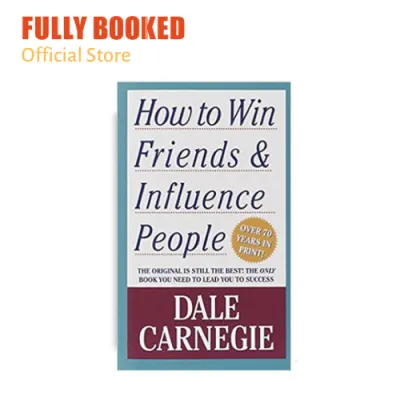
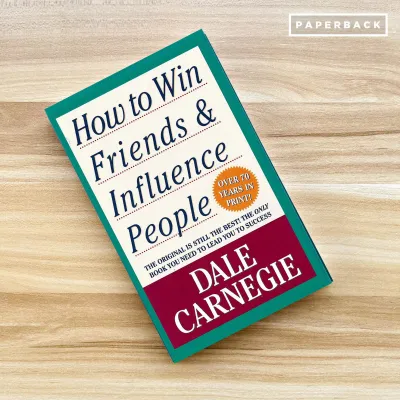
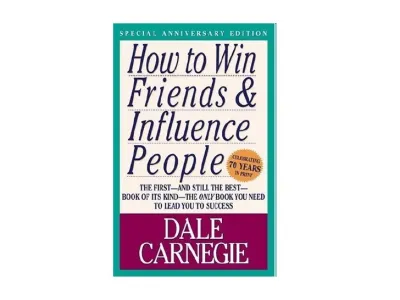

![HOW TO WIN FRIENDS AND INFLUENCE PEOPLE [AUTHENTIC]](https://img.lazcdn.com/g/ff/kf/S9a1ce2e6cf114178bf8ef14f03331c21f.jpg_400x400q80.jpg_.webp)
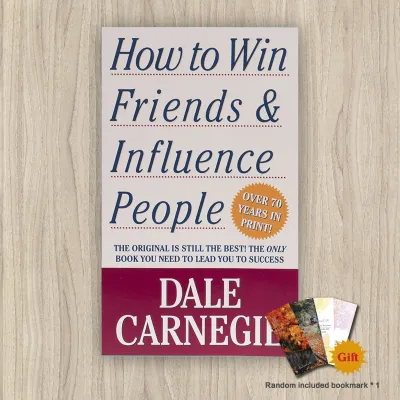
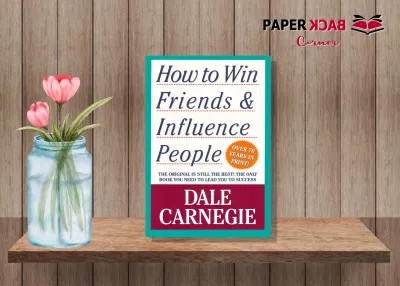
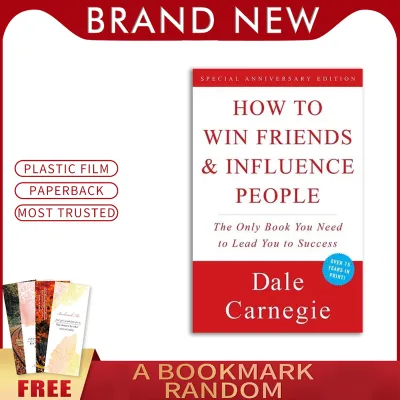
Prices are valid at publication and may change. Please refer to the product page for the latest price.
Workplace dynamics also vary significantly across different regions and industries. A strategy designed for a flat corporate structure in a Western tech startup might not translate smoothly to a traditional local enterprise or a fast-paced business process outsourcing center. Local professional environments often value indirect communication, respect for hierarchy, and collective consensus. As you read, look for advice that can be adjusted to respect these professional norms while still allowing you to advocate for your career advancement and personal well-being.
The rise of freelancing, remote work, and the gig economy has further changed how readers approach productivity and career growth. If you are managing cross-border clients or navigating a flexible work setup, your challenges are distinct from those of traditional office workers. Books that address digital collaboration, self-regulation, and cross-cultural communication are highly valuable, provided they offer strategies that remain practical despite local infrastructure limitations, such as variable internet speeds or power interruptions.
Finally, consider the author’s background and the socio-economic context of their advice. A productivity system that relies on expensive digital subscriptions, high-end gadgets, or seamless public transit may feel frustrating rather than helpful if your daily routine involves a long commute in Metro Manila or limited access to specific tools. Prioritize authors who focus on fundamental behavioral changes, resourcefulness, and adaptable frameworks that can be implemented regardless of your budget or location.
Essential Categories for Personal and Professional Growth
Personal development is a broad field, and categorizing your reading goals helps you target specific areas of your life more effectively. By focusing on distinct themes, you can systematically address your immediate challenges, whether you want to improve your career prospects, manage your finances, or build better daily routines.

Communication and Interpersonal Influence
Building strong relationships is a cornerstone of personal and professional success, especially in a culture that highly values connection and mutual support. When selecting books in this category, look for foundational texts that explain the core principles of human relations and social dynamics. Classic concepts on how to win and influence others in professional environments remain highly relevant, but they require careful application to ensure they align with local expectations of politeness and respect.
Effective communication in a local context often requires a delicate balance between assertiveness and diplomacy. Strategies that advocate for direct, blunt confrontation can sometimes backfire in environments where preserving face and maintaining social harmony are prioritized. Seek out books that offer actionable dialogue frameworks, teaching you how to express your ideas clearly, negotiate constructively, and handle disagreements without causing unnecessary friction or alienating your peers.
Financial Literacy and Wealth Building
Managing money effectively requires resources that speak to your actual economic environment. Many international personal finance bestsellers focus heavily on investment vehicles, tax structures, and retirement accounts that are specific to foreign countries. When exploring this category, look for books that explain universal principles of budgeting, saving, and investing, while translating those concepts into locally accessible options like government-backed savings programs, local mutual funds, or cooperative investments.
Practical financial literature should also address the unique social pressures that affect personal budgeting in the country. For instance, many professionals navigate the financial expectations of supporting extended family members while trying to secure their own financial future. Choose guides that offer realistic advice on managing debt, setting financial boundaries with loved ones, and building long-term wealth without relying on speculative schemes or promises of rapid, effortless returns.
Habit Formation and Daily Productivity
Sustainable personal growth relies on the small, consistent actions you take every day rather than occasional bursts of motivation. When choosing books on productivity, look for evidence-based guides that explain the psychological mechanisms behind habit formation, such as the relationship between cues, routines, and rewards. These structural insights are far more valuable than purely motivational texts, as they provide a blueprint for redesigning your daily environment to support your goals.
It is also important to select productivity frameworks that can survive the realities of daily life, including long commutes and unpredictable schedules. A rigid time-blocking system might fail if your transit time varies daily, but a flexible system based on task prioritization or energy management can help you stay productive. Look for books that offer adaptable planning methods, allowing you to make steady progress on your personal projects even when your daily routine is disrupted.
Navigating Local Authors vs. International Bestsellers
When building your reading list, you will likely choose between globally recognized international bestsellers and books written by local authors. Both sources offer distinct advantages, and a balanced approach often yields the best results. International bestsellers frequently draw on extensive scientific research, global case studies, and highly refined methodologies that provide a broad, high-level understanding of human behavior and professional excellence.
On the other hand, local authors provide invaluable context that foreign writers cannot replicate. They understand the specific cultural nuances, economic challenges, and emotional touchpoints that shape the daily lives of readers in the Philippines. A local perspective can offer highly practical advice on navigating local business practices, managing family dynamics, and overcoming specific regional challenges, making the lessons immediately applicable to your situation.
Before purchasing, it is also wise to check the publication and revision dates of the books you are considering. The landscape of work, technology, and finance changes rapidly, and advice that was highly relevant a decade ago may need adjustment today. Ensuring that your reading material reflects contemporary digital tools, economic conditions, and workplace trends will help you avoid outdated strategies.
Additionally, consider the availability of formats for different titles. While major international releases are typically available in physical print, digital e-books, and audiobooks, some local publications may have more limited distribution channels. Verifying that a book is available in your preferred format—whether you enjoy holding a physical copy, reading on a digital screen, or listening during your commute—will help you maintain a consistent reading habit.
Where to Buy and How to Verify Authentic Books
Sourcing genuine copies of your chosen books is crucial for ensuring a high-quality reading experience and supporting the authors who write them. To avoid counterfeit editions, make your purchases from established physical bookstores or verified official stores on major online marketplaces. When shopping online, look for official platform badges, authorized distributor labels, and positive customer reviews that confirm the authenticity of the seller.
Counterfeit books are prevalent in the local market and are often sold at suspiciously low prices. You can spot these unauthorized reprints by carefully examining the physical characteristics of the book. Fake copies often feature blurry or low-resolution cover art, thin or highly acidic grey paper, uneven margins, and poorly printed text that can strain your eyes. Genuine editions, by contrast, have crisp typography, sturdy binding, and standard paper weights that hold up well over time.
Price is another reliable indicator of authenticity. If a popular self-help title is listed online for ₱100 to ₱150, while major bookstores retail the same title for ₱500 to ₱900, the low-priced listing is almost certainly a counterfeit copy. While saving money is appealing, purchasing pirated books often results in missing pages, formatting errors, and a poor reading experience that hinders your ability to study and apply the material effectively.
By investing in authentic copies, you ensure that you receive the complete, accurate text as intended by the author and publisher. Genuine books also retain their value better, allowing you to build a durable personal library that you can reference for years to come or share with others who are on their own personal development journeys.
Frequently Asked Questions (FAQ)
How do I know if a translated self-help book is accurate?
To evaluate the quality of a translated self-help book, start by researching the credentials of the translator or the reputation of the publishing house responsible for the edition. Reading a few sample pages can help you determine if the phrasing flows naturally in the target language or if it feels stiff and literal. If you are bilingual, you can compare key terminology and core concepts with the original English version to ensure that the author’s original intent, tone, and psychological frameworks have been preserved accurately without losing their meaning in translation.
Are audiobooks as effective as physical copies for personal development?
The effectiveness of audiobooks compared to physical copies depends largely on your learning style and daily routine. Audiobooks are highly convenient for multitasking, allowing you to absorb personal development concepts during long commutes, exercise, or household chores. However, physical books or digital e-books are often better suited for deep study, as they allow you to easily highlight key passages, take notes, and reread complex sections at your own pace. Many readers find that combining both formats—using audiobooks for initial exposure and physical copies for active study—provides the most balanced approach to learning.

Community discussion
Share your experience or ask a question. Comments are reviewed before publication.