
If you are starting your drumming journey in the Philippines, a high-quality drums practice pad is the single most important investment you can make. While a full acoustic drum kit is loud, bulky, and expensive, a practice pad offers a quiet, portable, and highly effective way to build your fundamental skills. It allows you to practice rudiments, develop stick control, and build muscle memory at any hour of the day without disturbing your family or neighbors.
For absolute beginners, a double-sided gum rubber pad measuring between 8 to 12 inches is generally the most practical choice. This style of pad closely mimics the natural rebound of a real snare drum while keeping noise to a minimum. By focusing your early practice sessions on a dedicated pad, you can master stick work and hand coordination in a controlled, low-volume environment before transitioning to a larger, more complex acoustic or electronic drum kit.
Why a Practice Pad is Essential for Beginner Drummers
Learning to play the drums requires a high degree of physical coordination, muscle memory, and precise control over how your sticks rebound off a surface. When you sit down at a full drum kit for the first time, the sheer volume and sensory feedback can be overwhelming. A practice pad strips away these distractions, allowing you to focus entirely on your physical technique, grip, and timing.
Products mentioned in this guide
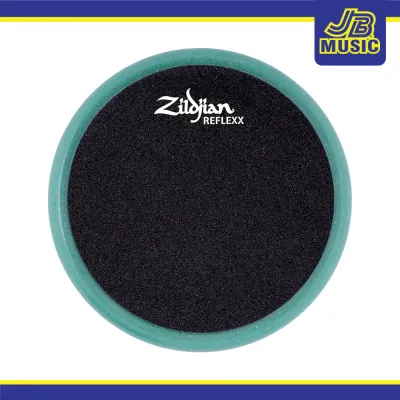
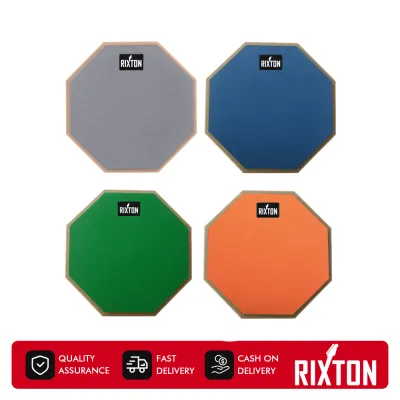
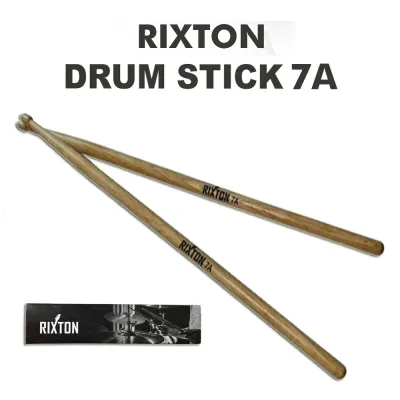
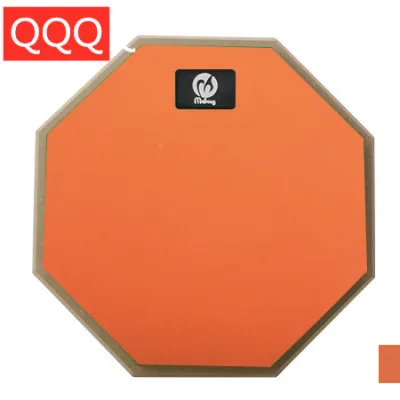
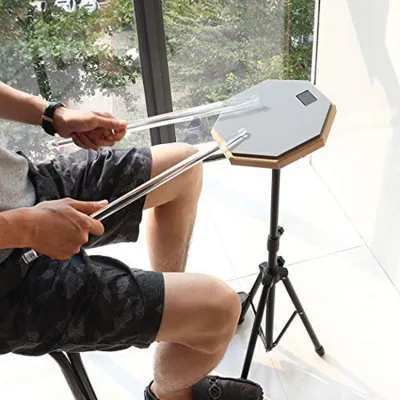
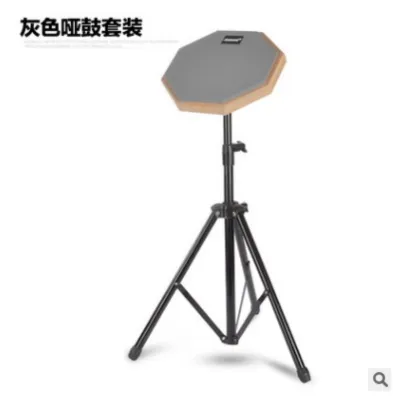
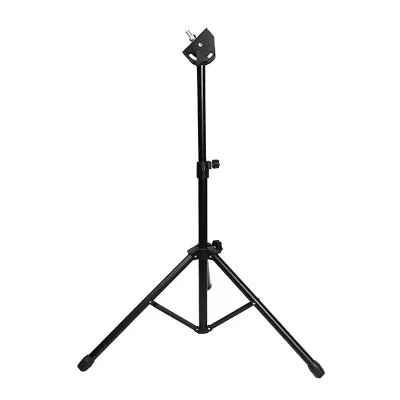
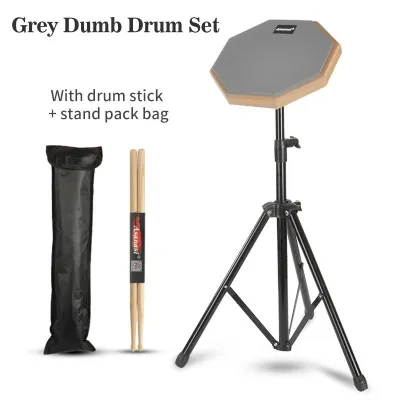
Prices are valid at publication and may change. Please refer to the product page for the latest price.
Developing proper muscle memory is the foundation of good drumming. A practice pad provides a consistent, predictable surface that helps you understand how a drumstick reacts to your hand movements. You will learn to control the rebound, manage your finger grip, and execute basic rudiments like single strokes, double strokes, and paradiddles. Because the pad does not produce the loud, sustained resonance of an acoustic drum, you can hear the exact micro-timings of your strikes, making it much easier to identify and correct uneven playing.
In the Philippines, where many families live in close proximity within subdivisions, apartments, or high-rise condominiums, noise control is a major consideration. An acoustic drum kit can easily register over 110 decibels, which is loud enough to cause immediate household conflicts and municipal noise complaints. A practice pad reduces this volume to a dull, low-level thud. This acoustic benefit means you can practice late at night or early in the morning, fitting your learning schedule around school or work commitments without causing friction in shared living spaces.
Furthermore, starting on a pad is highly cost-effective. High-quality drum kits require a significant financial investment, regular maintenance, and a large dedicated space. A practice pad is highly affordable, fits easily onto a desk or your lap, and can be stored in a drawer when not in use. This low barrier to entry allows you to confirm your commitment to the instrument before investing in a full-sized drum set.
Key Features to Evaluate Before Buying
To find the right drums practice pad, you need to understand how different design elements affect your practice sessions. Evaluating these physical characteristics will help you choose a pad that matches your living space, budget, and long-term learning goals.

Surface Material and Rebound
The material on the striking surface determines how the pad feels when you hit it. Gum rubber is the most popular choice for beginners because it offers a high level of rebound, closely simulating the bouncy feel of a tuned snare drum. This high rebound helps you practice stick control without straining your wrists, making it excellent for long practice sessions.
Silicone surfaces are another common option, often offering a slightly softer feel and a quieter strike. Silicone tends to be highly durable and resistant to temperature changes, though it may offer slightly less rebound than natural gum rubber.
Neoprene and hard plastic surfaces are typically found on the reverse side of dual-surface pads or on specialized heavy-duty pads. Neoprene provides very little rebound, forcing your wrists and fingers to do all the work to lift the stick. While this is excellent for building muscle strength and endurance, it can cause joint fatigue if used excessively by absolute beginners who have not yet developed proper grip technique.
Size and Playing Area
Practice pads generally range from 6 inches to 12 inches in diameter. A 6-inch pad is highly portable, lightweight, and easy to slip into a backpack. However, because the target area is small, you must maintain precise physical alignment to hit the center consistently.
An 8-inch pad offers a balanced middle ground, providing a decent playing area while remaining easy to travel with.
A 12-inch pad is the standard size for serious home practice. It is designed to fit perfectly inside the rim of a standard 14-inch snare drum or onto a standard snare drum stand. The larger surface area allows you to practice wide stick movements and simulate the physical layout of a real snare drum, though it is heavier and less convenient for travel.
Noise Reduction and Base Construction
While all practice pads are significantly quieter than real drums, their actual volume depends heavily on the base material. Most pads feature a wooden base, typically made of medium-density fiberboard (MDF) or birch plywood. The wood provides a solid, rigid foundation that prevents the pad from flexing, which helps maintain a consistent rebound.
To reduce noise, manufacturers often attach a layer of high-density foam or non-slip rubber to the bottom of the wood base. This dampening layer absorbs the vibrations created by your stick strikes, preventing the sound from transferring directly into the table, desk, or stand beneath the pad. If you live in a multi-story apartment building, a pad with a thick foam backing is essential to prevent low-frequency vibrations from traveling through the floor to the neighbors below.
Mounting and Compatibility
How you plan to position your pad during practice is an important logistical detail. Many smaller pads (6-inch and 8-inch models) feature a threaded insert on the underside, typically measuring 8mm. This thread allows you to screw the pad directly onto a lightweight cymbal stand or a dedicated practice pad stand.
Larger 12-inch pads rarely have these threaded inserts because they are designed to be placed directly on top of a snare drum stand. Before purchasing, check the underside specifications of the pad to ensure it is compatible with the mounting system or stand you plan to use. If you do not own a stand, look for pads with non-slip rubber backings that can sit securely on a flat table or desk without sliding around while you play.
Recommended Practice Pad Types for Beginners
When shopping for a drums practice pad in the Philippines, you will find three main categories designed to suit different practice styles, budgets, and space constraints. To ensure you receive a genuine product with reliable customer support, always purchase through authorized local music stores or reputable online instrument retailers.
Double-Sided Pads for Versatile Rebound Training
Double-sided pads are an exceptional value for beginners because they offer two distinct playing surfaces on a single wooden base. Typically, one side features soft gum rubber designed to provide maximum rebound and low noise, which is ideal for practicing speed, precision, and basic rudiments.
Flipping the pad over reveals a harder, denser surface made of recycled rubber, neoprene, or hard plastic. This harder side offers significantly less rebound, simulating the feel of a high-tension marching snare or a floor tom. Practicing on this firmer surface forces you to actively lift the drumsticks using your wrist and finger muscles, which builds strength, endurance, and control.
While double-sided pads offer incredible training versatility, they do have a physical limitation. Because both sides are covered in active playing surfaces, these pads generally lack threaded mounting inserts on the bottom. To use them comfortably, you must place them on a flat table, rest them on your lap, or secure them within the basket of a standard snare drum stand.
Integrated Stand Combos for Ergonomic Practice
For beginners who want to establish proper physical habits from day one, an integrated pad-and-stand combo is highly recommended. These packages pair a single-sided or double-sided practice pad with a matching, adjustable metal stand.
The primary advantage of using a dedicated stand is ergonomic. It allows you to adjust the pad to the exact height and angle that matches your physical build, whether you are sitting on a drum throne or a standard chair. Practicing at the correct height prevents you from hunching your shoulders or straining your wrists, reducing the risk of developing chronic physical tension or repetitive strain injuries.
Many of these stands feature collapsible tripod bases, making them highly space-saving. You can easily fold the stand down and slide it under a bed or behind a wardrobe, which is a massive benefit for compact bedrooms or shared boarding houses. When choosing a combo, verify the stability and build quality of the stand. A sturdy double-braced base will prevent the pad from wobbling or tipping over when you practice high-energy rudiments or heavy accents.
Compact Travel Pads for On-the-Go Rudiments
If you are a student, a working professional, or someone who travels frequently, a compact travel pad is an invaluable tool. These pads are typically very small, measuring between 4 and 6 inches in diameter, and are designed specifically for maximum portability.
A travel pad is incredibly lightweight and can easily slide into a school bag, laptop sleeve, or carry-on luggage. Some models even feature a strap that buckles directly around your thigh, allowing you to practice your rudiments while sitting in a car, waiting in a lounge, or relaxing in a park.
The obvious trade-off with a travel pad is the highly restricted striking area. Because the surface is so small, you must have excellent spatial awareness and precise hand placement to avoid hitting the plastic or wooden rim. For this reason, a compact travel pad is best used as a secondary, highly portable training tool rather than your primary daily practice station. For your main home practice setup, a larger 8-inch or 12-inch pad is much better suited for developing consistent, relaxed physical form.
How to Maintain Your Practice Pad in a Humid Climate
The tropical climate of the Philippines presents unique challenges for maintaining musical instruments and accessories. High relative humidity, intense summer heat, and sudden temperature shifts can cause the materials in your practice pad to degrade prematurely if they are not cared for properly. By establishing a simple maintenance routine, you can keep your pad performing like new for years.
Preventing Stickiness and Material Degradation
Natural gum rubber is highly sensitive to environmental factors. When exposed to high humidity and warm ambient temperatures over extended periods, the chemical bonds in the rubber can begin to break down. This degradation often manifests as a sticky, tacky residue on the playing surface that attracts dust, lint, and wood fibers from your drumsticks.
To prevent this, avoid leaving your practice pad in hot, enclosed spaces, such as inside a parked car under the sun or in an unventilated attic room. If you practice in a room without air conditioning, the natural oils and sweat from your hands can accelerate this breakdown, making regular cleaning essential.
Establishing a Safe Cleaning Routine
Sweat, skin oils, and wood dust from your drumsticks will naturally accumulate on the pad’s surface during practice. If left untreated, this mixture can harden into a slick grime that reduces the grip and changes the rebound characteristics of the pad.
To clean your pad, use a soft, lint-free microfiber cloth that has been slightly dampened with clean water. Gently wipe the surface in circular motions to lift away dirt and oils. Never submerge the pad in water, as moisture can seep into the wooden base, causing the wood to swell, warp, or delaminate from the rubber surface.
Additionally, avoid using harsh chemical solvents, alcohol-based cleaners, or abrasive dish soaps. These chemicals can strip the protective oils from natural rubber, causing it to dry out, become brittle, and eventually crack.
Storage Best Practices
Proper storage is your best defense against climate-related damage. When you are finished practicing, store your pad in a cool, dry drawer, a dedicated instrument bag, or a shelf away from direct sunlight. Prolonged exposure to ultraviolet (UV) rays from sunlight will fade the color of the rubber and accelerate dry rot.
If you practice in an air-conditioned room, avoid placing the pad directly in front of the cold air vents. The constant cycle of freezing cold air followed by hot, humid air when the unit is turned off can cause rapid expansion and contraction of the materials. This thermal stress can weaken the adhesive glue holding the rubber playing surface to the wooden base, leading to air bubbles and uneven rebound.
Restoring the Surface
If your gum rubber pad begins to feel slightly sticky or has lost its smooth, matte finish, always consult the manufacturer’s care instructions first. If the care label permits, you can apply a very light dusting of unscented talcum powder or cornstarch to the dry rubber surface.
Rub the powder gently across the pad with a clean cloth, then wipe away any excess. This simple step absorbs residual surface oils and restores a smooth, non-tacky glide, allowing your drumsticks to rebound cleanly without catching.
Frequently Asked Questions (FAQ)
Can I learn full drum kit beats on a single practice pad?
While a single practice pad is an exceptional tool for developing hand technique, wrist strength, timing, and rudiments, it cannot fully replicate the experience of playing a complete drum kit. A full drum set requires four-way coordination, where your hands play different surfaces (like the snare, hi-hat, and cymbals) while your feet control the bass drum and hi-hat pedals.
You can, however, practice basic hand patterns on a pad while tapping your feet on the floor to simulate kit coordination. Once you have established solid hand control and timing on your pad, transitioning to a full acoustic or electronic drum kit will be much smoother and more intuitive.
What is the ideal height for a practice pad stand?
The ideal height for your practice pad depends on whether you are practicing while standing or sitting. As a general rule of thumb, the top of the practice pad should sit roughly level with your belt buckle or waistline when you are standing, or slightly above your thighs when you are seated.
To verify your setup, sit or stand with your shoulders completely relaxed and your upper arms hanging naturally at your sides. Bend your elbows so that your forearms are parallel to the floor or angled slightly downward. Your drumsticks should rest naturally on the center of the pad, with your elbows forming an angle of approximately 90 to 100 degrees. This ergonomic positioning prevents physical strain and allows for maximum stick control.
Will a practice pad damage my drumsticks?
No, practicing on a high-quality rubber, silicone, or neoprene practice pad will not damage your wooden drumsticks. In fact, a practice pad is much gentler on your sticks than a real drum kit.
On an acoustic kit, sticks are subjected to sharp metal rims and thin, hard cymbal edges, which quickly chip, splinter, and wear down the wood. The soft, shock-absorbing surface of a practice pad cushions the impact of your strikes, significantly extending the lifespan of your drumsticks. Just ensure your sticks are clean and free of splinters before practicing to avoid tearing the pad’s surface.
Community discussion
Share your experience or ask a question. Comments are reviewed before publication.