
Starting your career in the Philippines is an exciting milestone, but it often comes with a steep learning curve when managing your first salary. Between navigating daily commutes, paying for utilities, and contributing to household expenses, young professionals frequently find themselves living paycheck to paycheck. While traditional financial advice often focuses solely on extreme deprivation and cutting out every minor luxury, true financial independence lies in mastering the art of spending money intentionally. By learning how to allocate your hard-earned pesos toward things that bring genuine value and long-term security, you can build a sustainable financial foundation without feeling constantly deprived.
The right personal finance books serve as invaluable mentors on this journey, offering structured wisdom that self-directed online searches rarely provide. However, not all financial literature is created equal, especially when applied to the unique economic landscape of the Philippines. A book that assumes you have access to foreign retirement accounts or a low-inflation environment can leave you feeling more confused than empowered. To make the most of your reading list, you must learn how to identify, evaluate, and apply the principles that align with your personal goals and local financial realities.
How to Choose the Right Finance Book for Your Journey
Selecting a personal finance book is an investment of both your time and money, making it essential to choose titles that offer practical, actionable guidance. For young Filipino earners, a good beginner-friendly book should feature clear, jargon-free language that demystifies complex economic concepts. It should avoid dry, academic theories and instead focus on relatable, real-world scenarios, such as managing an entry-level salary, handling family financial expectations, or planning for major life milestones.
Products mentioned in this guide
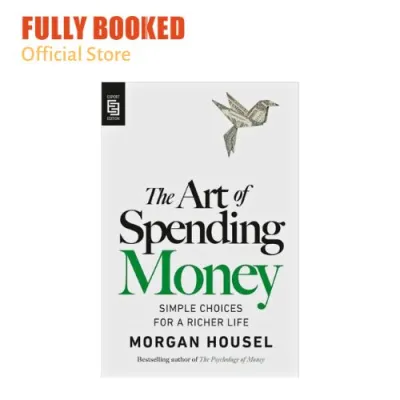
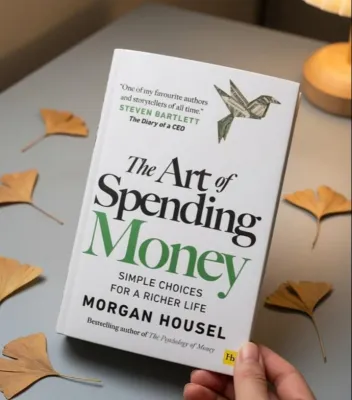

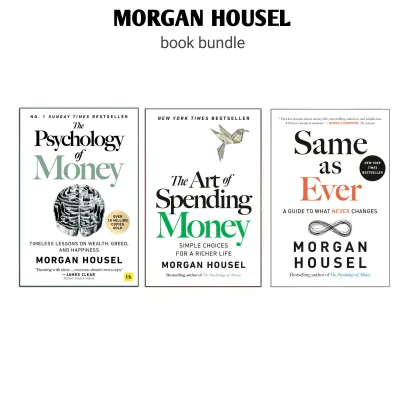
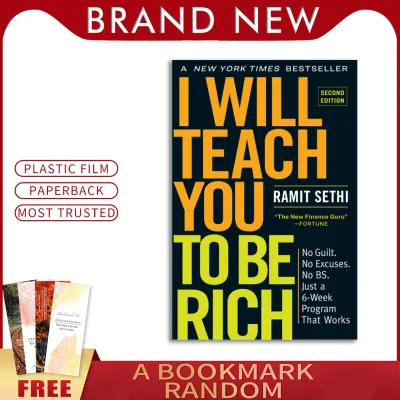
Prices are valid at publication and may change. Please refer to the product page for the latest price.
Local relevance is another critical factor to consider when building your reading list. While universal principles of saving and investing apply globally, the mechanics of wealth building are highly dependent on local systems. Books that acknowledge Philippine financial realities—such as local tax structures, mandatory government contributions (SSS, PhilHealth, and Pag-IBIG), and local investment vehicles—provide a much smoother learning curve. They save you the trouble of translating foreign financial jargon into terms that apply to your actual bank account.
Furthermore, the book you choose should align with a balanced philosophy of wealth. Rather than promoting guilt-driven extreme frugality, look for authors who teach the art of spending money through value-based, conscious spending. This approach encourages you to identify what truly matters to you, whether that is investing in further education, securing your health, or enjoying meaningful experiences with loved ones, while systematically cutting back on mindless expenses that do not contribute to your long-term well-being.
Before purchasing any finance book, it is wise to run through a quick evaluation checklist to ensure it meets your needs:
- Verify the Publication Date: Financial laws, digital banking options, and investment regulations change rapidly. Ensure the book or its latest edition was published recently enough to reflect current economic realities.
- Review the Table of Contents: Look for specific chapters dedicated to budgeting frameworks, debt management, and local investment options to ensure comprehensive coverage.
- Gauge the Author's Tone: Read a sample chapter or introduction. The tone should be encouraging, practical, and non-judgmental, making it easier for you to stay engaged and motivated.
- Confirm Edition and Format: Ensure you are purchasing a complete, authorized edition. Check whether the print quality, font size, or digital file format is compatible with your reading preferences.
Top Book Categories for Mastering the Art of Spending Money
To build a well-rounded understanding of personal finance, it is helpful to explore books across different categories. Each category addresses a distinct aspect of your financial life, from the psychological triggers behind your spending habits to the practical mechanics of growing your wealth within the local economy.

Psychology of Money and Mindset Shifts
Before you can successfully implement a budgeting spreadsheet or open an investment account, you must address the emotional and behavioral patterns that drive your financial decisions. Many young professionals struggle with money not because they lack mathematical skills, but because they are trapped in counterproductive mindsets. For instance, the common cycle of “petsa de peligro”—the stressful days leading up to payday where funds run critically low—is often as much a behavioral issue as it is an income issue.
When evaluating books in this category, look for titles that address lifestyle creep, which is the tendency to increase your spending as your income rises. It is incredibly common to celebrate a first promotion or a salary increase by upgrading your phone, dining out more frequently, or taking on new subscription services, only to find that you are saving no more than you did on an entry-level salary. A good behavioral finance book will help you recognize these patterns and shift your focus toward building long-term security rather than accumulating temporary status symbols.
For young Filipinos, it is also vital to find books that help navigate unique cultural and familial financial dynamics. The expectation to contribute to the household, support extended family members, or fund siblings’ education—often referred to as a cultural financial obligation—can place a heavy burden on young earners. Look for authors who offer compassionate, practical advice on how to set healthy financial boundaries with family while still honoring your cultural values and personal responsibilities.
While reading globally recognized behavioral finance concepts, such as loss aversion or mental accounting, always filter these ideas through your own cultural reality. A universal concept like “delayed gratification” looks very different when you are balancing personal savings goals with the immediate, pressing needs of a household. The goal is to find books that help you understand why you spend, enabling you to make conscious choices that support both your loved ones and your future self.
Practical Budgeting and the Art of Spending Money
Once you have established a healthy financial mindset, the next step is to master the mechanics of cash flow management. The best budgeting books do not demand that you track every single centavo to the point of exhaustion; instead, they offer flexible frameworks that help you manage your money without feeling deprived.
Look for books that explain structured budgeting systems, such as:
- The 50/30/20 Rule: Allocating 50% of your income to needs, 30% to wants, and 20% to savings and debt repayment.
- Zero-Based Budgeting: Assigning every single peso a specific job at the start of the month so that your income minus your expenses equals zero.
- Reverse Budgeting: Automatically dedicating a set percentage of your income to savings as soon as you get paid, and freely spending the remainder.
When reading about these frameworks, consider how they must be adapted to the local cost of living. For a young professional living and working in high-cost urban centers like Metro Manila, allocating only 50% of an entry-level salary to “needs” can be incredibly difficult due to high rent, utilities, and transportation costs. A practical book will guide you on how to adjust these percentages realistically—perhaps starting with a 70/20/10 split—and gradually shifting toward your ideal ratio as your income grows.
Ultimately, these budgeting systems should teach you the true art of spending money. Rather than viewing a budget as a financial straightjacket, you should learn to see it as a tool that grants you permission to spend guilt-free on the things that truly enrich your life. By automating your savings and covering your essential bills first, you can enjoy your hobbies, dining out, or travel, knowing that your financial future is fully secure.
Local Investing and Wealth Building
Saving money is an excellent starting point, but inflation can erode the purchasing power of your cash over time. To build true, long-term wealth, you must transition from being a saver to becoming an investor. However, this is where international finance books often require the most translation, as their investment advice is typically tailored to their country of origin.
For example, popular foreign-authored books frequently recommend investing in specific retirement plans or low-cost index funds that are not directly accessible to residents of the Philippines. When reading these guides, you must learn to map these concepts to their local equivalents. A recommendation to utilize a tax-advantaged retirement account should lead you to explore the Personal Equity and Retirement Account (PERA) or the Pag-IBIG MP2 program, both of which offer tax benefits and competitive yields within the Philippine financial system.
When selecting books on investing, prioritize those written by reputable local financial educators or localized editions of international bestsellers. These resources will guide you through the actual steps of opening a local brokerage account, understanding the Philippine Stock Exchange (PSE), and evaluating local mutual funds or Unit Investment Trust Funds (UITFs). They will also help you understand the risks and benefits of emerging local financial products, such as high-yield digital bank accounts and local cooperative investments.
Always verify the publication year or edition of any investing book you read. Local tax laws, such as capital gains taxes or corporate tax reforms, can significantly impact investment returns. Ensuring that the book’s advice reflects the current regulatory environment will protect you from making costly mistakes based on outdated information.
How to Read and Apply Finance Books Effectively
Acquiring a collection of personal finance books is only the first step; the real value lies in how you apply that knowledge to your daily life. To avoid passive reading—where you finish a book but make no actual changes to your behavior—you must adopt active reading strategies.
Keep a dedicated notebook or digital document open while you read. Highlight key concepts, write down your personal reflections, and most importantly, translate each chapter’s advice into a concrete action item. For instance, if a chapter discusses the importance of an emergency fund, your immediate action item should be to calculate your basic monthly living expenses and set a target savings goal of three to six months’ worth of expenses.
It is also highly beneficial to cross-reference the advice you read with official, up-to-date local financial literacy resources. The Bangko Sentral ng Pilipinas (BSP) and the Securities and Exchange Commission (SEC) regularly publish educational materials, consumer guides, and public advisories. If a book recommends a specific type of investment or financial service, checking these official government portals ensures the product is legitimate, regulated, and safe from fraudulent schemes.
To prevent feeling overwhelmed by the sheer volume of financial advice, commit to starting small. Trying to overhaul your budget, pay off all your debts, and build an investment portfolio all in the same week is a recipe for burnout. Instead, focus on implementing just one new habit or rule at a time. You might start by simply tracking your expenses for a single month, or setting up an automatic transfer of ₱500 from your payroll account to a high-yield digital savings account every payday. Once that habit becomes second nature, you can confidently take the next step on your financial journey.
Where to Buy and Verify Authentic Books in the Philippines
As personal finance books grow in popularity among young Filipinos, the market has seen a rise in unauthorized and pirated copies, particularly on online marketplaces and general e-commerce platforms. Buying pirated books not only deprives authors and publishers of their rightful earnings, but it also frequently results in a poor reading experience, featuring missing pages, blurred text, misaligned print, and low-quality paper that deteriorates quickly in high-humidity tropical climates.
To guarantee you are purchasing an authentic, complete edition, always prioritize authorized local bookstores and their official online storefronts. Established retailers source their inventory directly from publishers, ensuring that the content is complete, accurate, and printed on durable materials.
If you choose to shop on general online marketplaces, use the following verification guide to protect yourself from counterfeit editions:
- Check for Official Badges: Look for "Mall," "Preferred," or "Authorized Dealer" tags on the seller's profile, which indicate a verified business entity.
- Examine the Price: If an international bestseller that typically retails for ₱700 to ₱1,000 is being sold for ₱150 to ₱200, it is almost certainly a pirated copy.
- Read Customer Reviews: Look closely at user-uploaded photos in the review section. Pirated books often have thin, greyish paper, uneven margins, and poorly glued bindings that are easily visible in customer photos.
- Inquire About the Publisher: Authentic copies will clearly state the publisher's details (such as Penguin Random House, HarperCollins, or local publishers like Anvil Publishing) on the copyright page.
If you are on a tight budget, there are several legal, affordable alternatives to buying brand-new physical books. Digital formats, such as e-books and audiobooks purchased through official platforms, are often priced lower than paperbacks and do not require physical storage space. You can also explore local library resources, university libraries, or verified second-hand book exchanges where readers trade authentic, pre-loved copies. This ensures you receive the complete, unaltered text while supporting a sustainable reading culture.
Frequently Asked Questions (FAQ)
Are international finance books useful for Filipinos?
Yes, international finance books are incredibly valuable for establishing foundational mindsets, understanding universal spending psychology, and learning general wealth-building principles. Concepts like compound interest, the importance of living below your means, and behavioral biases are universal and apply regardless of where you live. However, you must be prepared to actively translate specific advice regarding taxes, retirement accounts, and investment products to the Philippine context, as foreign-specific vehicles will not be directly available to you.
Should I prioritize books written by Filipino authors?
For absolute beginners, prioritizing books written by Filipino authors is highly recommended. Local authors understand the specific economic challenges, cultural expectations, and financial systems of the Philippines, allowing them to provide immediate, highly practical advice on local banks, government programs, and cultural habits. Once you have a firm grasp of these local basics, reading international authors is excellent for broadening your perspective on global market trends, advanced investment strategies, and behavioral economics.
How do I adapt foreign financial advice to the Philippine context?
To adapt foreign financial advice, focus on the underlying principle rather than the specific product mentioned. If a book advises investing in a foreign index fund through a specific retirement account, translate that to investing in a local equity index fund or a global feeder fund through a Philippine brokerage or a PERA account. If a book recommends building an emergency fund in a high-yield savings account, look for regulated digital banks operating in the Philippines that offer competitive interest rates. When in doubt, consult local financial forums or a certified local financial planner to find the closest domestic equivalent to any foreign financial tool.

Community discussion
Share your experience or ask a question. Comments are reviewed before publication.