
Selecting the right Peppa Pig books for toddlers aged 2 to 4 requires balancing physical durability with your child’s rapidly evolving cognitive and motor skills. At this developmental stage, children transition from sensory exploration to structured storytelling. Matching the book’s physical format and narrative complexity to your toddler’s specific age ensures that reading remains an engaging, frustration-free experience. By focusing on sturdy construction for younger toddlers and relatable daily routines for older children, you can build a home library that supports early literacy and stands up to daily wear.
Key Book Formats for Toddlers Aged 2 to 4
Understanding the physical differences between book formats is the first step in choosing the right reading material. Toddlers interact with books physically, often testing their durability through gripping, bending, and sometimes chewing. Selecting a format that matches your child’s current motor skills prevents damaged pages and keeps reading sessions positive.
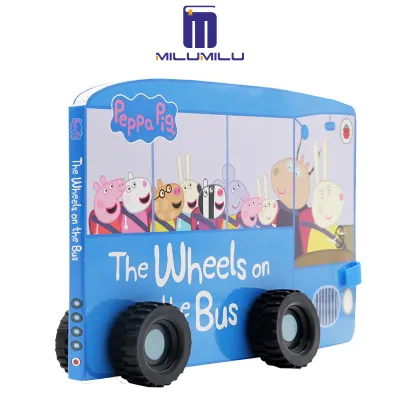
Board books are the standard choice for 2-year-olds who are still developing their fine motor skills. These books feature thick, rigid cardboard pages that resist tearing, bending, and moisture. The rounded corners common in board books prevent accidental pokes, making them safe for independent handling. In warm, humid tropical climates, standard paper pages can easily absorb moisture from the air, causing them to warp or stick together over time. Board books offer excellent structural integrity under these conditions, ensuring the pages remain easy for small hands to turn.
Products mentioned in this guide
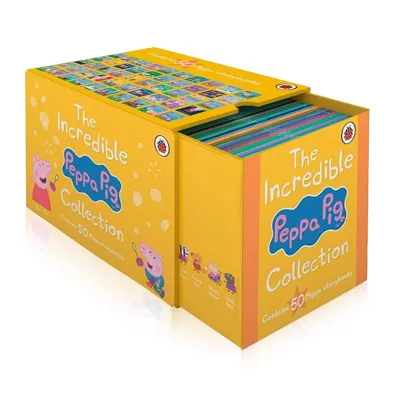
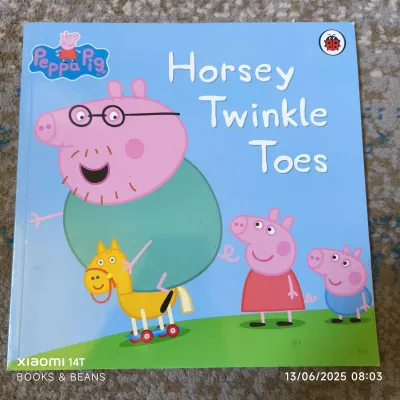
Prices are valid at publication and may change. Please refer to the product page for the latest price.
Picture books, typically available in paperback or hardcover with standard paper pages, are better suited for older toddlers aged 3 to 4. By this age, children have developed the finger dexterity required to turn thin paper pages without ripping them. Picture books often feature longer narratives, more detailed illustrations, and a wider variety of vocabulary. Transitioning to this format allows you to introduce more complex storylines that match your older toddler’s expanding attention span and curiosity.
Interactive formats, such as lift-the-flap, touch-and-feel, or sound books, provide sensory engagement that can captivate active toddlers. These books encourage active participation, allowing children to slide tabs, lift flaps to reveal hidden characters, or press buttons to hear Peppa’s signature laugh. When selecting interactive books, it is important to inspect the durability of the moving parts. Look for options with thick, reinforced flaps, as thin paper flaps can easily be torn off by an enthusiastic toddler during a high-energy reading session.
Matching Story Themes to Your Toddler's Milestones
A book becomes far more engaging when its story reflects your toddler’s daily life and developmental milestones. The Peppa Pig series excels at portraying simple, everyday scenarios that help young children make sense of the world around them. Aligning the themes of the books with your child’s current experiences can reinforce positive behaviors and ease transitions.
Routine-based stories are highly effective for younger toddlers who are learning to navigate daily schedules. Books focusing on bedtime routines, bath time, brushing teeth, or tidying up toys help establish expectations in a playful, non-threatening way. When toddlers see Peppa and George brushing their teeth or putting on their pajamas, they are more likely to view these activities as normal, positive parts of their own day. Reading these stories right before the corresponding activity can serve as a gentle transition cue.
Social and emotional themes become increasingly relevant as toddlers reach ages 3 and 4. At this stage, children begin to engage in cooperative play, which often brings new challenges like sharing toys, taking turns, and managing minor frustrations. Peppa Pig stories frequently address these social dynamics, showing characters resolving conflicts, apologizing, and expressing their feelings. Reading about Peppa sharing her toys or visiting a friend’s house provides a helpful framework for discussing social expectations before playdates or the start of preschool.
Observing your child’s current real-life interests is another excellent way to select relevant titles. If your toddler is fascinated by fire trucks, muddy puddles, or visiting the playground, look for Peppa Pig books that center on those specific topics. You can also match books to favorite episodes of the animated show, as the familiar visual cues and storylines can help bridge the gap between screen time and reading time, boosting your child’s interest in the physical book.
Essential Checks Before Purchasing Books Online
Buying books online offers convenience, but it also requires careful verification to ensure you receive high-quality, authentic editions. Because cover designs can look identical across different formats and regions, taking a few moments to review the product specifications can prevent disappointing purchases.
Verifying the language edition and regional print variations is crucial when shopping on international or local e-commerce platforms. Peppa Pig books are published worldwide, meaning you may encounter British English editions (published by Ladybird Books) or American English editions (published by Scholastic). British editions use terms like “mum,” “plaster,” “nappy,” and “petrol,” while American editions use “mom,” “band-aid,” “diaper,” and “gas.” Checking the publisher details in the product description helps you choose the vocabulary that aligns best with your household’s language preferences.
Confirming the physical format explicitly is essential because online product images can be misleading. A paperback cover can look identical to a board book cover in a thumbnail image. Always scroll down to the product details or specifications section to verify the binding type. If the listing does not clearly state “Board Book” or “Paperback,” it is wise to message the seller directly for clarification before placing your order to avoid receiving a fragile format that your younger toddler might easily damage.
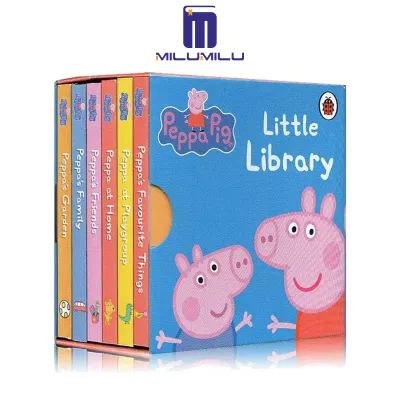
Checking the page counts and physical dimensions ensures the book is manageable for small hands. Some Peppa Pig books are designed as miniature “little library” formats, which are excellent for travel but may have text that is too small for comfortable bedtime reading. Conversely, oversized storybooks can be heavy and awkward for a 2-year-old to hold independently. Reviewing the dimensions helps you select books that fit comfortably on your child’s bookshelf and are easy for them to carry around the house.
Prioritizing authorized bookstores or official brand flags on e-commerce platforms guarantees authenticity and safety. Counterfeit children’s books are common on online marketplaces and are often printed using low-quality materials. These unauthorized prints may feature blurry text, thin paper that tears easily, and low-grade inks that emit a strong, unpleasant chemical odor. Genuine books use child-safe, non-toxic inks and high-quality paper, ensuring a safe reading environment for toddlers who still occasionally put books in their mouths.
Building a Condition-Based Peppa Pig Shortlist
Creating a thoughtful selection of books involves assessing your child’s current reading readiness and balancing your household budget. Instead of buying individual books at random, you can use a structured approach to build a collection that grows alongside your toddler.
Starting with a multi-book board box set is often the most practical choice for early exposure. These sets typically bundle four to six small board books inside a sturdy slipcase. They offer excellent durability and represent a cost-effective way to introduce the characters to a 2-year-old. The slipcase also teaches toddlers early organization skills, as they can practice sliding the books back into the box after reading. This format is highly resilient against the wear and tear of daily play.
Transitioning to single, longer storybooks should be based on observable signs of reading readiness. If your toddler can sit through a short narrative, ask questions about the pictures, and follow a simple plot from start to finish, they are likely ready for standard paperbacks. Introducing these longer stories one at a time allows you to gauge their interest without overwhelming them. It also keeps the reading experience fresh, as you can introduce new themes as their real-world experiences expand.
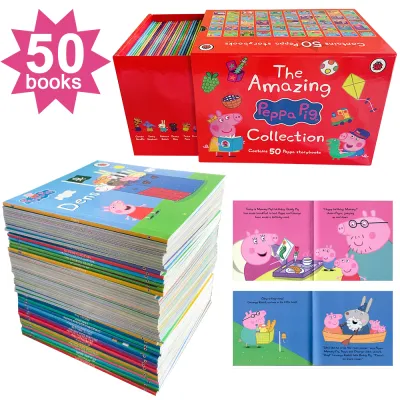
Evaluating bundle deals versus individual purchases helps you manage your budget in ₱ while considering your available storage space. Online marketplaces often offer large bundles of 10 to 20 paperback storybooks at a lower price per book compared to buying them individually. While these bundles offer great value, ensure you have dry, elevated shelf space to store them. In tropical climates, storing paper books in closed, humid areas can lead to mold or page sticking, so keeping a smaller, curated selection in active rotation may be more practical.
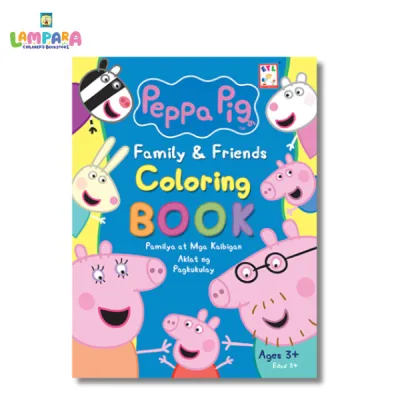
Avoiding overly complex sticker or activity books is recommended until your child has developed the necessary fine motor skills. While these books are highly appealing, toddlers under the age of 3 often lack the finger control to peel stickers without tearing them, which can lead to frustration during playtime. Stick to reading-focused formats for younger toddlers, and introduce simple coloring or sticker books closer to age 4, when they can enjoy the activities with minimal assistance.
Frequently Asked Questions (FAQ)
Are Peppa Pig books suitable for a 2-year-old's attention span?
Yes, Peppa Pig books can be highly suitable for a 2-year-old, provided you adjust your reading expectations. At this age, a child’s attention span is naturally short, so you should focus on interactive reading rather than trying to read every word on the page. Point to the colorful illustrations, ask your child to identify characters like Peppa or George, and encourage them to make animal sounds, such as snorting like a pig. Keeping the sessions brief, positive, and child-led helps build a healthy, pressure-free association with books and reading.
How can I ensure I am buying authentic Peppa Pig books in the Philippines?
To ensure you are purchasing authentic, safe editions, always look for official mall badges, verified local bookstore flags, or authorized publisher listings on your preferred e-commerce platforms. Avoid listings with unusually low prices that seem too good to be true. Additionally, take time to read customer reviews and examine buyer-uploaded photos. Look closely at the paper thickness, print clarity, and overall construction. Authentic books will have crisp, clear text, vibrant colors, sturdy binding, and will not emit any strong chemical or solvent odors.
Community discussion
Share your experience or ask a question. Comments are reviewed before publication.