
Selecting the ideal New American Bible Catholic audiobook edition in the Philippines requires balancing translation accuracy with your specific listening environment. Whether you are navigating a long daily commute in Metro Manila or gathering your family for evening devotions, the right audio edition ensures that the sacred text remains both engaging and doctrinally sound. The best choice ultimately depends on whether you need a single-narrator edition optimized for deep study or a multi-voice dramatized production designed for group engagement. Because the New American Bible is the standard translation used in many liturgical and study contexts, verifying the exact version and narration style before making a purchase prevents frustration and ensures a spiritually enriching experience.
Listening to scripture has a long history in Catholic tradition, dating back to the oral proclamation of the Word in early Christian communities. In the modern digital age, audiobooks provide a highly convenient way to integrate scripture into a busy daily routine. However, because the market is flooded with various translations and audio formats, buyers must be discerning. This guide provides a comprehensive framework to help Filipino listeners evaluate available editions, understand the differences between translations, navigate digital platforms, and select the perfect audiobook for their spiritual journey.
Understanding the Text: NAB vs. NABRE Audiobook Editions
When searching for a Catholic audiobook, the first and most critical step is to understand the distinction between the original New American Bible (NAB) and the New American Bible Revised Edition (NABRE). The NABRE, released in 2011, represents a major milestone in Catholic biblical scholarship. It features a completely revised translation of the Old Testament, incorporating modern archaeological and textual discoveries, along with a fully revised version of the Psalms. The NABRE is the current standard used for liturgical readings, personal study, and catechesis across many English-speaking Catholic communities, including those in the Philippines.
Products mentioned in this guide
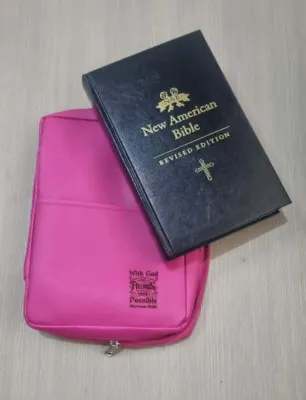
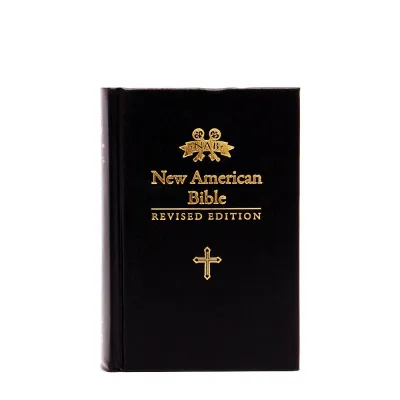
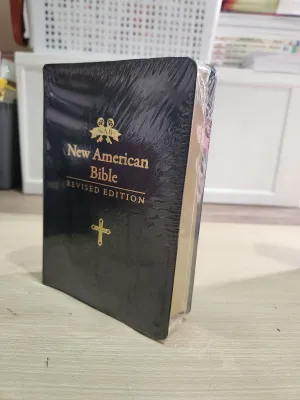

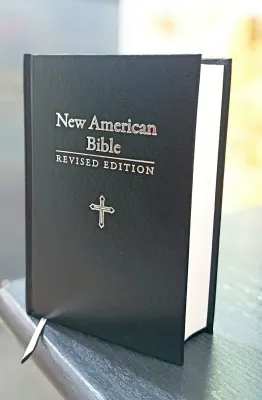
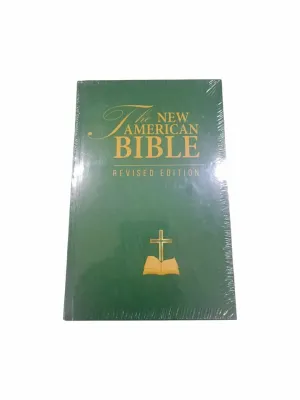
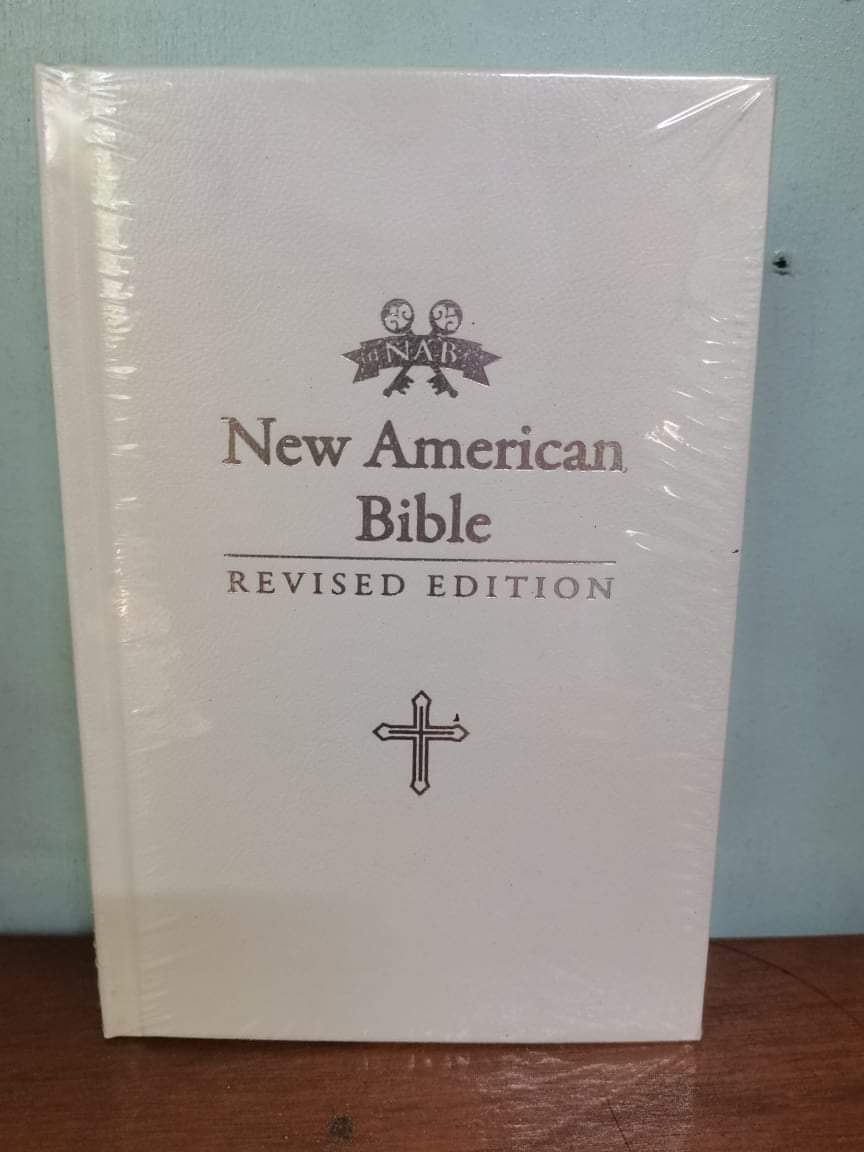
Prices are valid at publication and may change. Please refer to the product page for the latest price.
A common point of confusion for digital buyers is the inconsistent labeling of audiobooks on mainstream storefronts and streaming applications. Due to legacy database systems and automated metadata tagging, many platforms continue to use the generic label “NAB” or “New American Bible” in their titles, even when the underlying audio tracks feature the updated 2011 NABRE text. Conversely, some older recordings of the 1970 or 1991 NAB text remain in circulation, sold under misleadingly modern cover art. Relying solely on the title or the cover image can easily lead to purchasing an outdated translation that does not match the readings heard at Mass or used in modern study guides.
To ensure you are acquiring the correct and most current translation, you must perform a few quick verification steps before purchasing. Open the detailed product description on the audiobook platform and look for the specific copyright year. A copyright date of 2011 or later for the Old Testament indicates that the edition uses the NABRE translation. Additionally, check the publisher details; reputable Catholic publishers and established educational institutions are highly reliable sources that explicitly state the translation version in their product documentation.
Another key consideration is how the audiobook handles footnotes, cross-references, and introductory texts. The NABRE is famous for its extensive theological footnotes and study guides, which are essential for academic research and deep theological reflection. However, having a narrator read every single footnote, verse number, and cross-reference can severely disrupt the flow of a prayerful listening session. Some audiobooks omit these scholarly additions entirely to maintain a smooth, narrative flow, while others isolate them into separate tracks or read them in a distinct tone. Depending on whether your goal is academic study or meditative prayer (such as Lectio Divina), you should verify how these elements are integrated into the audio production.
How to Evaluate Narration and Audio Features
Once you have verified the translation, the next step is to evaluate the narration style and technical features of the audiobook. The quality of the narration directly impacts how well you can absorb and reflect on the text over long listening sessions. Generally, Catholic audiobooks fall into two main categories: single-narrator readings and full-cast dramatized productions. Each style serves a different spiritual and practical purpose, and understanding their trade-offs will help you make an informed decision.

Single-narrator audiobooks feature a single, consistent voice reading the entire biblical text. This style is highly favored by students, catechists, and those using the audiobook for systematic study. A single narrator, often reading in a clear, steady, and reverent tone similar to a parish lector, allows the listener to focus entirely on the words of scripture without the distraction of theatrical performances. When evaluating a single-narrator edition, pay close attention to the narrator’s pacing and pronunciation. Biblical names of people and places can be challenging to pronounce, and a narrator who stumbles or uses highly unusual pronunciations can disrupt your concentration. Always listen to the audio preview to ensure the narrator’s accent, tone, and speed are comfortable for your ears.
In contrast, full-cast dramatized editions bring the biblical narrative to life using multiple voice actors, ambient sound effects, and orchestral music. These productions treat the Bible as a dramatic script, with different actors portraying characters like Moses, David, or the Apostles. This style is highly engaging and can make historical or narrative books, such as Genesis, Exodus, and the Gospels, feel incredibly vivid. However, dramatized editions can sometimes feel overwhelming or distracting during quiet, meditative listening. The background music and sound effects, while cinematic, can occasionally drown out the spoken word, especially if you are listening in a noisy environment or using lower-quality headphones.
Technical features are equally important when navigating a book as vast as the Bible. A complete Bible contains 73 books in the Catholic canon, spanning dozens of hours of audio. Navigating this massive volume of content requires a platform and file structure that supports precise chapter tracking and bookmarking. Avoid audiobooks that lump entire biblical books into single, multi-hour tracks, as finding a specific chapter or verse in such files is incredibly difficult. Look for editions that feature detailed metadata, where each chapter of the Bible is mapped to a corresponding track in your media player. Additionally, verify that your audiobook player supports adjustable playback speeds; slowing down the audio to 0.9x can aid in deep reflection, while speeding it up to 1.1x or 1.2x can help you cover more ground during study sessions.
Finally, pay close attention to content completeness. The Catholic Bible includes seven Deuterocanonical books (Tobit, Judith, Wisdom, Sirach, Baruch, and 1 and 2 Maccabees) along with additions to Esther and Daniel. Many generic “Bible” audiobooks sold online are Protestant editions that omit these books entirely. Always verify that the product description explicitly states “Catholic Edition” or lists the complete 73-book canon to ensure you are not purchasing an incomplete text that lacks these essential books.
Top Platforms to Access Catholic Audiobooks in the Philippines
Mainstream Audiobook Retailers
For many listeners in the Philippines, mainstream global audiobook retailers are the most accessible starting point. These platforms operate primarily on a credit-based subscription model or allow direct, one-time purchases of individual titles. One of the primary advantages of using these established services is the high quality of their mobile applications, which offer seamless syncing across multiple devices, robust bookmarking tools, and reliable offline playback. Prices are often localized into Philippine Pesos (₱), with monthly subscriptions typically ranging from ₱300 to ₱600, offering a cost-effective way to acquire long, high-production-value audiobooks.
However, regional licensing restrictions can present a significant hurdle for Filipino buyers. Due to distribution agreements, certain Catholic audiobook editions—especially those published by specific North American or European Catholic organizations—may be geo-restricted and unavailable in the Southeast Asian market. Before signing up for a subscription, always search the retailer’s catalog from your local Philippine IP address to confirm that the specific NABRE edition you want is available for purchase. Furthermore, carefully inspect the product page to verify the publisher and narrator details, as mainstream platforms occasionally host low-quality, self-published recordings that lack ecclesiastical approval or professional editing.
Catholic-Specific Streaming Apps
For a more integrated spiritual experience, dedicated Catholic prayer and study applications have become increasingly popular in the Philippines. These apps are specifically designed to support daily devotional life, offering the NABRE text alongside guided reflections, daily Mass readings, Rosary prayers, and structured Lectio Divina sessions. Instead of just delivering a raw audio file, these platforms contextualize the scripture within the daily liturgical calendar of the Church, making them highly valuable for active parish members.
These specialized apps generally operate on monthly or annual subscription models, with localized pricing in Philippine Pesos (₱) processed securely through the Google Play Store or Apple App Store. When evaluating these apps, a crucial feature to verify is their offline download capability. Given the intermittent internet connectivity and variable mobile data speeds in many parts of the Philippines—particularly during the rainy season or when traveling through provincial areas—the ability to download audio files over Wi-Fi for offline use is essential. This ensures that your daily scripture listening and prayer routines remain uninterrupted, regardless of your cellular signal strength.
Free and Public Domain Alternatives
While free platforms and user-generated audio repositories are highly appealing, they require a high degree of caution and discernment. The NAB and NABRE are copyrighted translations owned by the Confraternity of Christian Doctrine (CCD), which means that fully authorized, complete audio recordings are rarely available for free. Many free uploads found on video-sharing websites or public audio archives labeled “NAB” or “Catholic Bible” are actually older, public domain translations like the Douay-Rheims or even non-Catholic translations like the King James Version (KJV). These free versions often lack the Deuterocanonical books or feature outdated language that is difficult to follow.
If you are on a tight budget and want to access copyrighted Catholic audiobooks legally, explore legitimate alternatives. Some official Catholic organizations and dioceses offer free, authorized audio samples or daily podcast editions of the NABRE readings. Additionally, check if your local school, university, or parish library provides digital access to audiobook catalogs through institutional library apps. These services allow you to borrow copyrighted audiobooks legally and free of charge, ensuring that you support the work of biblical scholars and publishers while respecting copyright laws.
Choosing the Right Edition for Personal or Family Listening
For Personal Commutes and Deep Study
If your primary goal is to listen to scripture during your daily commute or during dedicated study hours, your choice should prioritize clarity, focus, and technical integration. Navigating the heavy traffic of Metro Manila or commuting via public transit requires an audiobook that can cut through ambient noise. A steady, single-narrator edition with a clear, articulate voice is highly recommended for these environments. The consistent delivery helps you maintain focus on the text, even when surrounded by the distractions of a busy commute.
For deep theological study, look for platforms or apps that offer synchronized audio and text. This feature displays the biblical text on your screen and highlights the words as they are being read aloud. This multi-sensory approach is incredibly beneficial for active learning, allowing you to easily highlight passages, add digital notes, and cross-reference difficult verses on the fly. This setup is particularly useful for catechists, theology students, and parish ministry leaders in the Philippines who need to study the scriptures systematically. Additionally, choosing an edition that includes spoken introductions to each biblical book can provide invaluable historical and theological context before you begin listening to the text.
For Family Prayer and Group Listening
When the goal is to share the scriptures with family members, the criteria for selecting an audiobook shift toward engagement, accessibility, and shared reflection. Gathering the family in the living room for evening prayer or listening together during a long road trip to the provinces requires an audio production that can capture and hold the attention of listeners of various ages, including children. For these scenarios, a high-quality dramatized edition is often the most effective choice. The use of multiple voice actors, subtle musical scores, and realistic sound effects brings the historical narratives of the Old Testament and the miracles of the Gospels to life, making the Bible feel accessible and engaging for everyone.
Furthermore, if you plan to use the audiobook as part of family devotions, such as the family Rosary or a shared Lectio Divina session, look for editions or apps that feature built-in pauses or guided reflections. These pauses provide natural moments for the family to pause the audio, discuss the passage, and share their personal reflections. It is also wise to select narrations that use clear, standard English pronunciation to ensure that younger children can easily follow the stories. Focusing on specific, narrative-rich books like the Gospels or the Acts of the Apostles is an excellent way to introduce younger family members to regular scripture listening before moving on to the more complex prophetic or doctrinal books.
Essential Pre-Purchase Checks for Digital Audio
Before you finalize your purchase or commit to a subscription on any digital platform, performing a few essential checks will save you time, money, and technical frustration. Digital audiobooks are complex files, and ensuring compatibility and quality beforehand is key to a smooth listening experience.
- Version Verification: Never rely solely on the audiobook's cover art, main title, or promotional banners. Always scroll down to the detailed product description and verify that the text explicitly states "New American Bible Revised Edition" or "NABRE." Confirm that the copyright date is 2011 or later to guarantee you are receiving the updated translation rather than an older, outdated version of the text.
- Device Compatibility: Ensure that the platform's proprietary application is fully compatible with your specific mobile device, tablet, or e-reader. Because most commercial platforms do not allow you to export audiobooks as standard MP3 files due to digital rights management (DRM), you will be required to use their official app. Downloading the app and testing its performance with a free sample before purchasing is highly recommended.
- Offline Capabilities: Verify the platform's policy and technical settings regarding offline downloads. Ensure that the app allows you to download entire books or specific sections directly to your device's internal storage or an external SD card. This capability is vital for managing your mobile data limits in the Philippines and ensuring uninterrupted playback when traveling through areas with spotty cellular coverage.
- Return Policies: Because digital purchases are generally non-refundable once streaming or downloading has commenced, carefully review the platform's return and exchange policy. Opt for platforms that offer a clear, customer-friendly return window (such as 7 to 14 days) in case you discover that the narration style is not to your liking, the files are corrupted, or you accidentally purchased the wrong edition.
Frequently Asked Questions (FAQ)
Is the New American Bible the same as the New American Bible Revised Edition?
No, they are not the same. The New American Bible Revised Edition (NABRE), released in 2011, is a major revision of the original New American Bible (NAB). The NABRE features a completely revised translation of the Old Testament and a newly revised translation of the Psalms, incorporating modern biblical scholarship and archaeological discoveries. It is the current standard for Catholic study and liturgy, and most modern Catholic audio productions use this updated NABRE text.
Can I listen to NABRE audiobooks offline on my phone?
Yes, most major commercial audiobook platforms and dedicated Catholic streaming applications allow you to download audiobooks directly to your smartphone or tablet for offline listening. This feature is highly recommended for managing mobile data usage and ensuring a smooth, uninterrupted listening experience in areas with unstable or slow internet connections. Be sure to check your device’s available storage space, as complete Bible audiobooks require significant storage capacity.
Are there free NAB Catholic audiobooks available legally?
Because the NAB and NABRE are copyrighted texts owned by the Confraternity of Christian Doctrine (CCD), complete, high-quality audio versions are rarely available legally for free. Many free recordings found on public video or audio sharing sites are actually older, public domain translations that have been mislabeled. To listen legally without cost, check if your local school, university, or parish library offers digital access through institutional library apps, or explore the free tiers and trial periods of authorized Catholic prayer apps.
Community discussion
Share your experience or ask a question. Comments are reviewed before publication.