
Understanding that your brain is not a fixed, unchangeable machine is one of the most liberating realizations you can have for your personal development. For decades, the scientific consensus was that the adult brain was hardwired and incapable of generating new pathways or recovering from deep-seated habits. Neuroplasticity—the brain’s ability to reorganize itself by forming new neural connections throughout life—completely shattered this old paradigm. By learning how the brain reshapes itself in response to learning, environment, and conscious effort, you gain a practical blueprint for breaking old habits, managing stress, and acquiring new skills.
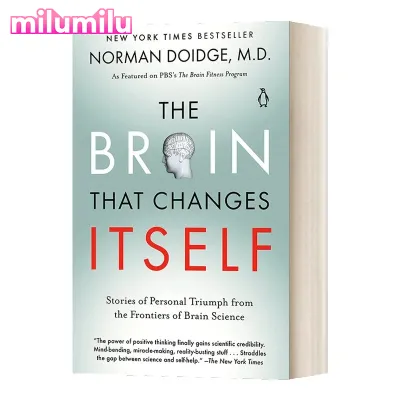
When embarking on this educational journey, finding the right literature is essential to ground your self-improvement efforts in genuine science rather than empty motivational slogans. Norman Doidge’s landmark book, The Brain That Changes Itself, is widely recognized as the ideal starting point for anyone curious about this field. It bridges the gap between complex laboratory research and accessible human stories, making it a staple on reading lists worldwide. However, a single book cannot cover the entire spectrum of modern brain science, especially as neurological research continues to advance at a rapid pace.
To build a well-rounded, science-backed reading list that genuinely supports your personal growth goals, you need to know how to evaluate different texts, identify key themes that align with your specific challenges, and select the right formats for your lifestyle. This guide will walk you through the foundational value of Doidge’s work, provide a clear framework for choosing your next reads, highlight critical themes in brain science, and offer practical tips for sourcing authentic editions in the Philippines.
Products mentioned in this guide
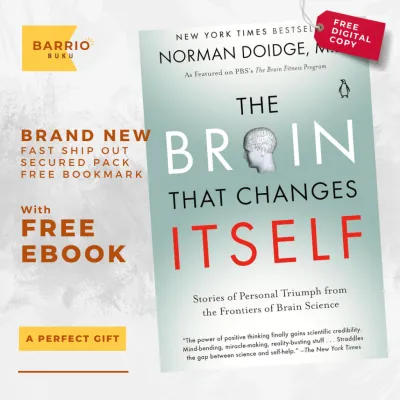
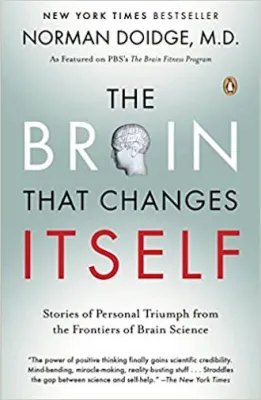
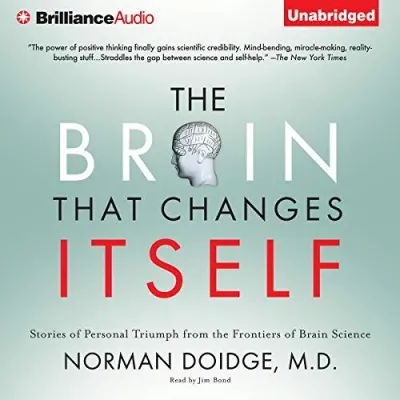
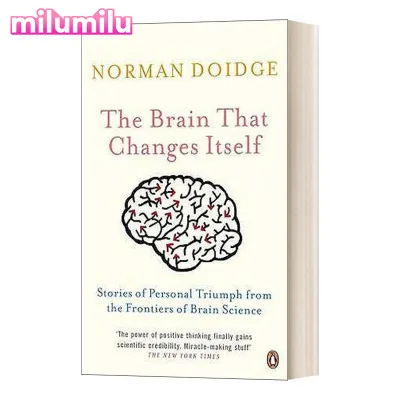
Prices are valid at publication and may change. Please refer to the product page for the latest price.
Why "The Brain That Changes Itself" Is a Foundational Read
Norman Doidge’s The Brain That Changes Itself revolutionized how the general public views human potential by introducing the concept of neuroplasticity through compelling, real-world case studies. Instead of presenting dry data or abstract theories, the book profiles scientists, clinicians, and patients who have witnessed or experienced astonishing cognitive transformations. You will read about individuals recovering from severe strokes, people overcoming lifelong learning disabilities, and patients retraining their brains to manage chronic pain or balance disorders. These narratives do not just serve as medical curiosities; they demonstrate the profound adaptability of the human nervous system under the right conditions.
For readers focused on personal growth, the book’s primary value lies in its message of cognitive adaptability. It shifts the conversation from “this is who I am” to “this is how my brain has been wired so far.” This distinction is crucial for anyone trying to overcome deeply ingrained behavioral patterns, emotional responses, or cognitive limitations. By understanding that thoughts and actions can physically alter the structure of your brain, you gain a renewed sense of agency over your mental habits. The book illustrates that focused attention, repetitive practice, and environmental changes are active tools you can use to foster positive neural adaptation.
However, while The Brain That Changes Itself remains an essential entry point, readers should approach it with an awareness of its specific limitations. Published in the late 2000s, some of the research and clinical trials described in the text represent the early stages of public neuroplasticity awareness. While the core principles remain highly relevant, neuroscience has advanced significantly since its publication. Some sections can also be quite dense, detailing specific anatomical structures and historical scientific debates that might feel overwhelming if you are looking for immediate, actionable self-help steps.
To get the most out of this foundational text, it is best treated as a conceptual gateway rather than a step-by-step manual. It provides the scientific inspiration and proof of concept that your brain can change, which prepares you to seek out more recent, practical guides that focus on specific daily applications. Recognizing where Doidge’s work ends and modern, specialized literature begins will help you construct a more effective and balanced reading path.
How to Choose Neuroplasticity Books for Your Personal Goals
With the popularity of brain science soaring, bookstore shelves and online marketplaces are flooded with titles claiming to unlock your brain’s hidden potential. Navigating this crowded landscape requires a structured framework to ensure you invest your time and money in books that are both scientifically rigorous and personally useful. The first step in this selection process is distinguishing between different genres of brain science literature, as each serves a distinct purpose.

Academic textbooks and clinical manuals offer the highest level of scientific accuracy but are generally written for medical professionals, researchers, or students. They contain dense terminology, complex diagrams, and detailed methodology that can make them difficult to digest for casual reading. On the other end of the spectrum are popular self-help books that use “neuroscience” as a buzzword to market generic productivity advice. These books often oversimplify complex biological processes, making sweeping claims about “rewiring your brain in five minutes” without providing substantial evidence. The ideal sweet spot for personal growth lies in high-quality popular science books and evidence-based practical guides written by qualified experts who translate clinical research into actionable, everyday strategies.
To verify the credibility of a book, you should always check the author’s credentials and institutional affiliations. Authors who are practicing neuroscientists, clinical psychologists, psychiatrists, or university researchers generally offer a higher level of scientific backing. Look for writers who actively participate in the scientific community or have a history of clinical practice, as they are more likely to present balanced, evidence-based information rather than sensationalized theories. Be cautious of authors who lack formal training in science or medicine and rely solely on anecdotal evidence or personal breakthroughs to justify their claims.
Another critical factor to evaluate is the publication date of the book. Neuroscience is a rapidly evolving field, with new imaging technologies and clinical studies constantly refining our understanding of how the brain functions. A book written fifteen years ago may still hold valuable foundational concepts, but it might lack recent insights into topics like the gut-brain axis, the long-term effects of digital screen time on attention spans, or updated protocols for cognitive rehabilitation. When building your reading list, aim to balance older, foundational texts with books published within the last three to five years to ensure your knowledge aligns with the current neurological consensus.
Key Themes to Explore in Brain Science and Self-Help
As you expand your reading list beyond introductory texts, focusing on specific themes within brain science can help you address your unique personal development goals. One of the most practical areas to explore is the neurological basis of habit formation and behavioral loops. Books that delve into this theme explain how the brain seeks efficiency by turning repetitive actions into automatic routines, primarily governed by the basal ganglia. By understanding the “cue-routine-reward” loop from a biological perspective, you can learn how to consciously disrupt unwanted habits and establish positive new behaviors by deliberately reinforcing new neural pathways.
Another vital theme for modern readers is cognitive rehabilitation, stress management, and recovering from mental fatigue. In a fast-paced, highly connected environment, our brains are constantly bombarded with stimuli, leading to chronic stress and cognitive overload. Literature focusing on this area examines how prolonged exposure to stress hormones like cortisol can negatively impact the hippocampus, which is responsible for memory and emotional regulation. Reading about the science of cognitive rest, sleep hygiene, and attention restoration can provide you with evidence-based strategies to protect your brain from burnout, improve your focus, and enhance your overall mental resilience.
Mindfulness and meditation represent another major intersection between brain science and self-help. While once viewed as purely spiritual practices, modern neuroimaging has demonstrated that consistent mindfulness practice can lead to measurable changes in brain structure. Books exploring this theme often highlight how meditation can decrease the size and reactivity of the amygdala, the brain’s fear and stress center, while increasing gray matter density in the prefrontal cortex, which is associated with decision-making, empathy, and self-regulation. If you are looking to improve your emotional balance and focus, seeking out books that explain the neurological mechanisms behind mindfulness can provide the scientific validation you need to maintain a consistent practice.
By categorizing your reading list around these distinct themes, you can systematically address different areas of your life. Whether you want to boost your productivity, manage anxiety, or improve your memory, choosing books that focus deeply on the relevant neurological processes will give you a much clearer understanding of the “why” and “how” behind your personal growth strategies.
Buying and Reading Formats: What to Check Before You Purchase
Once you have identified the books you want to read, the next step is deciding on the format and sourcing authentic copies. In the Philippines, readers have access to a variety of formats, including physical paperbacks, e-books, and audiobooks. Each format has its own advantages and trade-offs when it comes to cognitive retention, convenience, and suitability for different reading environments.
Physical books, such as paperbacks and hardcovers, are highly favored by many readers for their tactile experience and the ease with which you can highlight passages, write notes in the margins, and flip back and forth between chapters. This active engagement can be particularly beneficial when reading dense scientific material, as it allows you to pace yourself and visually map out complex concepts. However, physical books can be bulky to carry around, especially during daily commutes in humid tropical weather, and they require proper storage to protect them from moisture and pests. E-books offer an incredibly convenient alternative, allowing you to carry an entire library on a single lightweight device. They often feature built-in dictionaries and search functions, making it easy to look up unfamiliar medical terms instantly.
Audiobooks have also grown significantly in popularity, offering a hands-free way to consume books while commuting, exercising, or doing household chores. While audiobooks are excellent for narrative-driven chapters and case studies, they can sometimes make it difficult to retain highly technical information or complex anatomical descriptions. If you choose to listen to brain science books, consider keeping a digital or physical notebook nearby to jot down key terms, or opt for titles that come with PDF companions containing diagrams and reference materials.
When shopping for books online or in local retail outlets in the Philippines, it is crucial to verify the authenticity of the copies you are purchasing. The local online marketplace has seen a rise in unauthorized, low-quality reprints and pirated digital files. These counterfeit physical books often suffer from missing pages, blurry text, poor binding that falls apart quickly, and numerous typographical errors that can disrupt your reading flow. To avoid these issues, always check the publisher details, verify the International Standard Book Number (ISBN), and purchase from established, authorized book dealers or official brand stores on major ecommerce platforms.
Additionally, pay close attention to the specific edition of the book you are buying. Many popular science titles undergo revisions years after their initial release to include updated forewords, new chapters, or appendices that address recent scientific discoveries. Before finalizing your purchase, compare the publication details of the available listings to ensure you are getting the most complete and up-to-date version of the text, allowing you to benefit from the latest insights in brain science.
Frequently Asked Questions (FAQ)
Can reading about neuroplasticity actually change my brain?
Reading about neuroplasticity is an excellent first step because it shifts your mindset and introduces you to new concepts, but passive reading alone will not physically restructure your neural pathways. Brain change requires active, consistent engagement and the practical application of the concepts you learn. When you actively practice a new skill, challenge your cognitive habits, or consistently apply stress-management techniques, your brain responds to the repeated effort by strengthening the relevant neural connections. To truly benefit from these books, you must treat the information as an active guide for daily behavior rather than just theoretical knowledge.
Are audiobooks effective for learning complex brain science concepts?
Audiobooks can be highly effective for understanding the narrative portions of brain science, such as the real-world case studies and historical anecdotes featured in books like The Brain That Changes Itself. The conversational tone of an audiobook can make complex topics feel more approachable and engaging. However, for highly technical chapters that explain specific brain structures, chemical pathways, or detailed scientific methodologies, audio formats can sometimes make retention more challenging. To maximize your learning, you might find it helpful to use audiobooks for your initial introduction to a topic, and then refer to a physical or digital copy when you want to study specific diagrams, highlight key passages, or review complex scientific terms.

Community discussion
Share your experience or ask a question. Comments are reviewed before publication.