
Choosing your first maracas in the Philippines requires balancing sound quality, durability, and comfort under tropical conditions. For most beginners, a matched pair of medium-sized synthetic or plastic maracas offers the most reliable starting point. These instruments withstand high humidity, provide consistent projection, and allow you to master fundamental two-handed patterns without the maintenance worries of natural wood or gourd models. By focusing on structural integrity and proper sizing, you can find an affordable, responsive instrument that makes learning rhythm both engaging and rewarding.
Quick Guide to Choosing Your First Maracas
Before browsing online marketplaces, it helps to define how and where you plan to use your maracas. Beginners typically fall into one of three categories: students preparing for school performances or classroom music modules, hobbyists looking to add rhythm to casual acoustic jam sessions, or aspiring percussionists seeking to master traditional Latin and Afro-Cuban techniques. Your primary use case will dictate whether you need a highly durable utility instrument or one focused on refined tonal qualities.
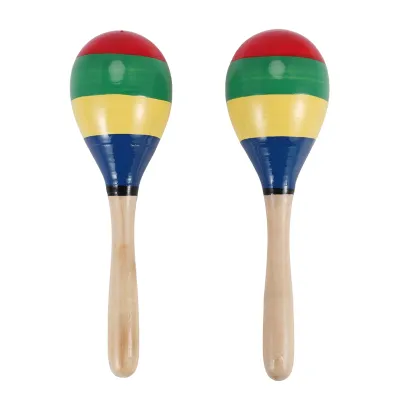
One of the most common mistakes beginners make is purchasing a single maraca. Traditional maraca playing is inherently a two-handed discipline. The instruments are tuned or weighted slightly differently as a pair—often referred to as a male (macho) and female (hembra) pair—where one produces a slightly higher pitch than the other. This pitch variance is essential for creating the driving, rolling rhythm patterns characteristic of the instrument. Always ensure you are purchasing a matched pair to develop proper bilateral coordination and authentic technique.
Products mentioned in this guide
![[ammoon]Wooden Maracas Egg Shakers Musical Percussion Instrument Eggs 2PCS Beige](https://img.lazcdn.com/g/p/0ba19448d9f58f94b6f982965fadc24a.jpg_400x400q80.jpg_.webp)
Prices are valid at publication and may change. Please refer to the product page for the latest price.
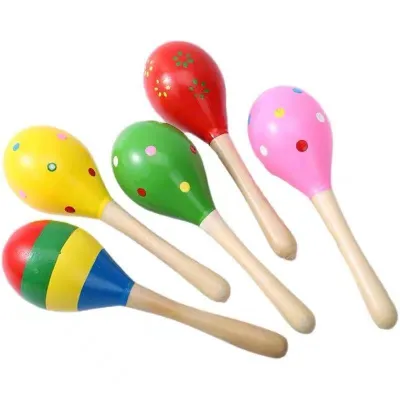
For general beginners, a medium-sized pair made of high-impact synthetic material is the ideal starting point. Medium maracas fit comfortably in most hand sizes, offering enough surface area for the internal beads to travel and create a distinct sound without requiring excessive physical effort. Synthetic shells are highly recommended for the Philippine climate because they are completely unaffected by ambient moisture, ensuring your instrument sounds exactly the same during the dry season as it does during the humid monsoon months.
Core Features to Evaluate in Beginner Maracas
When evaluating maracas on digital storefronts, sound projection and tone warmth are critical factors. The sound of a maraca is determined by the interaction between the inner wall of the shell and the filling material, which can range from small plastic beads to natural seeds or metal shot. For home practice, you want an instrument that offers a balanced, controlled volume. Extremely loud, piercing maracas can quickly cause ear fatigue in small rooms and may disturb others in close-quarters residential areas. Look for descriptions that mention a “warm,” “focused,” or “dry” sound profile, which indicates a more controlled acoustic presence.

Durability is another major consideration, particularly at the connection point where the handle meets the hollow shell. In low-quality novelty items, this joint is often secured with cheap adhesive that can dry out and fail under the stress of rapid shaking. A detached maraca head can send hundreds of tiny internal beads scattering across your floor. To prevent this, look for instruments that feature reinforced joints, such as deep-set wooden handles that extend far into the shell, or modern synthetic models where the handle and shell are molded as a single, continuous piece of plastic.
Weight distribution and balance directly impact how long you can practice without discomfort. If a maraca is top-heavy, your wrists must work significantly harder to stop and reverse the motion of the beads on every beat. This imbalance can lead to rapid wrist fatigue, muscle soreness, and poor rhythmic timing. A well-designed beginner maraca should feel balanced in your hand, with the center of gravity resting near the collar where your thumb and index finger grip the handle. This balance allows you to execute crisp, clean stops (known as “chiquitas”) with minimal physical strain.
Comparing Shell Materials and Sound Profiles
Synthetic and Plastic Shells
Synthetic maracas, typically constructed from ABS plastic, PVC, or fiberglass, are the most practical choice for absolute beginners. These materials are incredibly tough, meaning they can survive accidental drops onto tiled floors or concrete patios without cracking. Tonal consistency is another major benefit; synthetic shells are manufactured to precise tolerances, ensuring that the two maracas in your pair are perfectly matched in weight and complementary in pitch. They produce a bright, crisp, and cutting sound that easily cuts through the sound of acoustic guitars or ukuleles. Best of all, they require zero maintenance and are highly budget-friendly.
Wood and Composite Shells
Wooden maracas, often crafted from maple, birch, or traditional tropical hardwoods, offer a much warmer, rounder, and more organic sound than their plastic counterparts. The natural grain of the wood dampens some of the harsh high frequencies, resulting in a pleasant, mellow shake that is highly favored for acoustic recordings and intimate live settings. However, wood is a hygroscopic material, meaning it absorbs and releases moisture from the surrounding air. In the high humidity of the Philippines, untreated or poorly sealed wood can swell, which may alter the internal volume of the shell or weaken the glue holding the handle in place. If you choose wood, you must commit to keeping them dry and storing them away from damp areas.
Natural Gourds
Traditional maracas made from dried gourds (such as the calabash) represent the historical roots of the instrument. These instruments offer a highly distinctive, earthy sound with complex overtones that synthetic materials cannot fully replicate. Because they are natural agricultural products, every single gourd maraca is unique in shape, size, and texture. However, this natural variation makes it very difficult to find a perfectly matched pair in terms of weight and ergonomics. Gourd shells are also quite fragile; a single drop can easily shatter the dried shell, rendering the instrument useless. For this reason, natural gourds are generally better suited for experienced collectors or advanced players rather than beginners learning basic handling.
Finding the Right Size and Grip for Comfort
Selecting the correct handle dimensions is essential for developing a relaxed, tension-free playing style. If the handle is too thick for your hand, you will find yourself squeezing the instrument tightly, which locks up your wrist and forearm muscles. Conversely, a handle that is too thin or short can feel unstable, forcing you to constantly adjust your grip mid-song. For adult beginners, a handle length of roughly 10 to 12 centimeters with a moderate thickness allows your fingers to wrap comfortably around the wood or plastic, leaving enough space to shift your grip slightly for different playing techniques.
It is important to distinguish traditional handled maracas from other types of hand percussion, such as handle-less shakers or cylinder shakers. Handled maracas are played using a pivoting motion of the wrist, where the handle acts as a lever to fling the internal beads against the front and back walls of the shell. This mechanical action is unique and requires specific muscle memory. While handle-less shakers (like shaker cans) are excellent for simple, linear timekeeping, they do not allow you to practice the precise, multi-directional accents and rolls that define traditional maraca playing.
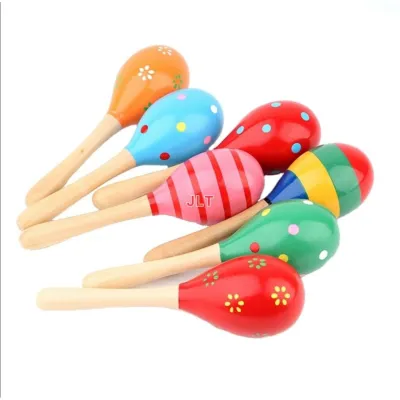
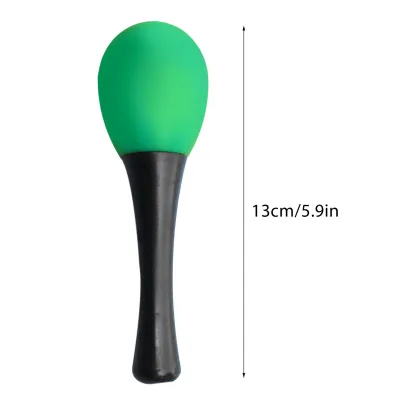
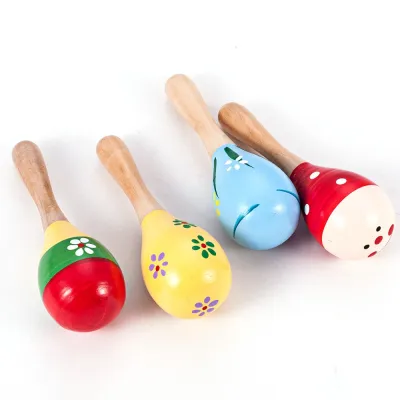
When shopping on online marketplaces, always check the written specifications for exact dimensions rather than relying solely on product photos. Sellers often use close-up photography or stock images that make miniature toy maracas look like full-sized adult instruments. A standard adult maraca typically measures between 20 and 27 centimeters in total length from the tip of the shell to the bottom of the handle. If a listing does not specify the dimensions, or if the total length is under 15 centimeters, the item is likely a miniature novelty or a toy designed for toddlers rather than a functional musical instrument.
How to Verify Quality When Shopping Online
To avoid purchasing a low-quality toy that will quickly break or sound like a simple baby rattle, you must learn to filter search results on ecommerce platforms. Avoid listings that use terms like “party favors,” “noise makers,” or “kids’ toys,” as these items are not built to musical standards and often contain cheap, irregular filling material that produces a muddy, inconsistent sound. Instead, look for listings categorized under “percussion instruments,” “musical gear,” or “student-grade instruments.” These products are designed with proper acoustic properties and structural durability in mind.
Before finalizing your purchase, carefully read the product description to confirm that the listing is for a pair of maracas. Some sellers display photos of two maracas but list a price that only covers a single unit, hiding this detail in the fine print. Additionally, take the time to read through customer reviews, paying close attention to photos uploaded by previous buyers in the Philippines. These real-world images will help you verify if the color, finish, and overall build quality match the seller’s promotional photos, and whether the items survived the shipping process intact.
Finally, always check the seller’s return and refund policies before checking out. Because maracas contain loose internal beads and rely on secure joints, they can occasionally suffer damage during transit if they are not packaged with sufficient bubble wrap or protective boxing. When your package arrives, inspect the instruments immediately before confirming receipt on the app. Gently shake each maraca near your ear to check for any rattling sounds coming from the handle joint, look closely for hairline cracks in the shell, and ensure that no internal beads are leaking out from the base of the handle.
Frequently Asked Questions (FAQ)
Can I use just one maraca for beginner rhythm practice?
While you can use a single maraca to practice basic steady pulses or simple downbeats, it is highly recommended to practice with a matched pair from the very beginning. Traditional maraca techniques rely on alternating hand movements to create complex, rolling rhythms and syncopated accents. Using two maracas helps you develop bilateral coordination, hand independence, and a balanced posture. A single maraca is generally reserved as a minor accessory for singers or acoustic guitarists who only need to provide a basic background beat while performing other tasks.
How do I clean and maintain wooden or natural gourd maracas?
To keep wooden or gourd maracas in good condition, always wipe them down with a dry, clean microfiber cloth after each practice session to remove sweat, dirt, and oils from your hands. Never submerge these instruments in water or use wet wipes, household detergents, or liquid cleaners, as moisture can seep into the wood or gourd, causing it to warp, swell, or split. Store your maracas in a dry, well-ventilated area away from direct sunlight, extreme heat, and high humidity. Placing a small packet of silica gel inside your instrument bag can help absorb excess moisture and protect the wood.
Are egg shakers considered a type of maraca for beginners?
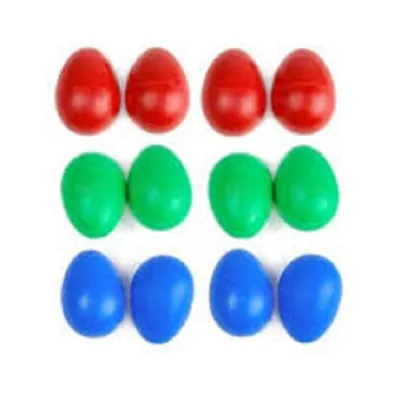
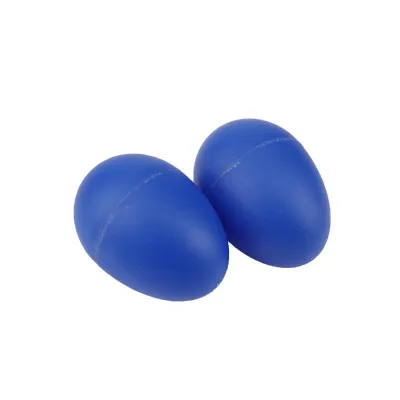
Egg shakers are not the same as maracas, though both belong to the shaker family of percussion instruments. Egg shakers are small, handle-less, egg-shaped plastic capsules that fit entirely within the palm of your hand. Because they lack a handle, they rely on a completely different grip and hand motion, making them excellent for basic timekeeping and highly portable, but they cannot replicate the specific wrist-flicking techniques and sharp accents of handled maracas. Egg shakers are a fantastic, safe starting point for very young children, but older beginners looking to learn traditional percussion should opt for standard handled maracas.
Community discussion
Share your experience or ask a question. Comments are reviewed before publication.