
For readers in the Philippines seeking the best manga and entertainment magazines like the iconic shonen jump magazine, navigating the landscape of serialized pop culture can be both exciting and challenging. While the legendary Japanese anthology remains the gold standard for action-packed storytelling, local fans have a variety of excellent digital platforms, imported physical publications, and regional entertainment magazines at their disposal. Finding the right reading experience requires balancing immediate digital access with the tactile appeal of physical collecting, all while ensuring you are sourcing from authorized distributors.
Whether you want to follow the latest chapters of global hits simultaneously with Japan or build a physical library of beautifully printed anthologies, understanding your options is key. This guide explores the premier manga and pop culture magazines available in the Philippines, detailing how to access them legally, how to choose the right format for your lifestyle, and how to preserve your collection against the local tropical climate.
How We Selected the Best Manga and Entertainment Magazines
To recommend the finest alternatives and sister publications to the legendary Weekly Shonen Jump, we established a clear set of criteria tailored specifically to the needs of readers in the Philippines. The core appeal of Shonen Jump lies in its high-stakes serialized storytelling, diverse genre offerings—ranging from intense battle series and sports dramas to lighthearted comedies—and its massive influence on global pop culture. Any recommended magazine or platform must capture this sense of anticipation and community engagement.
Products mentioned in this guide
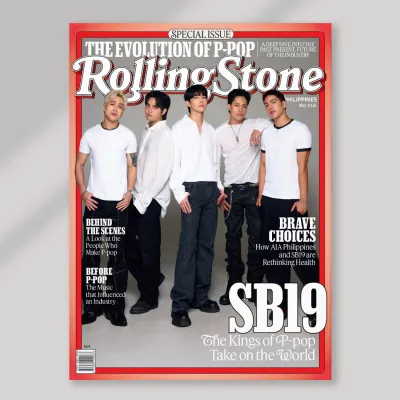
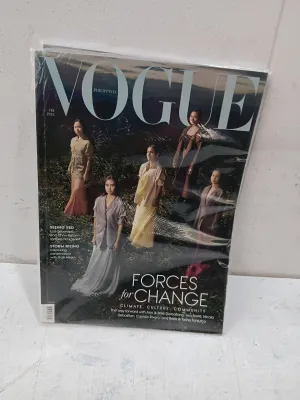
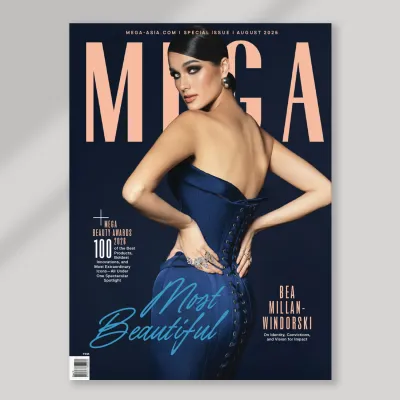

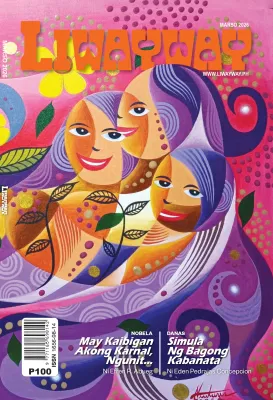

Prices are valid at publication and may change. Please refer to the product page for the latest price.
Our selection process evaluated several critical factors to ensure a high-quality reading experience:
- Content Variety: We prioritized publications that offer a compelling mix of ongoing series, one-shots, and creator commentary to keep readers engaged over time.
- Language Accessibility: We focused on official English-language translations and accessible Japanese-language imports suitable for collectors and language learners.
- Format Flexibility: We assessed both seamless digital applications and high-quality physical print formats to cater to different lifestyle preferences.
- Legitimate Local Availability: We selected platforms and sourcing channels that are legally accessible in the Philippines, ensuring readers can support the original creators directly.
Verifying authorized publishers and official distribution channels is a cornerstone of our selection process. By choosing legitimate editions, readers ensure that creators are fairly compensated, which directly supports the continued translation, licensing, and availability of manga in Southeast Asia. Our recommendations avoid unauthorized scanlation sites and bootleg prints, focusing instead on high-quality, authorized reading experiences.
Top Manga and Pop Culture Magazines Like Shonen Jump Magazine for Readers in the Philippines
Navigating the world of serialized manga and entertainment publications reveals a diverse ecosystem of official apps, global anthologies, and regional pop culture magazines. Each option caters to different reading habits, budgets, and collector goals.

Official Shonen Jump and Shueisha Publications
For those who want the authentic Shonen Jump experience, Shueisha provides official digital pathways that are fully accessible in the Philippines. The primary digital platform is MANGA Plus by Shueisha, which offers simultaneous English releases of the latest chapters of ongoing hits. The platform operates on a tiered structure: the latest three chapters of active series are generally free to read, while a paid subscription tier (MANGA Plus Max) grants unlimited access to the complete catalog of completed and ongoing titles. This digital avenue eliminates the wait times traditionally associated with physical licensing.
If you prefer the classic, physical experience, importing the raw Japanese edition of Weekly Shonen Jump is a popular option among dedicated collectors and language students. These physical magazines are thick, phonebook-style volumes printed on recycled newsprint, featuring vibrant color introductory pages for lead series. However, they are entirely in Japanese, presenting a significant language barrier for casual readers.
Before committing to any digital subscription or in-app purchase, always verify your device compatibility and check for potential regional restrictions. While MANGA Plus is widely supported in the Philippines, other regional digital storefronts or companion apps may require specific account regions or operating system versions to function correctly.
Global Manga Anthologies and Comic Magazines
Beyond Shueisha, other major global publishers offer serialized anthologies and comic magazines that deliver a similar sense of weekly or monthly anticipation. Publishers like Kodansha and Yen Press distribute English-language manga periodicals and digital anthology platforms that feature highly acclaimed series across multiple demographic categories. These publications allow readers to branch out from traditional shonen battle stories into other engaging narratives.
When exploring these global alternatives, pay close attention to their publication frequencies. Weekly anthologies offer fast-paced, cliffhanger-heavy storytelling, whereas monthly or quarterly magazines provide longer chapters with more detailed artwork and deeper plot progression. Understanding these schedules helps you evaluate the overall value of a subscription and align it with your personal reading speed.
Additionally, always verify the content ratings and genre focus before purchasing or subscribing. Manga anthologies span a wide spectrum, from family-friendly shonen and shojo series to mature seinen and josei works that tackle complex, adult themes. Checking these specifications ensures the content aligns with your personal preferences or is age-appropriate if you are purchasing a subscription as a gift.
Local and Regional Pop Culture Publications
To complement raw manga chapters, regional pop culture and lifestyle magazines offer valuable context, community news, and industry insights. While local print-only manga anthologies are rare today, Southeast Asian entertainment publications and digital magazines frequently feature extensive anime reviews, creator interviews, and coverage of major local conventions like Cosplay Mania or Conquest.
These publications serve as an excellent bridge between the stories themselves and the broader fan community. They provide readers with curated recommendations, behind-the-scenes look at the creative process of manga artists (mangaka), and updates on local merchandise releases. Reading these magazines helps you stay connected to the local geek culture scene and discover lesser-known titles that might not be heavily promoted on global digital storefronts.
Because the media landscape is dynamic, it is wise to verify the current publication status of these niche regional magazines. Many have transitioned from traditional print schedules to digital-only formats or irregular quarterly releases, so checking their official websites or social media channels before subscribing will prevent payment issues or missed issues.
Digital vs. Physical Formats: Choosing Your Reading Experience
Deciding how to consume your favorite serialized stories depends heavily on your budget, space, and how much you value the physical act of collecting. Both digital and physical formats offer distinct advantages and trade-offs for readers living in the Philippines.
Digital Subscriptions and Apps
Digital reading platforms offer unparalleled convenience and cost-effectiveness. For a low monthly subscription fee—typically ranging from ₱100 to ₱150—you gain instant access to thousands of manga chapters on your smartphone, tablet, or e-reader. This format eliminates physical storage issues and allows you to carry an entire library in your pocket.
However, digital reading comes with limitations. Most platforms rely on Digital Rights Management (DRM), meaning you are purchasing a license to view the content rather than owning the files outright. If a platform loses its licensing rights or shuts down, you may lose access to your digital library. Additionally, offline reading capabilities vary; some apps limit the number of chapters you can download at one time, which can be an issue if you travel through areas with unstable internet connectivity.
Physical Imports and Local Prints
Physical magazines and collected volumes (tankobon) provide a highly tactile, satisfying reading experience. For collectors, the cover art, color pages, and physical presence of a well-organized bookshelf are irreplaceable. Physical copies also hold long-term display and resale value, and they are completely free from DRM restrictions.
Despite these benefits, physical collecting in the Philippines presents unique environmental and financial challenges:
- Humidity and Preservation: The high relative humidity in the Philippines can cause cheap newsprint and paper to yellow, warp, or develop mold rapidly. To preserve your collection, store your magazines in a cool, dry room away from direct sunlight. Utilizing airtight plastic storage bins, acid-free backing boards, and placing silica gel packets behind your books can significantly slow down paper degradation.
- Import Costs and Shipping: Physical imports must travel via international freight. This means a weekly magazine with a low cover price in Japan can easily double or triple in cost once shipping fees, customs duties, and local retail markups are factored in. Readers must also brace for potential shipping delays and transit wear-and-tear.
Hybrid Approaches
Many experienced readers in the Philippines adopt a hybrid approach to balance their budget and space. They use affordable digital subscriptions to read chapters on a weekly basis as they are released. Then, they selectively purchase physical tankobon or special commemorative magazine issues of their absolute favorite series to display on their shelves. This strategy keeps costs manageable while still satisfying the desire for a tangible collection.
Before making any physical purchase, always double-check the exact language edition, volume number, and format specifications. Physical bonus items—such as promotional cards, posters, or stickers—are often exclusive to specific regional releases or first-print runs, so verifying these details with the seller beforehand prevents disappointment.
Where to Buy and Subscribe in the Philippines
Finding authentic manga and entertainment magazines requires sourcing from reputable, authorized sellers. Avoiding counterfeit or bootleg prints is essential for ensuring high-quality paper, accurate translations, and proper support for the original creators.
Authorized Physical Bookstores
For physical copies, major national bookstore chains in the Philippines, such as Fully Booked, are the most reliable sources for official English-translated manga and select Japanese imports. Many of these branches have dedicated, well-stocked graphic novel sections. If a specific magazine or volume is not on the shelves, you can often request a special order through their customer service desk. Specialized comic shops in major metropolitan areas like Metro Manila also carry imported periodicals and collector-grade editions.
Official Digital Storefronts
If you prefer the digital route, stick to official publisher apps available on the Google Play Store and Apple App Store, or recognized global e-book platforms like BookWalker. Subscribing directly through these authorized channels ensures secure payment processing. Most of these platforms accept local payment methods, including popular Philippine e-wallets like GCash and Maya, or local debit cards, making the subscription process seamless and straightforward.
E-commerce Platforms
When shopping on general online marketplaces, exercise extreme caution to avoid counterfeit products. Pirated manga prints and bootleg magazines are common on these platforms. To protect yourself, always look for “Official Store” or verified merchant badges. Carefully read recent customer reviews, paying close attention to user-uploaded photos that show the spine alignment, paper texture, and print clarity. If a physical magazine or volume is listed at a price that seems too good to be true—such as under ₱100 for a brand-new release—it is highly likely an unauthorized copy.
Supporting official releases guarantees that your money goes back to the creative teams who spend months writing, drawing, and translating these beloved stories. It also signals to global publishers that there is a strong, viable market for manga and pop culture magazines in the Philippines, encouraging them to expand local availability and community events.
Frequently Asked Questions (FAQ)
Can I read Shonen Jump in English legally in the Philippines?
Yes, you can legally read Shonen Jump in English in the Philippines. Shueisha’s official digital platform, MANGA Plus, offers the latest chapters of active series simultaneously with their Japanese release for free. For access to the complete back catalog of completed and ongoing series, you can subscribe to their paid tier, MANGA Plus Max, directly through the app using local payment methods.
Are physical Japanese manga magazines cheaper than English versions?
While the base cover price of a weekly magazine in Japan is relatively inexpensive (often equivalent to around ₱150 to ₱250), importing them to the Philippines adds significant international shipping costs, customs handling fees, and local retail markups. These additional expenses typically raise the final local retail price of physical Japanese imports to ₱500–₱900, making them more expensive overall than digital subscriptions or standard English collected volumes.
How can I tell if a manga magazine sold online is authentic?
To identify authentic manga magazines online, look for official publisher logos such as Shueisha, Viz Media, or Kodansha on the cover and spine. Be wary of red flags like exceptionally low prices, blurry cover images, poor paper quality or misaligned margins in user review photos, and shops with vague or generic names. Purchasing exclusively from verified bookstore accounts or highly rated specialty comic shops on e-commerce platforms is the best way to ensure authenticity.
Community discussion
Share your experience or ask a question. Comments are reviewed before publication.