
To keep your guitar playing smoothly and looking its best, finding the right lemon oil for guitar fretboard conditioning is a vital step in your regular maintenance routine. In the Philippines, where high relative humidity and sudden temperature shifts from air conditioning are common, bare wood fretboards require specialized care to prevent warping, cracking, and grime buildup. The most effective conditioning formula is a dedicated, instrument-grade mineral-oil-based product that cleans away sweat and finger oils while leaving a thin, protective barrier.
While many guitarists refer to these products simply as “lemon oil,” these commercial formulas are specifically engineered for musical instruments and differ significantly from household cleaning products. Standard options like Dunlop 65 Ultimate Lemon Oil, D’Addario Hydrate, and specialized natural blends are widely available in local music stores and online marketplaces. Selecting the correct product depends entirely on your guitar’s wood type, your local environmental conditions, and your preferred application method.
Why Lemon Oil is Essential for Fretboard Maintenance
Fretboard wood is one of the few parts of a guitar that is typically left unfinished and exposed to the elements. Without a protective lacquer or sealant, open-pore woods constantly exchange moisture with the surrounding air, making them highly susceptible to environmental changes. In a tropical climate like the Philippines, wood can swell during rainy seasons and shrink rapidly when exposed to dry, air-conditioned rooms. This constant expansion and contraction can lead to structural issues, including loose frets, sharp fret edges, and microscopic cracks along the grain.
Products mentioned in this guide

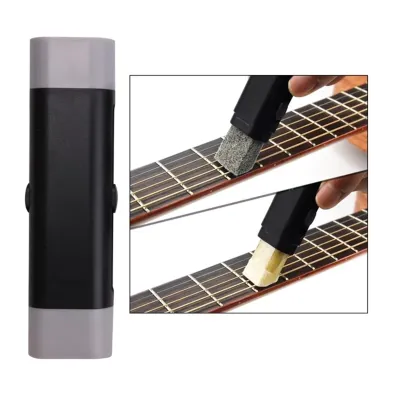
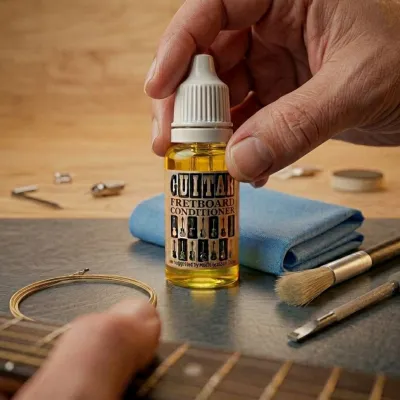

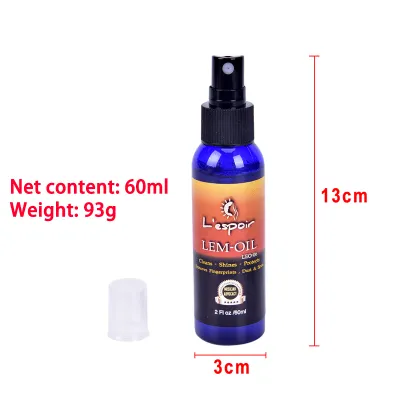


![[ Precious Lemon Guitar String Oil ] 50ml - Natural Lubricant & Cleaner for Longer-Lasting Smooth Strings](https://img.lazcdn.com/g/p/2652d582b09fe307d1a7d1438d321e9e.png_400x400q80.png_.webp)
Prices are valid at publication and may change. Please refer to the product page for the latest price.
Applying a dedicated guitar lemon oil helps stabilize the wood by replacing lost natural oils and creating a hydrophobic barrier. This barrier slows down the rate of moisture exchange, helping the wood maintain its structural integrity over time. Additionally, the oil acts as a mild solvent, breaking down the mixture of sweat, dead skin cells, and dust that accumulates along the frets. Regular conditioning keeps the wood supple, preserves its natural color, and ensures a smooth, fast playing surface.
This conditioning process is highly beneficial for open-pore, unfinished hardwoods. Rosewood, with its rich brown color and natural oil content, is the most common candidate for this treatment. Ebony, known for its dense, dark grain, also benefits from occasional conditioning to prevent the fine cracks to which it is prone. Pau ferro, Indian laurel, and other rosewood alternatives similarly require periodic oiling to maintain their dark appearance and smooth texture.
However, a strict safety boundary must be observed: lemon oil is not suitable for finished or sealed woods. Maple fretboards, which are commonly sealed with a clear gloss or satin polyurethane finish, do not have open pores to absorb the oil. Applying lemon oil to a finished maple neck will only result in a slick, sticky residue that attracts dirt and can damage the finish over time. Always identify your fretboard wood and finish type before applying any conditioning product.
Key Factors to Consider When Buying Lemon Oil for Guitar
When shopping for a guitar conditioning product, understanding the chemistry behind the label is crucial for protecting your instrument. Many commercial products marketed as “lemon oil” are actually highly refined light mineral oils infused with a small percentage of lemon essential oil or synthetic lemon scent. Mineral oil is highly stable, does not spoil, and is completely safe for unfinished guitar woods. You should check the product packaging and manufacturer specifications to confirm the ingredients before purchase.

Avoid household furniture polishes, general-purpose lubricants, or pure, undiluted essential oils. Household polishes often contain silicones, waxes, or heavy petroleum distillates. Silicones can penetrate the wood and create a permanent barrier that prevents future wood repairs or glue adhesion, while heavy distillates can degrade the wood fibers and soften fret slots. Pure essential lemon oil is highly acidic and can break down the adhesives holding your frets in place if applied directly.
The physical design of the product packaging also plays a major role in how easily and safely you can maintain your guitar. Squeeze bottles with narrow tips allow for precise droplet placement, minimizing the risk of spilling oil onto the guitar body or pickups. Pump sprays are convenient for distributing oil over a cloth, but they require careful aiming to avoid overspray. Some premium options feature built-in felt or foam applicators that let you paint the oil directly onto the wood, reducing waste and mess.
Finally, consider the absorption rate and scent of the formula. A high-quality guitar conditioner should absorb relatively quickly into the wood grain without leaving a greasy or sticky residue. While a pleasant citrus scent makes the maintenance process more enjoyable, the fragrance should come from safe, non-corrosive additives. If a product leaves a persistent tacky film on the wood after wiping, it may contain heavy additives that will attract more dust and grime during play.
Top Lemon Oil Products to Look for in the Philippines
Finding the right fretboard conditioner in the Philippines is straightforward, with several internationally recognized brands distributed through local music retailers and major online marketplaces. These products are generally grouped into distinct categories based on their formulation, price tier, and intended use. Because prices can fluctuate due to shipping and import costs, it is best to view these options within broad budget and premium categories.
Premium Fretboard Conditioners for Deep Nourishment
Premium conditioners are formulated for players who demand precise wood care, often featuring advanced synthetic blends or ultra-refined natural oils. These products are highly favored by professional luthiers, guitar collectors, and owners of high-end acoustic and electric instruments. They are designed to penetrate deeply into dense woods like ebony and old-growth rosewood, offering long-lasting protection against dry air and sweat.
Many premium options come equipped with specialized applicator tips, such as felt pads or built-in brushes, which prevent accidental spills and ensure even distribution. These formulations are often engineered to dry exceptionally clean, leaving a smooth, satin feel with zero sticky buildup. The primary trade-off for these high-end options is their higher cost per ounce and their limited availability in smaller, provincial music stores outside of major metropolitan areas like Metro Manila, Cebu, or Davao.
Reliable and Budget-Friendly Everyday Options
For the vast majority of guitarists, standard, budget-friendly lemon oils provide excellent performance and exceptional value. These are the industry-standard squeeze bottles found on almost every guitar technician’s workbench worldwide. They typically utilize a highly refined mineral oil base with a mild lemon scent, offering a balanced combination of cleaning power and wood hydration.
These products are incredibly easy to find across the Philippines, stocked by almost every major local music store chain and independent guitar shop. Because they are sold in generous bottles, a single purchase can easily last a player several years. The main drawback of these everyday options is that they rarely include application accessories, meaning you will need to purchase your own high-quality microfiber cloths to apply and buff the oil.
Pure and Natural Oil Alternatives
Some guitarists prefer to avoid synthetic mineral oils and petroleum derivatives entirely, opting instead for pure, plant-based alternatives. These products typically consist of highly refined seed oils, coconut derivatives, or specialized natural mixtures that are completely free of synthetic fragrances and chemical solvents. They are an excellent choice for players with sensitive skin or allergies to artificial scents.
When choosing a natural oil, it is essential to verify its purity and intended use through the manufacturer’s product label. Pure, food-grade mineral oils or specialized natural wood conditioners are safe, but raw vegetable oils from the kitchen should never be used, as they can go rancid and emit an unpleasant odor over time. Additionally, natural oils often have a shorter shelf life than synthetic mineral oils and must be stored carefully in a cool, dark place to prevent oxidation and spoilage in the tropical Philippine climate.
How to Apply Lemon Oil Safely and Effectively
Before applying any product to your instrument, always check the applied product’s label and the treated item’s manufacturer instructions. If the instructions conflict, if your guitar’s wood type is unidentified, or if the product’s use is not explicitly covered for your instrument, stop immediately and consult the guitar manufacturer or a qualified professional luthier. Taking these precautions prevents accidental damage to rare woods or delicate finishes.
To begin the conditioning process, find a stable, flat work surface and support the guitar’s neck with a dedicated neck rest or a rolled-up towel. Remove all the strings to gain unobstructed access to the entire fretboard. Use a dry, clean microfiber cloth to wipe away loose dust and surface debris. If the fretboard has a heavy accumulation of grease and sweat, you can gently scrape the grime away using a plastic card or very fine (0000 grade) steel wool, rubbing strictly in the direction of the wood grain.
Once the surface is clean, apply a very small amount of guitar lemon oil. If your bottle has a squeeze tip, place two to three small drops onto each fret section. Alternatively, apply a small amount of oil directly onto a clean microfiber cloth rather than the wood itself. Gently rub the oil into the wood, working in small circular motions or following the direction of the grain to ensure the oil penetrates the pores evenly.
Allow the oil to sit on the wood for a brief period, typically one to two minutes, to let the fibers absorb the moisture. Do not leave the oil on the wood for an extended period, as over-saturation can soften the wood and weaken the glue holding the frets in place. Use a fresh, dry section of your microfiber cloth to vigorously wipe away all excess oil. Buff the wood until the surface feels completely dry and smooth to the touch, ensuring no wet patches remain around the metal frets or along the edges of the neck.
Keep the oil strictly on the unfinished wood of the fretboard. Avoid getting any oil on the guitar’s finished body, headstock, pickups, or electronics, as it can seep into internal cavities or react with delicate vintage lacquers. Once the fretboard is completely dry and buffed, you can safely restringe your instrument and enjoy a refreshed, smooth playing experience.
Frequently Asked Questions (FAQ)
Can I use household furniture lemon oil on my guitar?
No, you should never use household furniture lemon oil or commercial wood polishes on your guitar’s fretboard. These household products are formulated for sealed furniture surfaces and frequently contain silicones, heavy waxes, and harsh chemical solvents. Silicones penetrate deep into the wood pores and create a slick barrier that makes future repairs, refretting, or glue work extremely difficult. Waxes can build up along the frets, trapping dirt and sweat, while harsh solvents can degrade the wood fibers and dissolve the adhesives holding the frets in place. Always use a dedicated, instrument-grade conditioner.
How often should I condition my fretboard in a humid climate?
In the tropical, humid climate of the Philippines, fretboards generally do not dry out as quickly as they do in arid regions. However, frequent transitions between humid outdoor air and dry, air-conditioned rooms can still cause the wood to experience moisture stress. A safe baseline is to condition your fretboard once or twice a year, typically during a seasonal string change. Instead of following a strict calendar schedule, inspect your fretboard visually: if the wood looks pale, feels rough to the touch, or shows light gray patches along the grain, it is time to apply a light layer of oil.
Is lemon oil safe for maple or finished fretboards?
No, lemon oil is not safe or effective for maple or any other finished fretboards. Most maple fretboards are sealed with a clear lacquer, polyurethane, or polyester finish that completely seals the wood pores. Because the oil cannot penetrate this hard finish, it will simply sit on the surface, creating a greasy, sticky layer that attracts dirt and ruins your playing experience. To clean a finished fretboard, simply wipe it down with a slightly damp microfiber cloth or use a dedicated instrument polish formulated specifically for finished surfaces.
Community discussion
Share your experience or ask a question. Comments are reviewed before publication.