
Choosing your first musical instrument is an exciting milestone, but stepping into a music store can feel overwhelming. For complete beginners in the Philippines, JB Music offers an accessible selection of entry-level guitars and ukuleles designed to balance affordability with reliable playability. Identifying the right model requires understanding how physical comfort, local climate conditions, and key instrument specifications influence your early learning experience.
Selecting an instrument that matches your physical comfort and musical interests ensures that your practice sessions remain encouraging rather than frustrating. Both the guitar and the ukulele have unique characteristics that appeal to different types of players. By evaluating their structural differences, learning curves, and maintenance needs, you can make an informed decision that supports your musical journey.
Guitar vs. Ukulele: Which Should a Complete Beginner Start With?
Understanding the physical differences between a guitar and a ukulele is the first step in deciding which instrument to learn. A standard acoustic guitar features six steel or nylon strings, a relatively wide neck, and a long fretboard scale. These dimensions require a larger hand span and greater finger strength to press the strings down cleanly. In contrast, a ukulele has only four nylon strings, a much narrower neck, and a significantly shorter fretboard scale, making it physically easier to handle for players of all ages.
Products mentioned in this guide
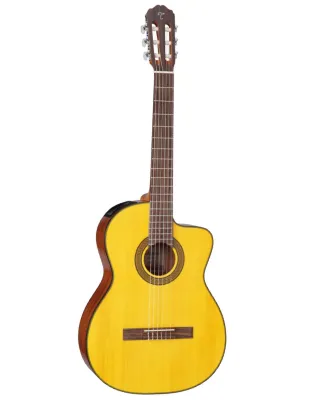
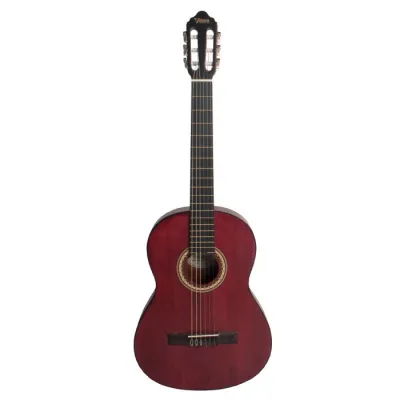
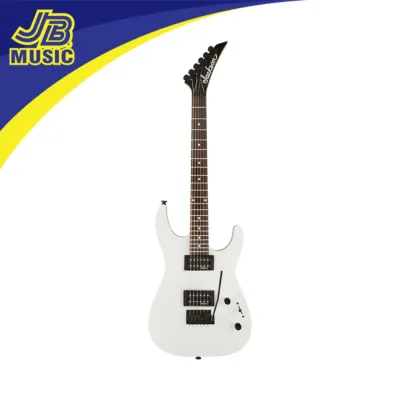
Prices are valid at publication and may change. Please refer to the product page for the latest price.
The learning curve of each instrument is heavily influenced by these physical characteristics. Because the ukulele uses soft nylon strings under low tension, it causes very little finger pain for beginners. Many basic ukulele chords require only one or two fingers, allowing new players to strum complete songs within their first few hours of practice. Guitars, especially steel-string acoustics, have much higher string tension. Beginners must develop fingertip calluses over the first two to three weeks of practice, and forming six-string chord shapes requires more coordination and hand strength.
Portability and convenience are also practical considerations for daily life. A ukulele is lightweight and highly compact, fitting easily into a small backpack or gig bag. This makes it incredibly convenient to transport on daily commutes, bring to school, or pack for weekend trips. A guitar is much larger and heavier, requiring dedicated storage space at home and more effort to transport safely on public transit or in a vehicle.
To help you determine which instrument aligns best with your specific needs, consider this comparison of common beginner profiles:
| Beginner Profile | Recommended Instrument | Key Reason |
|---|---|---|
| Young Children (under 10) | Soprano Ukulele | Lightweight, small scale length, and soft strings prevent hand strain. |
| Adults with Smaller Hands | Concert Ukulele or 3/4 Guitar | Shorter fretboard reach reduces finger stretching and joint fatigue. |
| Frequent Travelers | Soprano or Concert Ukulele | Highly portable, compact, and easy to pack into tight spaces. |
| Fans of Pop, Folk, and Rock | Acoustic Guitar (Steel String) | Essential for achieving the bright, driving rhythm of classic acoustic tracks. |
| Casual Learners / Quick Results | Concert Ukulele | Low physical barrier allows for rapid progress and immediate enjoyment. |
Ultimately, your choice should reflect your personal musical goals. If your dream is to play complex fingerstyle arrangements or accompany yourself with the rich, deep resonance of a guitar, the initial physical challenge of learning the guitar is well worth the effort. If you prefer a gentle, low-pressure introduction to stringed instruments that allows you to play songs quickly, starting with a ukulele is an excellent path.
How to Choose the Right Beginner Guitar at JB Music
When browsing the guitar selection at JB Music, the first major decision is choosing between a classical guitar and an acoustic guitar. Classical guitars utilize nylon strings, which produce a warm, mellow, and soft tone. The fretboard of a classical guitar is wider and flatter, providing generous spacing between the strings. This spacing helps prevent your fingers from accidentally muting adjacent strings, making classical guitars highly recommended for younger students or anyone concerned about finger soreness. Acoustic guitars utilize steel strings, which deliver a bright, crisp, and loud projection. Acoustic guitars have narrower necks, which can make forming chords easier for smaller hands, though the high string tension requires more pressing force.

Body size is another critical factor that directly impacts playability. Dreadnought guitars are the traditional standard, offering robust volume and deep bass, but their bulky size can feel awkward for petite players or teenagers. Auditorium (or Grand Auditorium) bodies feature a narrower waist, making them sit more comfortably on the lap while maintaining a balanced tonal profile. A 3/4-size guitar is scaled down specifically for children or travelers who need a more manageable instrument body.
String action, which refers to the height of the strings above the fretboard, is incredibly important for a beginner. If the action is too high, you must press down excessively hard to fret a note, leading to rapid hand fatigue and poor intonation. Low action is essential for beginners, allowing for smooth chord transitions and comfortable practice sessions.
JB Music regularly carries several entry-level guitar lines that are well-suited for beginners:
- Fernando Classical Guitar Series: These entry-level classical models feature laminate spruce or basswood tops and durable nylon strings. They are designed specifically for students and budget-conscious beginners. The wide neck profile helps develop precise finger placement, though players with very small hands may find the stretch challenging.
- Lazer Acoustic Guitar Series: A staple in the budget category, Lazer acoustics feature laminate linden wood construction and steel strings. They offer a slim neck profile that is easy to grip for beginners. However, factory setups can occasionally feature slightly high action, so having an in-store technician adjust the saddle is highly recommended.
- Fernando Acoustic Guitar Series: These standard dreadnought and auditorium-sized steel-string guitars offer a robust laminate build that stands up well to daily practice. They provide a bright, resonant tone suitable for modern pop and acoustic covers. The primary limitation is the initial finger discomfort common to all steel-string instruments.
Because inventory can vary across physical branches and online stores, it is always wise to contact your local JB Music outlet to verify which specific entry-level models are currently in stock before making a trip.
How to Choose the Right Beginner Ukulele at JB Music
Ukuleles come in three primary standard sizes, each offering a distinct balance of playability and tone. The Soprano ukulele (21 inches) is the traditional size, producing a bright, plucky tone. It is ideal for young children due to its small scale. The Concert ukulele (23 inches) features a slightly larger body and longer neck, providing a warmer, deeper sound and more space between frets. This makes the Concert size the ideal sweet spot for adult beginners. The Tenor ukulele (26 inches) offers a fuller, more guitar-like resonance and is favored by intermediate players who enjoy fingerpicking.
Material selection is particularly important in the Philippines, where the tropical climate features high relative humidity. Solid-wood instruments are highly sensitive to humidity fluctuations; excess moisture can cause the wood to swell, raising the action, while dry air-conditioned environments can cause solid wood to crack. Laminate wood, which consists of layered wood veneers, is structurally stable and highly resistant to humidity-induced warping. For a beginner, a laminate ukulele is not only more affordable but also far more forgiving in local weather conditions.
When exploring the ukulele section at JB Music, look for reliable entry-level options:
- Clifton Concert Ukulele: Built with laminate mahogany or spruce, these ukuleles offer a surprisingly warm, resonant tone. They come equipped with geared tuning pegs and quality Aquila nylon strings, which hold their pitch much better than generic strings. The laminate construction ensures excellent durability against tropical humidity.
- Fernando Soprano Ukulele: An ultra-affordable option, perfect for young children or casual hobbyists. It features a lightweight laminate body available in various finishes. The compact size is highly portable, though the short fretboard scale may feel cramped for adults.
When purchasing a budget ukulele, avoid models with friction tuning pegs (simple plastic pegs that rely on friction to stay in place), as they slip constantly and make keeping the instrument in tune incredibly frustrating. Geared tuners, which use a mechanical gear system to lock the string tension securely, are a minimum quality threshold for a frustration-free learning experience.
Starter Bundles and Essential Accessories
To get the most out of your new instrument, you will need a few essential accessories. A clip-on chromatic tuner is the most critical tool for a beginner. New nylon and steel strings stretch significantly during their first few weeks of use, requiring frequent tuning. A clip-on tuner detects the physical vibration of the headstock, allowing you to tune accurately even in a noisy room.
Protection and maintenance accessories are also necessary. A padded gig bag with at least 5mm of foam padding is essential for safeguarding your instrument from minor impacts, dust, and sudden humidity changes. A spare set of strings is important to keep on hand, as strings can snap unexpectedly during tuning or practice. For guitarists, a comfortable strap helps maintain proper playing posture, and a few medium-gauge picks are useful for practicing consistent strumming techniques.
Many music stores offer starter bundles that package the instrument with various accessories. When evaluating these bundles at JB Music, look closely at the quality of the included items. A good bundle should prioritize a reliable digital tuner and a padded bag over low-quality filler items like thin plastic dust covers or excessive picks.
Before taking your new instrument home, ask the store staff about its setup. A proper setup involves adjusting the neck curvature (via the truss rod on steel-string guitars) and filing the nut and saddle slots to lower the string action. A well-set-up instrument is significantly easier to play, reducing finger pain and helping you progress faster. Avoid buying expensive optional accessories, such as premium capos or effects pedals, until you have mastered the fundamental chords and built consistent practice habits.
Frequently Asked Questions (FAQ)
Does JB Music offer free setup or string changes for new instruments?
Many JB Music branches have in-house technicians who can inspect your instrument and perform basic adjustments, such as checking the neck relief and string height, at the time of purchase. While a basic initial check is often included, more comprehensive setups or subsequent string changes typically incur a modest service fee (usually ranging from ₱150 to ₱300, excluding the cost of new strings). It is always best to confirm the specific services and warranty policies with your local branch or official online customer support.
What size guitar should I buy for a 10-year-old child?
For a 10-year-old child, a 3/4-size guitar is generally the most comfortable fit. This fractional size matches their arm span and hand size, preventing them from straining to reach the lower frets or wrap their arm around a bulky body. Choosing a classical guitar with nylon strings is highly recommended for this age group, as nylon strings are much softer on young fingertips than steel strings, helping to maintain their enthusiasm for daily practice.
Should I buy an acoustic-electric guitar as my first instrument?
For most complete beginners, a standard acoustic guitar is a more practical and cost-effective choice. Acoustic-electric guitars feature built-in pickups and preamps, which are only necessary if you plan to plug into an amplifier for live performances or record directly into an audio interface. At an entry-level price point, the cost of these electronics often means the manufacturer had to use lower-quality wood or hardware to keep the price competitive. A pure acoustic model allows your budget to go entirely toward the structural quality, wood, and playability of the instrument itself.
Community discussion
Share your experience or ask a question. Comments are reviewed before publication.