
Finding your first guitar amp can feel overwhelming with the massive variety of options on the market. In the Philippines, the ideal beginner amplifier needs to balance clear tone, versatile features, and practical volume levels for home practice. For most beginners, a modern solid-state or digital modeling amplifier is the smartest choice, offering excellent sound at a reasonable price point without the delicate maintenance requirements of traditional tube gear.
By focusing on key specifications like wattage, speaker size, and connectivity, you can find a reliable unit that fits your living space, budget, and musical style. Selecting the right gear early on ensures a smoother learning curve and keeps you motivated to practice every day.
What to Look for in Your First Guitar Amp
Understanding the basic technology behind guitar amplification helps you make an informed purchase. Amplifiers are generally divided into three main categories: solid-state, modeling, and tube. Solid-state amplifiers use analog transistors to amplify the signal, making them highly durable, reliable, and consistent in tone. Modeling amplifiers are a modern subset of digital technology; they use computer chips to run software that simulates the circuitry of legendary amplifiers and effects, giving you a massive library of sounds in a single box. Tube (or valve) amplifiers are the traditional standard for professional stages, using vacuum tubes to create warm, natural compression. However, they are heavy, fragile, expensive, and must be played at high volumes to sound their best, making them highly impractical for beginner home practice.
Products mentioned in this guide
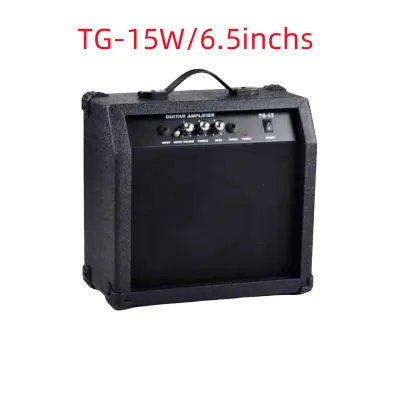
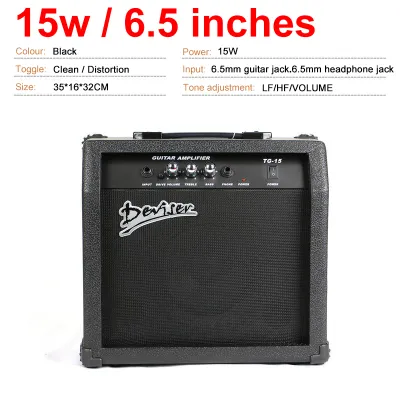
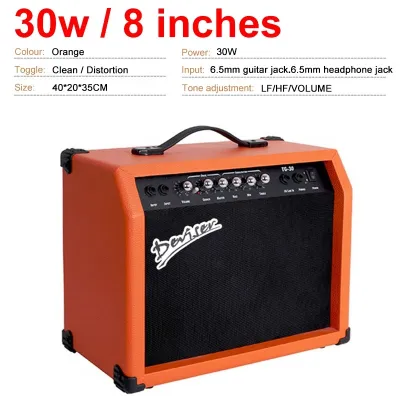
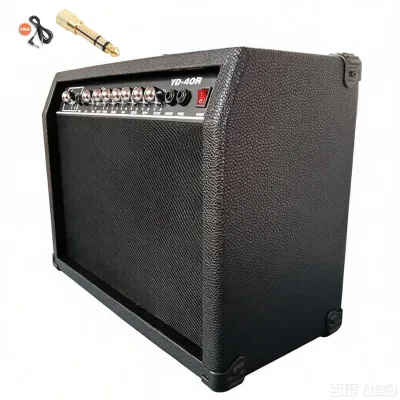
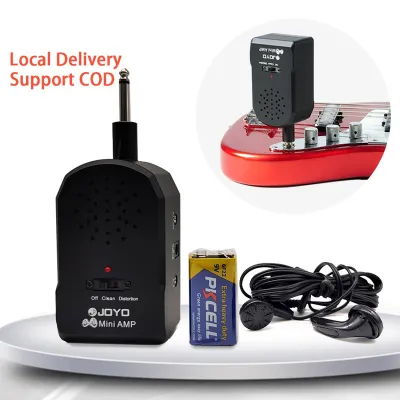
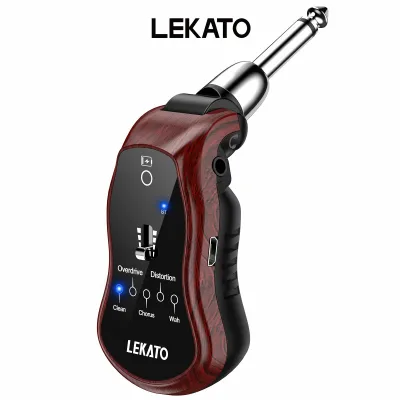
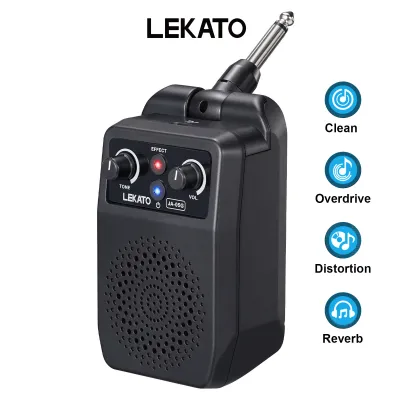
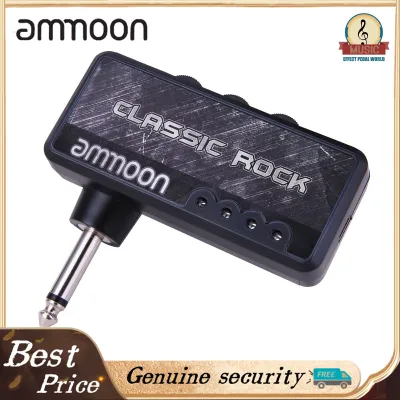
Prices are valid at publication and may change. Please refer to the product page for the latest price.
Wattage and speaker size dictate how your amplifier projects sound and where it can be used. Beginners often assume that higher wattage equals better performance, but volume does not scale linearly. A 50-watt amplifier is not five times louder than a 10-watt amplifier; rather, it has more headroom, meaning it can play louder before the clean tone starts to distort. For practicing in typical Philippine residential settings—such as subdivisions, condominiums, or shared apartments—an amplifier rated between 10 and 30 watts is more than sufficient. Speaker size also dictates the fullness of your tone. Small speakers under 6 inches can sound thin and boxy, whereas an 8-inch or 10-inch speaker provides a balanced frequency response with enough low-end warmth to make your guitar sound full and satisfying without vibrating the walls.
Purchasing individual effect pedals like overdrive, delay, reverb, and chorus can quickly double or triple your initial investment. Modern beginner amplifiers solve this by integrating these digital effects directly into the unit. This allows you to explore different musical genres—from clean jazz and ambient post-rock to high-gain metal—without spending extra money on external hardware. You can learn how different effects interact before deciding which physical pedals are worth buying later in your musical journey.
Practice habits dictate how quickly you progress, and the right inputs and outputs make practicing much easier. A dedicated headphone jack is essential for silent practice during late nights or hot afternoons when family members are resting. Look for amplifiers that feature cabinet simulation on the headphone output; this technology mimics the acoustic properties of a physical speaker cabinet, preventing the harsh, fizzy sound common in basic headphone jacks. Additionally, an auxiliary (Aux) input or Bluetooth connectivity lets you plug in your phone or tablet to play along with backing tracks, metronomes, or online video lessons.
Top Beginner Guitar Amp Categories for Every Practice Style
Best for Bedroom Practice and Silent Playing
When space is limited and keeping the peace with neighbors is a priority, desktop and mini amplifiers excel. These compact units are designed to sit on a study desk or shelf, delivering high-quality tones at conversation-level volumes. They typically run on either a wall adapter or batteries, making them highly portable for outdoor practice or travel.

The Boss Katana-Mini is a standout example in this category. Weighing under three pounds, it utilizes a multi-stage analog gain circuit to produce highly responsive clean, crunch, and high-gain tones. It features a simple three-band equalizer and a built-in tape-style delay effect, making it incredibly user-friendly for absolute beginners who prefer turning physical knobs over navigating digital menus.
Another exceptional option is the Yamaha THR series. These desktop amplifiers are engineered with hi-fi stereo speakers, meaning they double as excellent external speakers for your music when you are not playing guitar. Their headphone outputs utilize advanced spatial technology to create a wide, realistic room feel, which helps reduce ear fatigue during long, silent practice sessions.
Best for Versatility and Built-in Effects
If you want to experiment with a vast library of tones and customize your sound via software, mid-sized digital modeling amplifiers are the ideal choice. These units bridge the gap between home practice and light jamming with friends, offering higher wattage and larger speakers alongside deep digital integration.
The Fender Mustang LT25 is a highly popular entry-point for players who want immediate variety. It features a bright, easy-to-read color screen that lets you scroll through dozens of pre-configured presets designed to mimic famous songs and guitarists. It also includes a USB port, allowing you to connect the amplifier to your computer to record your playing directly into digital audio workstation (DAW) software or to edit presets via the Fender Tone app.
Similarly, the Blackstar ID:Core V3 series offers an immersive “Super Wide Stereo” listening experience. This technology uses two physical speakers to project sound wide across the room, making built-in modulation and delay effects sound incredibly lush. The companion Architect software provides deep editing capabilities, giving you access to noise gates, cabinet simulators, and fine-tuned equalization controls that are not physically present on the top panel of the amplifier.
Best Budget-Friendly Options
For students or hobbyists operating on a strict budget, finding an affordable amplifier that still delivers reliable tone and durable construction is key. While the temptation to purchase ultra-cheap, unbranded amplifiers from online marketplaces is strong, these units often suffer from poor electrical shielding, resulting in a constant, frustrating background hum. They may also lack basic safety certifications, posing electrical risks in areas prone to voltage fluctuations.
To get the most value without sacrificing quality, look to established brands that offer stripped-down, analog solid-state designs. The Orange Crush 12 is an excellent example of a budget-friendly amplifier that prioritizes pure tone over digital bells and whistles. It features a simple, fully analog signal path with a three-band EQ and a dedicated overdrive control, delivering the classic, punchy British rock tones that the brand is famous for.
If you still want digital variety on a budget, the NUX Mighty Lite BT MKII offers a highly competitive feature set at a fraction of the cost of larger modeling amps. This tiny unit includes Bluetooth connectivity, allowing you to stream backing tracks and edit your effects parameters wirelessly using a smartphone app. It represents the modern standard of budget gear, where digital advancements make high-quality features accessible at lower price points.
How to Compare Amp Specs and Features
To help you narrow down your choices, compare the key specifications of these popular entry-level models side by side. Each model excels in different environments, so consider where and how you plan to practice most often.
| Model Name | Wattage | Speaker Size | Built-in Effects | Connectivity | Best Use Case |
|---|---|---|---|---|---|
| Boss Katana-Mini | 7W | 4" | 3 voices, Tape Delay | Headphone, Aux | Ultra-portable desktop practice |
| Fender Mustang LT25 | 25W | 8" | 20 amps, 25 effects | Headphone, Aux, USB | Preset exploration and computer recording |
| Blackstar ID:Core Stereo 10 V3 | 10W (2x5W) | 2×3" | 6 voices, 12 stereo effects | Headphone, Aux, USB | Immersive stereo bedroom practice |
| Orange Crush 12 | 12W | 6" | Analog Overdrive (No digital effects) | Headphone | Simple, plug-and-play classic rock tones |
When analyzing these specifications, keep in mind that a larger speaker cabinet naturally moves more air, creating a fuller bass response and a more realistic “in-the-room” feel. However, this comes at the cost of portability and physical space. If you live in a small apartment or need to pack your gear away after every practice session, a compact desktop model like the Katana-Mini or Blackstar ID:Core is highly practical. Conversely, if you have a dedicated practice corner and want a fuller, more resonant sound that can keep up with a heavy-handed drummer or another guitarist in the future, investing in an 8-inch speaker cabinet like the Mustang LT25 is the better long-term decision.
Where to Buy and How to Set Up Your Amp in the Philippines
To ensure you are purchasing a genuine product backed by a manufacturer’s warranty, always buy from authorized local music retailers. Major chains in the Philippines, such as Yupangco Music, JB Music, Lazer Music, and Crescendo, carry official stock from brands like Fender, Boss, Orange, and Blackstar. Many of these retailers also operate official flagship stores on major online marketplaces. Buying from these authorized channels protects you from counterfeit units and ensures that you have access to local repair services or replacements if any technical issues arise within your warranty period (typically six months to one year). Avoid buying from unverified peer-to-peer sellers, especially if the price is significantly lower than retail, as these units may be damaged, refurbished, or grey-market imports lacking local support.
Power standards in the Philippines are rated at 220V AC at 60Hz. Many modern digital modeling amplifiers utilize universal auto-switching power adapters (labeled as 100V-240V, 50/60Hz), which safely adapt to local outlets automatically. However, you must verify this voltage rating on the power brick or the back of the amplifier before plugging it into your wall. If you purchase an imported amplifier originally manufactured for the Japanese market (100V) or the North American market (120V) without a universal power supply, plugging it directly into a Philippine outlet will permanently damage the internal transformer and void your warranty. In such cases, you will need to purchase a dedicated step-down transformer. Additionally, ensure you use a high-quality surge protector to shield your digital amplifier’s sensitive microprocessors from sudden power surges or brownouts, which are common in many regions of the country.
If you are purchasing your amplifier from a physical store, take the time to test the unit thoroughly before leaving. If possible, bring your own guitar so you can hear exactly how the amplifier interacts with your instrument’s pickups. Plug the amplifier in, turn the volume up without playing, and listen for any excessive background hum or buzzing, which could indicate a grounding issue in the store’s wiring or a defect in the amplifier’s shielding. Turn every control knob slowly to ensure there is no static or crackling noise (often caused by dust or oxidation in the potentiometers). Finally, test all the physical connection ports, including the headphone jack and auxiliary input, to confirm they establish a clean, uninterrupted connection.
Frequently Asked Questions (FAQ)
Can I use an electric guitar amp for an acoustic guitar?
Yes, you can physically plug an acoustic-electric guitar into an electric guitar amplifier, and it will produce sound without damaging the equipment. However, electric guitar amplifiers are specifically voiced to color the sound, cutting high frequencies and boosting mid-range tones to suit magnetic pickups. When you plug an acoustic guitar with a piezo pickup into an electric amp, the result is often a highly colored, muddy, or unnaturally harsh tone. Furthermore, because acoustic guitars are highly resonant, they are prone to severe feedback when paired with the high-gain preamp stages of electric guitar amps. For a clean, natural acoustic sound, it is highly recommended to use a dedicated acoustic amplifier or plug directly into a small PA system.
Do I need to buy a separate distortion pedal right away?
No, you do not need to purchase external effects pedals when you are just starting out. Modern solid-state and digital modeling amplifiers come equipped with highly realistic built-in overdrive, distortion, and fuzz channels. These built-in options are more than sufficient for learning basic techniques, practicing riffs, and exploring different musical genres. Focusing on the built-in controls of your amplifier during your first year of playing allows you to develop your finger strength, timing, and basic tone-shaping skills without the distraction of managing a complex pedalboard. Once you have a firm grasp of the basics and understand which specific effects you use most often, you can make more informed decisions about purchasing dedicated physical pedals.
How do I maintain my guitar amp in a humid climate?
The tropical climate of the Philippines presents unique challenges for electronic musical equipment, with high relative humidity and ambient dust accelerating the wear of internal components. Moisture can cause oxidation on metal input jacks, control knobs (potentiometers), and circuit boards, leading to scratchy noises when adjusting settings or intermittent signal loss. To protect your amplifier, store it in a well-ventilated room away from direct sunlight and off damp concrete floors—using a small wooden stand or placing it on a desk is ideal. When the amplifier is not in use, protect it from airborne dust and moisture by covering it with a breathable fabric dust cover. Solid-state and digital modeling amplifiers are generally much more resilient to humidity than traditional tube amplifiers, but placing a few silica gel packets inside the back of an open-backed cabinet can still help absorb excess moisture and prolong the life of your gear.
Community discussion
Share your experience or ask a question. Comments are reviewed before publication.