
Building wealth as a young professional in the Philippines requires more than just hard work; it demands a strategic understanding of how money operates within the local economy. While the concept of a “pera lumikha ng pera book”—a guide on how to make money generate more money—is highly sought after, finding the right literature involves matching your current financial literacy with practical, actionable advice. The best finance books for young Filipinos are those that bridge the gap between universal wealth-building principles and the unique economic realities of the country. By selecting books that address local investment vehicles, tax structures, and cultural expectations, you can establish a solid foundation for lifelong financial independence.
Why Local Context Matters for Filipino Readers
While classic global financial bestsellers offer excellent foundational mindsets regarding assets and liabilities, they often fall short when applied directly to the Philippine regulatory landscape. For instance, discussions on foreign-specific tax shelters like the 401(k) or Roth IRA do not translate to local systems. Young readers in the Philippines must navigate different tax laws, such as the Tax Reform for Acceleration and Inclusion (TRAIN) Act, and understand how withholding taxes affect their net investment returns.
Local financial literature is indispensable because it explains specific domestic instruments. A reader needs to understand the mechanics of the Pag-IBIG MP2 savings program, Unit Investment Trust Funds (UITFs) offered by local banks, and mutual funds registered with the Securities and Exchange Commission (SEC). Furthermore, understanding how the Social Security System (SSS) or the Government Service Insurance System (GSIS) fits into a broader retirement strategy requires localized knowledge that international authors cannot provide.
Products mentioned in this guide


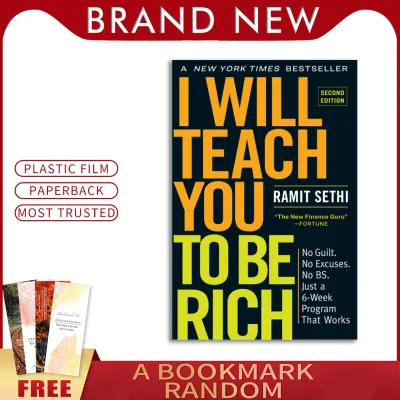


Prices are valid at publication and may change. Please refer to the product page for the latest price.
In the Philippines, personal finance is rarely purely personal; it is deeply social and familial. Young professionals often face the unique challenge of the “sandwich generation,” where they are expected to support both their parents and their own future families. Local financial books address these cultural nuances, offering guidance on how to set healthy financial boundaries with relatives, manage “utang na loob” (debt of gratitude), and navigate family contributions without compromising one’s own wealth-building goals.
How to Match Books to Your Current Financial Stage
Assessing your current financial literacy is the first step in choosing the right book. If you are struggling with high-interest debt or finding it difficult to save your first ₱10,000, an advanced guide on stock market trading or real estate syndication will only cause overwhelm. Beginners should look for introductory texts that focus on cash flow management, debt elimination, and the psychology of saving. Conversely, if you already have a stable emergency fund, you should seek out books that transition from basic budgeting to active wealth accumulation and asset allocation.

Evaluating the author’s background and teaching style is crucial for ensuring the advice is both credible and digestible. Look for authors who hold recognized professional credentials in the financial sector, such as Registered Financial Planners (RFP), Certified Financial Planners (CFP), or licensed investment advisors. The teaching style should match your learning preferences; some readers benefit from highly structured, step-by-step workbooks, while others prefer narrative-driven books that use relatable anecdotes to explain complex economic concepts.
Checking the publication date is a vital pre-purchase step that is often overlooked. The financial landscape in the Philippines evolves rapidly due to regulatory updates, technological advancements, and shifting market conditions. A book published over a decade ago might reference outdated tax rates, obsolete investment platforms, or historical interest rates that no longer reflect today’s economic reality. Always verify the copyright page or look for revised editions to ensure the advice remains compliant with current laws and market practices.
Core Book Categories for Wealth Creation
Budgeting and Debt Management Basics
Adapting standard budgeting rules to local living costs is essential for realistic financial planning. The classic 50/30/20 rule (allocating 50% of income to needs, 30% to wants, and 20% to savings) often requires adjustment in urban centers like Metro Manila or Cebu, where high inflation and rising rental costs can stretch basic living expenses. Books in this category help readers customize their budget templates to reflect actual local costs, ensuring that savings goals remain achievable rather than discouragingly out of reach.
Managing modern debt in the Philippines requires a deep understanding of local credit practices and digital financial ecosystems. With the rapid rise of digital wallets, online lending applications, and “buy now, pay later” schemes, young consumers face unprecedented temptations to overspend. Literature focusing on debt management provides practical strategies for handling credit card interest rates, avoiding predatory lending practices, and utilizing digital tools to track daily expenses effectively.
When searching for resources, look for works by recognized local financial advocates who emphasize cash flow control. These books often use the concept of a “pera lumikha ng pera book” to illustrate how eliminating high-interest liabilities is the fastest way to free up capital for future investments. They provide step-by-step guides on debt snowball or avalanche methods tailored to local banking systems, helping readers transition from a state of financial survival to active wealth creation.
Investing in Local Markets and Assets
Transitioning from saving to investing requires a clear understanding of domestic asset classes. Books in this category demystify the Philippine Stock Exchange (PSE), explaining how to open a brokerage account, analyze local corporate earnings, and build a diversified stock portfolio. They also introduce indirect investment options, such as mutual funds and Unit Investment Trust Funds (UITFs), which allow beginners to pool their money under professional management, as well as the fundamentals of local real estate investing.
Verifying author credentials and professional licenses is a critical safety check when reading investment literature. The financial sector is highly regulated, and authors offering specific investment advice should ideally be registered with the Securities and Exchange Commission (SEC) or hold recognized industry certifications. Reading books written by licensed professionals protects you from speculative schemes and ensures that the investment strategies presented are grounded in sound, compliant financial theory.
Ensuring regulatory accuracy and updated market data is particularly important when studying investment guides. Market volatility, changes in corporate tax rates, and the introduction of new investment platforms can render older investment advice obsolete. Readers should look for books that explain how to analyze current market indicators and verify that the historical performance data cited in the text is used as an educational tool rather than a guarantee of future returns.
Mindset and Long-Term Financial Planning
Sustaining wealth over the long term requires a fundamental shift in mindset, especially when navigating multi-generational financial expectations. In many Filipino households, successful family members are expected to act as financial safety nets for the extended family. Books focusing on financial psychology help young readers navigate these delicate social dynamics. They offer practical advice on how to communicate openly about money, establish clear boundaries, and support loved ones without jeopardizing their own long-term financial security.
Building a robust emergency fund is another cornerstone of long-term planning that must be tailored to the local landscape. Unlike countries with comprehensive state-funded healthcare, a medical emergency in the Philippines can quickly deplete a family’s savings. Financial literature in this category guides readers on how to calculate an adequate emergency fund—typically three to six months of living expenses—while factoring in the costs of local health maintenance organizations (HMOs) and PhilHealth coverage gaps.
Finally, retirement planning must utilize the specific national frameworks available to Filipino citizens. While the Social Security System (SSS) provides a basic pension, it is rarely sufficient to maintain a comfortable lifestyle in retirement. Books on long-term planning introduce readers to private pension options and tax-incentivized programs like the Personal Equity and Retirement Account (PERA). Understanding how to leverage these local accounts early in your career allows compound interest to work in your favor over several decades.
Pre-Purchase Checks and Finding Authentic Copies
Before purchasing any personal finance book, performing a few essential checks can save you time and money. First, always identify the latest edition of the book. Authors frequently update their chapters to reflect new tax laws, updated investment platforms, and modern financial tools. Purchasing an outdated edition might leave you with obsolete advice that does not comply with current regulations, potentially leading to costly financial mistakes.
Next, compare physical and e-book formats based on your personal reading habits and study preferences. Physical books are excellent for those who prefer to highlight key passages, write notes in the margins, and keep a tangible reference on their bookshelf. However, in the tropical climate of the Philippines, physical books require careful storage to protect them from high humidity and pests. E-books, on the other hand, offer instant delivery, portability, and easy searchability, making them highly convenient for reading on mobile devices during daily commutes.
Finally, ensure you are purchasing from authorized local bookstores or official online flagship stores. The market is unfortunately flooded with pirated, low-quality reprints that often suffer from missing pages, blurry text, and binding failures. To guarantee you receive a complete and authorized copy, avoid suspicious listings on open online marketplaces that offer books at unrealistically low prices. Buying from official publishers or established distributors ensures that the author is fairly compensated and that you receive a high-quality, accurate text.
Frequently Asked Questions (FAQ)
Are international finance books useful for local readers?
Yes, international finance books remain highly valuable for young Filipino readers, provided they are read with a critical eye. These books excel at teaching universal financial principles, such as the power of compound interest, the importance of living below your means, the psychology of spending, and the difference between assets and liabilities. However, readers must actively filter out country-specific details. When an international author discusses a 401(k), a Roth IRA, or specific index funds like the S&P 500, a local reader should translate those concepts into their Philippine equivalents, such as the Personal Equity and Retirement Account (PERA), Pag-IBIG MP2, or local index funds tracking the Philippine Stock Exchange Index (PSEi).
Should I choose physical copies or digital versions?
The choice between physical and digital formats depends largely on your lifestyle, study habits, and storage conditions. Physical books are highly effective for active learning, as they allow you to easily flip back and forth, write annotations, and study without screen fatigue. However, they are susceptible to damage from the high humidity and tropical climate of the Philippines, requiring dry, well-ventilated storage. Digital versions, such as e-books, are highly portable, immune to physical wear, and often more affordable. They are ideal for reading on smartphones or e-readers during commutes, though they require compatible devices and do not offer the same tactile experience as a physical volume.

Community discussion
Share your experience or ask a question. Comments are reviewed before publication.