
Starting your financial journey as a young professional in the Philippines can feel like navigating an intricate maze. Between managing daily expenses in a high-inflation environment, handling family financial expectations, and trying to decode complex investment options, the path to financial independence requires clear, actionable guidance. While the internet is flooded with financial advice, books remain one of the most structured and reliable ways to build a solid foundation of wealth-building knowledge. However, not all finance books are created equal, especially when applied to the Philippine economic landscape.
To build a strong financial foundation, you need a curated mix of local tactical guides that deal with Philippine taxes, Pag-IBIG MP2, and local budgeting, alongside global classics that teach the psychology of compounding and wealth building. By combining these resources, you can develop both the practical skills needed to navigate local financial institutions and the wealth-building mindset required for long-term success.
How to Choose the Right Finance Book for the Philippine Context
Selecting the right books requires looking past generic bestseller lists. Many global finance books assume the reader has access to financial infrastructure that simply does not exist or operates differently in the Philippines. For example, advice centered on US tax-advantaged accounts like the 401(k) or Roth IRA cannot be directly applied by a young professional earning in Philippine Pesos (PHP). Instead, you must evaluate books based on three core dimensions: local relevance, beginner accessibility, and actionable frameworks.
Products mentioned in this guide
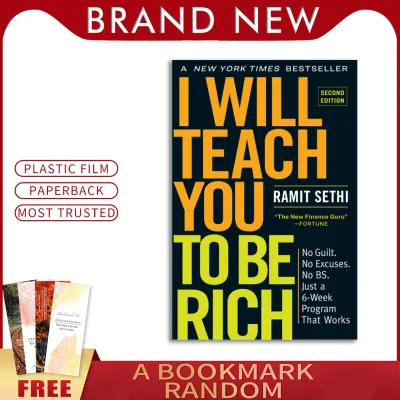
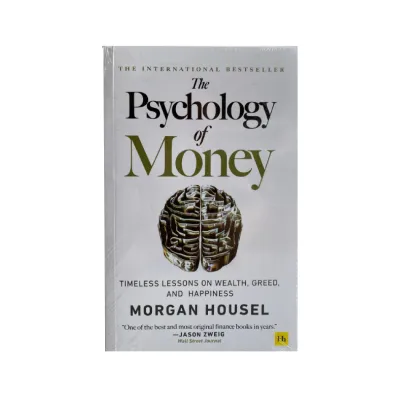

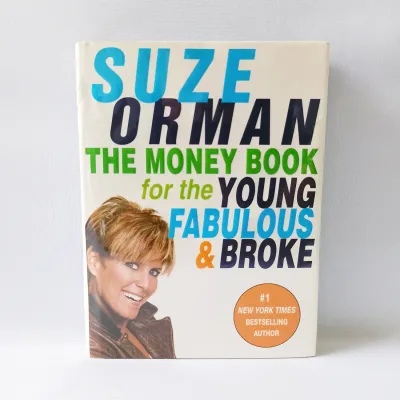
Prices are valid at publication and may change. Please refer to the product page for the latest price.
Local relevance is the most critical filter for tactical execution. A practical guide must address the specific regulatory and economic environment of the Philippines, including local tax brackets under the Tax Reform for Acceleration and Inclusion (TRAIN) Law, the Social Security System (SSS), and Pag-IBIG Fund programs. Furthermore, the publication date and edition of a book are highly significant. The Philippine financial landscape has evolved rapidly over the past decade. Books published before the widespread adoption of high-yield digital banks, the introduction of Real Estate Investment Trusts (REITs) on the Philippine Stock Exchange (PSE), or recent tax reforms may offer outdated or even counterproductive advice.
At the same time, you should not dismiss international literature entirely. While local books provide the exact blueprints for opening accounts and navigating taxes, global classics excel at shaping your psychological relationship with money. The key is to understand that no single book is a complete solution. A successful reading strategy involves pairing local tactical guides with global behavioral masterpieces to build both a practical toolkit and a resilient wealth-building mindset.
Local Picks: Mastering Philippine Taxes, Savings, and Investments
Navigating the financial realities of working and living in the Philippines requires localized knowledge. Philippine-authored books provide the exact context needed to manage a salary in PHP, handle local banking institutions, and make investments within the regulatory framework of the Securities and Exchange Commission (SEC) and the Bangko Sentral ng Pilipinas (BSP).

Foundational Budgeting and Debt Management
For young Filipinos earning their first salaries, the immediate challenge is often escaping the paycheck-to-paycheck cycle, colloquially known as “petsa de peligro.” This struggle is frequently compounded by unique cultural expectations, such as the “black tax”—the financial responsibility of supporting extended family members. Local authors understand these cultural and economic pressures intimately and offer tailored frameworks to address them.
Randell Tiongson’s “No Nonsense Personal Finance: Step by Step Guide” is an excellent starting point for young professionals. Tiongson breaks down the basics of cash flow management, debt reduction, and emergency fund creation without overwhelming the reader with complex jargon. He addresses the emotional aspects of Filipino money habits, helping readers navigate family obligations while securing their own financial future.
Another highly accessible resource is Chinkee Tan’s “Diary of a Pulubi” series. Written in a conversational blend of English and Tagalog (Taglish), these pocket-sized books focus on practical spending habits, identifying common money traps, and shifting from a consumer mindset to a saver mindset. While these books are highly effective for absolute beginners, readers must keep in mind that the specific budgeting percentages or cost-of-living examples mentioned may need adjustment to match current inflation rates and housing costs in major metropolitan areas like Metro Manila or Metro Cebu.
Introduction to Philippine Investment Vehicles
Once you have stabilized your cash flow and built an emergency fund, the next step is putting your savings to work. Investing in the Philippines requires a clear understanding of the specific instruments available to retail investors, as well as the platforms that facilitate these transactions.
“Wealth Within Your Reach” by Francisco Colayco remains a classic primer on building wealth in the local context. Colayco demystifies the concept of making money work for you, introducing beginners to local mutual funds, Unit Investment Trust Funds (UITFs), and the basics of the Philippine Stock Exchange (PSE). He explains how average earners can participate in these wealth-building vehicles with relatively low starting capital.
When reading these investment guides, it is vital to verify the publication edition to ensure the information aligns with modern financial products. For instance, older editions may not cover the Pag-IBIG Modified Pag-IBIG II (MP2) program—a highly popular, tax-free, government-backed voluntary savings program that has consistently offered competitive dividend rates. Similarly, modern readers should supplement these books with up-to-date research on local digital banks, which offer significantly higher interest rates for emergency funds compared to traditional brick-and-mortar banks. Always cross-reference any broker or platform recommendations found in older books with the SEC’s current list of registered and authorized entities to protect your capital from unregistered investment schemes.
Global Classics: Building the Right Money Mindset and Habits
While local books provide the tactical blueprints, international finance classics offer timeless principles on behavioral psychology, long-term wealth accumulation, and the mathematical beauty of compounding. These books help you build a philosophy of money that remains constant regardless of economic cycles or geographic locations.
Behavioral Psychology and Money Habits
The psychological barrier to saving and investing is often much higher than the technical one. Understanding why we make poor financial decisions and how to build sustainable habits is the cornerstone of long-term wealth.
Morgan Housel’s “The Psychology of Money” is a masterpiece in explaining how personal history, pride, and greed influence our financial choices. Housel argues that doing well with money is not necessarily about what you know, but how you behave. This perspective is incredibly valuable for young Filipinos who may feel discouraged by modest starting salaries, as it emphasizes that consistency and behavioral control are far more powerful than high initial capital.
To translate these global concepts into your daily life, you must map foreign financial terms to their local equivalents. When international authors discuss the importance of automated retirement accounts like the 401(k) or Roth IRA, you can apply the same principle of automation to your Pag-IBIG MP2 contributions or the Personal Equity and Retirement Account (PERA) offered by Philippine banks. Similarly, when global books discuss credit scores, you can look to the Credit Information Corporation (CIC) or TransUnion Philippines to understand how your local credit history is tracked and evaluated.
Long-Term Wealth and Indexing Strategies
Understanding how to build wealth over decades requires grasping the power of passive investing, low-cost index funds, and asset allocation.
“The Simple Path to Wealth” by JL Collins is widely regarded as one of the clearest guides to achieving financial independence through index fund investing. Collins advocates for a simple, low-stress approach: buy a broad-market index fund, hold it forever, and ignore the short-term noise of the stock market. The mathematical principles of compounding and market resilience he outlines are universally applicable.
However, young Filipino investors must understand the practical limitations of implementing these exact strategies from the Philippines. Purchasing US-domiciled ETFs (like VOO or VTI) directly from Manila involves navigating foreign exchange fees, international wire transfer costs, and distinct tax treatments, such as the 30% withholding tax on dividends for non-US residents. To apply Collins’ principles locally, you can look for Philippine equivalents, such as local PSEi index mutual funds, UITFs, or global feeder funds offered by major Philippine banks and licensed digital investment platforms. While these local options often have higher management expense ratios than US index funds, they eliminate the high barriers to entry and currency conversion complexities for beginners.
Local vs. International Books: Which Should You Read First?
Choosing whether to start with a local or international book depends entirely on your immediate financial needs and your current level of knowledge. Balancing both types of literature will give you a comprehensive education.
| Book Category | Primary Focus | Local Applicability | Best For (Reader Profile) | Key Limitation |
|---|---|---|---|---|
| Local Tactical Books | Budgeting, local tax laws, SSS, Pag-IBIG MP2, and Philippine stock market basics. | Extremely High | Beginners needing immediate, actionable steps to manage their PHP income. | Can become outdated quickly as tax laws and digital platforms evolve. |
| Global Mindset Books | Behavioral psychology, compounding, wealth habits, and passive index investing. | Moderate (requires translation of terms) | Readers looking to build long-term habits and understand market history. | Focuses on US-centric financial systems and investment accounts. |
To maximize your learning efficiency, a structured reading sequence is highly recommended. You should start by reading a local budgeting book to stabilize your cash flow, eliminate high-interest debt, and establish a local emergency fund. Once your day-to-day finances are secure, transition to a global mindset book to shift your relationship with wealth and understand the psychology of saving. Finally, return to local investment guides to understand the specific vehicles available in the Philippines, and supplement this with global indexing literature to guide your long-term asset allocation strategy.
Matching the Book to Your Current Financial Stage
Your financial journey is unique, and the book that will help you the most depends on the specific challenges you are currently facing. Identifying your current stage allows you to select a book that provides immediate solutions.
Stage 1: Living Paycheck to Paycheck
If you find yourself struggling to make your salary last until the next payday, your primary goal is cash flow stabilization. At this stage, you should avoid advanced investment guides entirely. Instead, focus on local books that offer practical advice on tracking expenses in PHP, cutting unnecessary costs, and establishing a basic emergency fund. Look for books that guide you on utilizing high-yield digital savings accounts to maximize the interest on your starter emergency fund of ₱10,000 to ₱20,000.
Stage 2: Tackling Debt and Building Security
If you have a steady income but are held back by high-interest credit card debt or personal loans, your focus must shift to debt elimination and financial protection. Seek out books that provide structured frameworks for debt repayment, such as the debt snowball or debt avalanche methods. During this stage, you will also want to read about building a robust emergency fund equivalent to 3 to 6 months of your living expenses, ensuring you do not have to rely on debt when unexpected emergencies arise.
Stage 3: Ready to Invest for the First Time
If you have cleared your consumer debt and secured an emergency fund, you are ready to begin investing. At this stage, you should read local investment primers that explain accessible, low-risk options like the Pag-IBIG MP2 program and retail treasury bonds. Combine these with global classics on compounding to build a long-term, passive investment strategy. Avoid speculative trading books, forex courses, or high-risk crypto guides, as these often lead to significant capital loss for beginners who have not yet mastered the fundamentals of asset allocation.
Where to Buy and How to Avoid Outdated or Pirated Editions
When purchasing finance books, you must be careful about where you buy and which editions you select. The quality of your financial education depends heavily on the accuracy and legitimacy of the material you read.
Format Selection
Before buying, consider which format best suits your learning habits and lifestyle. Physical books are excellent for active study, as they allow you to easily highlight key passages, write notes in the margins, and quickly flip back to reference charts or formulas. E-books offer unmatched portability and instant delivery, making them ideal for reading on mobile devices or e-readers during your daily commute. Audiobooks are highly convenient for multitasking during chores or heavy traffic, but they can make it difficult to absorb complex financial tables, mathematical formulas, or step-by-step budgeting structures.
Verifying Authenticity
The rise of online marketplaces has led to an influx of unauthorized, pirated, or poorly photocopied editions of popular finance books. Buying these cheap PDFs or low-quality physical copies violates copyright laws and deprives authors of their rightful earnings. More importantly, pirated copies are often riddled with formatting errors, missing pages, or outdated information that can lead to costly financial mistakes. To ensure you are getting an authentic, complete edition, always purchase your books from established national bookstore chains, official publisher websites, or verified flagship stores on major e-commerce platforms.
Checking the Edition
For local finance books, always check the copyright page for the latest revision year before making a purchase. The Philippine financial landscape changes rapidly; a book published in 2015 will not contain crucial information about the TRAIN Law tax brackets, the rise of digital banking, or modern online investment platforms. If you must read an older edition of a classic local book, make sure to supplement your reading by checking current guidelines on the official websites of the SEC, the BSP, or the Bureau of Internal Revenue (BIR).
Frequently Asked Questions (FAQ)
Do I need to read international finance books if I live in the Philippines?
Yes, reading international finance books is highly beneficial, even if you live and work in the Philippines. While local books are essential for tactical execution—such as understanding Philippine tax laws, opening local brokerage accounts, or investing in Pag-IBIG MP2—global classics provide the foundational mindset required to succeed. International books excel at explaining behavioral psychology, the emotional traps of money management, and the universal mathematical principles of compounding. These concepts do not change across borders, and mastering them is crucial for long-term financial success.
How can I tell if a local finance book is outdated?
You can determine if a local finance book is outdated by checking its publication or last-revised date on the copyright page. If the book was published before major financial and legislative shifts in the Philippines—such as the implementation of the TRAIN Law (2018), the introduction of Real Estate Investment Trusts (REITs), or the widespread adoption of high-yield digital banks—the tactical advice may be obsolete. While the core saving principles may still be valid, you should verify any specific tax rates, investment limits, or platform recommendations with current official sources like the BSP or SEC.
Community discussion
Share your experience or ask a question. Comments are reviewed before publication.