
For young Filipino professionals, navigating the early stages of a career often comes with a steep financial learning curve. Between managing daily expenses in a high-inflation environment, contributing to family households, and trying to save for the future, the concept of building wealth can feel incredibly daunting. While opening a basic savings account is a great starting point, inflation can quietly erode the purchasing power of idle cash over time. To truly secure your financial future, finding a reliable pera lumilikha ng pera book—a guide that explains how money can generate more money—is the critical first step toward long-term financial independence.
Reading books on personal finance helps demystify the complex world of investing, debt management, and wealth accumulation. However, not every finance book on the shelf is suited to your specific needs. The ideal book should bridge the gap between universal wealth-building concepts and the practical realities of the Philippine economy. By investing your time in the right literature, you can develop a structured roadmap to transition from a monthly salary earner to an active wealth builder.
How to Choose the Right Pera Lumilikha ng Pera Book for Your Wealth Journey
Selecting the right financial literature requires looking beyond catchy titles and flashy marketing. The core objective of any foundational finance book should be to guide you through the psychological shift from passive saving to active investing. A good book does not merely tell you to save money; it explains how to put that saved capital to work in assets that compound over time. This shift from a labor-only income to an asset-based income is the heart of the “pera lumilikha ng pera” philosophy.
Products mentioned in this guide
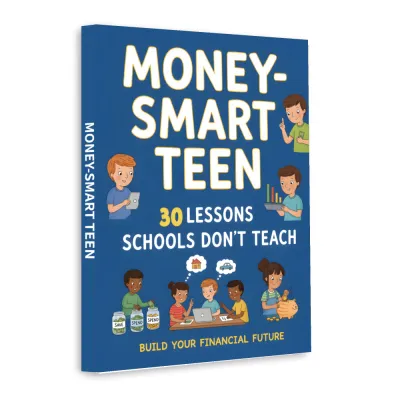
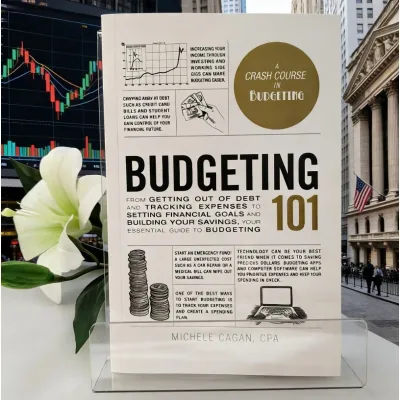
Prices are valid at publication and may change. Please refer to the product page for the latest price.
When evaluating a book, you must balance local relevance with universal financial principles. Universal principles—such as compounding interest, living below your means, and diversification—apply regardless of geography. However, the actual execution of these principles depends heavily on local laws, tax structures, and available investment instruments. A book that focuses entirely on foreign banking systems will leave you confused when you try to apply those lessons to your local bank accounts or investment platforms.
Author credibility is another crucial factor to verify before purchasing. The digital age has seen a rise in self-proclaimed financial gurus who promote high-risk trading strategies or speculative assets without proper risk disclosures. Look for authors who hold verified professional credentials, such as Registered Financial Planners (RFP), Certified Financial Planners (CFP), or those with established backgrounds in economics, banking, or academic finance. Credible authors prioritize risk management and long-term sustainability over get-rich-quick schemes.
Finally, assess the book’s readability and format relative to your current financial literacy level. If you are entirely new to budgeting and debt management, a highly technical book filled with balance sheet formulas and macroeconomic jargon will likely overwhelm you. Beginners should opt for books written in conversational English or Taglish, which use relatable cultural anecdotes to explain basic concepts. As your confidence and knowledge grow, you can gradually transition to more technical texts on asset valuation and portfolio management.
Essential Categories of Finance Books for Young Filipinos
Building a comprehensive financial library requires a balanced approach. Relying on a single book can give you a one-dimensional view of wealth creation. To build a resilient financial strategy, your reading list should cover three foundational pillars: local market execution, behavioral psychology, and technical investing. Organizing your reading along these categories ensures you understand both the “how” and the “why” of money management.

Each of these pillars addresses a different stage of your financial development. Mindset books help you build the discipline to save, local guides show you where to legally and safely place those savings, and investing books teach you how to optimize those placements for maximum growth. Together, they form a cohesive educational framework that supports your wealth-building journey from start to finish.
Local Market Guides and Philippine-Specific Strategies
Local market guides are indispensable because they serve as your actual execution manuals. These books deal directly with the Philippine financial ecosystem, teaching you how to navigate the Bureau of Internal Revenue (BIR) tax regulations, open local brokerage accounts, and utilize government-backed savings programs. Understanding how to maximize programs like the Pag-IBIG MP2 (Modified Pag-IBIG II) or the Social Security System (SSS) voluntary contributions can provide stable, tax-free, or low-risk returns that are highly suited for beginners.
When buying local financial guides, always check the publication or revision date. Philippine tax laws, investment minimums, and regulatory frameworks change over time. For instance, tax reforms can significantly alter the yield of local bonds or the tax implications of stock dividends. Ensuring that your guide reflects the current regulatory landscape prevents you from making costly errors based on obsolete administrative rules.
These books also help you understand the mechanics of the local stock market, mutual funds, and Unit Investment Trust Funds (UITFs) offered by domestic banks. They explain the specific fees, transaction taxes, and holding periods associated with local investments. By mastering these details, you can minimize unnecessary costs that would otherwise eat into your investment returns over time.
Mindset and Behavioral Wealth Building
Many financial struggles are rooted in psychology rather than a lack of mathematical skill. Behavioral finance books focus on your relationship with money, helping you identify and overcome cultural and psychological hurdles that lead to poor financial decisions. For young Filipinos, these hurdles often include managing the “black tax”—the cultural expectation to provide financial support for extended family members—and navigating the delicate balance between filial duty and personal financial security.
These books also address modern consumer challenges, such as lifestyle inflation and impulse spending. In an era of constant social media exposure and highly convenient online shopping platforms, resisting the urge to spend can be incredibly difficult. Behavioral finance literature teaches you how to build friction into your spending habits, automate your savings, and establish healthy emotional boundaries around your finances.
Ultimately, mindset books help you cultivate the discipline required for long-term investing. Compounding interest requires years, if not decades, to produce life-changing results. A strong psychological foundation ensures that you remain committed to your investment plan during market downturns, rather than panicking and liquidating your assets at a loss.
Actionable Investing and Asset Allocation
Once you have mastered the basics of budgeting and developed a disciplined mindset, you need to learn the mechanics of growing your wealth. Actionable investing books provide structured frameworks for building a diversified portfolio from scratch. They teach you how to assess your personal risk tolerance and allocate your capital across different asset classes, such as cash equivalents, fixed-income instruments, equities, and real estate.
These guides explain how to balance risk and return. They teach you that higher potential returns always come with higher risk, and they show you how to mitigate that risk through proper asset diversification. A well-allocated portfolio ensures that a decline in one market sector will not wipe out your entire life savings.
Be cautious of books that promise guaranteed high returns or promote complex trading systems as easy paths to wealth. Legitimate investing literature always includes clear risk disclosures and emphasizes that building wealth is a gradual process. Avoid authors who gloss over the possibility of capital loss or fail to explain the underlying mechanics of the assets they recommend.
How to Apply Global Finance Classics to the Philippine Context
Global finance classics are highly regarded for a reason. Books by international authors provide timeless insights into the psychology of wealth, the power of compounding, and the fundamental laws of economics. However, because these books are typically written for readers in developed markets like the United States or Europe, young Filipinos must learn how to translate these foreign concepts into local equivalents.
To get the most value out of international bestsellers, you can use a simple translation framework to map foreign financial instruments to their closest Philippine counterparts:
- 401(k) and Roth IRA: Map these tax-advantaged retirement accounts to the local Personal Equity and Retirement Account (PERA) or voluntary contributions to the Pag-IBIG MP2 program.
- S&P 500 Index Funds: Map these to Philippine Stock Exchange Index (PSEi) tracker funds, local equity mutual funds, or global feeder funds offered by major Philippine banks.
- High-Yield Savings Accounts (HYSA): Map these to the competitive interest rates offered by digital banks licensed by the Bangko Sentral ng Pilipinas (BSP).
- US Treasury Bonds: Map these to retail treasury bonds (RTBs) issued by the Philippine government.
While the underlying math of compounding remains identical, you must exercise caution when reading foreign advice on real estate, stock picking, or debt management. For example, foreign real estate strategies often rely on low-downpayment mortgages and highly liquid secondary markets that do not exist in the same format in the Philippines. Local mortgage interest rates are generally higher, and the transaction costs for buying and selling property locally can be substantial.
Similarly, foreign index fund advice often assumes zero-commission trading and massive market liquidity. The Philippine stock market has different trading volumes, broker commission structures, and local transaction taxes that can affect your net returns. Therefore, you should rely on global books to shape your financial mindset and universal strategy, but always consult local guides or professional advisors when executing specific transactions in the domestic market.
What to Verify Before Buying Finance Books Locally
Before purchasing any finance book, performing a few pre-purchase checks ensures that you receive an authentic, up-to-date, and highly usable resource. Because financial regulations change and book piracy is prevalent, taking a few minutes to verify your purchase can save you from costly misinformation and poor-quality prints.
Edition and Publication Date
Always check the edition number and the publication date of the book. For local guidebooks, a newer edition often contains updated tax tables, revised investment limits, and descriptions of new digital financial platforms. If you are buying an international classic, look for revised editions that include modern commentary or updated historical examples that make the concepts easier to understand in today’s economic environment.
Format and Device Compatibility
Consider which format best fits your lifestyle and learning habits. Physical books are excellent for study; they allow you to easily highlight text, write notes in the margins, and quickly flip back to complex financial tables or charts. However, physical books can be bulky and are susceptible to humidity and damage in tropical climates.
If you prefer reading on the go, e-books (such as EPUB or PDF formats) are highly convenient. Before buying, verify that the file format is fully compatible with your specific e-reader, tablet, or smartphone application. For busy professionals who spend hours commuting, audiobooks are an excellent alternative. If you choose an audiobook, verify the narrator’s language and accent to ensure you can easily comprehend complex financial terminology while listening.
Authorized Sources
To avoid pirated copies, always purchase your books from major national bookstore chains, official publisher websites, or verified flagship stores on local online marketplaces. Pirated books are common in the local market, but they often suffer from missing pages, illegible charts, and printing errors. In worst-case scenarios, pirated finance books may contain altered numbers or formulas in their tables, which can lead to significant mathematical errors when you try to calculate your own investment returns.
Language and Translation
Verify the primary language of the book before buying. While most local personal finance books are written in English or a conversational Taglish blend, some international books may have localized translations. Choose the language format that you are most comfortable with. If you find financial jargon intimidating, a book written in conversational Taglish can make the learning process much more approachable and less stressful.
Frequently Asked Questions (FAQ)
Are local finance books better than international bestsellers?
Neither category is universally better than the other; instead, they serve complementary roles in your financial education. International bestsellers are outstanding for building a strong wealth mindset, understanding behavioral psychology, and learning universal economic laws that do not change across borders. Local finance books, on the other hand, are absolutely necessary for practical execution. They provide the specific legal, tax, and institutional context required to safely invest and grow your money within the Philippine financial system. For a well-rounded education, your library should include a mix of both.
How often should I update my collection of finance books?
You do not need to constantly buy new books to keep your financial education current. Mindset and behavioral finance books are virtually timeless; the psychological principles of saving, discipline, and compounding do not change, so these books can be kept and reread for decades. However, technical guides, tax manuals, and books that explain specific investment platforms should be updated every three to five years. You should also look for updated editions immediately following major national tax reforms or significant regulatory changes in the Philippine banking and investment sectors.
Community discussion
Share your experience or ask a question. Comments are reviewed before publication.