
Starting your first job in the Philippines is an exciting milestone, but it also introduces complex financial responsibilities that school rarely prepares you for. From deciphering your first payslip to figuring out how your hard-earned money is taxed, the learning curve can feel steep. While global personal finance bestsellers offer excellent mindset frameworks, they cannot help you compute your local withholding taxes or navigate the Bureau of Internal Revenue (BIR) regulations. To bridge this gap, young working adults need highly localized resources, ranging from practical budgeting guides to authoritative academic texts like an income tax llamado reviewer. Equipping yourself with the right Philippine-specific literature is the most effective way to take control of your salary, build an investment portfolio, and remain fully tax-compliant.
Why Localized Finance and Tax Knowledge Matters for Your Career
Transitioning from a student lifestyle to a full-time corporate or freelance career brings a sudden shift in financial reality. When your first salary arrives, you are immediately confronted with deductions you may not fully understand. Your payslip is not just a net figure; it represents a breakdown of mandatory contributions to the Social Security System (SSS), PhilHealth, and the Pag-IBIG Fund, alongside a significant portion dedicated to withholding tax. Understanding how these deductions are calculated ensures you can verify that your employer is processing your compensation correctly and that your contributions are being remitted.
Beyond checking your monthly payslip, every young professional must develop a working relationship with the Bureau of Internal Revenue (BIR). Even if you are a salaried employee, understanding documents like the BIR Form 2316 (Certificate of Compensation Payment or Income Tax Withheld) and the process of filing an annual Income Tax Return (ITR) is vital. Knowing these requirements helps you avoid costly penalties, ensures you can secure visas or bank loans that require tax records, and establishes a clean financial track record from the very start of your career.
Products mentioned in this guide
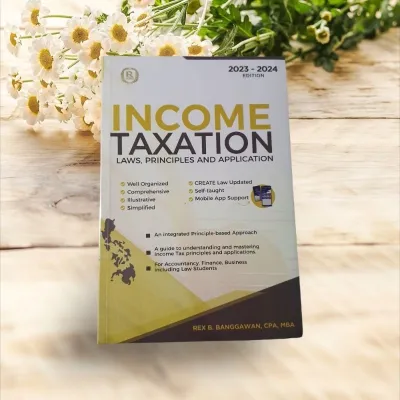
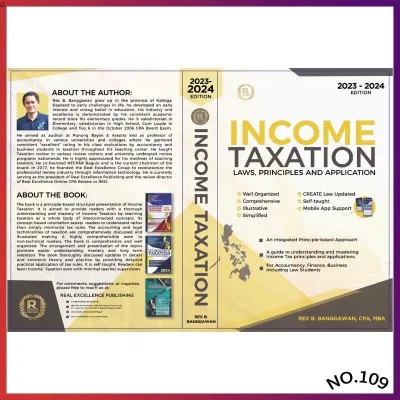
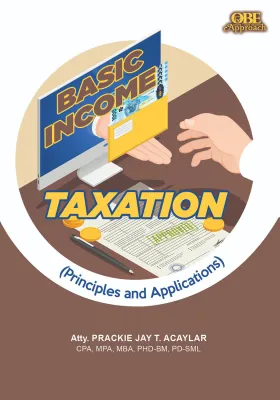
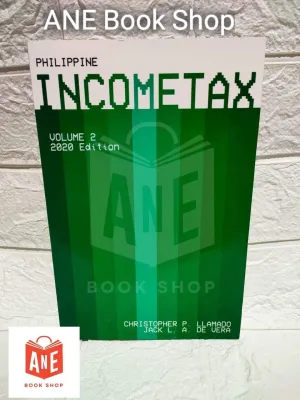
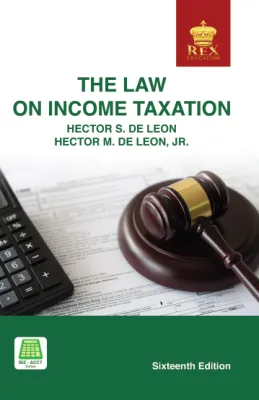
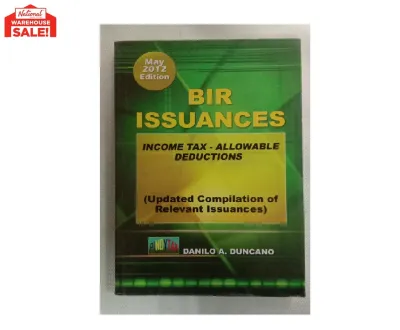
Prices are valid at publication and may change. Please refer to the product page for the latest price.
Relying solely on international financial books is a common pitfall for young professionals. Bestsellers from the United States or Europe often advocate for investment accounts like 401(k)s or Roth IRAs, which do not exist in the Philippine financial ecosystem. They also fail to address local tax brackets, the nuances of the Tax Reform for Acceleration and Inclusion (TRAIN) Law, or the specific mechanics of local investment vehicles like Unit Investment Trust Funds (UITFs) and Retail Treasury Bonds (RTBs). Localized books are indispensable because they translate global wealth-building principles into actionable steps within the Philippine economic and legal landscape.
Key Criteria for Choosing Philippine Tax and Finance Books
With various financial guides available in local bookstores and online marketplaces, selecting the right reading material requires careful evaluation. The first and most critical criterion is the currency of the tax law updates. The Philippine tax landscape has undergone sweeping changes in recent years, driven by major legislative reforms such as the TRAIN Law and the Corporate Recovery and Tax Incentives for Enterprises (CREATE) Law. When browsing for books, always check the publication date and the preface to confirm that the content reflects these modern laws and subsequent BIR revenue regulations. Reading an outdated tax guide can lead to incorrect calculations and non-compliance.

The second criterion is the credentials of the author. Because tax compliance carries legal and financial consequences, you should prioritize books written by recognized local experts. Look for titles authored by Certified Public Accountants (CPAs), licensed tax practitioners, or established financial educators with a proven track record of teaching Philippine finance. Authors who actively practice in the local financial sector or teach at reputable universities bring a level of practical accuracy that self-proclaimed online gurus often lack.
Third, you must balance accessibility with technical depth. Philippine tax literature generally falls into two categories: academic textbooks designed for accounting students preparing for the CPA board exams, and practical guides written for the everyday professional. If your goal is simply to understand your payslip, budget your salary, and file basic tax returns, a highly technical textbook might overwhelm you with legal jargon and complex corporate tax scenarios. Conversely, if you are a freelancer, a mixed-income earner, or an aspiring business owner, you may need a book that offers deeper technical explanations of deductions and exemptions.
Finally, consider the format and usability of the book. Digital formats, such as e-books or PDFs from authorized publishers, offer the convenience of searchability, allowing you to quickly find terms like “Form 2316” or “8% flat tax rate.” However, physical print books remain highly popular for tax study because they allow you to easily highlight complex tax tables, bookmark reference pages, and write notes in the margins. Decide which format fits your study habits and daily workflow best before making a purchase.
Essential Book Categories: From Personal Finance to Income Tax Llamado Guides
Technical Income Tax Guides and Reviewers
For professionals who require an absolute, mathematically precise understanding of tax laws, technical reviewers and textbooks are the gold standard. In the Philippine accounting and business education sectors, comprehensive tax reviewers—such as the widely respected income tax llamado study guides and similar CPA-authored textbooks—serve as the definitive references. While these books are primarily written for accounting students and board exam candidates, they are incredibly valuable for any professional who wants to understand the exact mechanics behind tax brackets, deductions, and exemptions.
Using a technical guide allows you to look past simplified summaries and see the actual legal provisions and mathematical formulas used to calculate taxable income. For instance, if you are negotiating a compensation package or trying to understand how bonuses are taxed under current regulations, referring to a technical reviewer provides the exact thresholds and tax-exempt limits. It demystifies how progressive tax rates are applied to different income brackets, helping you calculate your exact take-home pay under various scenarios.
However, young professionals must recognize the limitations of these technical guides. They are dense, academic, and filled with legal citations, making them unsuitable for casual, cover-to-cover reading. Instead, treat these books as reference manuals. Keep one on your shelf or digital library to consult whenever you have a specific, complex question about tax classifications, deductible expenses, or the legal definitions of different income types.
Personal Money Management and Local Investing
While tax guides teach you how to remain compliant, personal finance books teach you how to grow the money you keep. When looking for personal money management books, prioritize those tailored specifically to the Philippine economic environment. These books address the realities of budgeting on a typical local entry-level salary, factoring in the cost of living in major metropolitan areas like Metro Manila or Cebu, and managing transportation, housing, and utility expenses unique to the country. They also provide practical frameworks for building an emergency fund in local banking institutions, taking advantage of high-yield digital bank accounts, and protecting your savings from local inflation.
Furthermore, effective local finance books guide you through the process of investing within the Philippines. They explain how to navigate the Philippine Stock Exchange (PSE), open accounts with local stock brokerages, and invest in mutual funds or Unit Investment Trust Funds (UITFs) managed by local banks. They also introduce low-risk government-backed options like Retail Treasury Bonds (RTBs) and the Pag-IBIG MP2 savings program, which are highly popular among young Filipino investors for their tax-free dividends and competitive rates.
Choosing books by local financial educators ensures that the case studies and examples provided are realistic and relatable. Instead of reading about saving pennies on foreign coffee chains, you will read about managing your “13th-month pay,” budgeting for family obligations (a common cultural aspect of Filipino professional life), and setting up automatic transfers between local accounts. This cultural and economic alignment makes the advice far easier to implement in your daily life.
Practical BIR Compliance and Filing Guides
The gap between understanding tax theory and actually filing a tax return can be vast. This is where practical BIR compliance and filing guides become invaluable. These manuals are designed to walk taxpayers step-by-step through the actual administrative processes required by the government. They provide visual, screen-by-screen instructions on how to use the eBIRForms offline package, navigate the Electronic Payment and Filing System (eFPS), and submit your documents online without needing to queue for hours at a physical Revenue District Office (RDO).
These practical guides are particularly crucial for the growing population of mixed-income earners, freelancers, and independent contractors in the Philippines. If you transition from a corporate job to freelancing, or if you maintain a side-hustle alongside your full-time employment, your tax obligations change dramatically. A good compliance guide will explain how to register as a sole proprietor or professional, how to keep official books of accounts, and how to opt for the simplified 8% flat income tax rate instead of the graduated income tax rates.
It is important to note, however, that the BIR frequently updates its online portals, user interfaces, and submission procedures. Because of this, even the best practical manuals can age quickly as software versions change. When using these guides, always treat them as a conceptual roadmap and cross-reference their step-by-step instructions with the latest official advisories, video tutorials, and circulars published on the official BIR website to ensure you are using the most current system versions.
Smart Buying Checklist for Local Finance Books
Investing in your financial education is wise, but you must ensure that the resources you buy are legitimate, accurate, and worth your time. Use this checklist before purchasing any local finance or tax book:
- Verify the Edition: Never buy a tax book without checking its copyright and edition status. Look at the copyright page to confirm it was published or updated recently, ideally after the latest BIR revenue regulations were implemented. An older edition might still reference outdated tax brackets or repealed exemptions, which could lead to filing errors if relied upon.
- Check the Publisher: Reputable tax and finance books are typically published by recognized academic presses (such as those of top Philippine universities), professional accounting bodies like the Philippine Institute of Certified Public Accountants (PICPA), or established local publishing houses specializing in legal and business texts. Purchasing from these publishers guarantees that the content has undergone rigorous peer review and editorial vetting.
- Beware of Pirated Copies: The digital space is flooded with cheap, unauthorized PDF copies and low-quality photocopies of popular tax reviewers and finance books sold on unverified online marketplaces. Avoid these listings. Pirated copies often suffer from missing pages, illegible text, outdated content inserts, and formatting errors. More importantly, buying pirated material deprives local authors of their livelihood and risks providing you with inaccurate information that could result in BIR penalties.
- Look for Supplementary Materials: Many high-quality modern finance and tax books come with additional value-added resources. Check if the book includes access to downloadable Excel templates for budgeting, sample filled-out BIR forms (like Form 1701 or Form 2316), or online portals where the author posts updates when tax laws change. These supplementary tools make it much easier to apply the book's lessons to your actual financial life.
Frequently Asked Questions (FAQ)
Do I need a tax book if my employer handles my withholding tax?
Yes, even if your employer handles your monthly withholding tax and provides you with a completed BIR Form 2316 at the end of the year, having a basic understanding of tax laws is highly beneficial. Knowing how your tax is calculated allows you to verify that your payroll department is applying the correct deductions and exemptions. It also helps you plan your personal finances around your net income, understand how bonuses and benefits are taxed, and prepares you for future career moves—such as starting a business, freelancing, or taking on a second source of income—where you will be solely responsible for filing your own taxes.
How often should I update my Philippine income tax books?
You should update your tax books whenever major tax reform bills are signed into law or when the BIR introduces significant structural changes to tax filing procedures. As a general rule of thumb, a standard tax reference book has a reliable shelf life of about three to five years. However, if a major legislative shift occurs (like the transition from the TRAIN Law to newer tax packages), you should immediately supplement your existing books with the latest official BIR revenue regulations and circulars, or purchase the newest edition of your preferred reference text.
Are foreign personal finance books useful for Filipino professionals?
Foreign personal finance books are highly valuable for developing a healthy money mindset, understanding the psychology of saving, and learning general budgeting methodologies like the envelope system or zero-based budgeting. However, they fall short when it comes to execution. Because they do not cover Philippine-specific tax laws, local retirement systems (like SSS or GSIS), or local investment platforms, they cannot serve as your sole financial guide. The best approach is to pair international classics with localized Philippine finance and tax books to get the best of both worlds: global strategic principles and local tactical execution.
Community discussion
Share your experience or ask a question. Comments are reviewed before publication.