
Starting your financial journey in the Philippines can feel overwhelming, especially when balancing early-career salaries with rising living costs. Reading a well-targeted business book or personal finance guide is one of the most accessible ways to build financial literacy. By understanding core concepts like budgeting, debt management, and long-term investing, young adults can make informed decisions that set them up for lifetime security. Rather than looking for a single magic formula, the key is to build a curated reading list that addresses your immediate financial needs while teaching you how to adapt global wealth-building principles to the local economic landscape.
To make your reading truly effective, you must select books that match your current financial situation and learning style. A structured approach to choosing your next read will save you time and ensure that the advice you receive is both practical and actionable.
How to Choose the Right Finance Book for Your Current Stage
Identifying your immediate financial pain points is the first step in choosing the right book. If you are struggling to make your salary last until the next payday, a highly technical book on stock market trading will not help you. Instead, you need a practical guide focused on cash flow management, budgeting, and eliminating high-interest debt. Conversely, if you have already built a stable emergency fund and cleared your liabilities, your focus should shift toward introductory investing texts that explain asset allocation and compound interest.
Products mentioned in this guide
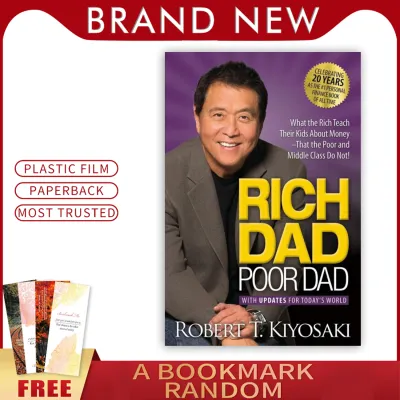
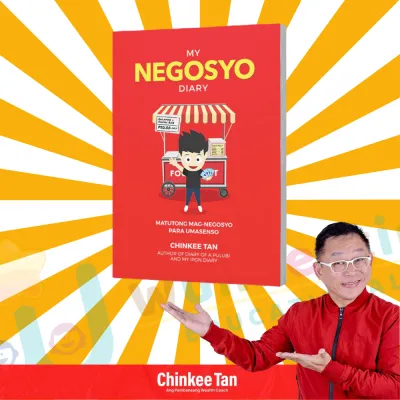
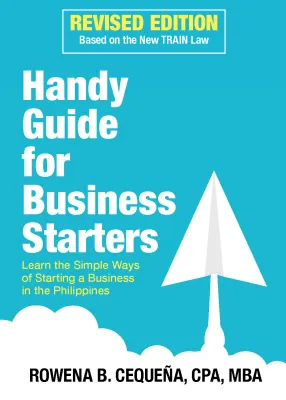
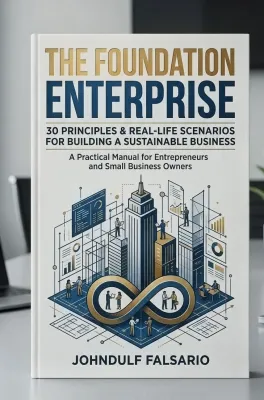
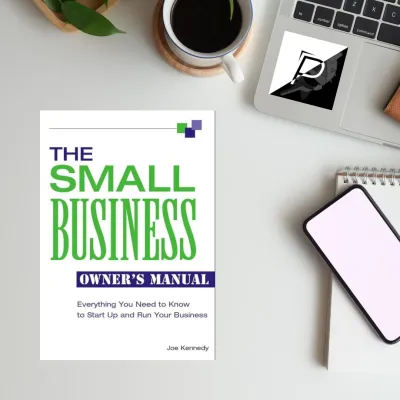
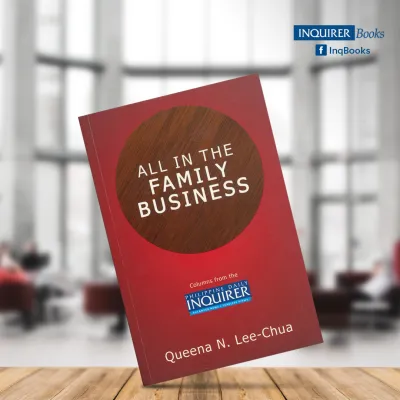
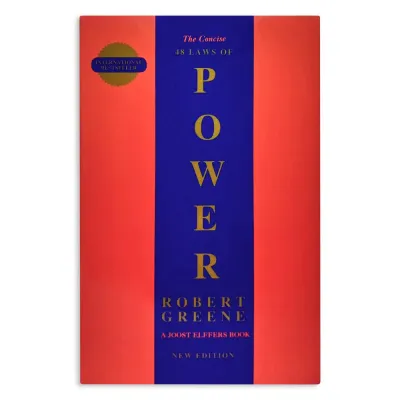
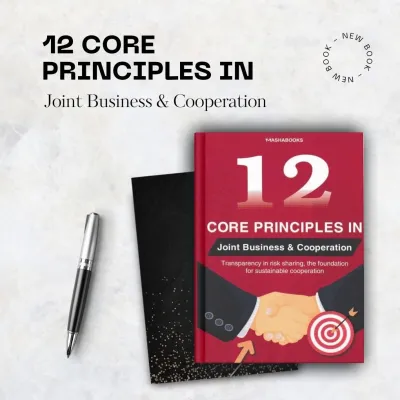
Prices are valid at publication and may change. Please refer to the product page for the latest price.
Evaluating the author’s background and credentials is vital for ensuring the advice is credible. Look for authors who have verified professional experience in financial planning, economics, or fund management. Be cautious of self-proclaimed financial gurus whose primary credentials are social media popularity or high-ticket seminar sales. A credible author should present balanced, realistic strategies rather than promising quick riches or effortless income streams.
Additionally, check the publication date and edition of the book. While foundational financial principles remain constant, tax laws, investment platforms, and economic conditions change rapidly. A book written decades ago may contain outdated advice on specific financial instruments, so looking for revised or anniversary editions is always recommended.
Finally, consider how the book’s format fits into your daily lifestyle and environment. Physical books are excellent for active study, allowing you to highlight key passages and write notes in the margins. However, the tropical climate in the Philippines presents unique challenges for physical book preservation. High humidity can cause pages to warp, yellow, or develop mold if they are not stored in well-ventilated spaces or sealed containers.
If you have a long daily commute on the MRT, buses, or in traffic, e-books and audiobooks offer highly convenient alternatives. Digital formats allow you to carry an entire library on your smartphone or e-reader, making it easy to utilize transit time for learning. Before purchasing digital formats, ensure your devices are compatible and that you have a reliable internet connection for downloading the files.
Essential Book Categories for Beginners in the Philippines
Building financial literacy is a progressive journey that requires mastering different skills at different times. Attempting to learn advanced wealth-building strategies before understanding basic money management often leads to costly mistakes. A structured reading plan should guide you through a logical progression of financial concepts.

By categorizing your reading, you can systematically develop the specific skills required at each stage of early adulthood. This approach ensures you build a well-rounded foundation, moving from internal mindset shifts to external, practical execution.
Building a Financial Mindset and Money Psychology
Before you can successfully manage your money, you must understand your relationship with it. Many financial struggles are not caused by a lack of mathematical skill, but rather by behavioral habits and emotional triggers. Young adults in the Philippines often face unique societal pressures, such as the expectation to treat friends (libre), purchase gifts (pasalubong), or contribute heavily to household expenses. These cultural dynamics, combined with lifestyle creep as your salary grows, can make saving difficult.
When selecting books in this category, look for titles that address behavioral finance and cognitive biases. These books explain the psychological reasons behind impulsive spending and why we often prioritize short-term gratification over long-term security. A good mindset book should demystify these concepts without relying on heavy academic jargon, making the psychology of money accessible and relatable.
Furthermore, prioritize books that offer actionable exercises rather than just theoretical discussions. Look for chapters that include journaling prompts, values-association worksheets, or habit-tracking frameworks. These practical tools help you identify your personal spending triggers, redefine what financial success means to you, and establish healthy boundaries with your peers and family.
Practical Budgeting and Debt Management
Once your mindset is aligned, you need concrete systems to manage your daily cash flow. Look for books that detail structured budgeting frameworks, such as zero-based budgeting or percentage-based rules like the 50/30/20 system. These frameworks must be flexible enough to adapt to local salary structures, where entry-level pay may require a higher allocation for fixed costs like rent and transportation in major urban centers.
Debt management is another critical area that requires a step-by-step approach. If you are carrying credit card balances or personal loans, look for books that explain proven debt-reduction methodologies, such as the debt snowball or debt avalanche methods. The book should guide you on how to negotiate with creditors, consolidate payments, and avoid high-interest lending traps.
To ensure the advice is highly practical, seek out books that provide downloadable templates, worksheets, or recommendations for digital budgeting tools. Having a visual representation of your income and expenses makes it much easier to identify areas where you can cut back and redirect funds toward your savings goals.
Introduction to Investing and Wealth Building
After securing your budget and clearing high-interest debt, you can begin exploring how to grow your wealth. Look for foundational texts that clearly explain the difference between saving and investing. A beginner-friendly investing book should demystify compound interest, showing how regular, long-term contributions can grow significantly over time to outpace inflation.
Prioritize books that focus on diversified, low-cost assets such as index funds, mutual funds, and real estate. The text should emphasize the importance of asset allocation and risk tolerance, helping you understand that all investments carry some level of risk. Avoid books that promote high-risk trading schemes, unverified digital assets, or “get-rich-quick” strategies, as these are highly speculative and unsuitable for beginners.
A reliable investing guide will teach you the value of patience and consistency. It should encourage you to focus on long-term wealth accumulation rather than trying to time the market or chase short-term trends.
Bridging Global Concepts with Local Philippine Context
Many of the most popular personal finance and business books are written by international authors, which means they are tailored to Western financial systems. To get the most value from these books, you must learn how to translate their concepts into the local economic environment of the Philippines. Failing to make these adjustments can lead to confusion or inappropriate financial decisions.
For example, when an international book discusses retirement accounts like a 401(k) or an Individual Retirement Account (IRA), you must map these concepts to local equivalents. In the Philippines, your primary retirement and savings vehicles include the Social Security System (SSS), the Pag-IBIG Fund (particularly the voluntary MP2 savings program), and the Personal Equity and Retirement Account (PERA). Understanding how these local programs function allows you to apply global retirement planning principles effectively.
Similarly, international advice on investing in index funds or mutual funds must be applied to local platforms. You will need to look into the Philippine Stock Exchange (PSE), Unit Investment Trust Funds (UITFs) offered by local commercial banks, and locally managed mutual funds. While the underlying principles of diversification and compounding remain identical, the specific platforms, fees, and account opening procedures are unique to the local market.
Emergency fund calculations must also be adjusted to reflect local realities. In the Philippines, young professionals often belong to the “sandwich generation,” meaning they support both their aging parents and their own children or younger siblings. Your emergency fund must factor in these family support dynamics, along with local inflation rates and out-of-pocket healthcare costs. Because public healthcare coverage may not cover all medical emergencies, having a robust emergency fund and local health insurance (such as PhilHealth and private HMO coverage) is essential.
Where to Buy and How to Verify Book Editions
When you are ready to purchase your selected books, taking steps to ensure you are buying legitimate copies is crucial. Authorized local brick-and-mortar bookstores and their official flagship stores on major online marketplaces are the safest places to find genuine publications. Purchasing from authorized sellers ensures that the authors and publishers are fairly compensated for their work.
To avoid pirated physical books, which are common on unregulated online platforms, you should carefully inspect the book’s physical quality. Counterfeit books often feature smudged or blurry text, thin and low-quality paper, uneven margins, and weak glue bindings that fall apart easily. You can also verify the book’s authenticity by checking the International Standard Book Number (ISBN) and cross-referencing the publisher’s details online.
If you prefer digital formats, purchase e-books and audiobooks only from authorized digital storefronts and official publishing platforms. Before finalizing your purchase, verify any region locks, language settings, and device compatibility. Some digital files may have regional restrictions that prevent them from loading on e-readers or smartphones registered in the Philippines, so always read the platform’s compatibility guidelines carefully.
Frequently Asked Questions (FAQ)
Should I read business books or personal finance books first?
For most beginners, personal finance books should be the priority. Personal finance books focus on individual money management, budgeting, debt reduction, and basic saving habits—skills that are immediately applicable to your daily life regardless of your career path.
Business books, which cover entrepreneurship, corporate strategy, management, and corporate finance, become highly valuable once you have stabilized your personal finances. If you are looking to start a side hustle, scale a business, or advance into a leadership role, business books will provide the strategic insights you need to increase your earning potential.
How do I know if a finance book is outdated?
You can determine if a finance book is outdated by checking its original publication date and looking for recent revised or anniversary editions. While core principles like living below your means and the power of compounding are timeless, specific details can quickly become obsolete.
Look out for outdated references to historical tax laws, defunct financial products, or interest rate environments that no longer reflect today’s economy. If a book relies heavily on specific digital platforms or regulatory frameworks from a decade ago, use it for its general philosophy but cross-reference its practical steps with current local guidelines.
Community discussion
Share your experience or ask a question. Comments are reviewed before publication.