
The Philippine lifestyle media landscape is a vibrant tapestry reflecting the archipelago’s rich cultural heritage, culinary diversity, evolving fashion, and modern design movements. For readers seeking the best Filipino lifestyle magazines, the choice spans from high-fashion commercial glossies to independent, culture-focused zines that capture grassroots storytelling. Selecting the right publication involves balancing your personal aesthetic preferences, reading goals, and interest in either mainstream trends or deep cultural exploration.
Modern readers are increasingly looking for publications that go beyond superficial trends, opting instead for stories that resonate with their specific values, such as sustainability, regional identity, and artistic integrity. Whether you are a collector of beautifully designed print editions or a digital reader who values convenience, the local publishing scene offers a diverse array of voices waiting to be discovered.
What Defines a Great Filipino Lifestyle Magazine?
A great Filipino lifestyle magazine serves as both a mirror and a catalyst for the country’s evolving cultural identity. It goes beyond merely showcasing luxury goods or beautiful homes; it contextualizes these elements within the unique socioeconomic and historical landscape of the Philippines. A high-quality publication respects its readers’ intelligence by offering content that is both visually stunning and intellectually engaging.
Products mentioned in this guide

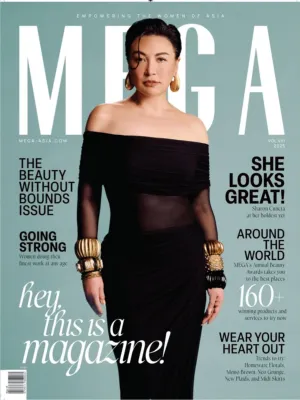
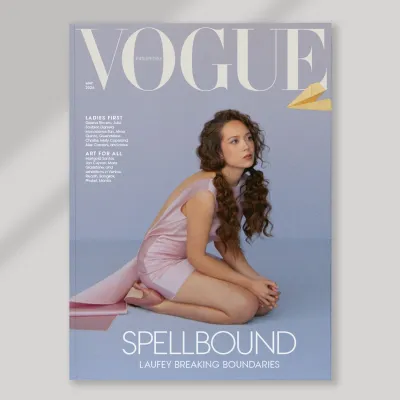
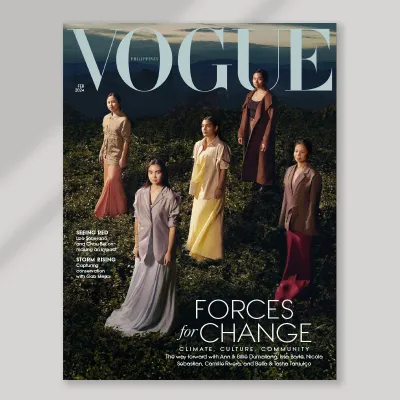
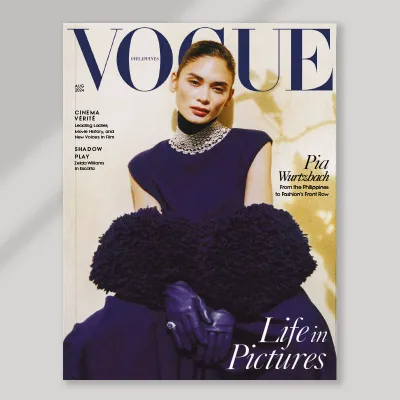
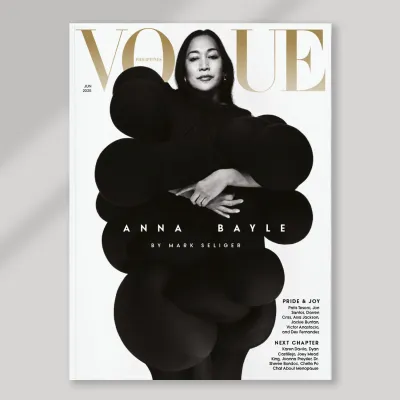
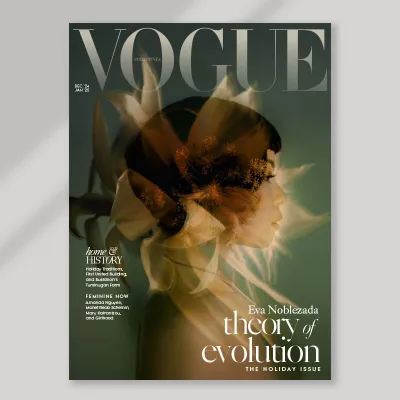
Prices are valid at publication and may change. Please refer to the product page for the latest price.
To evaluate a publication’s quality, readers should first examine its editorial focus. Some magazines dedicate their pages to high fashion and beauty, while others emphasize culinary heritage, architecture, or contemporary art. A well-rounded lifestyle magazine balances these subjects while maintaining a distinct local perspective that resonates with daily life in the archipelago, ensuring that the content feels relevant to the local environment.
The depth of local journalism is another critical dimension of a superior lifestyle publication. High-quality magazines move past superficial profiles to deliver investigative features on local artisans, sustainable farming practices, regional culinary preservation, and architectural innovations adapted to tropical climates. This editorial depth ensures that the magazine provides lasting intellectual value rather than temporary entertainment.
Visual aesthetics play an equally vital role in defining a publication’s caliber. Exceptional lifestyle magazines employ talented local photographers, illustrators, and layout designers to create a cohesive visual language. The paper stock in print editions, the color grading of photo essays, and the typography choices all contribute to an immersive reading experience that elevates the publication to a collectible piece of art.
Before committing to a subscription, readers must identify their personal interests and reading goals. If your goal is to stay updated on high-society events and global fashion trends, look for titles with strong international licensing and commercial backing. Conversely, if you want to discover emerging local artists or learn about indigenous textile traditions, prioritize independent titles with a strong cultural mandate.
Aligning the magazine’s editorial voice with your lifestyle aspirations is key to long-term satisfaction. A publication’s tone—whether it is sophisticated and aspirational, academic and reflective, or casual and community-driven—should match how you wish to engage with your surroundings. Choosing a magazine that mirrors or constructively challenges your worldview ensures that each issue remains engaging and inspiring over time.
Mainstream Glossies vs. Independent Publications Like Sarisari Magazine
The Philippine publishing landscape is broadly divided into two major ecosystems: mainstream commercial glossies and independent, culture-focused publications. Understanding the differences between these models helps readers select issues that align with their specific reading preferences, aesthetic tastes, and collection goals.

Mainstream Fashion and Lifestyle Glossies
Mainstream glossies are characterized by their high-production values, wide distribution networks, and strong ties to global media brands. These publications focus heavily on commercial trends, celebrity culture, cosmetics, and broad lifestyle advice. They offer an accessible entry point into the world of fashion and high society, featuring prominent local personalities and international style guides.
While these magazines are visually polished and highly entertaining, they operate on a commercial model heavily reliant on advertising revenue. As a result, their editorial content may frequently prioritize commercial partnerships, sponsored features, and mainstream consumer products over deep cultural critique or niche artistic exploration. They are excellent for readers who want a quick, visually stimulating overview of contemporary trends and popular culture.
Independent and Culture-Focused Zines
In contrast, independent publications and zines prioritize niche topics, local heritage, design, and grassroots storytelling. These publications operate with greater editorial freedom, allowing them to explore unconventional narratives, highlight marginalized art scenes, and document regional traditions that mainstream media might overlook.
A prime example of this independent spirit is sarisari magazine, which focuses on authentic, localized narratives and curated design. Publications of this nature treat the magazine format as a curated exhibition space, blending high-concept photography with thoughtful essays on Philippine identity, local craftsmanship, and everyday culture. By stepping away from commercial formulas, they capture the raw, diverse textures of Filipino life.
When choosing between these two paths, consider your collection and reading goals. Mainstream glossies are ideal for light reading, keeping up with pop culture, and tracking immediate seasonal trends. Independent publications like sarisari magazine are better suited for those who view magazines as collectible books, valuing long-form journalism, artistic experimentation, and a deeper connection to local heritage.
To help guide your choice, consider these primary differences:
- Mainstream Glossies: Focus on celebrity culture, commercial fashion, and broad lifestyle trends; highly accessible; monthly publication schedule; lower price point per issue (typically ‛150 to ‛350).
- Independent Zines: Focus on local heritage, niche art, and grassroots storytelling; limited distribution; quarterly or irregular publication schedule; higher price point due to premium materials and lack of ad subsidies (typically ‛400 to ‛1,000).
Where to Buy and Subscribe in the Philippines
Acquiring your preferred lifestyle magazines in the Philippines requires knowing where to look, as distribution models vary significantly between mainstream and independent titles. Physical copies of mainstream glossies are widely available at national newsstands, major bookstore chains, and select convenience stores in major metropolitan areas like Metro Manila, Cebu, and Davao.
For independent publications and specialized zines, readers should look toward specialty concept stores, independent bookshops, and museum gift shops. These physical spaces curate their print selection carefully, often stocking limited-run issues, local art zines, and design-focused periodicals that are unavailable in larger retail chains.
Direct subscription models offer the most reliable way to secure upcoming issues. Many publishers provide subscription services directly through their official websites or verified brand stores on major e-commerce platforms. Subscribing directly not only ensures you never miss an issue but also provides more financial support to the creators, especially in the case of independent publishers.
Online marketplaces and specialized online bookstores are excellent resources for sourcing back issues, rare limited editions, or bundled sets. When purchasing through these digital channels, readers must verify that the seller is an authorized distributor or a reputable collector to avoid counterfeit copies or poor-quality scans printed on substandard paper.
Given the tropical climate of the Philippines, shipping and handling conditions are crucial. High humidity, heavy rains, and rough transit can easily damage paper-based media. Before finalizing an order, check if the seller uses moisture-resistant packaging, such as plastic wrapping or bubble mailers with cardboard backing, to protect the physical integrity of the magazine during delivery.
Print vs. Digital: Choosing Your Preferred Format
Deciding between print and digital formats depends on your reading habits, physical storage capacity, and aesthetic appreciation for print media. The physical magazine offers a tactile experience that digital screens cannot replicate. The texture of the paper, the smell of the ink, and the layout design are intentionally crafted to be experienced physically, making print the preferred choice for collectors and design enthusiasts.
For visually rich independent magazines, print remains the definitive medium. The visual fidelity of high-resolution photography and the carefully selected paper stocks enhance the artistic value of the content. However, maintaining a physical print collection in a tropical, high-humidity environment like the Philippines requires active care, such as storing copies in well-ventilated areas, using silica gel packets, and keeping them away from direct sunlight to prevent yellowing or mold.
Digital formats offer unparalleled convenience, portability, and searchability. A single tablet or e-reader can store hundreds of issues, making digital editions ideal for readers who travel frequently or have limited shelf space. Digital platforms also allow readers to search for specific keywords, zoom in on high-definition images, and access interactive media elements that are impossible in print.
Before purchasing a digital edition or subscribing to a digital magazine platform, readers must verify device compatibility and supported file formats, such as PDF or ePub. Ensure that the digital version is a complete edition containing all editorial content and visual layout elements, rather than a text-only reproduction.
Additionally, check for region locks or digital rights management (DRM) restrictions. Some international digital storefronts restrict access to specific geographic regions or require proprietary apps that may not be compatible with your preferred e-reader or tablet. Verifying these technical specifications beforehand prevents access issues and ensures a seamless reading experience.
Frequently Asked Questions (FAQ)
Are Filipino lifestyle magazines available in digital formats?
Yes, many Filipino lifestyle publications are available in digital formats. Mainstream publishers often distribute digital editions through dedicated reading applications, global digital newsstands, or their official websites. These digital versions are typically optimized for tablets and smartphones, offering high-resolution layouts that preserve the design of the print issues. Before purchasing, readers should verify whether the digital copy is an interactive edition or a standard PDF, as interactive versions may include embedded videos, hyperlinks, and responsive layouts that enhance the reading experience.
How can I support independent local publications?
Supporting independent local publications is vital for maintaining a diverse media landscape in the Philippines. The most direct way to support them is by purchasing physical copies or digital subscriptions directly from their official websites or authorized independent stockists. Additionally, you can support these creators by attending local zine fests, book fairs, and pop-up community events where independent publishers sell their work directly. Sharing their content on social media, writing reviews, and recommending these publications to friends also helps increase their visibility without requiring financial investment.
Community discussion
Share your experience or ask a question. Comments are reviewed before publication.