
Building a physical collection of the best Filipino comedy movies on DVD or Blu-ray is one of the most rewarding ways to preserve the laughter, sharp wit, and cultural milestones of Philippine cinema. While digital platforms offer convenience, they cannot guarantee permanent access to the beloved classics that have shaped local pop culture. From the legendary slapstick of Dolphy to the modern, fast-paced banter of box-office romantic comedies, owning physical copies ensures these cinematic treasures remain safe from licensing expirations and digital erasure.
To build a truly outstanding collection, you need to focus on essential subgenres, understand the technical specifications of physical media formats, and know how to care for your discs in a tropical climate. Whether you are looking to relive the chaotic warmth of multi-generational family reunions or want to study the satirical brilliance of independent filmmakers, a curated physical library provides an unmatched viewing experience. This guide details exactly how to select, source, and maintain the finest Filipino comedy releases for your home media archives.
Why Build a Physical Collection of Filipino Comedy Movies?
Filipino comedy movies are more than just simple entertainment; they serve as the emotional centerpiece of family gatherings, weekend get-togethers, and holiday celebrations across the country. The shared experience of laughing at relatable family dynamics, witty wordplay, and physical comedy is a deeply ingrained cultural tradition. Owning these films on physical media allows you to recreate these moments instantly, transforming any ordinary evening into a nostalgic trip down memory lane with loved ones.
Products mentioned in this guide
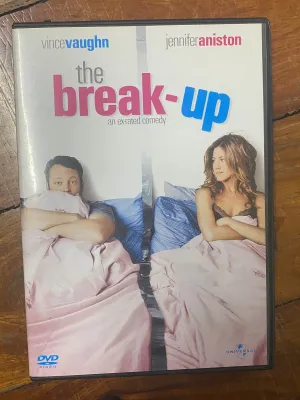
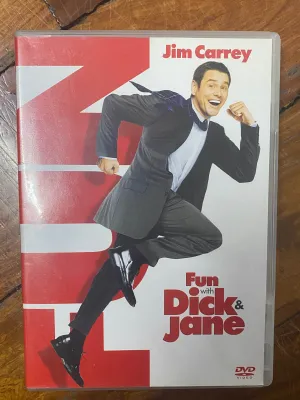
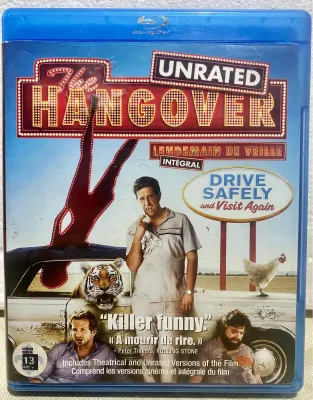
Prices are valid at publication and may change. Please refer to the product page for the latest price.
Relying solely on digital streaming platforms presents a significant risk for dedicated cinephiles and casual viewers alike. Licensing agreements are notoriously transient, and local films frequently disappear from online catalogs overnight without warning. This digital volatility means that a movie you enjoy today might become completely inaccessible tomorrow due to corporate restructuring, regional restrictions, or expired distribution rights. A physical disc on your shelf guarantees permanent ownership, ensuring that your favorite punchlines are always available whenever you want to hear them.
Beyond the security of permanent access, physical media offers a tactile and archival value that digital streams simply cannot replicate. Holding a well-designed DVD or Blu-ray case, browsing through printed booklets, and admiring the cover art adds a layer of appreciation to the filmmaking craft. Many physical releases contain exclusive content, such as behind-the-scenes documentaries, deleted scenes, and director commentaries that are rarely uploaded to streaming services. By purchasing official physical copies, you also directly support the preservation of local cinema and encourage studios to invest in archiving classic films.
Additionally, physical media fosters a unique sense of community sharing within local neighborhoods and extended families. Lending a physical disc to a relative, neighbor, or friend is a warm, tactile gesture of connection that cannot be replicated by sending a digital link or sharing login credentials. This tradition of sharing physical copies helps keep the cultural memory of these comedies alive across different generations, ensuring that younger family members experience the same laughter that their parents did.
How to Choose the Right DVD or Blu-ray Edition
Navigating the technical landscape of physical media is crucial to ensuring that your purchases are compatible with your home entertainment setup. Before buying any disc, you must pay close attention to region codes, which are designed to restrict playback to specific geographical areas. For standard DVDs, the Philippines is classified under Region 3, although many local releases are formatted as Region All (or Region 0) to allow worldwide playback. Blu-ray discs use a different regional system where the Philippines, along with the rest of Southeast Asia and North America, falls under Region A. Always verify that your disc player matches the region code of the movie, or invest in a region-free player to eliminate compatibility concerns entirely.

Identifying official studio releases is another essential skill for collectors, especially given the historical prevalence of bootleg copies in the local market. Authentic physical media features distinct visual cues that guarantee high quality and support the original creators. Look for official studio holograms, crisp and vibrant cover art printing, and recognized publisher logos such as Star Cinema, Viva Films, or Regal Entertainment. Bootleg copies, by contrast, often feature blurry or pixelated covers, flimsy paper sleeves instead of sturdy plastic cases, and visible imperfections on the reflective side of the disc itself.
For the ultimate collecting experience, prioritize special, anniversary, or officially restored editions of your favorite comedies. Initiatives like the ABS-CBN Film Restoration project (Sagip Pelikula) and programs by the Film Development Council of the Philippines (FDCP) have painstakingly remastered classic titles. These restored versions offer vastly superior audio-visual quality, correcting color degradation and removing audio hiss that plagues older, unrestored prints. These premium editions frequently come packaged with collectible slipcovers, commemorative booklets, or bonus discs packed with historical context and production secrets.
When evaluating restored editions, pay attention to the participating archives and restoration laboratories. Many of these high-quality restoration efforts are documented in detail on the packaging, highlighting the painstaking frame-by-frame cleaning process that rescued the film from deteriorating celluloid. These releases are not just movies; they are historical documents that preserve the visual textures, color grading, and acoustic environments of their original eras, making them highly prized centerpieces of any serious movie collection.
Essential Filipino Comedy Subgenres to Collect
To build a well-rounded and satisfying collection, it helps to organize your acquisitions by the distinct subgenres that have defined local comedy over the decades. Each style of humor reflects a different aspect of the Filipino experience, ranging from lighthearted family antics to sharp social commentary.
Classic Family and Ensemble Comedies
The family-centric comedy is a cornerstone of Philippine cinema, drawing huge crowds during major theatrical events like the Metro Manila Film Festival. These movies typically revolve around chaotic family reunions, sibling rivalries, and the humorous struggles of multi-generational households. The humor is deeply rooted in relatability, showcasing how love, patience, and laughter hold families together despite financial hardships or personal misunderstandings.
When searching for these titles, look for packaging that highlights prominent ensemble casts and iconic comedy figures like Dolphy, Vic Sotto, Ai-Ai delas Alas, or Eugene Domingo. The presence of major studio logos like Star Cinema, Viva Films, or Regal Entertainment on the spine is a good indicator of a high-production-value family comedy. These films boast incredible rewatchability, making them the perfect choice to play in the background or watch together during festive local holidays and large family gatherings.
The comedic style in these classic family films often relies on a brilliant mixture of physical slapstick, rapid-fire verbal banter, and situational irony. The chemistry between the lead actors is crucial, as they must navigate chaotic group scenes where multiple characters speak over one another in a way that feels authentic to local family life. This high-energy delivery ensures that the jokes remain fresh and funny even after dozens of viewings, cementing these films as timeless masterpieces of physical comedy.
Romantic Comedies and Iconic Love Teams
Romantic comedies, or rom-coms, hold a special place in local pop culture, largely driven by the unique phenomenon of “love teams.” These highly popular on-screen pairings capture the imagination of millions, with their films defining specific eras of entertainment. The narrative formula usually blends witty banter, emotional dramatic turns (the classic “hugot” lines), and heartwarming resolutions that leave audiences smiling.
Collectors should seek out the seminal films that either launched or cemented the status of legendary pairings, such as Marvin Agustin and Jolina Magdangal, or modern duos like Kathryn Bernardo and Daniel Padilla. Premium physical editions of these romantic comedies are highly sought after by collectors. They often include exclusive merchandise, behind-the-scenes featurettes, making-of documentaries, or even bundled original soundtrack CDs featuring popular local love ballads.
Furthermore, the packaging of romantic comedy physical releases often reflects the aesthetic of the era in which they were released. You might find beautifully designed slipcases featuring promotional photo cards, lyric booklets for the theme songs, and exclusive interviews with the screenwriters who crafted the iconic dialogue. These extra physical elements turn a simple movie purchase into a comprehensive time capsule of local pop culture, capturing the specific music, fashion, and romantic sensibilities of the time.
Satire, Indie, and Dark Comedies
For collectors who appreciate humor with a sharper edge, the independent and satirical comedy scene offers a treasure trove of brilliant titles. These films steer away from mainstream formulas to deliver witty social critiques, political satire, and dark humor that addresses societal issues. They challenge the viewer while keeping them thoroughly entertained, proving that comedy can be both intellectually stimulating and hilariously absurd.
Because these films are often produced outside the major studio system, their physical releases are typically produced in limited quantities. You can find these rare gems through independent distributors, local film festival organizers like Cinemalaya, or specialized art-house labels. When evaluating these releases, inspect the back cover for director commentaries, lists of international film festival awards, and independent production credits, which greatly enhance the collectible prestige of the physical disc.
These independent productions often employ unique storytelling techniques, such as mockumentary formats, breaking the fourth wall, and surrealist imagery, to deliver their comedic points. By stepping away from the predictable structures of mainstream studio releases, indie filmmakers can explore more nuanced and unconventional humor. This artistic freedom results in highly memorable and unique films that stand out in a collection, offering a refreshing contrast to the more standardized comedic formulas found in larger blockbusters.
Where to Find and Verify Authentic Physical Copies
Sourcing authentic DVDs and Blu-rays requires a mix of patience, research, and careful inspection, especially as physical retail spaces have shrunk over the years. To ensure you are buying genuine products, start by exploring official channels. Some major film studios maintain official online storefronts or authorized distributor pages on major e-commerce platforms. Additionally, established local bookstores and specialized media shops occasionally carry back-catalog stock of classic and contemporary local films at reasonable prices, often ranging from ₱150 to ₱500 for standard DVDs.
When navigating general online marketplaces, you must exercise caution to avoid counterfeit goods. Always check the seller’s rating and read customer reviews, looking for feedback specifically mentioning the authenticity and physical condition of the media. Do not hesitate to message the seller directly to request actual, high-resolution photographs of the front, back, and disc surface of the item. Verify that the publisher’s details and barcode are clearly visible and match official release databases before proceeding to checkout.
The second-hand market and dedicated physical media collector groups on social media are excellent resources for finding out-of-print or rare comedy titles. When purchasing from fellow collectors or thrift stores, perform a thorough physical inspection of the item. Check the disc’s playable surface under a bright light for signs of disc rot, which appears as tiny pinholes or dark, spiderweb-like patterns in the reflective layer. Inspect the plastic case for warping, check that the hinges are not cracked, and ensure that any original booklets, inserts, or promotional slipcovers are present and undamaged.
Caring for Your DVD and Blu-ray Collection in a Tropical Climate
The warm and highly humid tropical climate of the Philippines presents unique challenges for physical media preservation. High humidity levels can accelerate the degradation of the reflective layers inside discs, a destructive phenomenon commonly known as disc rot. Excess moisture can also cause paper cover inserts to warp, mold to grow inside the plastic cases, and adhesive sticker residues to melt and ruin the packaging. To safeguard your collection, store your discs in an air-conditioned or well-ventilated room, keeping them far away from direct sunlight and damp walls.
Proper handling and cleaning techniques are vital to maintaining the playability of your DVDs and Blu-rays over the long term. Never touch the shiny, playable surface of the disc; instead, always handle them by the outer edges or the center spindle hole to prevent transferring natural skin oils. If a disc accumulates dust or fingerprints, clean it using a soft, dry microfiber cloth. Wipe gently in a straight line from the center hole outward to the edge, avoiding circular wiping motions, as circular scratches can follow the path of the laser and render the disc permanently unreadable.
The way you arrange your collection on shelves also plays a significant role in preventing physical damage over time. Always store your DVD and Blu-ray cases vertically, much like books in a library, to ensure even weight distribution and allow adequate air circulation between the cases. Avoid stacking your movies horizontally in tall piles, as the cumulative weight of the cases can crush the bottom covers, warp the plastic hinges, and put unnecessary pressure on the discs inside. Investing in sturdy wood or metal shelving units will keep your collection organized and structurally sound for years to come.
Frequently Asked Questions (FAQ)
Are Filipino movies widely available on Blu-ray, or mostly on DVD?
The vast majority of Filipino comedy movies, particularly those released before the mid-2010s, are primarily available on DVD. The high cost of Blu-ray production and the widespread adoption of the DVD format in the local market meant that studios focused their physical distribution efforts on DVDs. Blu-ray releases of local comedies are relatively rare and are generally reserved for massive modern blockbusters, high-profile international co-productions, or prestigious classics that have undergone extensive digital restoration by major media archives.
For collectors, this means that while you should certainly purchase a Blu-ray version when it is available for the superior video and audio quality, you should prioritize building your core catalog on DVD. Accepting the DVD format allows you to access a significantly wider selection of classic comedy titles that may never receive a high-definition Blu-ray upgrade.
How can I tell if a Filipino comedy DVD is an original or a bootleg?
Spotting a counterfeit or bootleg Filipino comedy DVD can be done quickly by looking for several immediate red flags. Bootlegs often feature pixelated, low-resolution cover art printed on cheap, glossy paper, and they are frequently packaged in flimsy, non-standard paper sleeves or low-grade black plastic cases. When you play a bootleg disc, you will often notice poorly designed menus, burnt-in subtitles that cannot be turned off, or a sudden drop in video quality indicating the movie was recorded directly from a cinema screen.
In contrast, an original studio release features crisp, professional typography and vibrant colors on the cover insert, along with official studio holographic stickers and clear regional classification ratings from local regulatory bodies like the MTRCB. The disc itself will have a clean, professionally printed top label and a silver or gold reflective bottom surface, rather than the dark blue, purple, or green tint characteristic of recordable blank DVDs (DVD-Rs) used for unauthorized duplication.

Community discussion
Share your experience or ask a question. Comments are reviewed before publication.