
For beginners in the Philippines, the best Fender-designed electric guitars are found within the Squier Sonic series (for absolute budget-conscious starters), the Squier Affinity series (the optimal balance of cost and versatile features), and the Fender Player series (for those ready to invest in a premium, professional-grade instrument from day one). Choosing the right model depends on your budget, commitment level, and musical preferences. By understanding how these instruments handle the local tropical climate and what specific features suit your hands, you can make an investment that supports your learning journey for years to come.
Quick Answer: Top Fender and Squier Picks for Beginners
If you want to start playing immediately without reading a lengthy guide, here is a quick breakdown of the top recommended series based on typical player profiles:
- Squier Sonic Series: Best for ultra-tight budgets and casual starters. These models provide a highly accessible entry point with lightweight bodies and slim, comfortable necks.
- Squier Affinity Series: Best overall value for most beginners. Offering upgraded hardware, versatile pickup configurations, and excellent playability, this series is ideal for dedicated students.
- Fender Player Series: Best for high-budget beginners wanting the main brand. Built in Mexico, these guitars offer professional-grade wood selection, superior hardware, and timeless tonal clarity.
Please note that exact retail prices in Philippine Pesos (₱), specific colorways, and stock availability fluctuate constantly due to shipping, customs, and local dealer inventories. Always verify current details, localized warranty terms, and actual in-store pricing with authorized local distributors before finalizing your purchase.
Products mentioned in this guide
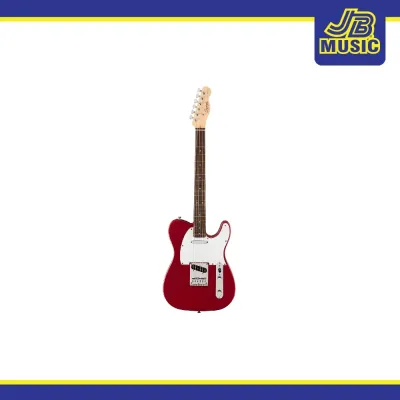
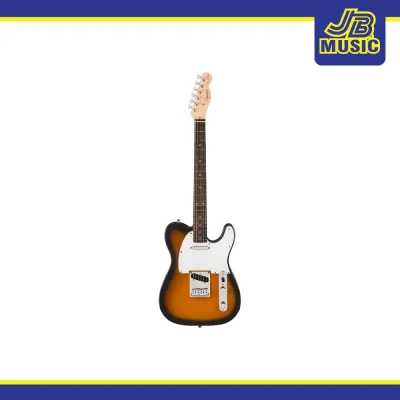
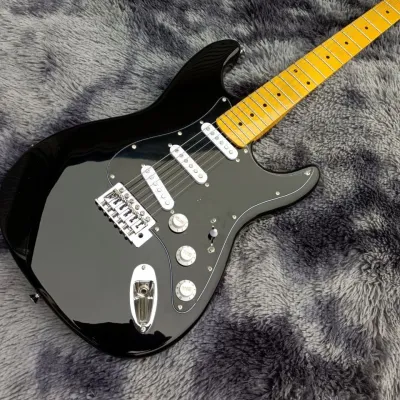
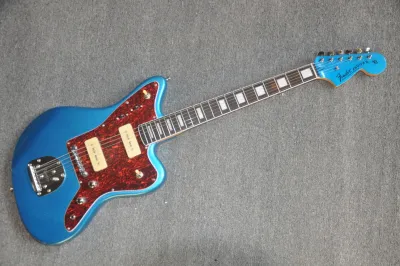
Prices are valid at publication and may change. Please refer to the product page for the latest price.
Why Fender is a Top Choice for Beginner Guitarists
Fender’s enduring legacy in modern music is not just about nostalgia; it is deeply rooted in the physical design and engineering of their instruments. For a beginner, the physical interface of the guitar dictates how quickly muscle memory develops. Iconic body shapes like the Stratocaster and the Telecaster were designed with ergonomics in mind. The Stratocaster features comfort contours—sleek cutaways on the back and armrest areas of the body—that allow the instrument to hug the player’s torso comfortably, whether sitting down during long practice sessions or standing up with a strap.

Versatility is another major reason to choose a Fender-designed guitar. Most beginner models come equipped with multiple pickups and intuitive switching systems. This allows you to transition seamlessly from the bright, glassy tones suited for pop and funk to the warmer, thicker sounds required for rock and blues. Instead of being locked into a single genre, a beginner can freely experiment with different sonic textures as they discover their personal playing style.
Furthermore, purchasing a Fender or Squier instrument provides a level of financial security that off-brand alternatives cannot match. The brand recognition of Fender is exceptionally high in the Philippine guitar community. If you ever decide to upgrade your gear or find that the hobby is not for you, these guitars retain a remarkably stable resale value on the local second-hand market. This strong resale demand minimizes your long-term financial risk, making your initial purchase a safer investment.
Fender vs. Squier: Which Brand Tier Fits Your Budget?
Understanding the relationship between Fender and Squier is essential for setting realistic expectations. Squier is Fender’s officially licensed subsidiary brand. Squier guitars are built to Fender’s strict specifications in specialized factories across Asia, allowing them to be offered at a fraction of the cost of a US- or Mexican-made Fender. When you buy a Squier, you are getting authentic Fender body shapes, headstocks, and design philosophies, but with cost-effective materials and streamlined manufacturing processes.
The differences between the two brands manifest primarily in build quality, hardware materials, and overall price brackets. Squier models generally fall into the ₱10,000 to ₱30,000 price range. They typically feature lightweight tonewoods like poplar or nato, synthetic bone nuts, and ceramic pickups. Genuine Fender guitars, such as the Player Series, generally start around ₱45,000 and can go much higher. These premium instruments utilize high-grade alder or mahogany bodies, real bone nuts, superior Alnico pickups, and more robust tuning machines that offer exceptional stability.
Deciding which brand tier to choose depends on your financial comfort and commitment. If you are testing the waters of a new hobby, starting on a strict budget, or buying a first instrument for a young student, a Squier is undoubtedly the most logical choice. It provides all the necessary playability without a heavy upfront cost. Conversely, if you have a larger budget, are fully committed to long-term practice, or have professional aspirations, investing in a genuine Fender Player model saves you from needing an upgrade later on, serving as a reliable workhorse for both stage and studio.
Best Fender and Squier Electric Guitar Models for Beginners
Selecting the right model within these brands requires looking closely at what each series offers. Below, we examine the four primary series available in the Philippine market, highlighting their unique advantages, drawbacks, and ideal users.
Squier Sonic Series: The Most Affordable Starting Point
The Squier Sonic Series serves as the absolute entry-level tier in the Fender family, replacing the older Bullet line. Designed specifically for players who need an affordable, low-risk way to start their musical journey, these guitars prioritize lightweight comfort. The bodies are slightly thinner than standard Fender dimensions, which significantly reduces the overall weight—a major benefit for younger players or those who practice standing up for extended periods.
These instruments feature slim “C”-shaped maple necks with a satin finish, preventing your hand from sticking when sweat builds up during humid Philippine afternoons. However, to keep the price point highly accessible, some compromises are made. The hardware is basic, meaning tuning stability may require more frequent adjustments, and the ceramic pickups can sound slightly harsh or muddy when played through high-gain amplifiers.
- Pros: Highly affordable; extremely lightweight body; comfortable satin-finished neck.
- Cons: Basic tuning machines require frequent tuning; ceramic pickups lack dynamic range.
- Ideal User: Absolute beginners on a tight budget who want a genuine Fender-designed experience with minimal financial commitment.
Squier Affinity Series: The Best All-Rounder for Most Beginners
The Squier Affinity Series represents the sweet spot of value, playability, and hardware quality. Positioned just above the Sonic series, the Affinity line features standard body thicknesses made of poplar, providing a more traditional weight and feel. The hardware receives a significant upgrade here, featuring sealed die-cast tuning machines with split shafts, which make string changes much easier and hold tuning far better during aggressive strumming.
One of the greatest strengths of the Affinity Series is the variety of pickup configurations available. Beginners can choose between the traditional three single-coil setup (SSS) for classic, bright tones, or the humbucker-equipped models (HSS or HH) which offer thicker, noise-free tones suitable for heavier rock and metal. This versatility, combined with reliable quality control, makes the Affinity series the most frequently recommended line for serious students.
- Pros: Upgraded sealed tuners for stable tuning; multiple pickup configurations available; excellent value for money.
- Cons: Factory setups can sometimes benefit from local fret polishing; slightly heavier than the Sonic series.
- Ideal User: The typical beginner student who is committed to regular practice and wants an instrument that can easily handle a wide range of musical genres.
Squier Classic Vibe Series: Premium Feel for Long-Term Players
For beginners who want a vintage aesthetic and a premium feel without paying genuine Fender prices, the Squier Classic Vibe Series is an outstanding option. This series pays homage to iconic Fender designs from the 1950s, 60s, and 70s. They feature vintage-tinted gloss necks, vintage-style hardware, and Fender-designed Alnico pickups that deliver a remarkably warm, clear, and expressive tone compared to the ceramic pickups found in cheaper models.
The build quality of the Classic Vibe series is highly regarded, often rivaling entry-level genuine Fenders. However, the premium materials and vintage styling drive the price up, typically positioning them in the ₱24,000 to ₱30,000 range. Additionally, the gloss finish on the back of the neck, while visually stunning, can feel somewhat sticky in hot, humid tropical conditions if your hands perspire heavily.
- Pros: Exceptional Fender-designed Alnico pickups; gorgeous vintage aesthetics; high-quality construction.
- Cons: Gloss neck finish can feel sticky in high humidity; price approaches entry-level genuine Fenders.
- Ideal User: Dedicated beginners who appreciate classic music history, demand high-quality tone from the start, and want a guitar they will not outgrow as their skills advance.
Fender Player Series: The Standard for Higher Budgets
The Fender Player Series is the entry point into genuine, Fender-branded instruments manufactured in Ensenada, Mexico. These guitars are built to professional standards, featuring hand-selected alder bodies, high-grade maple necks, and authentic Alnico pickups that provide the signature “Fender chime” and definition. They also incorporate modern playability features, such as 22 medium-jumbo frets and a smooth two-point tremolo bridge for superior pitch stability.
Choosing a Player Series guitar is a major financial step, typically requiring an investment of ₱45,000 or more. Because of this significant cost, it is crucial to purchase only from authorized local dealers to ensure you receive a valid manufacturer’s warranty. While it is a substantial upfront cost for a beginner, the exceptional build quality, flawless fretwork, and long-term durability mean this instrument can accompany you from your very first chord all the way to professional stage performances.
- Pros: Genuine Fender branding and prestige; professional-grade Alnico pickups and hardware; exceptional long-term durability.
- Cons: High initial financial investment; heavier than Squier entry-level models.
- Ideal User: Beginners with a flexible budget who want a premium, lifetime instrument that requires no future upgrades.
Crucial Specs and Features to Evaluate Before Purchase
Before you purchase your first guitar, understanding a few key technical specifications will help you choose the exact configuration that matches your physical comfort and musical goals. The most critical hardware choice you will make is the pickup configuration. Single-coil pickups produce a bright, crisp, and highly detailed sound, but they are susceptible to “60-cycle hum”—a background buzz that becomes noticeable when using high distortion. If you plan to play clean pop, blues, or indie rock, single-coils are excellent. If you prefer high-gain rock, metal, or modern church worship music, look for a humbucker pickup (often designated as “H” in HSS or HH configurations) in the bridge position, as humbuckers cancel this background noise and deliver a thicker, more powerful tone.
The physical shape of the neck also plays a massive role in playability. Most modern Fender and Squier beginner guitars feature a modern “C”-shaped neck profile. This profile is intermediate in thickness, designed to fit comfortably in both small and large hands, making it highly recommended for novices. Fretboard radius is another factor: a flatter radius (like 9.5 inches) makes it easier to bend strings without the note choking out, which is standard on most modern Squier and Fender models.
Finally, you must account for the local environment. The Philippines experiences intense tropical humidity and seasonal temperature shifts. Because guitar necks are made of wood, they are highly sensitive to moisture. High humidity causes the wood to expand, which can bow the neck, raise the action (the distance between the strings and the fretboard), and make the guitar incredibly difficult to play. Conversely, dry air-conditioned rooms can cause the wood to shrink, leading to fret buzz. For this reason, we highly recommend budgeting for a professional initial setup at a local guitar shop upon purchase. A technician will adjust the truss rod, file the nut slots, and set the intonation, ensuring the guitar is perfectly calibrated for the local climate and easy on your fingers.
Where to Buy and How to Avoid Counterfeits in the Philippines
Because of Fender’s immense popularity, counterfeit instruments are a persistent issue in the market. Buying a counterfeit not only deprives you of a warranty but also guarantees poor playability, sharp fret edges, and unstable electronics that will frustrate your learning process. To protect your investment, always purchase your guitar from authorized local music retailers, established physical music stores, or the official brand flagship stores on major e-commerce platforms.
When shopping, especially on second-hand marketplaces or unauthorized online stores, watch out for these major red flags:
- Suspiciously Low Prices: If a brand-new Fender Player Series is being offered for under ₱15,000, it is almost certainly a counterfeit.
- Sloppy Logo Application: Inspect the headstock logo closely. Counterfeits often have crooked decals, incorrect fonts, or lack the patent numbers found on genuine models.
- Missing or Poorly Engraved Serial Numbers: Genuine Fender and Squier guitars feature clean, crisp serial numbers on the back of the headstock or neck plate. You can verify these numbers on Fender’s official online serial database.
- Lack of Documentation: Authorized dealers in the Philippines will always provide an official receipt and a valid local warranty card. If a seller refuses to provide these or claims the guitar came straight from a factory without packaging, walk away.
Frequently Asked Questions (FAQ)
Do I need to buy an amplifier with my first Fender electric guitar?
Yes, an electric guitar produces very little acoustic sound on its own, so an amplifier is necessary to hear yourself play properly. For beginners practicing at home, you do not need a massive stage amp. Instead, look for small, low-wattage digital modeling amplifiers (typically 10 to 15 watts) or compact headphone amplifiers. These modern practice solutions are cost-effective, take up minimal space in a bedroom, and allow you to practice silently using headphones without disturbing your household or neighbors.
Is a Stratocaster or Telecaster better for a beginner?
Both are excellent, but they offer different physical and tonal experiences. The Stratocaster is highly ergonomic due to its contoured body curves and features three pickups, offering a wider variety of tonal options. The Telecaster has a simpler, slab-style body without contours and a straightforward two-pickup control layout, making it incredibly durable and easy to operate. If possible, visit a physical store and hold both models to see which body shape feels more natural against your torso and hands.
How does the Philippine humidity affect my electric guitar?
The high humidity in the Philippines causes the wood in your guitar’s neck to absorb moisture and swell. This swelling often leads to a bowed neck, resulting in high action that makes strings painful to press down, or localized fret buzzing. To protect your instrument, store your guitar in a high-quality gig bag or hard case with silica gel packs when not in use. Alternatively, keep it in a room with a dehumidifier, and have a local professional guitar technician perform seasonal truss rod adjustments to maintain optimal playability.
Community discussion
Share your experience or ask a question. Comments are reviewed before publication.