
Roland electronic drums, often referred to as V-Drums, are a premier choice for aspiring drummers. Beginners looking to build solid foundational skills need an instrument that behaves like an acoustic drum kit without the deafening volume. Roland’s entry-level lineup offers a practical balance of physical realism, quiet operation, and robust construction, making them highly suitable for local homes, apartments, and condominiums in the Philippines.
Why Roland is a Reliable Choice for Beginner Drummers
Roland has long stood as a benchmark in the electronic percussion industry. For a beginner, selecting a drum kit is not just about finding something that makes noise; it is about investing in a platform that accurately translates physical effort into musical expression. Roland’s entry-level electronic drum kits are specifically engineered to bridge this gap, offering a reliable training ground that teaches proper mechanics without overwhelming a novice with excessive technical menus.
One of the primary reasons Roland remains a dominant force is its pioneering double-ply mesh-head technology. Unlike basic electronic kits that utilize hard rubber pads, Roland’s mesh heads offer an adjustable tension design that closely mimics the rebound and physical response of an acoustic drum head. This realistic feel is crucial for beginners because it helps develop correct wrist action, stick control, and muscle memory. Practicing on a surface with natural rebound ensures that when you eventually play on an acoustic kit, the transition feels familiar rather than jarring.
Products mentioned in this guide
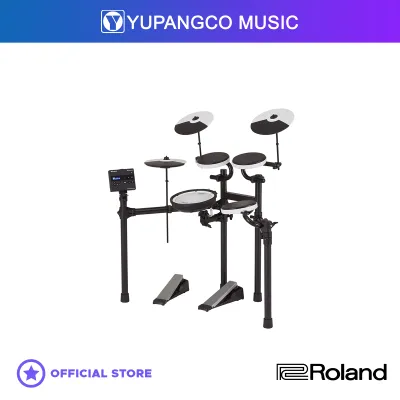
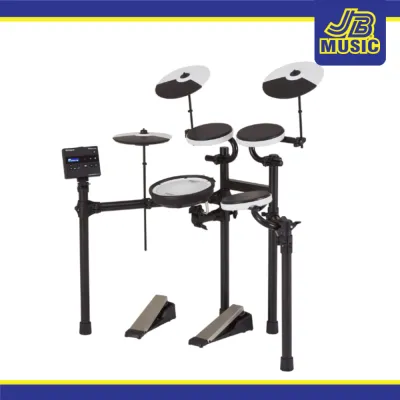
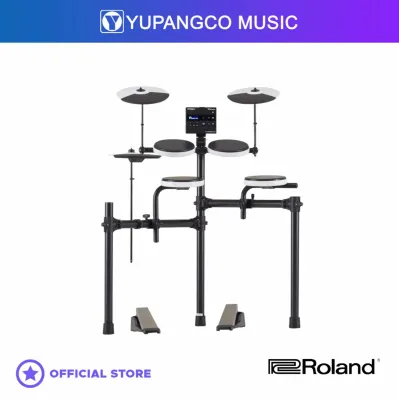
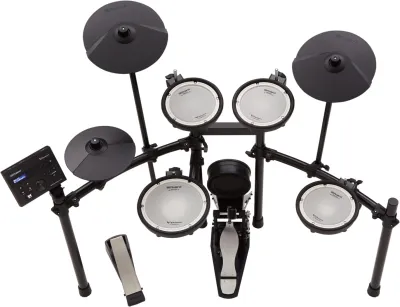
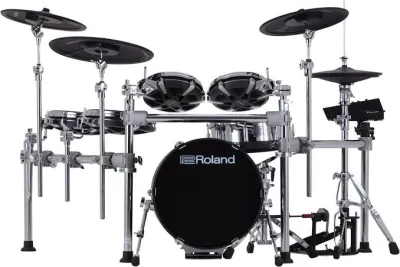
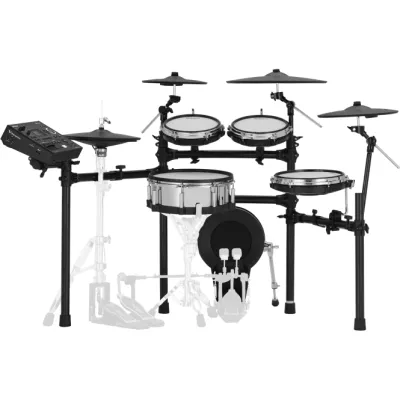
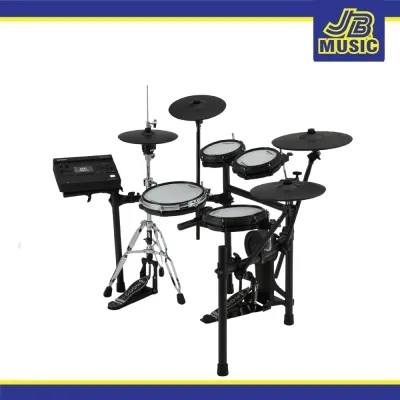
Prices are valid at publication and may change. Please refer to the product page for the latest price.
Beyond physical construction, Roland modules include highly practical, built-in coaching functions designed specifically for self-taught learners. Features such as the Time Check mode analyze your strikes against a metronome, providing real-time visual feedback on whether you are playing ahead of, behind, or exactly on the beat. Other modes, like Quiet Count and ChangeUp, help cultivate a rock-solid internal sense of tempo. For students who may not have immediate access to a physical drum instructor, these interactive tools serve as an objective, daily guide to measuring progress.
Purchasing a Roland kit also carries significant long-term financial advantages. Roland instruments are known for their exceptional durability, easily withstanding the high relative humidity and ambient temperatures of a tropical climate when properly maintained. Because of this reputation for longevity, Roland gear retains a high resale value on the local second-hand market. Should you decide to upgrade your setup or pursue other interests in the future, a well-cared-for Roland kit from an authorized distributor will hold its value far better than generic, unbranded alternatives.
Finally, it is important to set realistic expectations for entry-level electronic drums. These kits are designed to prioritize core playing mechanics—such as dynamic sensitivity, physical layout, and timing accuracy—over complex sound editing or multi-channel recording capabilities. By focusing on the essentials, Roland provides beginners with an intuitive interface that encourages actual practice rather than endless menu diving, making it easier to stay motivated during the critical early stages of learning.
What to Look for in Your First Roland Electronic Drum Kit
Choosing your first electronic drum kit requires balancing your living situation, budget, and long-term learning goals. To make an informed decision, you must evaluate several key specifications and structural features that dictate how the kit performs in daily use.

Pad Material and Playability The material of the drum pads directly impacts both your playing comfort and the acoustic noise generated in your home. Double-ply mesh heads are the standard for quality, offering a quiet physical impact and an adjustable tension that you can fine-tune using a standard drum key. In contrast, rubber pads are more affordable and allow for a highly compact design, but they produce a louder, high-frequency “clack” when struck and offer a stiff, non-adjustable rebound. If your budget allows, prioritizing a kit with at least a mesh snare pad will significantly improve your practice experience, as the snare is the most frequently struck pad in any drum layout.
Module Features and Connectivity The drum module, often called the “brain” of the kit, dictates the quality of the sounds and the learning tools at your disposal. For a beginner, look for a module that offers a clean, straightforward interface with easily accessible metronome and coaching functions. Bluetooth connectivity is another highly valuable feature to look for. A Bluetooth-enabled module allows you to pair your smartphone or tablet wirelessly, enabling you to stream backing tracks, lessons, or metronome apps directly through your headphones alongside your drum sounds. This eliminates the clutter of auxiliary cables and makes play-along practice sessions seamless.
Space and Noise Control Before purchasing a kit, measure your available floor space. A standard electronic drum setup typically requires an area of approximately 1.2 meters by 1.2 meters, though ultra-compact models can fit into spaces under 1 meter wide. Additionally, you must consider noise control, especially if you live in a high-density condominium or apartment in urban areas. While mesh heads minimize airborne noise, the physical impact of your feet on the kick and hi-hat pedals creates low-frequency structural vibrations. These vibrations travel downward through concrete slab floors and can easily disturb neighbors below if not properly managed.
Device Compatibility for Learning and Recording Modern drum learning often relies on digital integration. Ensure the module you select features a class-compliant USB port. This USB-MIDI connection allows you to connect the kit directly to a computer, tablet, or smartphone without needing a separate MIDI interface. This compatibility is essential for using interactive drum learning software, or for triggering high-quality virtual drum instruments within a Digital Audio Workstation (DAW) for home recording. Some advanced-entry modules also support USB-Audio, which lets you record the actual stereo audio of your performance directly to your computer over a single USB cable.
Power Specifications and Local Warranty Electrical compatibility is a critical detail that is easily overlooked. The standard electrical supply in the Philippines is 220V AC at 60Hz. When buying your kit, always verify that the included power adapter is rated for 220V input to avoid damaging the delicate electronic components of the module. Furthermore, ensure your purchase is made through an authorized local dealer. This guarantees that you receive a valid local manufacturer warranty, which is vital for securing authorized repairs, replacement parts, and support if any electronic components or trigger sensors experience issues over time.
Top Roland Electronic Drum Setups for Beginners
Roland offers several entry-level configurations tailored to different space constraints, budgets, and learning intensities. Understanding the distinctions between these setups will help you match a kit to your specific domestic environment and musical aspirations.
Ultra-Compact Kits for Small Spaces and Tight Budgets
For beginners dealing with severe space limitations or those seeking a highly cost-effective entry point into drumming, ultra-compact setups are highly practical. These kits, exemplified by the TD-02K and the historical TD-1DMK lineages, utilize a streamlined, space-saving frame design. The rack is often structured around a highly adjustable three-post stand that allows you to easily lower the pads for younger players or fold the entire kit inward for storage in a closet or corner.
To keep these setups compact and affordable, they typically feature a combination of rubber tom pads and a compact snare pad. The kick drum is often controlled via a beaterless trigger pedal rather than a physical pad and beater. This design is exceptionally quiet because it eliminates the physical impact of a heavy plastic or felt beater hitting a vertical pad, making it highly suitable for late-night practice in tight quarters.
However, these ultra-compact kits do come with notable limitations. The cymbals are generally single-zone, meaning they cannot produce different sounds on the bow and edge, and they often lack choke capabilities (the ability to mute the cymbal sound by grabbing the edge). Additionally, the streamlined modules offer a basic selection of preset drum kits with very limited sound editing options, and the physical frame cannot easily accommodate larger pad upgrades. This category is ideal for casual hobbyists, young children, or anyone who requires a low-profile kit that can be easily tucked away when not in use.
Standard Mesh-Head Kits for a Realistic Acoustic Feel
If your primary goal is to develop authentic acoustic drumming techniques but you still need to keep your budget and physical footprint manageable, a standard mesh-head kit is the logical choice. The TD-02KV setup represents this category, bridging the gap between ultra-compact designs and full-scale electronic kits.
The defining feature of this tier is the inclusion of a dedicated double-ply mesh snare pad, such as the PDX-8, paired with a more robust, standard-sized rack. The mesh snare pad utilizes dual-trigger technology, allowing the module to play a standard snare sound when you hit the head and a distinct rimshot or cross-stick sound when you strike the plastic rim. This dual-triggering is essential for learning classical snare rudiments and playing dynamic genres like jazz, funk, or rock. The rack on these kits provides a wider, more stable layout that closely mimics the physical spacing of a traditional acoustic drum set, helping you develop accurate spatial awareness.
The accompanying module features dedicated coaching programs, a highly precise metronome, and compatibility with optional Bluetooth adapters. This allows you to integrate interactive lesson apps seamlessly into your daily routine. While these kits offer an excellent balance of realism and cost, they still feature some limitations. The tom pads are often rubber on the entry-level variants of this tier, and the module’s sound customization remains basic compared to mid-range electronic drums. This setup is highly recommended for dedicated beginners who want a realistic snare response for serious practice without a massive initial investment.
Advanced-Entry Kits for Serious and Fast-Progressing Learners
For beginners with a flexible budget who are committed to long-term progress, advanced-entry kits provide a premium playing experience that you will not quickly outgrow. This category, represented by the TD-07 series (including the TD-07DMK and TD-07KV), features all-mesh pads for both the snare and all tom drums, ensuring a consistent, realistic rebound across the entire kit.
The TD-07 module is a significant step up from basic entry-level brains. It features built-in Bluetooth audio and MIDI out of the box, allowing for wireless connection to mobile devices and computers. More importantly, it offers deep sound editing capabilities. You can adjust the pitch, dampening, and virtual room acoustics for every individual pad, allowing you to customize your drum sound to match different musical genres. The cymbals on these kits are larger and support dual-triggering with full edge choking on both the crash and ride cymbals, allowing for highly expressive playing.
Additionally, these kits utilize a physical kick pad designed to be struck by a standard acoustic bass drum pedal. This setup provides an authentic pedal feel, allowing you to practice advanced foot techniques like double strokes and heel-toe movements. The trade-offs for this level of performance are a higher retail price, a larger physical footprint, and increased structural vibration from the physical kick beater. This setup is best suited for serious learners, adult beginners with dedicated practice spaces, or musicians who want a highly capable home practice kit that supports advanced playing techniques.
Comparing Roland Entry-Level Drum Kits at a Glance
To help you visualize the trade-offs between space, features, and cost, the following table summarizes the primary categories of Roland’s entry-level electronic drum kits.
| Kit Category | Pad Material | Key Module Features | Space Requirement | Ideal User Profile | Relative Cost |
|---|---|---|---|---|---|
| Ultra-Compact | Rubber pads (mesh snare on some variants) | Basic drum kits, built-in coach, beaterless kick controller | Very Compact (under 1m wide) | Casual players, young children, tight apartment spaces | Budget-Friendly |
| Standard Mesh-Head | Mesh snare, rubber toms | Dual-trigger snare, coach functions, optional Bluetooth | Moderate (approx. 1.1m wide) | Dedicated beginners, students focusing on snare rudiments | Mid-Range |
| Advanced-Entry | All-mesh pads (snare and toms) | Deep sound editing, built-in Bluetooth, physical kick pad | Standard (approx. 1.2m wide) | Serious learners, fast progressors, home recording hobbyists | Premium Entry |
Note: Prices and availability fluctuate based on local import costs and dealer promotions. We recommend visiting an authorized local music store to verify current pricing and test the physical feel of each kit before making a purchase.
Essential Accessories to Complete Your Drumming Setup
When purchasing an electronic drum kit, it is important to remember that the drum module and pads are only part of the equation. To create a safe, comfortable, and effective practice environment, you must budget for several essential accessories.
Drum Throne Do not make the mistake of using a standard household chair, plastic stool, or office chair with wheels. A proper drum throne is highly adjustable and designed to support your weight while allowing your legs to move freely. A stable, double-braced drum throne helps you maintain correct posture, with your thighs angled slightly downward from your hips. This ergonomic positioning prevents lower back strain and fatigue during extended practice sessions.
Audio Output Options Because electronic drums do not produce acoustic sound on their own, you will need a reliable way to hear your playing. Standard consumer earphones often lack the frequency response required to handle the deep low-end of a bass drum or the sharp transient attack of a snare drum. For silent practice, invest in a pair of closed-back studio monitor headphones with an impedance rating between 32 and 80 ohms, which can be easily driven by entry-level drum modules without an external amplifier. If you want to play aloud, you will need a dedicated electronic drum monitor amplifier; standard guitar amplifiers are not designed to handle the wide frequency range of drums and can easily damage their speakers.
Noise and Vibration Isolation While mesh heads are quiet to the ear, the physical impact of your feet on the pedals creates low-frequency structural vibrations that travel through the floor. In typical concrete-slab apartments and condominiums, this vibration can easily sound like a hammer hitting the ceiling for the neighbors living directly below you. To mitigate this, place a thick, high-density carpet or rubber utility mats under your entire drum rack. For maximum isolation, you can construct a simple DIY “tennis-ball riser” using two sheets of sturdy plywood sandwiched over a grid of tennis balls, which effectively decouples the kit from the floor and absorbs the pedal impact.
Drumsticks and Hardware Compatibility Always use appropriate drumsticks. For electronic kits, wood drumsticks with nylon tips are highly recommended, as nylon tips are perfectly smooth and will not snag or tear the delicate double-ply mesh heads. Ensure your sticks are clean and free of splinters from acoustic playing. Additionally, check the specifications of your chosen kit to see if a kick pedal is included. Many advanced-entry kits do not package a bass drum pedal with the kit, requiring you to purchase a standard acoustic kick pedal separately.
Frequently Asked Questions (FAQ)
Can I use Roland electronic drums with my computer for recording?
Yes, entry-level Roland electronic drum modules feature a USB port that allows for easy connection to a computer. This connection transmits USB-MIDI data, enabling you to trigger virtual drum instruments inside digital audio workstations (DAWs) or use interactive learning software. Some modules also support USB-Audio, which can transmit the actual stereo audio of your drum kit directly to your computer over a single USB cable. Always check your specific module’s manual to verify if it requires a dedicated driver installation or if it is a plug-and-play, class-compliant device.
How do I reduce vibration noise for neighbors in a condominium?
To reduce the low-frequency structural vibration caused by kick and hi-hat pedals in a condominium, you must decouple your drum kit from the floor. Placing a thick, sound-absorbing drum mat or high-density rubber gym tiles under the rack is a simple first step. For more effective isolation, you can build a DIY tennis-ball riser, which uses tennis balls sandwiched between two wooden boards to absorb the physical impact of the pedals before it can travel through the building’s concrete slab. Additionally, using beaterless trigger pedals instead of physical kick beaters significantly reduces structural noise.
Community discussion
Share your experience or ask a question. Comments are reviewed before publication.