
Starting your drumming journey as an adult is an exciting and deeply rewarding pursuit, but selecting the right electronic drum set requires balancing realistic playing feel, physical space, and local environmental conditions. Unlike younger learners, adult beginners typically require a kit that matches their physical stature, fits seamlessly into modern living spaces like condominiums or townhouses, and withstands the tropical climate of the Philippines. By focusing on key hardware specifications, pad materials, and module capabilities, you can find a setup that supports your learning goals without causing noise complaints or suffering premature wear.
Choosing an electronic drum set involves evaluating how closely the instrument mimics the response of an acoustic kit while offering the quiet convenience of digital audio. The ideal starter kit for an adult is not necessarily the most expensive one, but rather one that provides a stable rack, adjustable components, and a sound module that encourages consistent practice. Understanding these technical and physical requirements before making a purchase ensures that your investment will remain a valuable learning tool for years to come.
Assessing Your Space and Noise Constraints
Before browsing online marketplaces or visiting local music stores, you must carefully evaluate the physical space where you plan to set up your electronic drum kit. While electronic drums are significantly more compact than their acoustic counterparts, they still require a dedicated footprint that allows for comfortable arm and leg extension. A standard adult-sized electronic drum rack typically requires an area of at least 1.2 meters by 1.2 meters, though more advanced setups with wider cymbal placements may need up to 1.5 meters of width.
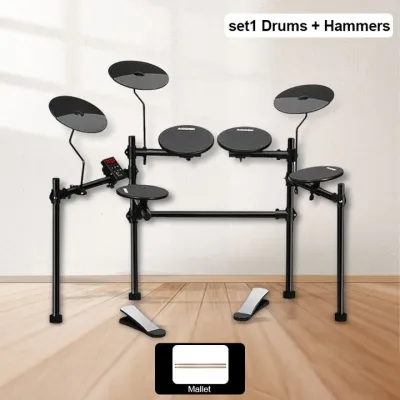
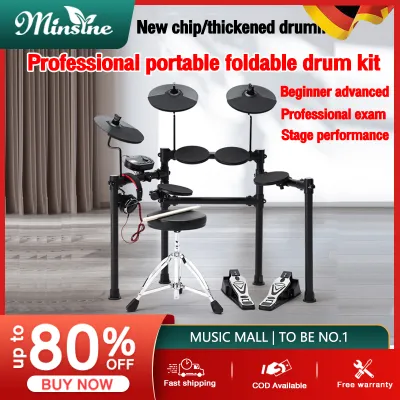
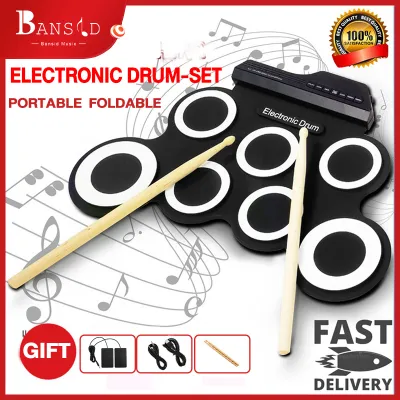
Products mentioned in this guide

![[Free drum sticks]Minsine Electronic drum set Portable Foldable Silicone Electronic Drum Pad Kit Digital USB MIDI Roll-up with Drumstick Foot Pedal 3.5mm Audio Cable Outdoorfree](https://img.lazcdn.com/g/p/1f4f4ff33aa0398f6877959d78491d4c.jpg_400x400q80.jpg_.webp)

Prices are valid at publication and may change. Please refer to the product page for the latest price.
Measuring your available floor space is the first step in deciding between a standard and a compact rack setup. Compact or folding racks are highly appealing for smaller bedrooms or studio apartments, as they can be tucked away when not in use. However, adult players often find that ultra-compact racks limit their ability to position the pads at ergonomically correct heights and angles, which can lead to poor posture and muscle strain. If space permits, prioritizing a standard, non-folding rack provides the stability and adjustability needed to mimic a real acoustic drum layout.
Noise isolation is another critical factor, especially for those living in multi-story residential buildings, townhouses, or condominiums in dense urban areas. While headphones prevent the sound of the drum samples from filling the room, they do not silence the physical impact of your drumsticks hitting the pads. The downward force of your foot on the kick pedal and hi-hat controller creates low-frequency vibrations that travel directly through the floorboards. This structural noise can easily disturb neighbors living directly below you, even if the acoustic sound of the sticks is relatively quiet.
To mitigate vibration transfer, many adult drummers construct DIY isolation platforms, often referred to as tennis ball risers. These platforms consist of two sturdy wooden boards sandwiching several tennis balls, which absorb the kinetic energy of your foot pedals before it can penetrate the concrete floor. Alternatively, heavy-duty interlocking rubber gym mats or specialized acoustic drum rugs can help dampen high-frequency vibrations. Planning for these isolation measures during your initial setup phase will save you from potential noise complaints and allow you to practice with peace of mind.
Finally, you must verify that the drum module features a dedicated, high-quality headphone output. Most modern modules use either a standard 3.5mm mini-jack or a 6.35mm stereo jack. Ensuring compatibility with your preferred studio headphones is essential for an immersive practice experience. Using open-back headphones can provide a more natural soundstage, while closed-back headphones offer superior isolation from the physical clicking sounds of the pads, allowing you to focus entirely on your playing.
Choosing the Right Pad Material: Mesh vs. Rubber
The material of your drum pads directly influences both the physical feel of the instrument and the amount of ambient noise generated during practice. For adult beginners, selecting the right pad material is crucial for developing proper stick technique and preventing hand fatigue. The two primary options available on the market are mesh heads and rubber pads, each presenting distinct advantages and trade-offs in terms of playability, noise, and cost.

Mesh drum heads are made of a woven fabric stretched over a drum shell, closely resembling the appearance and construction of traditional acoustic drumheads. They offer a highly realistic rebound and tactile response, which is essential for adult hand ergonomics. Because mesh heads absorb the impact of the drumstick more naturally than solid rubber, they place significantly less strain on your wrists and fingers during long practice sessions. This realistic rebound also makes it much easier to transition your skills to an acoustic drum kit later on, as your muscle memory will adapt to a similar surface tension.
In contrast, rubber pads are solid, molded surfaces that tend to feel much stiffer and springier than acoustic drums. While they are highly durable and generally more budget-friendly, the harsh rebound of rubber can cause discomfort or fatigue in adult joints, particularly during rapid or repetitive patterns. Furthermore, rubber pads produce a distinct, high-pitched click sound when struck. This acoustic stick noise can be surprisingly loud in a quiet room, potentially disturbing other members of your household even if you are wearing headphones.
Mesh heads are inherently much quieter than rubber pads, producing a low-pitched, muffled thud that is easily masked by ambient household sounds. If you plan to practice late at night or share a living space with others, investing in a kit with all-mesh heads is highly recommended. Many mid-range and premium electronic drum sets feature dual-zone mesh pads, which allow you to trigger different sounds from the center of the head and the rim, adding a layer of expressive capability to your playing.
When evaluating mesh kits, it is wise to check the manufacturer specifications for tension adjustability. High-quality mesh heads feature tuning lugs around the rim, allowing you to tighten or loosen the head using a standard drum key. This adjustability lets you customize the rebound of each pad—for instance, making the snare pad tight and snappy while keeping the tom pads slightly looser, mimicking the natural variation found on an acoustic kit. Checking these specifications ensures you select a durable, customizable kit that supports proper technique development.
Recommended Hardware Configuration for Adult Learners
To build a solid foundation and ensure that your skills are transferable to any standard drum kit, your electronic setup should feature a complete and ergonomically sound hardware configuration. Many entry-level kits compromise on pad sizes or pedal designs to reduce costs, but adult learners should look for specific minimum components to avoid developing bad habits. A proper configuration ensures that your physical movements align with standard drumming geometry.
The foundation of any standard setup is a 5-piece pad layout, which consists of a snare drum, three toms (typically two rack toms and one floor tom), and a dedicated kick drum pad or tower. This layout is the universal standard for modern music, and learning on this configuration ensures that you can easily sit down at an acoustic kit in a studio or rehearsal space without feeling disoriented. The snare pad should ideally be at least 8 to 10 inches in diameter to accommodate the natural arm span of an adult player, preventing you from constantly hitting the plastic rim.
Cymbal pads are equally important and should include at least one hi-hat, one crash cymbal, and one ride cymbal. For a realistic playing experience, look for cymbals that feature choke capability, which allows you to silence the cymbal sound by grabbing the edge of the pad with your hand—a fundamental technique in many musical genres. The ride cymbal should ideally support multi-zone triggering, allowing you to play distinct sounds on the bow, edge, and bell of the cymbal to expand your sonic palette.
One of the most critical hardware decisions for an adult beginner is the type of kick drum interface. Lower-end kits often use a simple, button-style foot controller that triggers the bass drum sound electronically without a physical beater. While quiet, these controllers lack the physical resistance and rebound of a real pedal, making it difficult to develop proper foot control and ankle technique. Adult learners should prioritize a kit that includes a physical kick tower or pad designed to be struck by a standard, mechanical kick pedal. This setup provides the realistic resistance needed to build leg strength and control.
Finally, ensure that the drum rack itself is sturdy, stable, and highly adjustable. Adult players require the rack to be positioned higher than younger learners to maintain a healthy, upright posture. A flimsy rack will wobble or sag under the weight of enthusiastic playing, which can be highly distracting and may cause the pads to shift out of position. Look for racks with heavy-duty steel or aluminum tubing and secure clamps that can lock the pads firmly at your preferred height and angle.
Key Drum Module Features for Effective Practice
The drum module, often referred to as the brain of the electronic kit, is responsible for translating your physical strikes into digital sounds. Beyond simply generating drum tones, a high-quality module serves as an interactive practice partner, offering built-in tools that can accelerate your learning curve. When comparing different electronic drum sets, evaluating the features of the module is just as important as inspecting the physical pads.
For adult beginners, essential practice tools should include a highly adjustable built-in metronome, which is the single most important tool for developing steady timing. Look for modules that allow you to change the time signature, subdivision, and volume of the click independently. Many modern modules also include built-in play-along tracks across various musical genres, allowing you to practice playing with a full band. Advanced coaching or rhythm-check functions are also incredibly valuable, providing visual feedback on whether your strokes are ahead of, behind, or perfectly on the beat.
Connectivity options are another vital consideration for modern learning. A module equipped with a USB-MIDI port allows you to connect the drum kit directly to a computer, tablet, or smartphone. This connectivity enables you to use interactive educational software, recording programs, or virtual instrument libraries to access a wider range of high-fidelity drum sounds. Additionally, an auxiliary audio input or built-in Bluetooth connectivity allows you to stream music directly from your phone into your headphones, making it easy to play along with your favorite songs or online video lessons.
You should also assess the sound engine’s dynamic range and velocity sensitivity. A high-quality sound engine does not simply play the same pre-recorded sound louder or softer depending on how hard you hit the pad; instead, it triggers different sample layers that capture the tonal changes of an acoustic drum struck at varying intensities. This velocity sensitivity is crucial for developing dynamic control, allowing you to practice subtle ghost notes on the snare as well as powerful accents. Before purchasing, verify that the module allows you to adjust the trigger sensitivity and velocity curves to match your personal playing style.
Pre-Purchase Checklist for Philippine Buyers
Purchasing an electronic drum set in the Philippines requires careful attention to local electrical standards, warranty structures, and environmental factors. Because electronic instruments are sensitive to power fluctuations and environmental moisture, taking a few precautionary steps before finalizing your purchase will protect your investment and ensure long-term reliability.
First, confirm the power supply compatibility of the drum module with the standard 220V electrical grid in the Philippines. Many electronic drum kits imported directly from overseas markets are designed for 100V or 110V systems. Connecting a 110V power adapter directly to a 220V outlet will permanently damage the module’s internal circuitry. To avoid the need for bulky step-down transformers, always verify that the included power adapter is rated for multi-voltage input (100V–240V) or is specifically configured for the local 220V standard.
Second, pay close attention to the warranty terms offered by the seller. When purchasing from online marketplaces or local distributors, distinguish between official local distributor warranties and international or gray-market coverage. Official local distributors typically offer reliable repair services and genuine replacement parts within the country. Gray-market imports may be slightly cheaper upfront, but they often require you to ship the heavy module or pads back to another country for repairs, resulting in high shipping costs and lengthy downtime.
Third, plan for humidity protection to safeguard your electronic drum set from the tropical climate of the Philippines. High relative humidity can cause moisture to condense inside the drum module, leading to corrosion of the electronic contacts, input jacks, and internal circuit boards. Over time, excessive moisture can also affect the tension and structural integrity of mesh drum heads.
To protect your kit, place it in a well-ventilated room, ideally one with consistent air conditioning or a dedicated dehumidifier. Avoid setting up the drums directly next to open windows where rain or direct sunlight can reach the instrument. Placing large silica gel packs inside the storage compartments or hanging them near the drum rack can help absorb excess moisture from the air. Regularly checking and cleaning the cable connections with a dry, lint-free microfiber cloth will prevent dust and moisture buildup, ensuring your electronic drum set remains in peak performing condition for years to come.
Frequently Asked Questions (FAQ)
Do I need an amplifier for my electronic drum set?
For private, silent practice, you do not need an amplifier; a good pair of stereo headphones plugged directly into the drum module is all that is required. However, if you want to play along with other musicians, perform in front of an audience, or simply practice without wearing headphones, you will need an external sound system. A dedicated electronic drum amplifier or a portable PA system is designed to handle the wide dynamic range and deep low-end frequencies of a bass drum, which standard home stereo speakers or guitar amplifiers cannot reproduce safely without risking damage.
Can I use electronic drums to learn acoustic drumming?
Yes, electronic drums are an excellent tool for learning the fundamental skills required for acoustic drumming. The physical layout, sticking patterns, hand-to-foot coordination, and limb independence translate directly from an electronic kit to an acoustic one. However, there are subtle differences in physical response that you will need to adapt to later. Techniques such as gradual cymbal swells, complex rimshots, and the nuanced foot control required for a physical acoustic hi-hat stand behave differently on digital pads, meaning some adjustment will be necessary when transitioning to an acoustic kit.
How do I protect electronic drums from high humidity?
Protecting your electronic drums from high humidity involves keeping the instrument in a well-ventilated, dry environment away from direct sources of moisture. Avoid placing the kit near open windows, balconies, or damp walls where rain or condensation can accumulate. During the rainy season, using a dehumidifier in the practice room or placing silica gel packets near the module and cable connections can significantly reduce the risk of moisture damage. Additionally, perform routine checks of the cable jacks and wipe down the metal rack and pads with a dry microfiber cloth to prevent dust and humidity from causing corrosion.
Community discussion
Share your experience or ask a question. Comments are reviewed before publication.