
Finding the right electric guitar strings is one of the most direct and affordable ways to shape your instrument’s tone, playability, and overall responsiveness. Because different musical genres demand distinct physical techniques—ranging from wide, expressive bends in blues to rapid, heavy palm-muting in metal—the ideal string specifications vary significantly from player to player. Furthermore, playing in a tropical environment like the Philippines introduces unique challenges, as high humidity and heat accelerate sweat-induced corrosion, making material selection and maintenance critical to preserving your tone. By matching your string gauge, core construction, and wrap alloy to your specific playing style, you can optimize your guitar’s performance and ensure your strings last as long as possible.
How to Match String Specs to Your Playing Style
Selecting the perfect set of strings requires an understanding of how technical specifications translate to physical feel and acoustic output. Balancing these elements allows you to customize your instrument to your physical strength and tonal preferences.
String Gauge (Thickness)
String gauge refers to the physical diameter of the strings, measured in thousandths of an inch. Lighter sets, such as those starting at .009 (9-42), require less physical tension to reach pitch, making them highly pliable, easy to bend, and excellent for fast legato or lead playing. However, light strings offer less physical resistance, which can lead to accidental fretting sharp if you have a heavy fretting hand, and they produce a slightly thinner acoustic resonance. Conversely, heavier sets, starting at .011 (11-49) or higher, demand more finger strength but provide a thicker, punchier tone, excellent tuning stability under heavy picking, and the necessary tension to prevent floppiness when tuning down.
Products mentioned in this guide
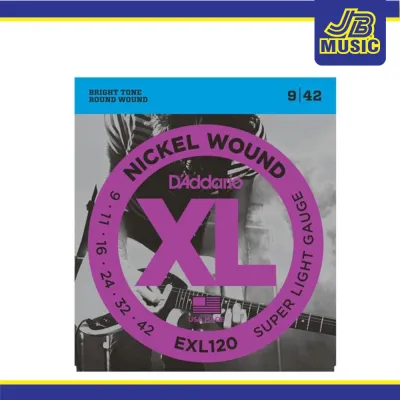
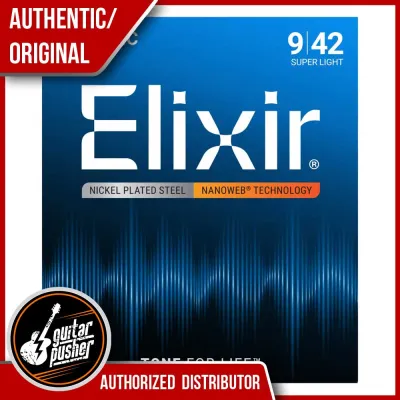
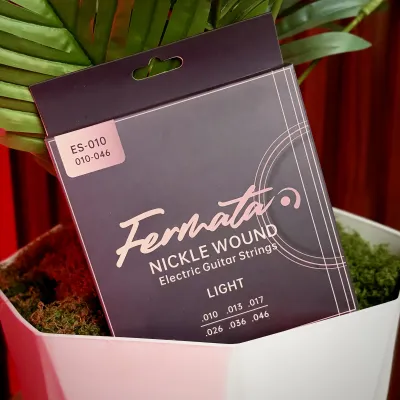
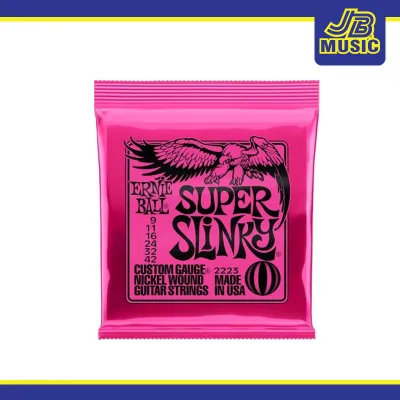
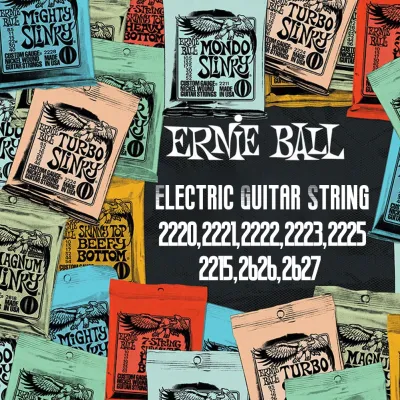
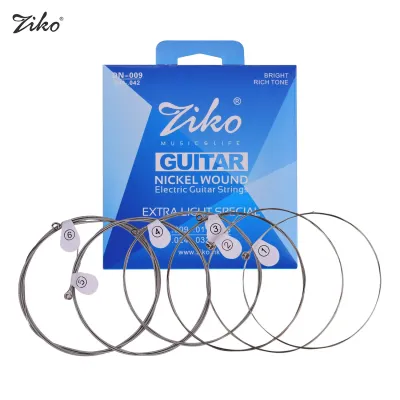
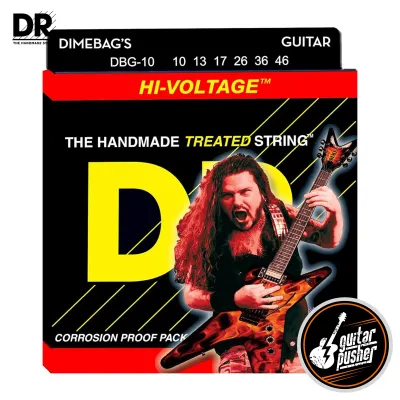
Prices are valid at publication and may change. Please refer to the product page for the latest price.
Wrap Material and Magnetics
The metal alloy wrapped around the lower strings dictates both the physical feel and the magnetic interaction with your guitar’s pickups. Nickel-plated steel is the contemporary industry standard, offering a balanced, bright-yet-warm tonal profile with excellent magnetic output that suits almost any genre. Pure nickel wraps provide a warmer, rounder, and distinctly vintage-voiced tone with a softer attack, making them highly prized by classic rock and blues players, though they have slightly lower magnetic output. Stainless steel wraps are highly magnetic, corrosion-resistant, and physically harder, producing an aggressive, bright, and cutting tone that excels in high-gain modern settings.
Coating and Treatment
Guitarists must choose between traditional uncoated strings and modern coated or polymer-treated strings. Uncoated strings offer a raw, grippy texture and a highly detailed, bright top-end response right out of the package, but they oxidize quickly when exposed to sweat and moisture. Coated strings feature an incredibly thin protective polymer layer that shields the metal core and wrap wire from oils, skin debris, and atmospheric moisture. While coated strings generally carry a higher upfront cost, they maintain their “fresh” tone and physical smoothness for several times longer than uncoated sets, though some players note a slight dampening of the ultra-high frequencies.
Scale Length and Tension
The physical scale length of your guitar—the distance between the nut and the bridge saddle—directly impacts how a specific string gauge feels. A standard 25.5-inch scale length (commonly found on double-cutaway, bolt-on neck guitars) requires higher tension to bring strings to pitch than a shorter 24.75-inch scale length (typical of single-cutaway, set-neck instruments). Consequently, a set of 10-46 strings will feel noticeably stiffer and tighter on a longer-scale guitar, whereas the same set will feel softer and easier to bend on a shorter-scale instrument.
Recommended Electric Guitar Strings by Genre
Different musical genres demand specific physical techniques and tonal characteristics. Categorizing strings by genre allows you to select an archetype designed to support your specific playing style.

Rock and Hard Rock
Rock and hard rock guitarists require strings that can handle aggressive chord work while remaining flexible enough for expressive, soaring guitar solos.
- Ideal Specs: 10-46 gauge; nickel-plated steel.
- Why It Works: The 10-46 gauge, often referred to as "light" or "regular," offers the perfect middle ground for standard tuning. The treble strings (.010, .013, .017) provide enough resistance to allow for controlled, expressive bending without causing rapid finger fatigue. Meanwhile, the bass strings (.026, .036, .046) offer sufficient tension for solid, punchy rhythm playing. Nickel-plated steel delivers a balanced frequency response with a strong midrange presence, helping your guitar cut through a dense band mix of drums, bass, and vocals.
- Archetype Examples: Standard medium-light nickel-plated steel sets, widely recognized as the traditional choice for everyday rock playing.
- Limitations: Because these strings are typically uncoated, they are highly vulnerable to the rapid accumulation of sweat and dirt. Players with highly acidic sweat may find that the high strings lose their bright attack and develop a rough, high-friction texture after only a few intense jam sessions.
Blues and Classic Rock
Blues and classic rock players generally prioritize warmth, tactile feedback, and dynamic sensitivity, relying on the natural compression of their amplifiers.
- Ideal Specs: 10-46 or 11-49 gauge; pure nickel wrap.
- Why It Works: Pure nickel strings deliver a warmer, rounder tone with a softer transient attack compared to nickel-plated steel. This tames the harsh, piercing high frequencies that can occur when using single-coil pickups or bright, overdriven tube amplifiers. Stepping up to an 11-49 gauge provides a thicker physical profile, which enhances sustain and allows for highly controlled, wide vibrato and deep, expressive string bends without overshooting the target pitch.
- Archetype Examples: Vintage-spec, pure nickel wrapped sets designed to replicate the manufacturing standards of the 1950s and 1960s.
- Limitations: Pure nickel has a lower magnetic output than steel alloys. If you transition to a modern high-gain genre, these strings may lack the sharp, aggressive bite and tight low-end tracking required for heavy distortion.
Metal and Modern Heavy Genres
Metal guitarists require exceptional tuning stability, high tension on the lower strings for drop tunings, and a sharp, aggressive attack that remains clear under extreme gain.
- Ideal Specs: 10-52, 11-56, or specialized "heavy bottom" sets; stainless steel or high-carbon steel cores.
- Why It Works: Dropping your guitar's tuning (such as Drop D, Drop C, or lower) reduces string tension, which can make standard strings feel loose, floppy, and difficult to keep in tune. "Light top, heavy bottom" sets (like 10-52) keep the high strings pliable for lead work while utilizing much thicker bass strings to maintain tight, punchy tension for rapid palm-muted riffs. Stainless steel wraps provide a bright, aggressive high-end sizzle and a highly defined transient response, ensuring that fast, technical note runs remain articulate and do not turn into a muddy wall of noise.
- Archetype Examples: Heavy bottom, drop-tuning optimized, or stainless steel sets with reinforced core wire construction.
- Limitations: The high tension of these heavy sets requires significant fretting-hand strength. Additionally, switching your guitar from a standard light gauge to a heavy bottom set will alter the physical pull on the neck, necessitating a professional setup—including adjusting the truss rod, widening the nut slots, and recalibrating the bridge intonation—to prevent fret buzz and tuning issues.
Pop, Indie, and Versatile Everyday Playing
Pop, indie, and session guitarists often need to cover a wide variety of tonal ground while prioritizing physical comfort and long-term reliability.
- Ideal Specs: 9-42 or 10-46 gauge; coated or polymer-treated strings.
- Why It Works: Lighter gauges like 9-42 minimize finger fatigue during long rehearsals, recording sessions, or multi-set cover gigs. Coated strings are highly practical for versatile players because the micro-thin protective barrier prevents sweat, dirt, and ambient humidity from penetrating the winding. This allows the strings to maintain a consistent, bright, "freshly strung" tone and a smooth, slick feel for months, reducing the frequency of string changes.
- Archetype Examples: Micro-coated or polymer-treated long-life string sets designed to preserve natural high-end frequencies.
- Limitations: Some traditional players find the physical texture of coated strings slightly too slippery or plastic-like, which can affect their grip during precise bends. Additionally, the polymer coating can slightly dampen the ultra-high frequencies, resulting in a marginally less raw or aggressive tone compared to fresh uncoated strings.
Quick Comparison of Recommended String Sets
To help you quickly identify the best starting point for your instrument, the table below summarizes the key technical specifications and primary benefits of each string archetype.
| Playing Style | Recommended Gauge Range | Ideal Material/Coating | Key Benefit | Best For |
|---|---|---|---|---|
| Rock & Hard Rock | 10-46 (Regular Light) | Nickel-Plated Steel | Balanced tone, versatile midrange, comfortable bending | Standard tuning, classic to modern rock riffs |
| Blues & Classic Rock | 10-46 or 11-49 (Medium) | Pure Nickel Wrap | Warm, vintage-voiced tone, smooth attack, enhanced sustain | Single-coil guitars, expressive vibrato, tube-amp overdrive |
| Metal & Heavy Genres | 10-52 to 11-56 (Heavy Bottom) | Stainless Steel or Heavy Core | Tight low-end response, high tuning stability, aggressive bite | Drop tunings, rapid palm-muting, high-gain articulation |
| Pop, Indie, & Session | 9-42 (Super Light) or 10-46 | Coated / Polymer-Treated | Long-lasting tone, corrosion resistance, low finger fatigue | Humid environments, frequent gigging, versatile genre coverage |
Buying and Maintaining Strings in a Tropical Climate
Playing the guitar in the Philippines presents specific environmental challenges. Managing these factors is essential to protect your investment and keep your instrument performing at its best.
Where to Buy
When purchasing electric guitar strings in the Philippines, it is crucial to source them from authorized physical music retailers, established local instrument shops, or official brand stores on online marketplaces. Counterfeit strings are highly prevalent on generic ecommerce platforms. These fake strings are often manufactured with low-grade steel, resulting in inconsistent thickness, poor intonation, a stiff physical feel, and a high susceptibility to snapping under tension. Genuine strings will feature high-quality packaging, consistent winding, and reliable performance.
Climate Impact
The tropical humidity and high ambient temperatures characteristic of the Philippine climate act as a catalyst for oxidation. When uncoated steel and nickel strings are exposed to moisture in the air, combined with the natural sweat and oils from your fingers, they begin to rust rapidly. This corrosion not only destroys the bright, resonant tone of the strings, making them sound dull and lifeless, but the rough, oxidized surface also acts like sandpaper, accelerating wear on your guitar’s frets.
Maintenance Routine
To maximize the lifespan of your strings in a humid environment, establish a disciplined maintenance routine:
- Wipe Down After Playing: Keep a clean, dry microfiber cloth in your gig bag. Thoroughly wipe down each string, sliding the cloth underneath them to clean the underside where sweat accumulates, immediately after you finish playing.
- Use String Conditioners: Apply a specialized string lubricant or conditioner after cleaning. These products leave a microscopic protective barrier that displaces moisture and helps prevent rust from forming.
- Control the Micro-Climate: When your guitar is not in use, store it inside a high-quality gig bag or hard case rather than leaving it on a stand exposed to open air. Place silica gel packets or a dedicated instrument dehumidifier inside the case to absorb excess moisture and maintain a stable humidity level.
Setup Adjustments
Seasonal humidity shifts in the Philippines—such as the transition between the hot dry season and the wet monsoon season—cause the wood of your guitar’s neck to expand and contract. This movement can alter your guitar’s action and neck relief. If you decide to change your string gauge (for example, moving from a 9-42 set to a heavier 10-52 set for drop tunings), the increased tension will pull the neck forward. Always check your guitar’s setup after changing gauges or during major weather shifts, and consult a professional guitar technician if you experience sudden fret buzz or high action.
Frequently Asked Questions (FAQ)
How often should I change my electric guitar strings?
There is no single calendar rule for changing strings, as it depends on how often you play, the acidity of your sweat, and the type of strings you use. For active players using uncoated strings, a fresh set is typically needed every 2 to 4 weeks to maintain optimal tone and playability. Coated strings can easily last 3 to 6 months under similar playing conditions. You should change your strings immediately if you observe physical signs of degradation, such as visible rust, dark discoloration, a rough or gritty texture, difficulty staying in tune, or a dull, lifeless acoustic tone.
Do coated strings really last longer in humid weather?
Yes. Coated strings are highly effective and cost-efficient for guitarists living in the humid climate of the Philippines. The micro-thin polymer or nano-coating acts as a physical barrier that prevents moisture, humidity, sweat, and dead skin cells from reaching the metal core and wrap wire. By blocking these corrosive elements, coated strings resist rust and maintain their bright, resonant tone for significantly longer than raw, untreated steel or nickel strings.
Can I use acoustic guitar strings on an electric guitar?
While acoustic guitar strings will physically fit onto an electric guitar, using them is not recommended. Acoustic strings are typically wrapped in bronze or brass, alloys that are not highly magnetic. Electric guitar pickups rely on a strong magnetic field to sense string vibrations and convert them into an electrical signal. If you install acoustic strings on an electric guitar, the magnetic pickups will produce a very weak, quiet, thin, and unbalanced output, severely compromising your instrument’s sound.
Community discussion
Share your experience or ask a question. Comments are reviewed before publication.