
The “best” platform for accessing research methodology books depends entirely on whether you need to purchase specific textbooks, access a broad subscription library, or leverage institutional credentials. Rather than a single universal winner, the right choice hinges on your study habits, required reading lists, and budget. This guide compares the main categories of digital reading services available in the Philippines, focusing on selection depth, academic study features, and accessibility to help you determine which platform aligns with your research needs.
Key Factors for Choosing an Academic eBook Platform
When studying the fundamentals of research, the structure of your academic program or personal project dictates your platform requirements. If you are a student following a strict syllabus, you likely need exact editions of specific textbooks. If you are an independent researcher or professional, you might benefit more from a broad, exploratory collection of methodology guides.
The acquisition model is the first major decision point. Single-purchase platforms grant permanent access to a specific title, which is ideal for core reference texts you will consult throughout your career. Subscription models offer a rotating library for a monthly fee, allowing you to browse multiple methodologies without high upfront costs. Institutional access, provided by universities or research centers, offers high-cost academic texts for free but is tied to your active enrollment or employment status.
Products mentioned in this guide
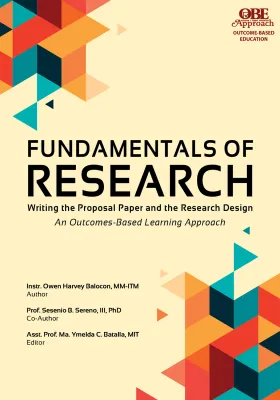
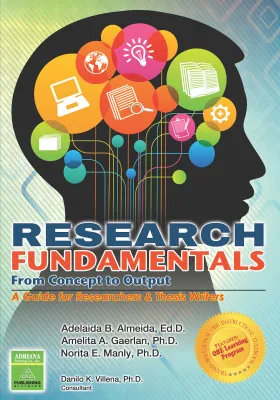
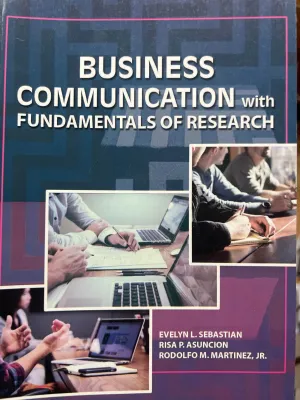
Prices are valid at publication and may change. Please refer to the product page for the latest price.
Content types also vary significantly across digital services. Some platforms specialize in peer-reviewed academic textbooks from major global publishers, while others focus on general business research guides or self-published methodology handbooks. Understanding whether you need rigorous, peer-reviewed material or practical, high-level overviews will narrow your platform choices.
Finally, digital rights management (DRM) and device ecosystems play a critical role in your daily study routine. Some platforms lock books to proprietary e-readers or specific mobile applications, preventing you from reading on your preferred device. Others allow PDF or EPUB downloads, which are easier to read on various screens but may come with strict copying and printing limits.
Comparing Major eBook Platforms for Research Content
Navigating the digital landscape for academic literature in the Philippines requires understanding how different platforms source and deliver their books. Digital reading services generally fall into three distinct categories: retail storefronts, subscription-based document libraries, and institutional portals. Each category serves a different study style and budget, offering distinct advantages in terms of catalog depth, pricing structures, and platform features.

Retail and Ecosystem Storefronts
Retail and ecosystem storefronts are the digital equivalent of traditional bookstores, allowing you to purchase individual titles for permanent digital ownership. Major global ecosystems, such as Google Play Books and Apple Books, alongside dedicated e-reader storefronts like Kobo, offer extensive catalogs of academic literature. These platforms are highly reliable for finding specific, prescribed textbooks on the fundamentals of research, as they partner directly with major international academic publishers.
Device compatibility is a major strength of these mainstream storefronts. They typically offer dedicated reading applications for Android, iOS, and desktop browsers, ensuring your highlights, notes, and reading progress sync seamlessly across devices. However, ecosystem lock-in can occur; for instance, books purchased on certain platforms are easiest to read on their native devices or apps, and transferring them to third-party e-readers may require navigating complex DRM authorization steps.
For readers in the Philippines, regional pricing and local payment integration are crucial advantages of retail storefronts. Many of these platforms list prices directly in Philippine Pesos (₱) and support local payment methods, including digital wallets, local debit cards, and mobile billing. This eliminates foreign transaction fees and currency conversion surprises, making it easier to budget for expensive academic textbooks.
Subscription and Document Services
Subscription-based digital libraries and document-sharing services offer an alternative model, allowing unlimited reading of a vast catalog for a flat monthly fee. Platforms like Scribd (now Everand) or Perlego cater to readers who want to explore diverse research methodologies without purchasing multiple high-cost volumes. This model is highly cost-effective if you need to consult ten different books for a single literature review but do not require permanent ownership of any single title.
However, users must carefully distinguish between officially licensed academic publications and user-uploaded documents on these platforms. While some subscription services partner with reputable publishers to offer peer-reviewed textbooks, others rely heavily on user-contributed uploads. User-uploaded research papers, theses, and guides can vary wildly in quality, accuracy, and formatting, and they lack the editorial vetting of established academic textbooks.
Practical limitations are also common in subscription models. Many services impose caps on how many books you can download for offline reading, which can be a challenge in areas with unstable internet connections. Additionally, because you do not own the books, you lose access to your annotations and highlights if you cancel your subscription, and some platforms restrict how much text you can copy or export for referencing purposes.
Institutional and Academic Library Portals
If you are currently affiliated with a university, college, or research institution in the Philippines, your institutional library portal is often the most powerful resource available. Academic libraries subscribe to major digital databases and eBook aggregators, such as EBSCOhost, ProQuest, and ScienceDirect. These portals grant students and faculty free access to thousands of specialized research methodology textbooks and peer-reviewed journals that would otherwise cost thousands of pesos.
To access these resources, you typically need active institutional credentials, such as a university email address or a library-provided login. Many Philippine universities offer remote access portals, allowing you to search databases and read eBooks from home. This is particularly valuable for accessing advanced statistical manuals and niche qualitative research guides that are rarely found on consumer subscription platforms.
Despite the cost advantage, institutional portals come with specific borrowing constraints. Because libraries purchase limited digital licenses, some eBooks have concurrent user limits, meaning you may have to wait if another student is currently reading the book. Furthermore, digital loans often expire after a set number of days, and downloading books for offline reading frequently requires installing specific, library-approved reading software like Adobe Digital Editions.
Essential Study Features for Research Methodology
Studying the fundamentals of research requires more than passive reading; it demands active engagement with the text, precise note-taking, and efficient citation. When evaluating any eBook platform, you should look closely at the robustness of its annotation tools. The ability to highlight text in multiple colors, add detailed margin notes, and categorize your thoughts is essential when synthesizing complex methodological concepts or tracking research designs.
Export capabilities are equally critical for academic writing. A high-quality platform should allow you to export your highlights and notes easily into standard formats like PDF, plain text, or Word documents. Some advanced academic platforms even integrate directly with reference management software, enabling you to generate citations automatically and organize your source material without manual data entry.
Finally, powerful search and navigation tools save significant time during literature reviews. The platform should offer accurate full-text search, allowing you to find specific terms, statistical formulas, or author names instantly across an entire book. Built-in dictionary integration, hyperlinked tables of contents, and the ability to jump quickly between chapters and index pages are vital features that transform a simple digital book into an active study tool.
How to Verify Book Availability and Editions
Before purchasing a book or committing to a subscription, verifying that the platform offers the exact edition you need is a critical step. Research methodology standards, statistical software guidelines, and ethical research practices are updated frequently. Using an outdated edition of a textbook can lead to using obsolete formulas or missing crucial updates on modern research ethics.
To ensure accuracy, always cross-reference the 13-digit International Standard Book Number (ISBN) of the required text with the metadata listed on the eBook platform. Do not rely solely on the book title or cover image, as publishers often use similar cover designs for different editions or regional printings. Comparing the publication year and edition number listed in the product details is the most reliable way to confirm you are getting the correct version.
Regional restrictions and geo-blocking can also affect book availability in the Philippines. Due to licensing agreements, some academic publishers restrict certain digital editions to specific geographic regions. Before paying for a subscription or a single purchase, ensure the title is fully accessible from a Philippine IP address and is not marked as unavailable in your region.
Lastly, always take advantage of free sample chapters or previews offered by the platform. This allows you to check the digital formatting of the book before spending any money. Research methodology texts often contain complex flowcharts, statistical data tables, and mathematical formulas; a quick preview will confirm whether these elements render clearly on your device’s screen or if they suffer from poor formatting that makes them unreadable.
Decision Framework: Which Platform Fits Your Study Needs?
Choosing the right eBook platform for studying the fundamentals of research depends on your current academic status, budget, and how you plan to use the material. If you are a student with a prescribed syllabus that requires specific, high-cost textbooks, retail storefronts are generally the most reliable option. They ensure you get the exact edition required, offer permanent ownership for long-term reference, and support local payment methods in ₱.
If you are an independent researcher, professional, or student working on a thesis who needs to consult a wide variety of research methodologies, a subscription service is highly practical. This model allows you to browse multiple titles, compare different research designs, and access a broad library of supplementary guides for a predictable monthly fee, provided you do not need to keep the books permanently.
For those with active university or college credentials, institutional library portals should always be your first stop. They provide access to premium, peer-reviewed academic textbooks and databases at no personal cost, allowing you to save your budget for other educational expenses. However, be prepared to navigate borrowing limits and proprietary reading software.
Before making your final decision, always check your course syllabus or research guidelines to see if a specific digital format or platform is required. Verify that your chosen platform supports your preferred local payment method and that the digital rights management (DRM) policies align with your study habits, ensuring a smooth and productive research experience.
Community discussion
Share your experience or ask a question. Comments are reviewed before publication.