
Setting up your first drum kit is an exciting milestone, but many beginners quickly encounter an annoying and disruptive problem: bass drum creep. Every time you strike the kick pedal, the forward force pushes the bass drum away from you, dragging your pedals and stands along with it. A dedicated drum set carpet mat is the essential tool designed to solve this issue, ensuring your kit remains anchored in place while protecting your floors from scratches, dents, and heavy impact.
In the Philippines, where residential flooring often consists of smooth ceramic tiles, polished concrete, or delicate laminate wood, a reliable drum mat is not just an accessory—it is a necessity. Without a textured surface for your drum spurs and hardware stands to grip, your practice sessions will be constantly interrupted by shifting gear. Investing in the right mat ensures a stable, safe, and comfortable environment that lets you focus entirely on developing your rhythm and technique.
Quick Answer: Essential Features for a Beginner Drum Mat
A high-quality drum set carpet mat serves three critical purposes: stabilizing your drum kit, protecting your underlying floor from physical damage, and absorbing minor mechanical vibrations. For beginners selecting their first mat, three non-negotiable features must be prioritized to ensure long-term usability and performance:
Products mentioned in this guide
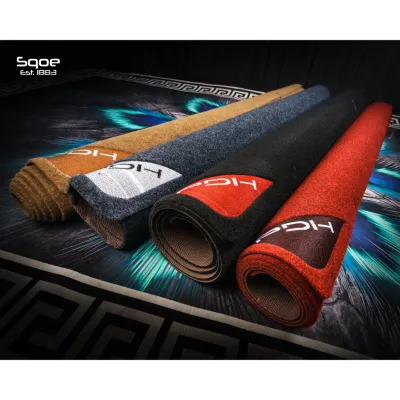
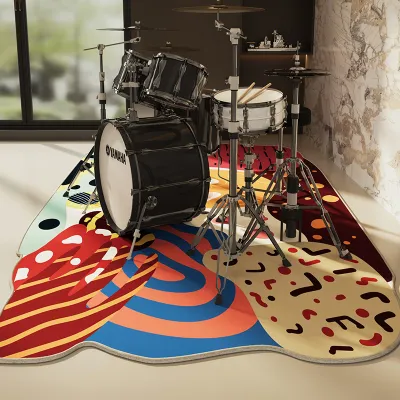
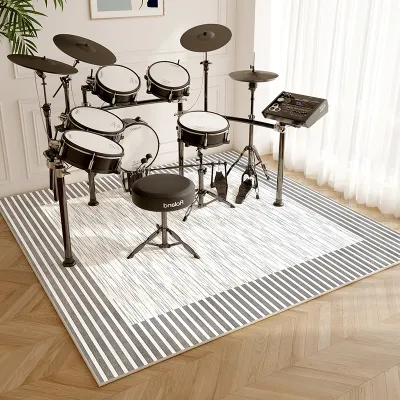


Prices are valid at publication and may change. Please refer to the product page for the latest price.
- Adequate Dimensions: The mat must be large enough to accommodate your entire setup, including the drum throne, so your body weight anchors the entire system.
- Non-Slip Backing: A heavy-duty rubber, latex, or textured PVC backing is essential to prevent the mat itself from sliding across smooth tile or wood floors.
- Durable, Low-Pile Surface: A tightly woven, low-pile carpet surface allows metal bass drum spurs and pedal claws to dig in firmly without tearing the fabric or fraying the edges.
While specialized drum rugs are engineered specifically for these demands, budget-conscious beginners can successfully use heavy-duty utility mats or industrial entryway carpets as practical, cost-effective alternatives.
Why Your Drum Kit Needs a Dedicated Carpet Mat
Many beginner drummers are tempted to skip buying a dedicated drum mat to save money, opting instead to set up their kit directly on the bare floor. However, understanding the physical forces at play during drumming reveals why a dedicated carpet mat is a fundamental component of your practice space.

Preventing Bass Drum Creep and Stand Shift
When you play the drums, your feet exert significant forward and downward pressure on the bass drum pedal and hi-hat controller. Acoustic bass drums are equipped with sharp metal spurs designed to prevent forward movement, but these spurs require a textured, fibrous surface to bite into. Without a drum set carpet mat, the bass drum will gradually “creep” forward with every stroke. This forces you to constantly pull the drum back into position, disrupting your posture, playing flow, and ergonomic setup. A proper mat also keeps lightweight cymbal stands and hi-hat pedals from shifting or tipping over during energetic play.
Protecting Delicate Home Flooring
Drum hardware is heavy, metallic, and sharp. The bottom plates of bass drum pedals, the metal feet of double-braced stands, and especially the pointed anchoring spurs of the bass drum can easily gouge, scratch, or crack residential flooring. In many Philippine homes, polished ceramic tiles, marble, or laminate wood floors are standard. Replacing or repairing damaged flooring is highly expensive. A thick, puncture-resistant drum mat acts as a protective barrier, absorbing the heavy downward pressure of your hardware and preventing unsightly scratches or structural floor damage.
Dampening High-Frequency Rattles and Floor Vibrations
It is important to establish realistic expectations regarding soundproofing. A drum set carpet mat will not soundproof your room, nor will it stop low-frequency bass drum thuds from traveling through concrete floors to the neighbors downstairs. However, a dense mat does provide valuable acoustic benefits by absorbing high-frequency mechanical rattles, pedal impact noise, and localized floor vibrations. This minor dampening effect helps clarify the natural sound of your drums in a small room and prevents loose household objects from vibrating in sympathy with your playing.
How to Choose the Right Size and Material for Your Space
Selecting the correct drum mat requires balancing the physical dimensions of your drum kit with the specific material properties needed for durability, floor grip, and local environmental conditions.
Matching the Mat Size to Your Kit Footprint
Before purchasing a mat, you must measure the actual footprint of your drum kit as it is fully set up for play. Many beginners make the mistake of measuring only the drums themselves, forgetting that cymbal stands, pedal extensions, and the drum throne extend far beyond the central core of the kit.
- Compact Electronic and 4-Piece Kits: A mat measuring approximately 4×5 feet (1.2 x 1.5 meters) is generally sufficient for compact electronic drum sets or small acoustic setups with minimal cymbal stands.
- Standard 5-Piece Acoustic Kits: A standard 5-piece kit (bass drum, snare, three toms, hi-hat, crash, and ride cymbals) typically requires a mat measuring at least 5×6 feet (1.5 x 1.8 meters) to ensure all stands fit comfortably.
- The Drum Throne Rule: Always ensure the drum mat is long enough to sit completely underneath your drum throne. Your body weight on the throne acts as the primary anchor, pressing the mat firmly into the floor and preventing the entire carpet from sliding forward when you kick the bass drum pedal.
Evaluating Thickness, Backing, and Floor Protection
The construction of the mat determines how well it will protect your floors and how easily it can be transported or stored.
- Thickness and Density: Thinner mats, around 1/4 inch (6mm) thick, are lightweight, highly portable, and easy to roll up for transport to rehearsals or gigs. However, they offer less protection against sharp spurs. Thicker mats, measuring 1/2 inch (12mm) or more, provide superior spike absorption, excellent floor protection, and better overall stability, though they are heavier and bulkier to move.
- Non-Slip Backing Materials: For smooth tile or polished concrete floors common in the Philippines, a high-quality non-slip backing is critical. Look for mats with a thick rubberized, latex, or textured PVC backing. Avoid cheap, woven-jute backings, as they will slide easily on smooth surfaces and can scratch delicate wood finishes over time.
- Surface Material and Texture: Choose a mat with a tightly woven, low-pile polyester or nylon surface. High-pile, plush, or shag carpets should be avoided entirely; they cause lightweight stands to wobble, make pedalboards uneven, and easily trap wood splinters, dust, and small hardware components like drum keys or tension rods.
Top Drum Mat Picks for Beginners in the Philippines
Finding the right drum mat in the Philippines involves balancing performance with affordability and local availability. The following categories represent the most practical options for beginners, easily sourced through local specialized music retailers or online marketplaces.
Best Overall for Standard 5-Piece Kits
For beginners setting up a standard 5-piece acoustic or full-sized electronic kit, a mid-range, dedicated drum rug measuring approximately 5×6 feet (1.5 x 1.8 meters) offers the ideal balance of coverage and durability. These mats are specifically engineered for musicians and typically fall within the mid-range price band (approximately ₱1,500 to ₱3,500).
- Key Features: These rugs feature heavily reinforced, overlocked stitched edges that prevent the fabric from fraying over time. They utilize a dense, low-pile polyester top layer that allows drum spurs to lock in securely without tearing the carpet fibers. The bottom is covered in a thick, textured rubber backing that grips smooth tile floors exceptionally well.
- Ideal User: This option is perfect for beginners who have a dedicated practice room or garage space where the kit can remain set up permanently. It provides a "set it and forget it" solution that ensures total stability.
- Limitations: Because of their heavy-duty construction and reinforced edges, these mats can be relatively heavy and bulky. They are less convenient for drummers who need to pack up and transport their gear frequently via public transportation.
Best Budget-Friendly Pick for Compact Bedrooms
If you are practicing on a compact electronic drum kit in a small bedroom or apartment, you may not have the space or budget for a large, professional drum rug. In this scenario, a compact utility mat or industrial entryway rug measuring 3×4 feet or 4×5 feet is an excellent, cost-effective alternative, typically costing under ₱1,500.
- Key Features: These budget-friendly options focus on basic functionality. They feature a thin, highly flexible design that is incredibly easy to roll up, carry, and store under a bed or in a closet when not in use. Despite the low price, they still offer a basic non-slip rubber backing to keep your pedals stable on tile floors.
- Ideal User: Perfect for students, apartment dwellers, or electronic drum players who need a space-saving, highly portable solution that protects the floor without taking up the entire room.
- Limitations and Trade-offs: The thinner material means that sharp acoustic bass drum spurs can eventually pierce through the mat if adjusted too aggressively. Drummers must also arrange their hardware carefully to ensure all stand legs and the throne fit within the smaller footprint to keep the mat anchored.
Best Heavy-Duty Option for Shared Living Spaces
For beginners living in condominiums, townhouses, or multi-story homes where noise and floor-transmitted vibrations are a constant concern, a premium, heavy-duty acoustic-dampening drum mat is highly recommended. These mats are typically priced in the higher tier (over ₱3,500) due to their specialized multi-layered construction.
- Key Features: These mats feature a thick, high-density foam or heavy rubber core sandwiched between a durable, low-pile carpet top and a specialized non-slip underlayment. The extra mass and thickness are designed specifically to absorb the physical impact of your foot pedals, reducing the structural thudding sound that travels through concrete slabs and walls.
- Ideal User: This is the ultimate choice for urban drummers who want to maintain good relationships with neighbors or family members in adjacent rooms. It provides maximum floor protection and significantly dampens the mechanical noise of electronic drum pedals.
- Limitations: These mats are very heavy, stiff, and difficult to roll tightly. They are designed almost exclusively for permanent home setups and are not practical for gigging or mobile use.
Setup, Positioning, and Basic Care for Your Drum Rug
To maximize the lifespan of your drum set carpet mat and ensure your kit remains perfectly stable, follow these practical guidelines for setup, adjustment, and maintenance.
Proper Positioning on the Floor
Before laying down your drum mat, ensure the floor surface is completely clean and dry. In the humid tropical climate of the Philippines, dust, pet hair, and moisture can quickly accumulate on ceramic tiles. If you place a rubber-backed mat over a dusty or damp floor, the dust will act as a barrier, causing the mat to slide around. Sweep and mop the area thoroughly, allowing the floor to dry completely before positioning your mat.
Correctly Adjusting Bass Drum Spurs
Once your mat is in place and your kit is positioned, adjust your bass drum spurs correctly to anchor the drum without destroying the mat:
- Extend the spurs so they point slightly forward and downward, lifting the front hoop of the bass drum about half an inch off the ground. This transfers the weight of the drum onto the spurs and the pedal.
- Expose the sharp metal tips of the spurs just enough to bite into the carpet fibers. Do not extend them so far that they pierce completely through the mat and scratch the floor underneath.
- If your bass drum pedal or hi-hat stand has built-in velcro strips, press them firmly into the low-pile carpet surface for additional lateral stability.
Cleaning and Humidity Maintenance
The Philippine climate presents unique challenges for fabric maintenance. High humidity can cause sweat and spilled liquids to trap moisture in the carpet fibers, leading to mold, mildew, and unpleasant odors.
- Regular Cleaning: Vacuum or sweep the mat at least once a week to remove wood shavings from drumsticks, dust, and skin cells.
- Spot Cleaning: If you spill water or sweat heavily on the mat during a long practice session, blot the area immediately with a dry towel. Clean any stains using a mild detergent mixed with water, and ensure the mat is completely dry before placing your drums back on top.
- Preventing Mold: If your practice space is in a humid, non-air-conditioned room, occasionally hang the mat outdoors in a shaded, well-ventilated area to air it out. Avoid direct, intense midday sunlight, as prolonged UV exposure can cause the rubber backing to dry out, crack, and degrade.
Safe Storage and Transport
When storing or transporting your drum mat, always roll it up with the carpet side facing outward. Rolling it this way ensures that when you unroll the mat for your next practice session, the corners will curl downward toward the floor rather than upward. Curling upward creates a tripping hazard and can interfere with the stable placement of your cymbal stands. Never fold the mat, as folding creates permanent creases that weaken the backing and result in an uneven playing surface.
Frequently Asked Questions (FAQ)
Can I use a regular household rug instead of a specialized drum mat?
Yes, you can use a regular household rug in a pinch, provided it meets certain criteria. It must have a very low, tightly woven pile so your stands remain stable and your bass drum spurs can grip without tearing the fabric. Avoid plush, shag, or high-pile rugs, as they cause hardware to wobble and easily swallow dropped drum keys, tension rods, or small screws. Additionally, if the household rug lacks a non-slip backing, you must place a separate non-slip pad underneath to prevent it from sliding on smooth floors.
How do I prevent my drum mat from sliding on smooth tile floors?
If your drum mat is sliding on smooth tile floors, the most effective solution is to ensure the mat has a built-in rubberized or PVC non-slip backing. If you are using a budget mat or an older rug that has lost its grip, you can purchase a separate, heavy-duty rubberized rug gripper pad to place directly underneath the mat. Alternatively, ensuring that your heavy drum throne sits completely on the back edge of the mat will use your own body weight to anchor the entire carpet in place, preventing any forward slippage during intense playing.
Community discussion
Share your experience or ask a question. Comments are reviewed before publication.