
Starting your drumming journey in the Philippines requires a reliable tool that lets you build muscle memory, master rudiments, and develop stick control without causing a neighborhood disturbance. A high-quality drum pad is the single most important investment for a beginner, serving as the foundation of your daily practice routine. Choosing the right pad involves balancing realistic stick rebound, volume control, and physical durability, especially when practicing in shared spaces, dense subdivisions, or high-rise apartments where acoustic drum noise is impractical.
For a beginner, the primary goal of practice is to develop proper hand technique, wrist flexibility, and finger control. A drum pad provides a focused environment where you can hear the precision of your strokes without the overwhelming volume and resonance of a full drum kit. By investing in the right pad early on, you establish a solid technical foundation that translates seamlessly to acoustic or electronic drums when you are ready to transition.
How to Choose the Right Drum Pad for Beginners
Selecting your first drum practice pad requires an understanding of how different surface materials affect your playing experience and physical development. The three most common materials are gum rubber, mesh, and silicone, each offering a distinct feel and acoustic profile. Gum rubber is the traditional choice, providing a highly realistic rebound that closely mimics a tensioned acoustic snare drum. However, because rubber is a solid material, it transmits a significant amount of vibration to your wrists, which can lead to fatigue during long practice sessions if your technique is still developing.
Products mentioned in this guide
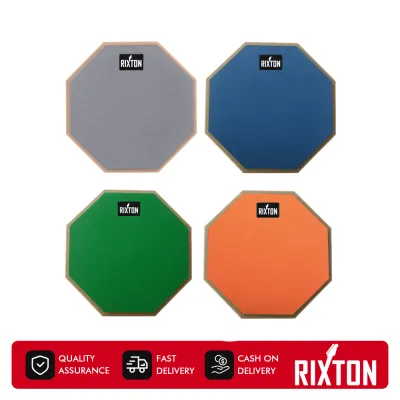
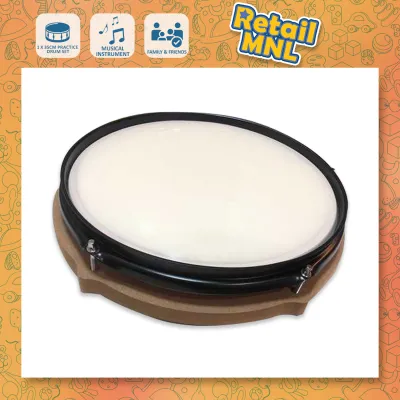
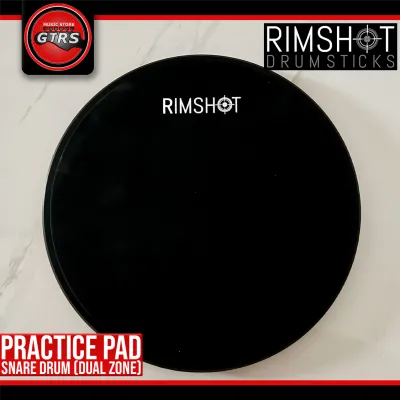
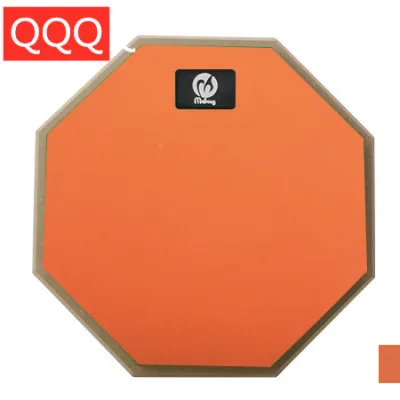
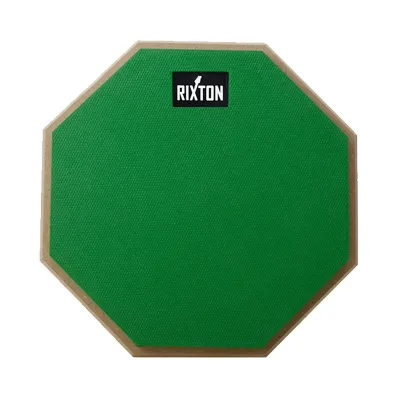
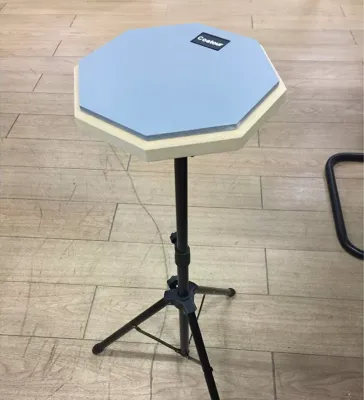
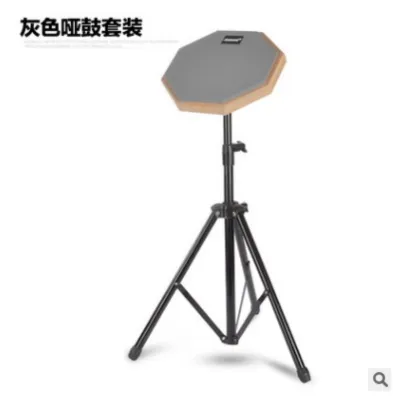
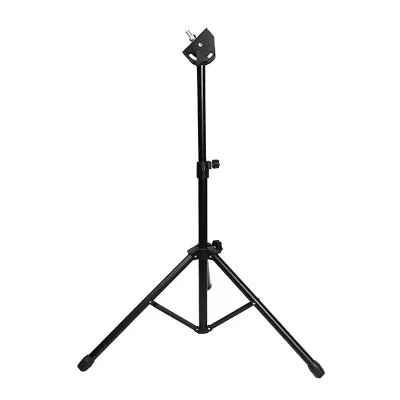
Prices are valid at publication and may change. Please refer to the product page for the latest price.
Mesh surfaces offer a highly adjustable alternative that is exceptionally gentle on the joints. These pads feature a woven mesh head stretched over a hollow chamber, allowing you to adjust the tension using standard drum key rods. This adjustability means you can transition from a highly bouncy surface to a looser, deeper feel that simulates a floor tom. Silicone pads sit comfortably in the middle, offering a slightly softer impact than gum rubber and excellent durability, though they tend to be heavier and less common in budget-friendly beginner ranges.
Noise reduction is another critical factor to consider, particularly in Philippine living conditions. Many families live in close proximity within subdivisions, row houses, or condominiums with shared concrete walls. A standard rubber pad, while quieter than a drum kit, still produces a sharp, high-frequency “clack” that can easily penetrate walls and disturb family members or neighbors. If you plan to practice late at night or early in the morning, prioritizing low-decibel materials like mesh or specialized soft rubber is essential to maintaining a peaceful household.
The physical weight and density of the pad also play a vital role in how comfortable your practice sessions will be. A pad that is too light will slide around on your desk or table with every stroke, forcing you to constantly reposition it and disrupting your rhythm. Heavier pads, typically built with a dense wooden or composite base, provide the inertia needed to stay firmly in place even during intense, high-velocity practice. If you plan to travel frequently or practice on your lap while commuting, a lighter, compact pad may be preferable, but for home use, a heavier pad is almost always superior.
Finally, always inspect the base material of the pad before making a choice. High-quality pads feature a thick layer of non-slip foam or textured rubber on the bottom. This backing serves a dual purpose: it grips smooth surfaces like wooden tables or glass desks, and it dampens the physical vibrations transmitted through the furniture. Without a proper non-slip base, the mechanical energy of your drumstick strikes will travel down into the table, turning the furniture piece into a giant wooden resonator that amplifies the low-frequency thud throughout your home.
Top Drum Pad Picks for Beginners
To help you navigate the wide variety of options available in the market, we have categorized the top beginner-friendly drum pads based on their primary training purposes. Each type serves a specific role in a drummer’s development, allowing you to choose the tool that best aligns with your immediate goals and living situation.

Best Dual-Sided Rubber Pad for Stick Control
A dual-sided rubber pad is the quintessential training tool for developing fundamental stick technique, hand speed, and rudiment precision. The primary structural advantage of this design is the inclusion of two entirely different playing surfaces mounted on a single solid core. The top side typically features a layer of natural gum rubber, which provides a lively, realistic rebound that matches the response of a high-quality acoustic snare drum. This high rebound is excellent for practicing double strokes, buzz rolls, and fast single-stroke patterns, as it helps you understand how to utilize the natural bounce of the stick.
The reverse side of the pad is usually constructed from a much harder, denser material, such as recycled rubber or synthetic neoprene. This surface offers a significantly lower rebound, which forces your muscles to work harder to pull the stick back up after each strike. Practicing on this low-rebound side is an exceptional way to build wrist strength, finger independence, and endurance. By alternating between the high-rebound gum rubber side and the low-rebound hard side, you can target different muscle groups and accelerate your technical progress.
When shopping for a dual-sided pad, it is crucial to visually and physically verify the quality of the rubber. High-quality gum rubber should have a smooth, matte finish and should not feel overly sticky or tacky to the touch. Cheaply manufactured pads often use low-grade rubber compounds that leave a dark, powdery residue on your drumstick tips or degrade rapidly under the tropical heat and humidity of the Philippines. Ensure the rubber is securely bonded to the wooden core, with no visible air bubbles or peeling edges along the perimeter.
The primary limitation of standard dual-sided rubber pads is their acoustic output. While they are significantly quieter than an actual drum, the impact of wood on solid rubber still produces a distinct high-frequency popping sound. In quiet households or thin-walled apartments, this sound can easily travel through open windows or shared walls. To mitigate this, you should look for a model that features a dense, multi-ply wood or heavy composite core, which helps absorb the high-frequency vibrations and prevents the pad from rattling or buzzing during use.
- Core Material: Look for multi-ply birch or dense MDF to prevent warping.
- Surface Bond: Ensure there are no gaps or loose adhesive spots between the rubber and the wood.
- Threaded Insert: Check if the bottom has an 8mm threaded insert for direct mounting onto a cymbal stand.
- Edge Finish: The perimeter should be smoothly sanded to prevent splinters during transport.
Best Low-Volume Mesh Pad for Quiet Practice
For beginners who must prioritize absolute silence without sacrificing the physical feedback of a real drum, a low-volume mesh pad is the ideal solution. Unlike solid rubber pads, mesh pads utilize a woven synthetic mesh head stretched tightly over an open frame. When your drumstick strikes the mesh, the air passes through the weave rather than compressing against a solid surface, which eliminates the sharp acoustic “clack” associated with traditional pads. This design reduces the high-frequency impact noise by up to 80 percent, making it the quietest option available for home practice.
Another major benefit of a mesh pad is the ability to adjust the surface tension using standard drum key tension rods. This feature allows you to customize the rebound feel to match different parts of a drum kit. You can tighten the tension rods to simulate the tight, responsive rebound of a high-tension marching snare, or loosen them to replicate the deeper, sluggish feel of a floor tom or bass drum. This adaptability is highly beneficial for beginners who want to prepare their hands for the varying physical responses of a complete drum set.
Before purchasing a mesh practice pad, it is important to inspect the structural integrity of the frame and the quality of the mesh weave. The mesh should be tightly woven with no loose threads, snags, or uneven patterns, as these imperfections can quickly lead to tears under repeated heavy impacts. The tension rods should turn smoothly within their metal lugs without binding or stripping. A high-quality mesh pad will also feature a rubberized rim or hoop around the edge, allowing you to practice rimshots and cross-sticks while protecting your drumsticks from direct impact with the hard plastic frame.
The main trade-off with mesh pads is that they generally offer a slightly less natural acoustic rebound compared to premium gum rubber. The bounce can sometimes feel overly springy or “trampoline-like” if the head is tensioned too highly, which can lead to unrealistic expectations when transitioning to an acoustic drum. Additionally, because the mesh head is suspended over an open chamber, it may require occasional re-tuning to maintain even tension across the playing surface, especially in humid environments where the synthetic fibers can expand slightly over time.
- Mesh Layering: Dual-ply mesh heads offer significantly better durability and a more realistic feel than single-ply options.
- Rim Protection: Look for a durable rubber rim to damp the sound of accidental rim strikes.
- Tension Rod Quality: Ensure the lugs are made of steel or brass rather than soft zinc alloys.
- Mounting Options: Verify if the pad can be clamped into a standard snare stand or if it requires a specific mount.
Best Heavy-Weight Pad for Building Endurance
If your primary goal is to build raw physical endurance, wrist strength, and flawless stroke consistency, a heavy-weight, high-density practice pad is a specialized tool worth considering. These pads are specifically engineered to provide a very low-rebound, high-resistance playing surface. The physical construction typically involves a thick layer of high-density synthetic rubber or heavy silicone mounted on a heavy, solid steel or dense composite base. The sheer weight of the pad—often exceeding two kilograms—ensures that it remains completely stationary on any surface, absorbing the maximum amount of energy from your strikes.
The training philosophy behind a heavy-weight pad is similar to weight training for athletes. Because the surface provides very little natural bounce, your muscles must do all the work to lift the drumstick back up after every stroke. This forces you to engage your wrists and fingers actively, preventing you from relying on lazy technique or artificial rebound to execute fast patterns. Practicing rudiments on a low-rebound surface builds the essential muscle groups in your forearms and hands, leading to cleaner, more powerful strokes when you return to a standard drum head.
However, beginners must approach heavy-weight pads with caution to avoid physical injury. Because the dense material absorbs very little shock, the physical impact of each strike is transmitted directly back into your hands, wrists, and elbows. If you play with tense muscles or improper grip technique, this repeated shock can quickly lead to wrist fatigue, muscle soreness, or even repetitive strain injuries like tendonitis. Beginners should limit their practice sessions on heavy-weight pads to 10 or 15 minutes at a time, gradually increasing the duration as their physical strength and technique improve.
When evaluating a heavy-weight pad, always check the manufacturer’s specifications for the exact weight and thickness of the playing surface. A high-quality endurance pad should have a uniform density across the entire surface, with no soft spots or air pockets. The base should be wide and low-profile to keep the center of gravity as low as possible, preventing the pad from tipping or wobbling during aggressive, high-impact practice sessions.
- Weight Rating: Look for a pad weighing at least 1.5 to 2.5 kilograms for maximum stability.
- Surface Thickness: A rubber thickness of at least 12mm is recommended to provide adequate shock absorption.
- Base Material: Heavy-duty MDF, solid hardwood, or steel-reinforced polymer bases offer the best stability.
- Ergonomic Design: Ensure the pad is wide enough (typically 10 to 12 inches) to accommodate natural hand spacing.
Quick Comparison of Beginner Drum Pads
To help you quickly identify which drum pad type fits your specific practice environment and training goals, we have summarized the key characteristics of each option in the table below.
| Pad Type | Surface Material | Rebound Feel | Noise Level | Best Use Case |
|---|---|---|---|---|
| Dual-Sided Rubber | Gum Rubber & Hard Neoprene | High (Front) / Low (Back) | Moderate (Acoustic Clack) | General technique, rudiments, and versatility |
| Low-Volume Mesh | Woven Synthetic Mesh | Adjustable (Medium to High) | Very Low (Whisper Quiet) | Apartment living, late-night practice, and joint comfort |
| Heavy-Weight High-Density | High-Density Synthetic Rubber | Low (Dead Rebound) | Low to Moderate (Thud) | Building wrist strength, endurance, and muscle memory |
When making your final decision, prioritize your immediate environment and physical goals. If you live in a quiet apartment with shared walls, a low-volume mesh pad is the most responsible choice to ensure uninterrupted practice. If you have a dedicated practice space and want to focus on mastering complex rudiments with realistic feedback, a dual-sided rubber pad offers the best balance of versatility and performance. For those looking to push their physical limits and build maximum wrist strength, a heavy-weight pad is an excellent secondary training tool.
Where to Buy and What to Check Before Checkout
Acquiring your drum pad in the Philippines requires careful selection of purchasing channels to ensure you receive a genuine, high-quality product. It is highly recommended to purchase from authorized local musical instrument retailers, established physical music stores in major commercial centers, or the official brand flagship stores on reputable e-commerce platforms. Established local music shops offer the distinct advantage of allowing you to physically test the pad before buying, giving you a firsthand feel of the rebound and noise level.
You should exercise caution when browsing unverified third-party sellers on online marketplaces, especially those offering well-known brand names at prices that seem unrealistically low. Counterfeit drum pads are common, and they almost always utilize cheap, industrial-grade rubber that lacks the precise density and rebound characteristics of genuine models. Furthermore, these low-quality materials often emit strong, toxic chemical odors that can cause headaches and throat irritation when used in enclosed, poorly ventilated practice rooms.
Before clicking the checkout button on any online purchase, run through a comprehensive pre-checkout checklist to protect your investment. First, verify what accessories are included in the listing; some pads are sold as standalone units, while others come bundled with a pair of beginner drumsticks, a carrying bag, or a mounting stand. Second, check the warranty terms and the seller’s return policy, ensuring you are covered in case of transit damage. Finally, read recent buyer reviews carefully, paying close attention to comments regarding how securely the item was packaged for shipping.
Once your drum pad arrives, perform a thorough physical inspection before discarding the packaging or confirming the receipt of the order. In the tropical climate of the Philippines, high humidity and temperature fluctuations during shipping and warehousing can sometimes cause cheap adhesives to fail, leading to warped wooden bases or peeling rubber surfaces. Lay the pad flat on a glass table or desk to check for any warping or wobbling. Inspect the edges for any separation between the playing surface and the base, and test the tension of any mesh heads to ensure they are uniform and free of defects.
- Flatness Check: Place the pad on a known flat surface to ensure the base is not warped.
- Adhesive Inspection: Run your fingers along the edges to verify the rubber is completely bonded to the core.
- Odor Assessment: Let the pad sit in a well-ventilated area; high-quality rubber should not have an overwhelming chemical smell.
- Thread Verification: If the pad has a stand mount, gently thread a compatible bolt in to ensure the threads are clean and not stripped.
Frequently Asked Questions (FAQ)
Can I use a drum pad to learn full drum kit coordination?
While a single practice pad is an indispensable tool for developing hand speed, finger control, and mastering rudiments, it cannot teach you full drum kit coordination on its own. A complete drum set requires the independent coordination of all four limbs, including operating the hi-hat and bass drum pedals with your feet. To develop complete coordination, you will eventually need to supplement your pad practice by using a multi-pad practice setup, an electronic drum kit, or an acoustic drum set. However, starting on a single pad ensures your hands are highly capable before you introduce the complexity of foot patterns.
Do I need a special stand for my practice pad?
You do not strictly need a dedicated stand to use a practice pad, as many models can be placed directly on a table, desk, or even on your lap. However, investing in a dedicated snare drum stand or a specialized practice pad mount is highly recommended for long-term practice. Using a stand allows you to adjust the pad to the correct ergonomic height and angle, which promotes proper posture, prevents back and shoulder strain, and ensures your wrists are aligned correctly. Practicing on a surface that is too low or too high can lead to bad habits and physical discomfort.
How often should I replace my drum pad surface?
There is no fixed timeline for replacing a drum pad, as its lifespan depends entirely on your practice frequency, striking force, and the quality of the materials. Under normal practice conditions, a high-quality rubber or mesh pad can easily last for several years. You should consider replacing your pad when you observe clear signs of physical degradation, such as deep pitting, cracks, or gouges in the rubber surface, or if the rubber becomes excessively slick and loses its grip. For mesh pads, replace the head if the weave becomes permanently stretched, saggy, or shows signs of tearing near the rim.
Community discussion
Share your experience or ask a question. Comments are reviewed before publication.