
Learning to play the drums is a thrilling pursuit, but the immediate obstacles of high volume, large equipment footprint, and initial cost can be daunting for absolute beginners. A dedicated drum pad solves these initial hurdles by providing a compact, low-volume, and highly responsive training surface designed to mimic the natural rebound of a real drumhead. By focusing your practice on a specialized pad, you can isolate your hand movements, master essential stick control, and build muscle memory without the acoustic distractions of a full drum kit.
For beginners living in close-quarters residential spaces—such as apartments, condominiums, or shared family homes in the Philippines—a practice pad is an indispensable tool. It allows you to log hours of essential repetition at any time of day or night without causing noise disturbances. Investing in a reliable drum pad ensures you develop proper wrist mechanics and stroke consistency from your very first day of training.
Why a Dedicated Practice Pad Is Essential for Beginners
When you sit behind a full acoustic drum kit, the sheer volume and complex resonance of the drums can easily mask technical flaws in your playing. The booming sound of the bass drum, the ring of the cymbals, and the vibration of the tom heads create a dense acoustic environment where it is difficult to hear the subtle nuances of your stick strikes. A practice pad strips away these sonic distractions, offering a clean, dry auditory feedback loop that highlights every imperfection in your stroke.
Products mentioned in this guide
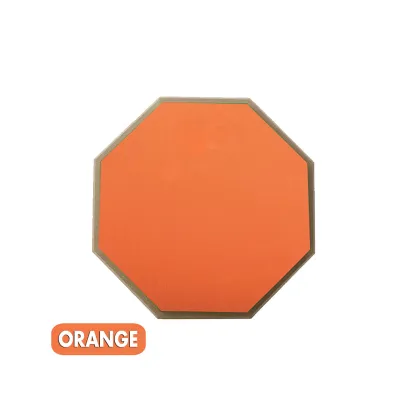
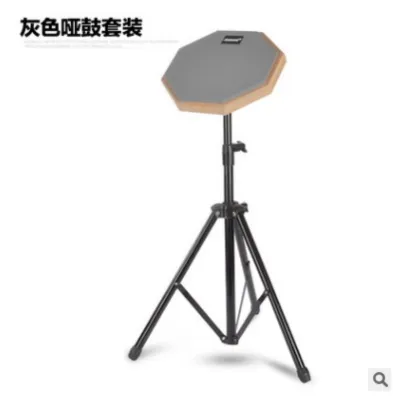
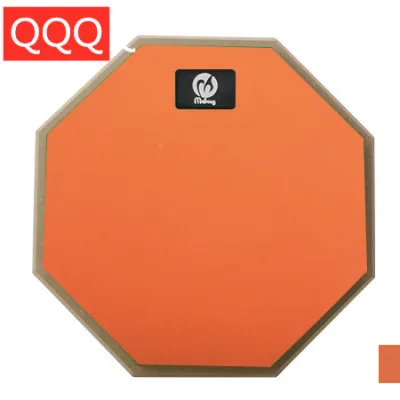
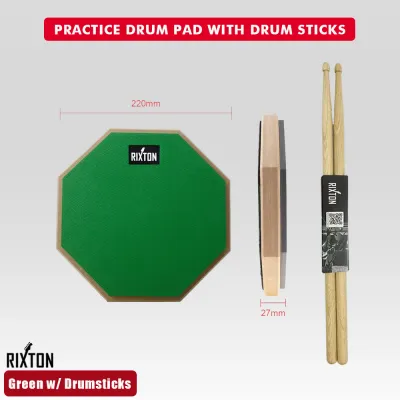
Prices are valid at publication and may change. Please refer to the product page for the latest price.
This acoustic isolation is vital for developing proper hand technique and stick height consistency. When practicing on a pad, you can easily hear if your left hand is striking softer than your right hand, or if your sticks are landing off-center. This immediate feedback allows you to make real-time micro-adjustments to your grip, wrist angle, and stroke path, preventing bad habits from taking root early in your drumming journey.
Furthermore, the physical mechanics of drumming rely heavily on muscle memory, which can only be developed through thousands of precise, deliberate repetitions. Attempting to practice basic rudiments—such as single stroke rolls, double stroke rolls, and paradiddles—on a loud acoustic snare drum for hours at a time can quickly lead to ear fatigue for you and frustration for those around you. A practice pad provides a quiet haven where you can comfortably execute these repetitive drills, allowing you to build the necessary hand strength, finger control, and endurance in a highly focused environment.
Core Features to Evaluate Before Buying
Selecting the right drum pad requires an understanding of the physical components that influence its playability, durability, and sound. A poorly constructed pad can hinder your progress by offering an unrealistic bounce or wearing out prematurely under vigorous use. To make an informed decision, you should evaluate several key features before making your purchase.

Surface Materials The playing surface is the most critical component of any practice pad, as it directly determines the feel and sound of your strikes. Gum rubber is the most popular material for beginner pads because of its excellent elasticity and natural response, which closely resembles the tension of a well-tuned snare drum. Silicone surfaces are slightly softer and denser, offering a more muted acoustic profile that is ideal for noise-sensitive environments while still providing a comfortable bounce. Specialized gel or polyurethane pads are designed for maximum sound dampening, though they often present a much lower rebound that requires more physical effort to play.
Realistic Rebound A high-quality practice pad must offer a level of rebound that accurately simulates the physics of a real drumhead. When a drumstick strikes a tense drumhead, it naturally bounces back upward; learning to catch, control, and utilize this bounce is a fundamental skill known as rebound management. If a pad is too bouncy—like a cheap toy rubber pad—it can encourage lazy wrist movements and poor finger control. Conversely, if a pad has a “dead” feel with zero bounce, it can lead to physical strain and wrist fatigue as you force the stick back up manually. Look for a pad that strikes a realistic balance, teaching your hands how to work with the stick’s natural kinetic energy.
Rim Construction While many basic pads are flat, rimless discs of rubber, some premium models feature a raised, defined rim made of hard plastic, composite, or dense rubber. A raised rim is incredibly valuable for beginners because it allows you to practice rimshots and cross-stick techniques, which are essential components of modern drumming styles. Additionally, having a physical rim trains your spatial awareness, teaching your hands to maintain a consistent strike zone and helping you avoid accidentally hitting the rim of a real snare drum when you eventually transition to an acoustic kit.
Portability and Base Stability A practice pad must remain perfectly stable during intense, high-tempo workouts. High-quality pads typically feature a heavy wooden base—often constructed from medium-density fiberboard (MDF) or multi-ply birch—which provides the necessary weight to absorb impact energy. The underside of the base should be lined with a dense, non-slip foam or neoprene backing to prevent the pad from sliding around when placed on a table, desk, or your lap. For added versatility, look for a base equipped with an integrated 8mm threaded insert, which allows you to mount the pad directly onto a standard cymbal stand or a specialized practice pad stand.
Recommended Drum Pad Categories for Basic Skills
Understanding the different categories of practice pads available on the market will help you choose a model that aligns with your specific learning goals and living environment. Rather than focusing on a single brand, you should evaluate how each category serves different aspects of your technical development.
Standard Dual-Sided Rebound Pads
Standard dual-sided pads are widely considered the most versatile and practical starting point for absolute beginners. These pads feature two distinct playing surfaces mounted on opposite sides of a central wooden base, offering two completely different physical feels in a single portable unit. In the local market, standard dual-sided options are highly accessible, with budget-friendly entry models starting under ₱1,000 and premium options ranging from ₱1,500 to ₱3,500.
The primary side is typically made of soft, highly responsive gum rubber, designed to deliver a realistic snare drum rebound that is perfect for practicing speed, fluid motion, and basic rudiment patterns. Flipping the pad over reveals a secondary surface made of a much harder, denser material, such as hard recycled rubber or compressed neoprene. This hard side offers significantly less rebound and produces a louder, sharper “click” when struck.
Practicing on the harder, low-rebound side is an excellent way to build wrist strength and finger control, as it forces your muscles to actively lift the stick after each strike rather than relying on the natural bounce of the gum rubber. Alternating between the two sides during your daily practice sessions challenges your hands in different ways, helping you develop a more balanced, controlled, and versatile technique.
Ultra-Quiet Gel and Silicone Pads
For beginners living in high-density urban areas, condominiums, or shared family households in the Philippines, controlling noise is often the top priority. While standard gum rubber pads are relatively quiet, the sharp “tap-tap” sound can still easily penetrate thin walls and floors, potentially causing friction with neighbors or sleeping family members.
Ultra-quiet pads utilize specialized gel, soft silicone, or multi-layered foam surfaces to drastically reduce the acoustic footprint of your practice sessions. These materials absorb the impact energy of the drumstick, converting the sharp, high-pitched click of a standard pad into a dull, low-frequency thud that is barely audible in adjacent rooms.
The primary trade-off with these ultra-quiet materials is a significant reduction in natural rebound. Because the soft gel or silicone absorbs the stick’s energy, you will find that the stick does not bounce back as easily as it would on a gum rubber surface. To compensate for this “dead” feel, you must focus on using your fingers and wrists to actively control the stick’s upward path. While this requires more physical effort and can be tiring at first, it is a highly effective way to build raw hand strength and forearm endurance, provided you maintain a relaxed grip to avoid strain.
Practice Pad Kits with Stands
While placing a practice pad on your lap or a desk is convenient for quick warm-ups, doing so for extended practice sessions can lead to poor posture and physical discomfort. A practice pad kit that includes a dedicated stand is highly recommended for beginners who want to establish proper ergonomic habits from day one.
Mounting your pad on a stand allows you to position the practice surface at the exact height and angle of a real snare drum, simulating the physical layout of an acoustic kit. This setup ensures that your body learns the correct spatial relationships, making the eventual transition to a full drum set much smoother and more intuitive.
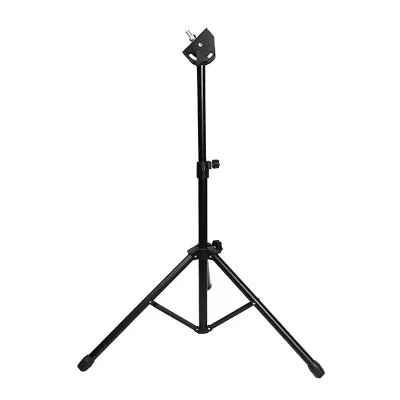
When choosing a stand, look for a stable, double-braced tripod design that can withstand the vibrations of heavy playing without wobbling or shifting. Snare stands with adjustable basket arms are ideal for holding larger 12-inch pads securely, while lightweight, highly portable stands with 8mm threaded tilting heads are perfect for smaller, screw-on pads. An adjustable stand allows you to fine-tune the height and tilt of the pad to match your body proportions, ensuring a comfortable and strain-free practice experience.
Setting Up Your Practice Space for Proper Technique
Having the best drum pad in the world will do little for your progress if your practice space is set up incorrectly. Developing poor physical habits early on can limit your speed, cause uneven playing, and even lead to chronic injuries like tendonitis. Creating an ergonomic, highly functional practice environment is essential for safe and rapid skill development.
First, pay close attention to your seating position. Sit on a stable chair, stool, or dedicated drum throne that allows your thighs to rest parallel to the floor or angled slightly downward. Your feet should rest flat on the floor, spaced about shoulder-width apart, providing a solid, balanced foundation for your upper body. Keep your spine straight, your shoulders relaxed and dropped, and avoid slouching over the pad.
Next, adjust the height of your practice pad so that it sits approximately at your belt-buckle level. When you place your drumsticks on the center of the pad, your elbows should be bent at a comfortable angle of roughly 90 to 100 degrees, and your forearms should slope slightly downward. If the pad is set too high, your shoulders will tense up and rise; if it is set too low, you will be forced to slouch forward, putting unnecessary strain on your lower back and neck.
The angle of the pad should match the natural slope of your forearms. A flat pad is standard, but tilting it slightly toward you (by just a few degrees) can help prevent your sticks from scraping the rim and allow for a more natural, comfortable wrist hinge. When holding the sticks, establish a relaxed matched grip where the stick pivots freely at the “fulcrum”—the pinch point between your thumb and index finger—while your remaining fingers gently wrap around the stick to guide its movement.
Finally, never practice in complete silence; always integrate a metronome into your routine from your very first session. Drumming is fundamentally about timekeeping, and practicing without a steady pulse can lead to inconsistent timing and rushing. Use a free metronome app on your smartphone or a dedicated digital device, starting at a slow, manageable tempo of 60 to 70 beats per minute. Focus on aligning every single stroke perfectly with the click, ensuring your left and right hands sound identical in volume and placement before attempting to increase the speed.
Maintenance and Care for Longevity
A high-quality drum pad is a durable piece of gear, but it still requires regular maintenance and care to preserve its playing surface and ensure it lasts for years. Neglecting your pad can lead to a buildup of dirt that alters the rebound, or physical damage that ruins the playing surface entirely.
Cleaning the Playing Surface Over time, dust, wood shavings from your drumsticks, sweat, and natural oils from your hands will accumulate on the pad’s surface. This buildup can make the rubber or silicone slick, reducing the grip and altering the natural rebound of your sticks. To clean your pad, simply wipe the surface down weekly with a soft microfiber cloth slightly dampened with clean water. Avoid using harsh chemical solvents, rubbing alcohol, bleach, or abrasive household cleaners, as these substances can dry out the rubber, cause it to crack, or degrade the adhesive bonding the surface to the wooden base.
Protecting Against Tropical Climate Damage In the tropical climate of the Philippines, high humidity and extreme ambient heat are constant factors that can affect your musical gear. The strong adhesives used to laminate the rubber playing surface to the wooden base can weaken or melt if exposed to excessive heat. Never leave your drum pad inside a hot car, near a window in direct sunlight, or in a damp, unventilated storage room. Keep your pad stored flat in a cool, dry, and well-ventilated indoor space to prevent the wood base from warping and the rubber from peeling or becoming sticky.
Hardware and Base Inspection If you use a dual-sided pad or a pad mounted on a stand, take a moment every few weeks to inspect the structural components. Check the non-slip foam backing on the underside to ensure it remains securely attached and free of debris that could scratch your table. If your pad has an integrated threaded insert, inspect the threads for any signs of stripping or cross-threading, and ensure you do not overtighten the pad onto your stand, which can damage the internal mounting block.
Frequently Asked Questions (FAQ)
Can I use a pillow or folded towel instead of a real drum pad?
While practicing on a soft pillow or a folded towel is a classic exercise for building pure forearm and wrist strength, it should not be used as a complete substitute for a real drum pad. Pillows have zero rebound, meaning they absorb all the kinetic energy of your strike and offer no bounce. While this forces your muscles to work harder, it prevents you from learning how to control and utilize the natural rebound of a drumstick. To develop advanced techniques like double strokes, open-roll patterns, and finger-control strokes, you absolutely must practice on a responsive surface that mimics the physics of a real drumhead.
What size drum pad is best for a beginner?
For most absolute beginners, a 12-inch drum pad is the ideal choice because it matches the diameter of a standard snare drum, fits perfectly into a standard snare stand basket, and provides a large, forgiving target area. However, if you need a pad that is highly portable for travel, school, or daily commuting, a smaller 6-inch or 8-inch pad is an excellent, lightweight alternative. Keep in mind that smaller pads require more precise aiming to strike the center consistently and usually require a threaded stand mount, as they are too small to fit securely into standard snare stand baskets.
Do I need special drumsticks for a practice pad?
No, you do not need special drumsticks to practice on a drum pad; any standard pair of wood-tip or nylon-tip drumsticks (such as size 5A or 7A) will work perfectly. However, it is highly recommended to keep a dedicated pair of clean, splinter-free sticks exclusively for your pad practice. Using rough, chipped, or splintered sticks that have been heavily used on acoustic cymbals can quickly gouge, scratch, or tear the delicate rubber or silicone surface of your pad. If noise reduction is your primary concern, using lighter sticks like a 7A or maple-wood model can help lower the overall volume of your practice sessions.
Community discussion
Share your experience or ask a question. Comments are reviewed before publication.