
Selecting your first djembe drum in the Philippines requires balancing playability, durability, and resilience against the local tropical climate. For most beginners, a medium-sized djembe with a head diameter of 10 to 12 inches offers the ideal starting point, providing a complete range of tones without being overly heavy or difficult to transport. Because high humidity can significantly affect the tension of natural materials, understanding how different shell and drumhead constructions perform in tropical environments is the first step toward making a confident, long-lasting purchase.
The djembe is a versatile and expressive percussion instrument that rewards proper hand technique with a rich tapestry of sounds. However, a beginner’s progress can easily be hindered by choosing an instrument that is too large to hold comfortably, too heavy to carry to community drum circles, or highly sensitive to moisture. By focusing on key structural features, material choices, and reliable tuning systems, you can find a djembe that remains stable, sounds excellent, and supports your musical journey from your very first drum circle to advanced rhythmic patterns.
What Makes a Djembe Drum Ideal for Beginners?
The physical dimensions of a djembe drum directly influence both its acoustic capabilities and your comfort during play. Djembes are categorized primarily by the diameter of the playing surface, or drumhead, and their overall height. For adult beginners, a drumhead diameter between 10 and 12 inches is widely considered the optimal size. Drums in this range provide a large enough playing surface to easily distinguish between the three fundamental djembe strokes: the deep, resonant bass in the center, the clear midrange tone near the edge, and the sharp, high-pitched slap on the rim. Drums smaller than 8 inches often lack the physical surface area and depth to produce a distinct bass note, which can make learning proper hand placement and sound differentiation incredibly difficult. Conversely, drums larger than 12 inches are heavy and bulky, making them exhausting to hold between your knees for extended periods and cumbersome to transport.
Products mentioned in this guide
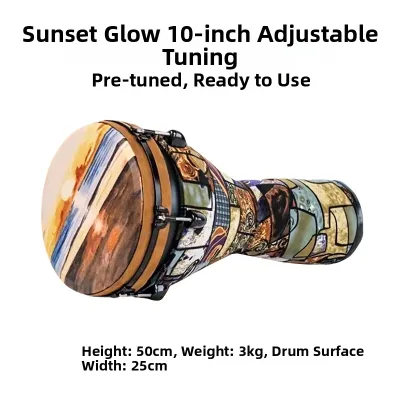

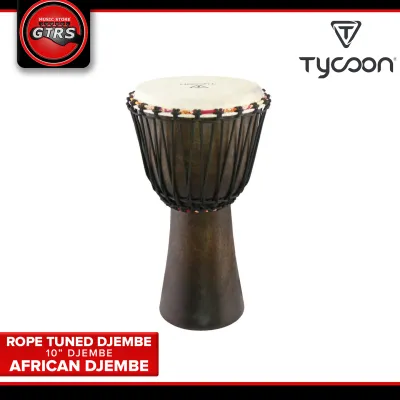

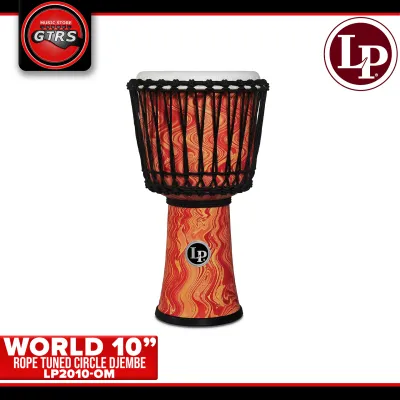
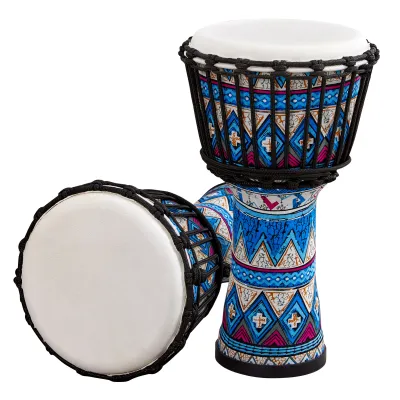

Prices are valid at publication and may change. Please refer to the product page for the latest price.
Ergonomics play a vital role in preventing physical fatigue and injury as you build hand strength and calluses. The rim profile—the top edge of the drum shell where the head is secured—is the primary point of contact for your hands. Traditional djembes feature a rope-wrapped steel ring that sits slightly below the bearing edge of the shell. Modern beginner-friendly djembes, particularly those with mechanical tuning systems, often incorporate rounded, comfort-curved rims. A sharp or poorly finished rim can cause bruising, blisters, and rapid hand fatigue, which frequently discourages beginners from practicing regularly. Prioritizing a drum with a smooth, rounded edge reduces the impact stress on your palms and fingers, allowing you to focus on developing clean, relaxed strokes.
Tuning stability is another critical factor that can make or break your early playing experience. A djembe that cannot hold its pitch will sound muddy, flat, and uninspiring, which can be highly discouraging when you are trying to master basic rhythms. When a drumhead loses tension, the distinct contrast between the bass, tone, and slap tones disappears, making it difficult to hear if you are striking the drum correctly. Beginners benefit immensely from instruments that maintain stable tension over long periods, allowing you to focus entirely on timing and rhythm rather than constantly diagnosing tuning issues.
Before evaluating specific brands or materials, use this foundational checklist to guide your search:
- Diameter: Look for a 10-inch to 12-inch head to ensure a full tonal range and comfortable hand spacing.
- Weight: Choose a drum that you can comfortably lift and hold between your legs without straining your lower back.
- Rim Comfort: Ensure the rim is rounded or padded to protect your hands from sharp impacts.
- Tuning Reliability: Select a tuning system that resists slipping, especially when exposed to temperature changes.
Synthetic vs. Wood Djembes: Comparing Materials for Tropical Climates
Synthetic shell djembes, typically constructed from fiberglass, PVC, or patented composite materials, have gained massive popularity due to their exceptional durability and weather resistance. In a tropical climate like the Philippines, where relative humidity levels can fluctuate dramatically between air-conditioned indoor spaces and humid outdoor environments, synthetic shells remain completely unaffected. They do not expand, contract, warp, or crack when exposed to moisture or sudden temperature shifts. Additionally, synthetic drums are significantly lighter than traditional solid-wood instruments, making them the preferred choice for players who frequently travel, participate in outdoor drum circles, or perform at beach gatherings. From a sound perspective, synthetic shells offer high acoustic projection and a very bright, consistent tone that requires minimal physical effort to produce.

Traditional carved wood djembes, often crafted from solid logs of mahogany, iroko, lenke, or jackfruit wood, are deeply valued for their cultural authenticity and rich, organic sound. The natural density and grain of the wood absorb harsh high-frequency overtones, resulting in a warm, deep bass resonance and a complex, earthy midrange that synthetic materials cannot fully replicate. However, wood is a hygroscopic material, meaning it naturally absorbs and releases moisture from the surrounding air. In highly humid tropical environments, unsealed or poorly finished wooden shells can swell, which can distort the drum’s shape and affect its acoustic properties. Over time, rapid shifts in humidity can cause the wood to warp or develop structural cracks, particularly along the bottom base or the top bearing edge. Owning a wooden djembe requires a commitment to regular maintenance, including keeping the shell sealed with protective oils and storing it in a stable environment.
To help you decide which material best suits your needs, the table below compares synthetic and wood djembes across several stable performance dimensions:
| Dimension | Synthetic Shell Djembes | Traditional Wood Djembes |
|---|---|---|
| Relative Weight | Extremely lightweight; easy to carry | Moderate to heavy; depends on wood density |
| Weather Resistance | Excellent; impervious to humidity and rain | Moderate; sensitive to humidity and heat |
| Tonal Characteristics | Bright, sharp slaps, high acoustic projection | Warm, deep bass, rich organic resonance |
| General Maintenance | Low; requires simple wiping with a dry cloth | High; requires humidity control and oiling |
| Durability | High impact resistance; virtually crack-proof | Moderate; prone to cracking if dropped or dried |
Aligning your material choice with your lifestyle and playing goals is essential. If your primary interest lies in joining outdoor community drum circles, traveling to beach jams, or having a low-maintenance instrument that is always ready to play, a synthetic shell djembe is highly practical. Conversely, if you plan to practice primarily indoors, record in a home studio, or deeply appreciate the traditional craftsmanship and warm, acoustic complexity of West African percussion, a carved wood djembe is a highly rewarding investment, provided you are prepared to care for the wood properly.
Essential Features to Evaluate Before Purchase
The drumhead, or skin, is the most critical component determining the playability and sound of your djembe. Beginners must choose between synthetic drumheads and natural animal skin heads. Synthetic drumheads, made from high-strength polyester or specialized composite films, are completely weatherproof. They do not stretch, loosen, or lose pitch when exposed to high humidity, ensuring a highly consistent sound every time you play. They also produce very bright, crisp slaps that are easy to achieve for novices. Natural skin heads, typically made from goatskin or calfskin, offer a softer feel on the hands and a much warmer, more traditional acoustic tone. However, natural skins are highly sensitive to moisture; high humidity causes them to absorb water, lose tension, and sound flat or dead. For absolute beginners in the Philippines who want a hassle-free, low-maintenance instrument, a synthetic drumhead is highly recommended.
Understanding how a djembe is tuned is crucial for long-term satisfaction. Traditional djembes utilize a rope-tuning system, often referred to as the Mali weave. This system uses high-tensile nylon ropes wrapped around the drum shell to adjust the tension of the head. While rope-tuning provides an authentic aesthetic and excellent acoustic resonance, adjusting the tension requires learning a complex weaving technique and applying significant physical force. On the other hand, mechanical tuning systems utilize metal lugs, tension rods, and a rim hoop, similar to the hardware found on a standard drum kit. This system allows you to tune the djembe quickly and precisely using a simple tuning wrench. For beginners, mechanical lug-tuning is far more accessible, removing the steep learning curve of rope weaving and allowing for rapid pitch adjustments.
When inspecting a djembe, pay close attention to the overall build quality and construction details. For wooden djembes, look inside the shell if possible; the interior walls should be relatively smooth, as rough gouges or excessive debris can disrupt airflow and muddy the drum’s projection. The exterior of a wooden drum must be treated with a high-quality, protective varnish, lacquer, or oil finish to seal the wood fibers from tropical moisture. For synthetic djembes, inspect the molded seams, the quality of the synthetic shell, and the hardware attachment points. Ensure there are no sharp plastic edges or loose metal brackets. The tuning hardware should be securely bolted to the shell with reinforcing plates on the interior to prevent the bolts from pulling through the synthetic material under high tension.
Always verify these specifications on the manufacturer’s official product labels or detailed descriptions rather than relying solely on marketing images. Online photos can easily mask low-quality finishes, rough interior carving, or cheap hardware components. Reading the official specifications ensures you know exactly what materials and tuning systems you are purchasing.
Navigating the Local Market: Where to Buy and What to Verify
In the Philippines, aspiring percussionists can source djembe drums through specialized physical music stores, official brand distributors, or reputable online marketplaces. Physical music stores located in major urban centers offer the invaluable benefit of hands-on testing. Walking into a store allows you to physically lift the drum, check its weight, feel the comfort of the rim against your palms, and hear its acoustic response in real-time. Conversely, purchasing from official online brand stores or authorized digital distributors provides access to a much wider selection of international brands, detailed customer reviews, and competitive pricing, making it a highly convenient option if you live outside major metropolitan areas.
To ensure a safe and satisfying purchase, especially when shopping online, use this verification checklist:
- Authorized Dealers: Confirm that the seller is an authorized distributor of the brand to avoid counterfeit products.
- Authenticity Marks: Look for engraved logos, serial numbers, or manufacturer badges on the drum shell.
- Seller Ratings: On digital marketplaces, prioritize sellers with high positive feedback ratings (ideally above 95%) and active customer service responses.
- Customer Reviews: Read reviews specifically mentioning the packaging quality and the condition of the drum upon arrival.
Because djembes are relatively bulky and can be fragile—particularly those with natural wood shells or delicate skin heads—shipping and handling require careful consideration. When ordering online, verify the seller’s packaging standards. The drum should be shipped in a heavy-duty, double-walled cardboard box with ample bubble wrap, foam inserts, or packing peanuts to protect the rim and drumhead from impact during transit. Additionally, check if the seller offers shipping insurance and review their return policy regarding transit damage. A reputable seller should provide a clear, hassle-free return or replacement process if the drum arrives with a cracked shell, damaged hardware, or a torn head.
Before finalizing your purchase, verify the manufacturer’s local warranty coverage and the availability of after-sales support. A standard warranty should cover structural defects, such as splitting wood, failing synthetic welds, or defective hardware, for at least several months to a year. Having access to local after-sales support in the Philippines is crucial, as shipping a heavy, bulky drum back to an international service center for repairs is often prohibitively expensive and time-consuming. Ensure the local distributor can assist with replacement parts, such as tension rods, lugs, or replacement heads, should any components fail over time.
Frequently Asked Questions (FAQ)
Do I need to tune a beginner djembe drum right out of the box?
Synthetic-head and mechanically tuned djembes are typically pre-tuned at the factory and are ready to play immediately upon unboxing, requiring only minor adjustments if the pitch has shifted slightly during shipping. In contrast, traditional rope-tuned djembes with natural skin heads are highly sensitive to transit conditions and the local humidity of the Philippines. These natural drums often arrive slightly detuned to protect the skin from tearing under extreme temperature changes during shipping. If your new djembe sounds flat or muddy right out of the box, consult the included manufacturer instructions or a professional guide before attempting to adjust the tension ropes or mechanical lugs.
Can a beginner djembe be used for professional performances later on?
While high-quality beginner djembes are excellent for learning hand techniques, developing rhythm, and playing in casual drum circles, they generally have limitations that make them less suitable for professional stage performances or studio recording. Entry-level drums often lack the tonal complexity, deep bass resonance, and sharp high-frequency projection required to cut through a full band mix. As your skills progress and you begin playing in larger venues, you will likely find that upgrading to a professional-grade djembe—featuring premium hand-carved hardwoods or advanced synthetic acoustic shells—offers the dynamic range and projection necessary for professional work.
How should I store my djembe drum at home to protect it from humidity?
Proper storage is essential for preserving both the sound and structural integrity of your djembe, especially in a tropical climate. Keep your drum in a dry, well-ventilated room, away from direct sunlight, air conditioning vents, and damp concrete floors, which can cause rapid temperature and moisture shifts. Storing the drum inside a padded gig bag provides an extra layer of protection against dust, physical impacts, and ambient humidity. To avoid damaging the instrument, never apply unauthorized chemical treatments, household oils, or heavy varnishes to the drumhead or shell without first verifying compatibility with the manufacturer’s official care guidelines.
Community discussion
Share your experience or ask a question. Comments are reviewed before publication.