
Choosing the right King James Version (KJV) Bible for your daily devotional reading requires finding a careful balance between physical portability and text readability. For many, the daily quiet time is a sacred routine that takes place in various settings—at a desk at home, on a crowded commute, or during a lunch break at work. A Bible that is too bulky will likely be left on a shelf, while one with text that is too small can cause eye strain and distract from spiritual reflection. Finding the ideal format ensures that your scriptures are always within reach and comfortable to read.
To make an informed decision, you must evaluate how a Bible’s physical design—such as its dimensions, font size, paper quality, and binding—impacts your daily reading habit. While digital Bible apps offer convenience, they lack the tactile engagement and distraction-free environment of a physical book. By understanding the structural characteristics of different small Bible formats, you can select an edition that seamlessly integrates into your lifestyle and supports a consistent devotional practice.
How to Balance Portability and Readability in a Small KJV Bible
When exploring small KJV Bibles, the first step is understanding what “small” actually means in the publishing industry. Bibles in this category are generally classified into three formats: Thinline, Compact, and Pocket. A Thinline Bible typically maintains the height and width of a standard personal Bible (around 5.5 by 8.5 inches) but reduces the thickness to under an inch, resulting in a lightweight book that fits easily into laptop bags. Compact Bibles reduce all three dimensions, usually measuring around 4.5 by 6.5 inches with a thickness of over an inch. Pocket Bibles are the smallest, often measuring 3.5 by 5.5 inches or less, making them highly portable but highly compressed.
Products mentioned in this guide
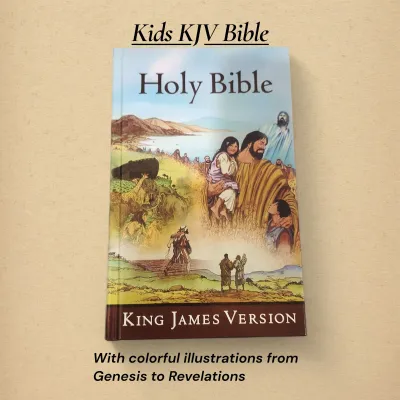
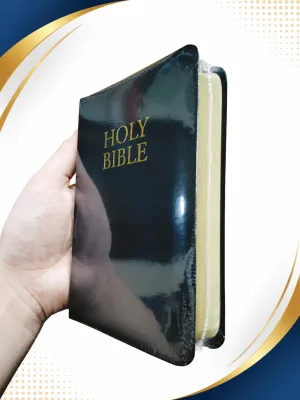
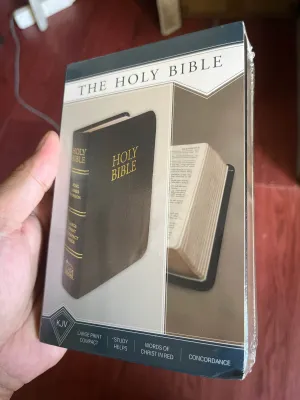
Prices are valid at publication and may change. Please refer to the product page for the latest price.
The most critical trade-off in a smaller Bible is font size. Font sizes in small Bibles typically range from 7pt to 9.5pt. For extended, seated devotional reading of 20 minutes or more, a font size of 8.5pt or larger is highly recommended to prevent eye strain. If you plan to use the Bible primarily for quick readings on the go, a 7pt font may suffice. Additionally, modern typefaces designed specifically for Bibles, such as Comfort Print, use custom letter shapes and spacing to make smaller text appear larger and highly legible.
Paper quality plays an equally vital role in readability. Bible paper is exceptionally thin to keep the book manageable, but thin paper is prone to “ghosting”—a phenomenon where text from the reverse side of the page shines through. This is measured by paper opacity and weight, typically in grams per square meter (GSM). High-quality small Bibles use paper rated at 24 GSM or higher, often treated with titanium dioxide to increase opacity. Choosing an edition with excellent paper opacity ensures that the text remains crisp and readable, even in small print sizes.
Finally, the type of binding determines the Bible’s ergonomics and longevity. Glued bindings are common in budget-friendly editions, but they cause the pages to pinch tightly near the spine, forcing you to use both hands to hold the Bible open. In contrast, a Smyth-sewn binding consists of folded book segments (signatures) sewn together with thread. A sewn Bible can lay completely flat on a desk or your lap right out of the box, offering a hands-free reading experience that is far more comfortable for daily devotionals.
Recommended Small KJV Bible Formats for Everyday Spiritual Practice
Thinline Bibles: The Best Balance of Size and Comfort
Thinline Bibles represent the most popular compromise for readers who want a highly portable Bible without sacrificing text size. By keeping the overall page dimensions close to a standard book but reducing the thickness to roughly 0.75 to 0.9 inches, publishers can maintain a comfortable font size, usually ranging from 8pt to 9.5pt. This format allows for a traditional double-column layout with adequate spacing between lines, which helps the eye track text smoothly during longer reading sessions.

This format is ideal for daily commuters, office professionals, and travelers who carry a backpack, briefcase, or tote bag. It slides easily alongside a laptop or tablet, adding minimal bulk or weight to your daily carry. Because the page size remains relatively standard, Thinline Bibles often include helpful features like ribbon markers, basic cross-references, and small concordance sections without making the book feel cramped.
The primary limitation of the Thinline format is its footprint. While it is remarkably thin, its height and width are identical to a standard personal-size Bible. This means it will not fit into small pockets, compact purses, or glove compartments. If your daily routine requires a Bible that can be carried completely unnoticed in a small jacket pocket or a compact clutch, a Thinline edition will likely prove too large.
Compact Bibles: Ideal for Bags and Daily Carry
Compact Bibles are designed for readers who prioritize a reduced physical footprint. By scaling down the height and width to approximately 4.5 by 6.5 inches, these Bibles are incredibly easy to slip into almost any bag, backpack, or glove box. To fit the entire KJV text into this smaller page size, publishers must either increase the thickness of the book or reduce the font size. Most compact editions do a bit of both, resulting in a slightly chunky but highly portable book.
This format is exceptionally well-suited for students, active churchgoers, and professionals who want a dedicated Bible in their daily carry bag. The smaller page size makes the Bible easy to hold securely in one hand, which is highly convenient if you enjoy reading while standing on public transit or sitting in a crowded space. It offers a distinct sense of personal ownership, feeling like a compact journal or diary.
However, the compact format comes with clear trade-offs in readability. The font size in standard compact Bibles typically hovers between 7pt and 8pt. Reading this size of print requires good lighting and can lead to eye fatigue during extended study sessions. Furthermore, the margins in compact Bibles are extremely narrow, leaving virtually no space for writing down personal reflections, prayers, or study notes.
Pocket Bibles: Maximum Portability for On-the-Go Reading
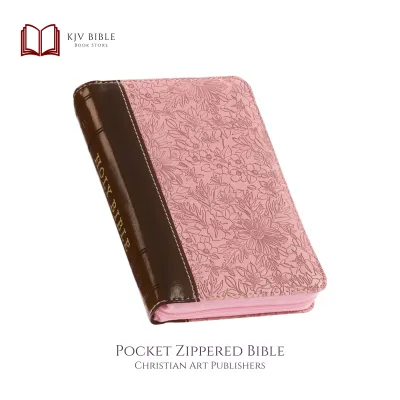
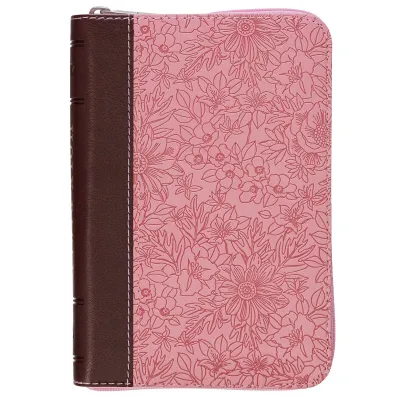
Pocket Bibles represent the absolute limit of physical portability. Often measuring 3.5 by 5.5 inches or smaller, these tiny volumes are designed to go anywhere you go. They can easily fit into a coat pocket, a small purse, or even the back pocket of your jeans. To achieve this ultra-small size, publishers must use highly specialized, thin paper and reduce the font size to the absolute minimum, typically between 6pt and 7pt.
This format is ideal for travelers, military personnel, hospital visitors, and those engaged in outdoor ministry who need a Bible that occupies virtually no space. It is perfect for pulling out during brief moments of downtime—such as waiting in line, sitting in a waiting room, or taking a quick ten-minute break. For these short reading bursts, the extreme portability of a pocket Bible is unmatched.
Despite their convenience, Pocket Bibles are generally not recommended as a primary Bible for daily devotional reading. The tiny text and tight line spacing make continuous reading highly challenging for most adults. Additionally, because pocket Bibles are often budget-oriented, they frequently utilize glued bindings, meaning the book will constantly try to spring shut while you are reading, requiring a firm, two-handed grip.
Wide-Margin Compact Bibles: Best for Note-Taking and Journaling
For many readers, a daily devotional is an active, interactive process that involves writing down prayers, recording personal insights, and noting cross-references. Wide-Margin Compact Bibles are specifically engineered to accommodate this practice. They feature a smaller, centralized text block surrounded by generous margins—often measuring 1 to 1.5 inches on the outer edges—while keeping the overall dimensions of the book relatively portable.
This format is perfect for those who want to document their spiritual journey directly alongside the scripture. Writing in your Bible creates a highly personalized devotional tool that you can look back on in future years. The extra margin space also provides visual breathing room on the page, which can make the small text block feel less cluttered and easier to read.
However, wide-margin compact Bibles have unique limitations. Because a significant portion of each page is dedicated to empty margin space, the text block itself must be compressed. This often results in a smaller font size (typically 6.5pt to 7.5pt) than you would find in a standard thinline Bible of the same overall dimensions. Additionally, the extra paper required for the margins makes these Bibles slightly wider and heavier than standard compact editions.
Comparing Small KJV Bible Formats for Devotional Use
To help you determine which small KJV Bible format best aligns with your daily devotional routine and physical carrying preferences, refer to the comparison table below.
| Format Type | Typical Thickness | Estimated Font Size Range | Best Devotional Use Case | Main Trade-off |
|---|---|---|---|---|
| Thinline | 0.75 to 0.9 inches | 8.0pt to 9.5pt | Desk reading, daily commuting with a laptop bag | Larger footprint (height and width) |
| Compact | 1.0 to 1.4 inches | 7.0pt to 8.0pt | Backpack or purse carry, reading on transit | Small text can cause eye strain |
| 0.8 to 1.2 inches | 6.0pt to 7.0pt | Emergency carry, travel, short reading breaks | Hard to hold flat, very tiny print | |
| Wide-Margin Compact | 1.1 to 1.5 inches | 6.5pt to 7.5pt | Active journaling, prayer writing, study | Heavier weight, smaller text block |
When using this table to make your final decision, consider where you do the majority of your reading. If you primarily read at a desk with a cup of coffee, a Thinline or Wide-Margin Compact will provide the flat-laying, comfortable experience you need. If you read while commuting on a busy bus or train, a standard Compact Bible’s small footprint and easy one-handed grip will be far more practical.
Essential Features to Verify Before Purchasing a Small KJV Bible
Before purchasing a small KJV Bible, there are several critical features you should verify to ensure the edition meets your expectations and stands up to daily use.
- Textual Purity and Edition: The King James Version has a long publishing history, and minor textual variations exist between different historical editions. Verify if the Bible uses the standard 1769 Authorized Version text or a specific edition like the Pure Cambridge Edition. Additionally, ensure you are buying a "Text-Only" or "Reference" Bible rather than a "Study Bible." Study Bibles include extensive commentary notes at the bottom of each page, which adds massive bulk and defeats the purpose of a compact format.
- Red Letter vs. Black Letter: Many Bibles print the words of Christ in red ink. While some readers appreciate this visual distinction, red ink can sometimes be difficult to read in very small font sizes, especially under dim, warm, or yellow lighting. If you have sensitive eyes or often read in low light, a classic black-letter edition typically offers the highest contrast and cleanest legibility.
- Paper Opacity and Ghosting: Because small Bibles must use thin paper, ghosting can be a major issue. When purchasing online, check the product specifications for paper weight (measured in GSM) and look for reviews mentioning "ghosting" or "bleed-through." Many premium publishers now offer "line-matched" printing, where the lines of text on both sides of a page are printed in the exact same position, significantly reducing the visual distraction of ghosting.
- Cover Material and Durability: Small Bibles are subjected to constant handling, packing, and unpacking. In the tropical, highly humid climate of the Philippines, cover material selection is crucial. Bonded leather, which is made from shredded leather scraps glued together, is highly susceptible to humidity and will often crack, peel, and flake off within a few years of daily use. For long-term durability, opt for synthetic leather (often marketed as TruTone, Leathersoft, or imitation leather), which resists moisture exceptionally well. Genuine leather (such as calfskin or goatskin) offers the ultimate durability and feel but comes at a premium price point (typically ₱3,000 to ₱6,000+), while a quality hardcover is a highly durable, budget-friendly alternative.
- Regional Availability and Shipping: When ordering a Bible, verify where the seller is located. Ordering from international sellers can result in high shipping fees, customs delays, and potential damage during long-transit shipping. Checking local Christian bookstores or verified local online distributors in the Philippines can save you money and ensure you receive the correct edition quickly. Always double-check the exact physical dimensions listed in the product specifications, as cover images online can make a Bible look much larger or smaller than it actually is.
Frequently Asked Questions (FAQ)
Is a 7-point font too small for daily devotional reading?
For most readers, a 7-point font is considered very small and is not recommended for extended, continuous reading. Reading 7pt font for more than 15 minutes can lead to eye strain, headaches, and fatigue, especially in low-light environments. However, if you have excellent eyesight or plan to use the Bible primarily for quick reference and short devotional readings, a 7pt font can be perfectly manageable. If you are unsure, try printing out a sample page of text at 7pt font from your computer to test your comfort level before purchasing.
Do small KJV Bibles include concordances and maps?
To keep the physical size and weight as low as possible, publishers of compact and pocket KJV Bibles often omit extensive study aids. While some compact editions may include a very basic, abbreviated concordance (usually 10 to 20 pages of key terms) and a few black-and-white maps, pocket Bibles almost always strip these features out entirely. If you require deep study tools, cross-references, and full-color maps, it is best to pair your highly portable devotional Bible with a digital Bible study app or keep a larger, dedicated study Bible at home on your desk.
Community discussion
Share your experience or ask a question. Comments are reviewed before publication.