
Establishing a consistent daily prayer routine is a deeply personal journey, especially within the vibrant spiritual landscape of the Philippines. For many Filipino Catholics, daily devotion is woven into the fabric of everyday life, serving as a source of peace amidst long commutes, busy work schedules, and family responsibilities. A dedicated prayer book serves as an essential companion on this journey, offering structured prayers, scriptural reflections, and timeless devotions that anchor the soul.
Selecting the right book requires understanding your personal spiritual goals, your daily schedule, and the practical realities of your environment. Whether you are looking to align your prayers with the daily Mass, pray the Psalms at specific hours, or find comfort in traditional novenas during your commute, there is a specific format designed to support your spiritual growth. By evaluating key criteria such as portability, translation, and ecclesiastical approval, you can find a companion that will reliably guide your daily conversations with God.
How to Choose the Right Catholic Prayer Book for Your Routine
Choosing a prayer book is not merely about finding an appealing cover; it is about selecting a spiritual tool that fits seamlessly into your daily life. A book that is too bulky may end up forgotten on a shelf, while one with text that is too small might prove difficult to read during a dimly lit evening commute. To make an informed decision, you must evaluate several practical and spiritual dimensions before making a purchase.
Products mentioned in this guide


Prices are valid at publication and may change. Please refer to the product page for the latest price.
Format and Portability
The physical design of a prayer book directly impacts how often you will use it. Large, comprehensive desk editions are excellent for home altars, offering durable hardcover bindings, elegant ribbons, and larger font sizes that make deep study and prolonged contemplation comfortable. However, if you plan to pray during your daily commute on the MRT, in a utility vehicle, or during office breaks, a compact pocket or travel edition is far more practical. These smaller editions often feature flexible vinyl or soft leatherette covers that resist wear and tear, though they usually compromise on font size and the completeness of the text.
In the tropical climate of the Philippines, humidity and sudden downpours are also important physical factors to consider. High humidity can cause thin pages to warp or stick together over time, and moisture can damage standard paper covers. Opting for books with sturdy, water-resistant vinyl covers or investing in a protective fabric sleeve can significantly extend the lifespan of your prayer companion.
Language and Translation
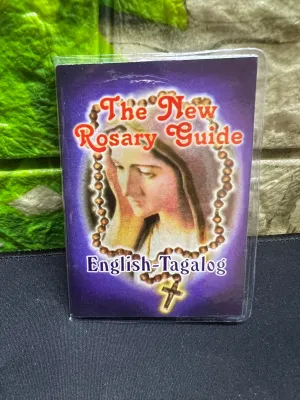
For a prayer routine to be sustainable, the language of the prayers must resonate deeply with your interior life. Many Filipinos find that praying in English provides a clear, structured theological framework, while others experience a more intimate, emotional connection when praying in Tagalog or their local regional language. Bilingual editions, which feature parallel English and Tagalog texts, offer the best of both worlds, allowing you to appreciate the precise wording of liturgical translations while engaging in the familiar, heartfelt expressions of local devotion.
When purchasing a prayer book, always verify the language and translation style of the edition. Some older books use archaic English that may feel distant or difficult to comprehend during quick moments of reflection, while modern editions utilize contemporary language that aligns with current liturgical standards. Choose the translation that most naturally fosters a sense of focus and personal connection.
Liturgical Alignment
If your goal is to pray in union with the universal Church, your prayer book must align with the current liturgical calendar and translations. The Catholic Church follows a structured cycle of readings and feasts that changes daily, weekly, and seasonally. Using an outdated missal or a book with obsolete translations can lead to confusion when you try to follow along with the readings at your local parish.
Before finalizing a purchase, check the publication or revision date of the book. Ensure that the text conforms to the current liturgical translations approved by the Catholic Bishops’ Conference of the Philippines (CBCP). This is particularly important for daily missals, which must reflect the specific cycle of readings for the current liturgical year.
Ecclesiastical Approval
To ensure that the prayers, meditations, and doctrinal explanations in your book are accurate and aligned with Catholic teaching, you must check for official ecclesiastical approval. The Catholic Church utilizes a formal review process to verify that a publication is free from doctrinal or moral error. This approval is indicated by two specific Latin terms printed on the copyright page of the book:
- Nihil Obstat: This phrase translates to "nothing stands in the way." It is a declaration by an official church censor (the censor librorum) that the book contains nothing contrary to Catholic faith or morals.
- Imprimatur: This phrase means "let it be printed." It is the official authorization granted by a bishop, permitting the book to be published as an approved Catholic text.
Always locate these declarations on the copyright page before purchasing a prayer book, especially when buying compilations of novenas or personal devotions. This simple check guarantees that you are feeding your spiritual life with sound, orthodox teachings.
Recommended Types of Catholic Prayer Books for Daily Use
Catholic prayer books are not uniform; they are designed for different styles of prayer and varying levels of commitment. Understanding the primary categories of these books will help you identify which type best supports your current spiritual needs.

Daily Missals and Liturgical Companions
Daily missals are designed to help you participate fully in the Eucharistic Liturgy, whether you attend Mass daily or pray with the scriptures from home. These books contain the complete set of readings, prayers, and responses for every day of the liturgical year, structured around the three-year Sunday cycle (Cycles A, B, and C) and the two-year weekday cycle (Years I and II).
- Focus: Following the daily Mass readings, prayers, and the liturgical calendar.
- Examples to Look For: The Saint Joseph Daily Missal, the Daily Roman Missal, or monthly liturgical booklets such as Magnificat and locally published alternatives like Simbahay or Gabay.
- Best For: Readers who want to synchronize their personal prayer life with the universal Church’s daily liturgy and Mass readings.
- Limitations & Checks: Annual daily missals are thick, heavy, and require replacing or updating as the liturgical years transition. Monthly subscription booklets are highly portable but require ongoing purchases or renewals, which can accumulate costs over time.
The Liturgy of the Hours and Breviaries
Also known as the Divine Office, the Liturgy of the Hours is the official, structured prayer of the Church, prayed at specific intervals throughout the day. It consists primarily of Psalms, canticles, scripture readings, and intercessions. While historically prayed by priests and religious sisters, laypeople are increasingly adopting this beautiful, time-tested tradition to sanctify their daily schedules.
- Focus: Praying the Psalms, hymns, and scriptural readings at specific times of the day, including Morning Prayer (Lauds), Evening Prayer (Vespers), and Night Prayer (Compline).
- Examples to Look For: The comprehensive one-volume Christian Prayer, the simplified Shorter Christian Prayer, or the complete four-volume Liturgy of the Hours set.
- Best For: Individuals seeking a highly structured, scripture-focused daily routine that immerses them in the Psalms and aligns their day with the monastic rhythm of prayer.
- Limitations & Checks: The full four-volume set is a significant financial investment, often costing between ₱4,000 and ₱8,000, and navigating the complex system of ribbons and page-turning can be intimidating for beginners. If you are new to this practice, starting with a single-volume edition like Shorter Christian Prayer (typically priced under ₱1,000) is highly recommended.
Devotional Classics and Traditional Prayer Compilations
For those who prefer a more reflective, meditative approach to daily devotion, classic spiritual texts and traditional prayer compilations offer timeless wisdom. These books focus on the interior life, personal virtue, and traditional devotions such as the Rosary, the Stations of the Cross, and novenas to beloved saints.
- Focus: Spiritual reading, meditations, and traditional prayers that foster personal reflection and deep spiritual growth.
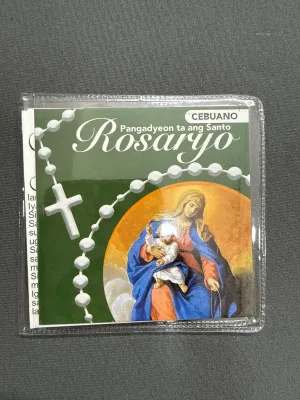
- Examples to Look For: Timeless classics like The Imitation of Christ by Thomas à Kempis, Introduction to the Devout Life by St. Francis de Sales, or locally compiled novena books featuring devotions to Our Mother of Perpetual Help and Saint Jude.
- Best For: Readers looking for personal reflection, Marian devotions, and spiritual growth outside the strict structure of the liturgical calendar.
- Limitations & Checks: These books do not provide the daily Mass readings or the structured daily Psalms of the Divine Office. When purchasing local novena compilations, pay close attention to the publisher to ensure the prayers are officially approved and free from superstitious additions.
Pocket and Travel Editions for On-the-Go Prayer
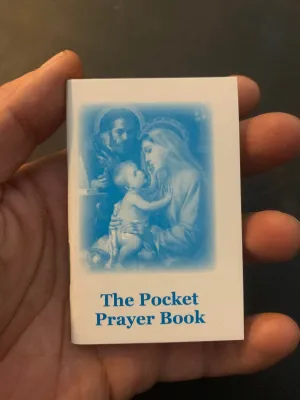
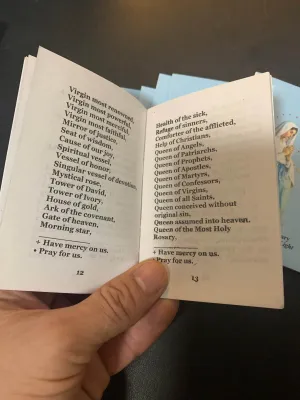
Pocket prayer books are designed for maximum portability and quick access. They contain a curated selection of essential Catholic prayers, including basic daily prayers (the Our Father, Hail Mary, and Apostles’ Creed), acts of contrition, prayers for specific needs, and abbreviated guides for confession.
- Focus: Essential daily prayers, quick reflections, and emergency spiritual comfort in a highly portable format.
- Examples to Look For: A Manual of Catholic Prayers, Pocket Book of Catholic Prayers, or slim, local devotional booklets.
- Best For: Commuters, students, and busy professionals who need a lightweight, durable companion for brief moments of recollection during a hectic day.
- Limitations & Checks: To maintain a small footprint, these editions use very small fonts and contain highly abbreviated content. Prior to purchasing, inspect the physical dimensions and ensure the binding is durable enough to withstand being repeatedly pulled out of a crowded bag.
Quick Comparison: Matching Prayer Books to Your Schedule
To help you determine which prayer book category aligns best with your daily routine and lifestyle, review the comparison table below.
| Book Category | Primary Focus | Ideal User Profile | Portability Level |
|---|---|---|---|
| Daily Missals | Mass readings, liturgical prayers, and calendar alignment | Daily Mass attendees and those who follow the daily scriptures | Medium to Low (often bulky) |
| Liturgy of the Hours | Structured Psalms, scripture readings, and time-based prayer | Laypeople seeking a monastic rhythm and deep scriptural immersion | Low (Full Set) to High (Shorter editions) |
| Devotional Classics | Meditative reading, virtue cultivation, and traditional novenas | Reflective readers, Marian devotees, and those seeking interior growth | Medium (standard book size) |
| Pocket Editions | Basic daily prayers, examination of conscience, and quick comfort | Commuters, busy professionals, and those with limited reading time | High (fits in pockets or small pouches) |
Building a resilient and flexible prayer routine often involves combining different types of prayer books rather than relying on just one. For example, you might keep a comprehensive Daily Missal or a volume of Christian Prayer on your home altar for a dedicated morning offering, while carrying a slim pocket prayer book or a specific novena booklet in your bag for quick moments of reflection during your daily commute. This approach ensures that you have the right spiritual tools available, regardless of where your day takes you.
Where to Find and Verify Authentic Catholic Books in the Philippines
Sourcing authentic, approved Catholic literature in the Philippines requires shopping through authorized channels to avoid poorly translated, unauthorized, or doctrinally inaccurate prints. Because prayer books are sacred tools, ensuring their physical and content quality is highly important.
Recommended Retail Channels
The safest way to purchase a Catholic prayer book is to buy directly from established Catholic publishers and distributors. These organizations have a long history of serving the local church and guarantee that their inventory carries the necessary ecclesiastical approvals.
- St. Pauls (St. Paul Publications): Operated by the Society of St. Paul, this is one of the most prominent Catholic bookstore chains in the country, with branches in major shopping malls and near historical cathedrals.
- Paulines (Daughters of St. Paul): Specializing in media and books, Paulines media centers offer an excellent selection of prayer books, Bibles, and devotional materials.
- Claretian Publications: Known for publishing affordable, high-quality Bibles and liturgical diaries, Claretian resources are widely used in local parishes.
- Word & Life Publications: This publisher produces highly accessible liturgical booklets, missalettes, and daily prayer companions that are popular across the country.
- Parish Bookshops: Many local parish offices and cathedral shrines maintain small bookshops that stock approved prayer books, novenas, and liturgical calendars tailored to the local community.
Verification Steps
When purchasing a prayer book—whether in a physical store or through online platforms—always perform a quick quality and authenticity check:
- Confirm the Publisher: Ensure the book is published by a reputable Catholic entity (such as St. Pauls, Paulines, Claretian, or Word & Life).
- Locate the Approvals: Open the book to the copyright page and look for the names of the local bishop or censor alongside the terms Nihil Obstat and Imprimatur.
- Check the Copyright Date: For missals and liturgical companions, verify that the edition reflects the current liturgical calendar and approved translations to avoid using outdated texts.
- Inspect the Physical Quality: Examine the binding, paper thickness, and cover material to ensure the book can withstand daily use in a tropical environment.
Navigating Online Platforms
While online marketplaces offer convenience, they also host unverified third-party sellers who may distribute unauthorized photocopies, pirated editions, or books containing theological errors. To protect your purchase, look for the official flagship stores of established Catholic publishers on major e-commerce platforms. These official storefronts often display a verified brand or mall badge, ensuring that you receive authentic, high-quality prints. Avoid purchasing from sellers who offer extremely cheap, generic PDF printouts or books with no clear publishing house listed.
Language and Local Context
Shopping through local Catholic publishers ensures that your prayer book will include specific devotions and feasts unique to the Philippines. Local editions often feature prayers for national feasts, such as the Feast of the Santo Niño, the Feast of the Black Nazarene, and devotions to local saints like San Lorenzo Ruiz and San Pedro Calungsod. Furthermore, local publishers are the primary source for high-quality bilingual (English-Tagalog) prayer books, which are specifically formatted to cater to the devotional preferences of Filipino families.
Frequently Asked Questions (FAQ)
Do I need to replace my daily missal every year?
Whether you need to replace your missal depends on the specific type of book you own. Annual daily missals and monthly liturgical companions must be replaced or updated regularly because they are tied to a specific calendar year and the changing cycle of daily readings. However, if you own a comprehensive, multi-volume perennial daily missal, it does not expire; these editions are organized by the liturgical seasons and the rotating Sunday and weekday cycles, allowing you to reuse them indefinitely by simply cross-referencing the readings with a current liturgical calendar.
What is the difference between a missal and a breviary?
A missal contains the specific prayers, readings, and responses used during the celebration of the Holy Mass, making it ideal for following along with the Eucharistic Liturgy. A breviary, on the other hand, is used for the Liturgy of the Hours (the Divine Office). It contains a structured cycle of Psalms, hymns, and scripture readings designed to be prayed at specific times throughout the day, independent of the Mass. While a missal focuses on the altar, a breviary focuses on sanctifying the hours of the day.
Can I use a bilingual English-Tagalog prayer book for personal devotion?
Yes, bilingual English-Tagalog prayer books are excellent tools for personal devotion and family prayer. They allow you to switch between languages depending on your mood, focus, or the specific devotion you are practicing. When purchasing a bilingual book, simply ensure that it carries the necessary Imprimatur and Nihil Obstat from a local diocese, which guarantees that both the English and Tagalog translations are accurate, faithful to the original sacred texts, and approved for Catholic use.
Community discussion
Share your experience or ask a question. Comments are reviewed before publication.