
Starting a structured journey through Scripture can feel overwhelming for beginners, but choosing the right Catholic Bible study guide makes the ancient texts deeply accessible, practical, and spiritually enriching. For readers in the Philippines, finding a guide that balances theological depth with a manageable schedule is key to building a lifelong habit of reading God’s Word. Programs such as The Great Adventure Catholic Bible Study, Walking with God, Six Weeks with the Bible, and The Bible Timeline offer excellent frameworks that cater to different learning styles, schedules, and group dynamics.
By choosing a guide that aligns with your personal goals, you can transition from simply reading the words on the page to truly understanding the overarching story of salvation history. Whether you are studying individually in a quiet room or participating in a lively parish discussion group, the right resource acts as a trusted companion, helping you navigate historical contexts, cultural nuances, and profound theological truths.
How to Choose the Right Catholic Bible Study Guide
Selecting the ideal study guide requires evaluating several practical and theological dimensions to ensure the resource fits your daily routine and learning preferences.
Products mentioned in this guide
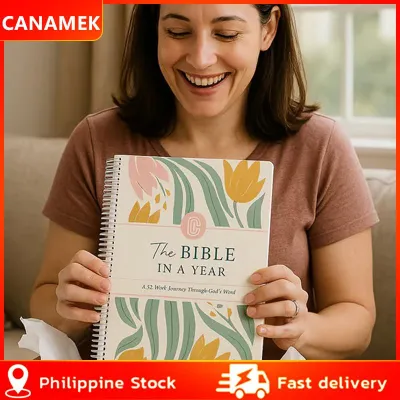
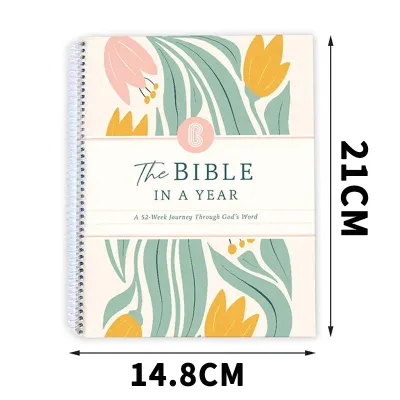
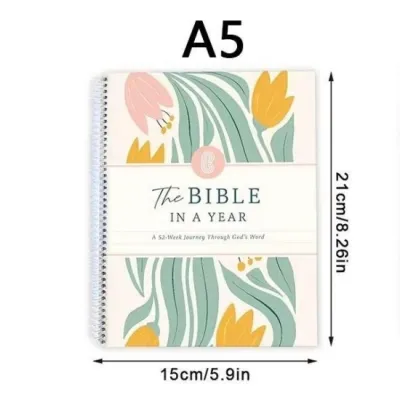
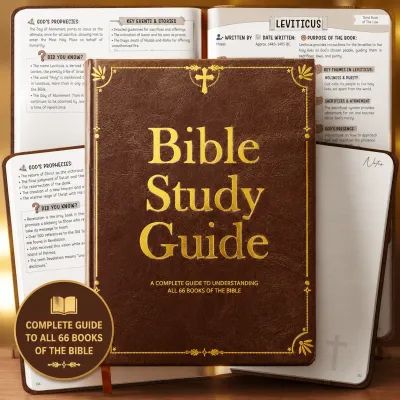
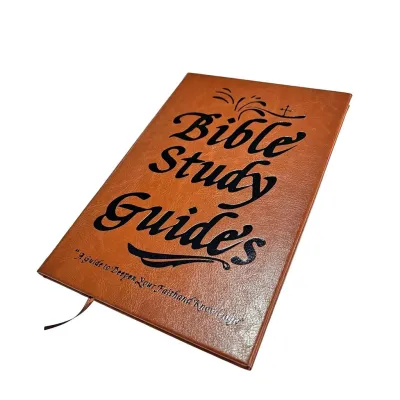
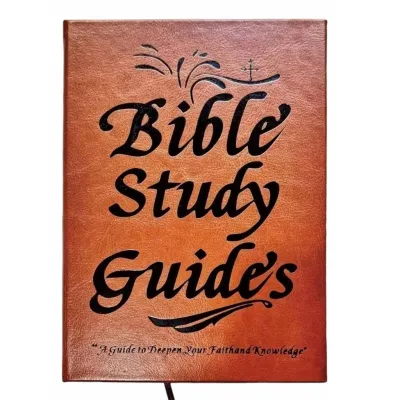
Prices are valid at publication and may change. Please refer to the product page for the latest price.
Theological Alignment and Ecclesial Approval
The first and most critical step for any Catholic is to verify the theological integrity of the study guide. Look for books that carry an Imprimatur (Latin for “let it be printed”) and a Nihil Obstat (“nothing stands in the way”). These official declarations guarantee that a Catholic bishop and a designated censor have reviewed the material and found it free from doctrinal or moral error. Using approved materials ensures that your personal reflections remain firmly rooted in the authentic teachings of the Church.
Study Format: Narrative vs. Commentary
Beginners should consider how information is presented in the guide. Some resources use a narrative approach, which focuses on the chronological story of salvation history, showing how the Old and New Testaments connect as one continuous covenant relationship. Other guides lean toward academic commentaries, providing dense, verse-by-verse explanations of historical, linguistic, and cultural contexts. While commentaries are invaluable for deep research, narrative formats are generally much more engaging and easier to digest for those new to Scripture.
Media Integration: Video vs. Text-Only
Consider whether you prefer a multi-sensory learning experience or a traditional, contemplative reading approach. Video-based programs often feature lectures from renowned Catholic theologians, which can make complex historical events come alive. These programs are highly engaging but typically require access to a DVD player or a digital streaming platform. On the other hand, text-only workbooks encourage active writing, personal journaling, and quiet contemplation, making them highly portable and independent of technology.
Time Commitment and Schedule
Be realistic about the time you can dedicate to study. If you have a demanding work schedule, a busy household, or a long daily commute, a daily 15-minute reflection guide is highly practical. It allows you to build a consistent habit without feeling overwhelmed. Conversely, if you are looking for a deeper, more communal experience, a weekly 90-minute group study program might be more appropriate. These programs require a longer-term commitment but offer the added benefit of shared insights and mutual accountability.
Translation Compatibility
Always match the study guide’s referenced Bible translation with the Bible you own. In the Philippines, common Catholic translations include the Revised Standard Version Catholic Edition (RSVCE), the New American Bible Revised Edition (NABRE), and the Jerusalem Bible. If a guide relies heavily on direct quotes or specific word studies from the RSVCE, using a NABRE Bible might cause minor confusion when looking up key passages. Checking this compatibility beforehand prevents frustration during your study sessions.
Recommended Catholic Bible Study Guides for Beginners
The following curated selection of Catholic Bible study guides represents some of the most respected, accessible, and structured programs available today. Each program offers a unique methodology designed to help beginners build confidence in reading and understanding Scripture.

The Great Adventure Catholic Bible Study
Developed by scripture scholar Jeff Cavins, this highly structured program is widely considered the gold standard for understanding the overarching story of the Bible. Rather than reading the books in their traditional canonical order, which can often confuse beginners when the narrative shifts chronologically, this study focuses on the 14 “narrative books” that chart the timeline of salvation history from Genesis to the early Church.
The program is highly interactive, utilizing a color-coded system to divide biblical history into 12 distinct periods. This visual framework helps readers see how the historical events, prophets, and kings of the Old Testament point directly to Jesus Christ in the New Testament. Because of its structured nature, it is frequently adopted by parish groups and adult faith formation ministries.
However, participants should be prepared for a significant time commitment. A full study can span several months, requiring dedicated weekly reading, workbook exercises, and group discussion.
- Pros: Exceptionally clear chronological framework; highly engaging visual aids; excellent for community building.
- Cons: Demands a high level of time and financial commitment; can feel overwhelming for solitary study.
- Pre-Purchase Verification: Confirm whether the package you are buying includes the complete study set (workbook, chart, and digital video access) or just the workbook alone. While any approved Catholic Bible containing the 73 books is compatible, using the specific Great Adventure Catholic Bible enhances the learning experience due to its matching color-coded sections.
Walking with God: A Journey Through the Bible
Written by Dr. Tim Gray and Jeff Cavins, this guide serves as an incredibly readable companion book that explains the story of salvation in a narrative, conversational tone. It is designed to be read alongside your Bible, providing the historical, cultural, and theological background necessary to make sense of difficult passages, particularly in the Old Testament.
Rather than presenting dense academic footnotes, the authors explain the scriptures like a continuous, gripping history. It is an ideal choice for individuals who want to build a personal, daily reading habit at home without the pressure of filling out workbook answers or participating in formal group discussions.
Because it is a single companion volume, it is highly portable and budget-friendly, making it easy to slip into a bag and read during a quiet moment in a local chapel or a ventilated spot at home.
- Pros: Highly accessible and engaging writing style; flexible pace; affordable and portable.
- Cons: Lacks interactive workbook questions or fill-in-the-blank exercises; does not cover every single biblical verse.
- Pre-Purchase Verification: Check that you are purchasing the Catholic edition of the book. Ensure the edition aligns with standard Catholic translations like the RSVCE to keep biblical terms and names consistent.
Six Weeks with the Bible (Liturgical Press)
For those who are intimidated by thick volumes or long-term commitments, the Six Weeks with the Bible series from Liturgical Press offers an exceptionally approachable entry point. This series consists of dozens of thin, focused booklets, each dedicated to exploring a single book of the Bible (such as the Gospel of Mark) or a specific theme (such as biblical prayers) over a concise six-week period.
Each weekly session is divided into manageable daily segments that combine short scripture passages with brief historical commentary, reflection questions, and prayer prompts. This format is perfect for busy professionals, students, or small faith-sharing groups who want to experience the benefits of structured study without committing to a multi-month program.
The series is highly practical, emphasizing how the lessons of Scripture apply to daily life, relationships, and personal spiritual growth.
- Pros: Very low barrier to entry; highly affordable; practical, life-application focus.
- Cons: Not a comprehensive overview of the entire Bible; requires purchasing multiple booklets to study different sections of Scripture.
- Pre-Purchase Verification: Carefully check the specific title of the booklet before ordering to ensure it matches the book of the Bible or the theme you wish to study. Verify if the booklet prints the full biblical text on the page or if you will need your personal Bible open alongside it.
The Bible Timeline: The Story of Salvation
As the foundational study of the Great Adventure series, this visual and chronological learning tool is specifically designed for visual learners who struggle with the non-linear layout of the Bible. It utilizes a color-coded chart to map out the historical periods of the Bible, showing how secular history, prophets, and major biblical events overlap.
By organizing the scriptures into a visual timeline, beginners can easily understand when specific prophets lived, why certain kingdoms fell, and how the covenant promises of God unfolded over thousands of years. This structural clarity builds a solid foundation that makes all future scripture reading far more meaningful.
This program is typically structured as a 24-week course, making it a comprehensive and thorough study that is best suited for those who are ready to make a serious investment in their biblical education.
- Pros: Unmatched visual clarity for chronological learning; resolves common confusion regarding biblical timelines; highly systematic.
- Cons: Requires purchasing multiple components (chart, workbook, video access) for the full experience; can be intellectually demanding.
- Pre-Purchase Verification: Read product descriptions carefully when purchasing online. Ensure the physical timeline chart is included in your purchase, as some retailers sell the workbook and the chart as separate items.
Where to Buy and What to Verify Before Purchasing
Sourcing high-quality Catholic study materials in the Philippines requires knowing where to look and what specifications to double-check before finalizing your order.
Sourcing Materials Locally and Online
For physical browsing, established local Catholic bookstores are the most reliable channels. Outlets run by St. Pauls, Claretian Communications Foundation, Word & Life Publications, and the Catholic Book Center carry a wide selection of approved Bibles, study guides, and devotional materials. If you prefer shopping online, many of these local publishers maintain official flagship stores on major e-commerce platforms. Purchasing from these official stores ensures you receive authentic, high-quality prints while supporting local Catholic ministries.
Critical Pre-Purchase Checks
To avoid purchasing the wrong edition or an incomplete set, always perform the following checks before checking out:
- Bible Translation Alignment: Check which Bible translation the study guide references in its lessons. If your guide is based on the NABRE but you use an RSVCE Bible, the chapter and verse divisions, as well as specific wordings, may vary slightly. While the core theological teachings remain identical, matching your Bible to the guide's translation ensures a seamless reading experience.
- Component Completeness: Many comprehensive study guides are designed to be used alongside video lectures or specific charts. Read the product description carefully to confirm whether the workbook requires external DVDs or digital streaming codes to be fully functional. Buying a workbook without access to its accompanying video lectures may leave you with incomplete lessons.
- Language and Regional Restrictions: Ensure the guide is written in English and is not an international edition with regional restrictions on digital content. Some study guides include access codes for online video libraries that may only be redeemable in specific countries.
- Avoid Cover-Based Assumptions: Never assume the content, completeness, or included accessories of a study guide based solely on its cover photo or product title on an e-commerce platform. Always read the detailed product specifications and customer feedback to verify exactly what is included in the package.
Practical Tips for Starting Your First Bible Study
Embarking on your first Bible study is an exciting spiritual step, but maintaining the habit requires practical strategies to prevent burnout and stay motivated.
Start with a Manageable Schedule
It is easy to start with intense enthusiasm, attempting to read several chapters a day, only to quickly feel overwhelmed. Instead, aim for consistency over volume. Dedicate a manageable 15 minutes each day to reading and reflecting. A small, daily habit is far more sustainable and spiritually fruitful than a sporadic, multi-hour study session once a month.
Create a Dedicated, Comfortable Space
Find a quiet, well-lit corner of your home where you can study without distractions. In the warm and humid tropical climate of the Philippines, setting up your study space near a window with a gentle breeze or ensuring you have a reliable electric fan can make your study time much more comfortable and conducive to deep focus.
Join a Local Parish Group or BEC
Consider joining a local Bible study group, parish ministry, or Basic Ecclesial Community (BEC). Studying Scripture in a community provides valuable mutual encouragement, keeps you accountable, and allows you to share insights. Group discussions are particularly helpful when navigating complex Old Testament books, where historical context can be difficult to interpret alone.
Use a High-Quality Catholic Study Bible
Equip yourself with a reputable Catholic study Bible that features extensive footnotes, cross-references, and historical maps. These tools provide immediate context for difficult passages, helping you understand the cultural customs, geographical locations, and theological connections behind the text without needing to flip through multiple reference books.
Prioritize Prayer and Reflection Over Speed
Remember that Bible study is not a race to finish a workbook or check off a reading plan. The ultimate goal of reading Scripture is to grow in your relationship with God. If a single verse or passage touches your heart deeply during your study, pause and pray over it. It is entirely acceptable to spend your entire study session reflecting on a few verses rather than rushing to complete a scheduled chapter.
Frequently Asked Questions (FAQ)
Do I need a specific Catholic Bible to use these guides?
While some structured programs, such as the Great Adventure series, offer dedicated study Bibles designed to match their color-coded chronological system, you do not absolutely need a specific Bible. Any approved Catholic Bible containing all 73 books (including the deuterocanonical books) will work. However, it is highly recommended to check the study guide’s introduction to see which translation (such as the RSVCE or NABRE) it references. Using a matching translation makes following direct quotes and page references much easier.
Can I use these guides for personal study, or are they only for groups?
Most Catholic Bible study guides are highly versatile and can be used for both personal and group study. Although many workbooks include sections dedicated to group discussion questions, these can easily be adapted for individual reflection or personal journaling. If you are studying alone, simply focus on the core readings, historical commentaries, and personal prayer prompts, using the discussion questions as thought-starters for your own spiritual growth.
Community discussion
Share your experience or ask a question. Comments are reviewed before publication.