
Starting a Bible study journey can feel overwhelming due to the sheer volume of scripture and the variety of resources available. For beginners in the Philippines, finding the right Catholic Bible study books means selecting materials that align with Church teachings while offering clear, structured guidance. The most effective beginner-friendly resources are those that utilize approved Catholic translations—such as the New American Bible Revised Edition (NABRE) or the Revised Standard Version Catholic Edition (RSV-CE)—and provide structured narrative frameworks to prevent readers from getting lost in complex historical or theological details. Among the top recommendations for Filipino readers are The Great Adventure Catholic Bible Study by Jeff Cavins for its chronological salvation history approach, The Catholic Study Bible (NABRE) as a comprehensive all-in-one reference, Walking with God by Tim Gray and Jeff Cavins for an accessible narrative companion, and The Bible in a Year Companion Guides for daily structured reflections.
In the Philippines, where faith is deeply woven into daily life through family traditions, parish ministries, and community devotions, having a reliable study book helps transform scripture reading from a daunting academic task into a meaningful spiritual practice. Whether you are studying individually at home, participating in a parish-based Basic Ecclesial Community (BEC), or looking to deepen your personal prayer life, selecting the right guide ensures that your study remains doctrinally sound, practical, and highly engaging.
How to Choose the Right Catholic Bible Study Book
Selecting a Bible study book is a personal and spiritual decision that should be guided by specific criteria to ensure the material is both reliable and suited to your learning style. Because the Catholic Church views Sacred Scripture as a living word interpreted within the living tradition of the Church, the tools you use must reflect this theological framework.
Products mentioned in this guide
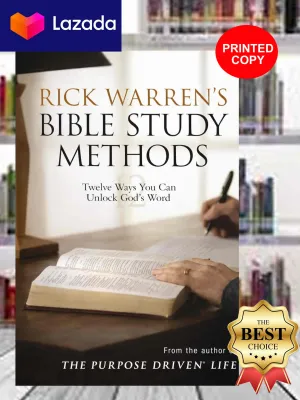
Prices are valid at publication and may change. Please refer to the product page for the latest price.
Prioritize Catholic-Approved Translations The first and most critical step is verifying that the study book or the Bible it accompanies uses an approved Catholic translation. Catholic Bibles contain 73 books, which include the seven Deuterocanonical books (Tobit, Judith, Wisdom, Sirach, Baruch, and 1 & 2 Maccabees) as well as additions to Esther and Daniel. Translations such as the New American Bible Revised Edition (NABRE), the Revised Standard Version Catholic Edition (RSV-CE), the English Standard Version Catholic Edition (ESV-CE), and the Jerusalem Bible are widely recognized and authorized for study and liturgical use. When purchasing a study guide, look for the Imprimatur (declaration that the book is free of doctrinal or moral error) and the Nihil Obstat (certification by a diocesan censor) on the copyright page, which indicate that the work has been reviewed and approved by Catholic ecclesiastical authorities.
Evaluate the Author’s Theological Background To ensure the commentary and reflections align with Catholic doctrine, take time to examine the author’s credentials and theological background. Catholic Bible study guides are typically written by recognized theologians, biblical scholars, or catechists who teach at Catholic universities or are active in authorized lay apostolates. Authors who hold degrees in sacred scripture or theology from pontifical universities bring a rigorous, faithful approach to their writing. Reading guides authored by figures who actively support the Magisterium—the teaching authority of the Church—ensures that the interpretations of difficult passages do not contradict Catholic teachings on the sacraments, Mary, and the papacy.
Match the Study Format to Your Learning Style Catholic Bible study books come in several distinct formats, and choosing the right one depends on your personal goals and daily routine:
- Narrative Timeline Guides: These books focus on the chronological story of salvation history, linking different biblical books together to show how God’s plan unfolds over time. This format is ideal for beginners who want to understand the "big picture" before diving into specific details.
- Verse-by-Verse Commentaries: These provide detailed explanations of individual verses, historical contexts, and linguistic nuances. They are excellent for readers who want to study a specific book of the Bible in depth.
- Thematic Reflections: These guides group passages around specific spiritual themes, such as the sacraments, virtues, or the life of prayer. They bridge academic study with practical spiritual growth.
- Daily Devotionals: Offering short, structured daily readings paired with brief reflections, these are perfect for busy individuals trying to build a consistent, manageable habit.
Top Catholic Bible Study Books and Guides for Beginners
Finding the right book can make a significant difference in how easily you grasp biblical concepts and apply them to your life. The following resources are highly regarded globally and are widely accessible to readers in the Philippines.

The Great Adventure Catholic Bible Study by Jeff Cavins
For beginners who feel intimidated by the complex structure of the Bible, The Great Adventure Catholic Bible Study by Jeff Cavins offers a highly structured, visual, and narrative-based approach. Rather than reading the Bible from cover to cover in the order it is printed, this system guides readers through the 14 narrative books that chart the chronological story of salvation history. By focusing on this core narrative, beginners can easily understand how the different historical periods, covenants, and figures fit together.
This chronological format significantly reduces the sense of overwhelm that often causes beginners to stop reading when they reach complex legal codes in Leviticus or highly symbolic passages in the prophetic books. By showing how these non-narrative books fit into the broader historical timeline, the guide makes the entire Bible more approachable. In the Philippines, this system is highly popular for parish group settings, Basic Ecclesial Communities, and campus ministries, making it an excellent option if you plan to study alongside others in a communal environment.
The Catholic Study Bible (NABRE)
If you prefer an all-in-one resource that combines the biblical text with extensive study tools, The Catholic Study Bible utilizing the New American Bible Revised Edition (NABRE) is an indispensable volume. Published by Oxford University Press, this comprehensive work features extensive reading guides, in-depth essays, and detailed explanatory notes prepared by leading Catholic scholars. It acts as both a Bible and a library of historical and theological commentary.
The built-in study notes provide immediate context for challenging passages, explaining historical customs, geographical details, and linguistic translations directly on the page. The introductory essays bridge the gap between the Old and New Testaments, helping readers see how the promises of the Old Covenant are fulfilled in Jesus Christ. When purchasing this volume, it is wise to consider the binding and size; a durable hardcover or high-quality imitation leather binding is recommended to withstand daily use in the humid Philippine climate, especially if it remains on a study desk or is carried to parish meetings.
Walking with God: A Journey Through the Bible by Tim Gray and Jeff Cavins
For those who prefer a conversational, narrative book to read alongside their Bible, Walking with God by Dr. Tim Gray and Jeff Cavins is an exceptional choice. This book acts as an explanatory guide that unpacks the narrative of salvation history in an easy-to-read, engaging format. The authors explain the covenants, historical contexts, and theological developments using clear language and modern analogies that resonate with contemporary readers.
What makes this guide particularly valuable for beginners is its ability to explain profound theological truths without relying on dense academic jargon. It provides the historical and cultural background necessary to understand why certain biblical figures acted the way they did, making ancient texts feel relevant to modern life. It serves as an excellent standalone companion for daily personal reflection, allowing you to read a chapter of the guide and then read the corresponding biblical passages at your own pace.
The Bible in a Year Companion Guides
Following the massive global popularity of structured reading plans, The Bible in a Year Companion guides have become essential tools for Catholics seeking daily structure. These guides are designed to accompany a 365-day reading plan, breaking down the entire Bible into manageable daily segments. Each day’s entry provides the specific scripture readings, a concise theological reflection, and thought-provoking questions for personal meditation or group discussion.
The primary benefit of these companion guides is the daily structure they provide, which helps beginners build consistency and maintain accountability. Instead of wandering through the scriptures without a plan, readers are given a clear roadmap for each day of the year. While these books are incredibly powerful when used on their own, they are designed to complement daily scripture reading or audio-guided programs, helping you digest the historical and spiritual significance of each passage.
Where to Buy Catholic Study Books in the Philippines
Sourcing high-quality Catholic study books in the Philippines requires knowing where to look, as specialized religious texts are not always available in general bookstores. Fortunately, there are several established local publishers, physical Catholic bookshops, and reliable online channels where these resources can be found.
Visit Local Catholic Bookstores and Publishers The most reliable physical locations to find Catholic study books are specialized Catholic bookstores. Major networks such as the St. Paul Book Center, which has numerous branches in major malls and diocesan centers across the country, carry a wide selection of Catholic Bibles, commentaries, and devotional guides. Claretian Publications and Word & Life Publications also operate retail outlets and publish affordable local editions of Catholic spiritual books. Visiting these stores allows you to physically examine the text, check the print size, and verify the binding quality before making a purchase.
Explore Official Publisher Websites and Reputable Online Retailers For imported titles like The Great Adventure resources or Oxford’s The Catholic Study Bible, checking the official online stores of local Catholic publishers is highly effective. Many local Catholic distributors and diocesan bookstores run dedicated online storefronts or official shops on major online marketplaces. When purchasing through ecommerce platforms, ensure you are buying from verified religious store profiles or official Catholic publishing houses to avoid counterfeit copies, poor print quality, or unauthorized digital scans.
Inquire at Your Local Parish Office Many parishes in the Philippines maintain small bookstalls or religious articles shops, especially in larger shrines and basilicas. Parish offices often stock recommended study guides for their own faith formation programs, Rite of Christian Initiation of Adults (RCIA) classes, or family ministries. Inquiring with your parish priest or the parish formation coordinator can lead you to local distributors who offer discounts for study groups or can order specific titles on your behalf.
Verify the Edition and Translation Before Purchasing When ordering books—especially imported copies—always verify the exact edition, translation, and format. Make sure the description explicitly states that the book uses a Catholic-approved translation (such as the RSV-CE or NABRE) rather than a Protestant translation, which will lack the Deuterocanonical books. Additionally, check whether the book is a study guide that requires a separate Bible, or if it is an all-in-one study Bible, so you do not accidentally purchase a companion guide without the corresponding scripture text.
Tips for Building a Daily Bible Study Habit
Starting a Bible study habit is an exciting spiritual step, but maintaining consistency requires a practical, low-pressure approach. Here are practical tips to help you build a sustainable and enriching daily routine.
Begin with the Gospels While it is tempting to start on page one of Genesis, beginners often find it more encouraging to start with the New Testament. Beginning with the Gospel of Mark provides a fast-paced, action-oriented introduction to the life and ministry of Jesus Christ. Following Mark, reading the Gospel of Luke and the Acts of the Apostles offers a seamless narrative transition from the earthly ministry of Jesus to the birth and expansion of the early Church. Starting here helps build a strong foundation in Christ’s teachings before diving into the complex historical and prophetic books of the Old Testament.
Practice Lectio Divina To prevent Bible study from becoming a purely academic exercise, incorporate the ancient Catholic practice of Lectio Divina (divine reading) into your routine. This method involves four simple steps:
- Lectio (Read): Read a short scripture passage slowly and attentively, paying attention to words or phrases that stand out.
- Meditatio (Meditate): Reflect on the passage, considering what God might be saying to you personally through these words.
- Oratio (Pray): Respond to God in prayer, offering Him your thoughts, thanks, petitions, or questions based on your meditation.
- Contemplatio (Contemplate): Rest silently in God’s presence, allowing His word to sink deeply into your heart.
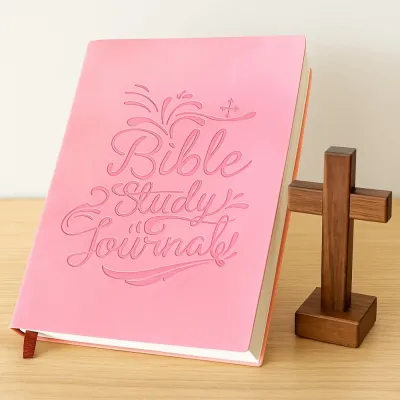
Keep a Dedicated Spiritual Journal Having a notebook specifically for your Bible study helps you process what you read and track your spiritual growth. Use your journal to write down key verses that struck you, historical facts you learned from your study guide, personal reflections, and prayers. Over time, looking back through your journal will show you how your understanding of scripture has deepened and how God has answered your prayers through the passages you studied.
Join a Parish Study Group or Community Studying the Bible in community is a core part of Catholic tradition. Consider joining a Bible study group at your local parish, participating in a Basic Ecclesial Community (BEC) in your neighborhood, or connecting with an active Catholic lay covenant community. Sharing insights, asking questions, and listening to others’ reflections provides valuable support, keeps you accountable, and deepens your understanding of how scripture applies to diverse life situations.
Frequently Asked Questions (FAQ)
Do I need a specific Catholic translation for Bible study?
Yes, using a Catholic translation is highly recommended for comprehensive Bible study. Catholic Bibles contain 73 books, including the seven Deuterocanonical books (such as Tobit, Judith, and Maccabees) which are not included in Protestant Bibles. These books are integrated into the historical and theological narrative of scripture and are frequently referenced in the Catholic liturgy. Using a Catholic-approved translation (like the NABRE, RSV-CE, or ESV-CE) ensures that your study materials contain all the books of the biblical canon and align with Catholic theological teachings.
Can I use a Protestant study Bible if I am Catholic?
While Protestant study Bibles can be useful for historical, geographical, or linguistic reference, they have limitations for Catholic readers. They lack the seven Deuterocanonical books, and their study notes and commentaries reflect theological perspectives that differ from Catholic doctrine on key issues, such as the sacraments, Church authority, and justification. For a beginner, it is best to stick to Catholic study Bibles to avoid confusion and to ensure that the commentary aligns with the teachings of the Church’s Magisterium.
What is the best book of the Bible for a Catholic beginner to read first?
The Gospel of Mark is widely considered the best starting point for beginners because of its concise, fast-paced narrative that focuses on the actions and miracles of Jesus. After Mark, reading the Gospel of Luke provides a beautiful emphasis on God’s mercy and prayer, which transitions perfectly into the Acts of the Apostles, showing how the early Church lived out Christ’s mission. This sequence provides an accessible, inspiring foundation before exploring more complex theological letters or Old Testament books.
Community discussion
Share your experience or ask a question. Comments are reviewed before publication.