
Selecting a daily devotional tool is a deeply personal decision, especially when choosing a Catholic Bible in the Philippines. With various translations, physical sizes, and binding styles available, finding the right edition requires balancing liturgical accuracy with everyday comfort. The ideal daily Bible is one that you can read comfortably under any lighting, carry without strain during a commute, and trust to align with Catholic teachings. By understanding the key features of different editions, you can select a volume that seamlessly integrates into your daily prayer and reflection.
Key Features to Look for in a Daily Catholic Bible
When choosing a Bible for daily use, translation philosophy is the first major factor to consider. Translations generally fall along a spectrum between formal equivalence and dynamic equivalence. Formal equivalence, often called a word-for-word translation, attempts to preserve the literal structure and phrasing of the original Hebrew, Aramaic, and Greek texts. While highly accurate and excellent for deep study, formal translations can sometimes feel stiff or academic during casual reading. Dynamic equivalence, or a thought-for-thought translation, prioritizes readability and natural flow in modern English. For daily devotional reading, many Catholics prefer a translation that strikes a balance between these two approaches, ensuring the text remains both linguistically faithful and easy to comprehend.
Beyond translation style, a Catholic Bible must contain specific markers to ensure it is complete and doctrinally sound. The Catholic biblical canon consists of 73 books, which includes the seven Deuterocanonical books: Tobit, Judith, Wisdom, Sirach, Baruch, and 1 and 2 Maccabees, along with additions to the books of Daniel and Esther. These books are omitted from Protestant editions, which only contain 66 books. To verify that an edition is approved for Catholic study and devotion, look for the Latin terms Nihil Obstat (meaning “nothing stands in the way,” indicating the text is free of doctrinal error) and Imprimatur (meaning “let it be printed,” representing the official endorsement of a bishop) on the copyright page.
Products mentioned in this guide
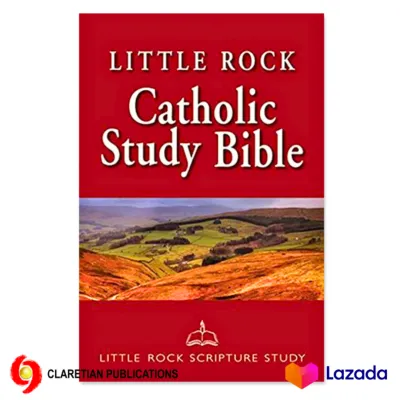
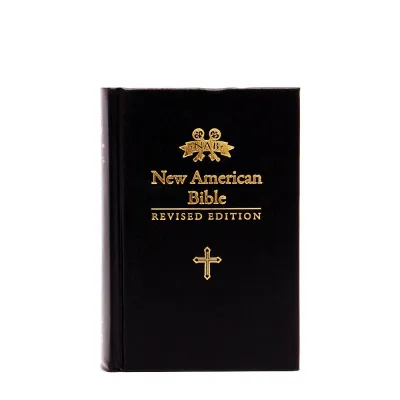
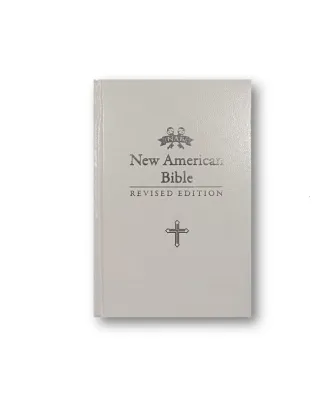
Prices are valid at publication and may change. Please refer to the product page for the latest price.
Physical ergonomics play a critical role in how consistently you will engage with your Bible. Paper opacity is a key detail that is often overlooked. Thin, low-quality paper can suffer from “ghosting,” where the text from the reverse side of the page shines through and distracts the eye. High-quality editions use line-matching, a printing technique where the lines of text on both sides of a page align perfectly to minimize visual clutter. Font size is equally important for long-term comfort. While compact Bibles often use tiny 7-point or 8-point fonts to save space, a 9.5-point or larger font is generally recommended to prevent eye strain during extended reading sessions. If you enjoy recording personal insights, look for wide-margin editions designed specifically for note-taking.
Your primary reading environment should ultimately dictate the physical dimensions and weight of the Bible you choose. If you establish a quiet morning routine at a desk or home altar, a larger, heavier volume with high-quality paper and extensive study notes is ideal. However, if your daily reading happens during a commute on public transport or during lunch breaks at work, a lightweight, compact edition is far more practical. In the tropical climate of the Philippines, high humidity can cause paper pages to warp and cheap glue bindings to crack over time. Selecting a Bible with a sewn binding and a moisture-resistant synthetic cover will ensure the book survives daily handling and environmental exposure.
Recommended Catholic Translations for Daily Reading
Navigating the various translations available in bookstores can be overwhelming. Each translation has a unique linguistic style that shapes the reading experience, making certain versions better suited for specific devotional practices.

The Catholic Ecumenical Edition (CEE)
The Catholic Ecumenical Edition (CEE) is a highly respected translation in the Philippines, known for its balanced linguistic approach. By blending formal and dynamic translation philosophies, the CEE maintains a high level of accuracy while ensuring the prose flows naturally. This makes it an excellent choice for general daily reading, as it avoids overly academic phrasing without losing the depth of the scriptures. The language is clear and accessible, making it suitable for readers of all ages and backgrounds.
Because of its clear language and balanced approach, the CEE is widely utilized in local parishes, Bible study groups, and religious education programs across the Philippines. Choosing this edition allows you to stay in sync with community discussions and local pastoral programs, making it easier to share reflections with fellow parishioners. When purchasing, pay close attention to the specific publisher’s layout; some CEE prints are streamlined with minimal footnotes to facilitate a continuous reading experience, while others include extensive pastoral guides.
The New American Bible Revised Edition (NABRE)
The New American Bible Revised Edition (NABRE) is a modern translation that emphasizes clarity and scholarly precision. It uses contemporary English phrasing that speaks directly to modern readers, making daily reflections feel immediate and relevant. The translation is the result of decades of collaboration among biblical scholars, ensuring that the language is both liturgically sound and academically rigorous. This makes it a fantastic tool for readers who want to understand the historical and cultural context of the scriptures.
For readers who want to align their personal devotions with global liturgical cycles, the NABRE is an excellent option. It serves as the basis for the Liturgy of the Word in several major regions, meaning your daily reading will closely mirror the readings heard at Mass. However, keep in mind that the NABRE is famous for its massive library of footnotes, introductions, and cross-references. While these resources are invaluable for deep study, they add significant physical weight and can make the page layout look dense, which may distract those looking for a simple, meditative reading experience.
The Jerusalem Bible (u0026) and New Jerusalem Bible (NJB)
For those who view daily reading as an act of quiet contemplation, the Jerusalem Bible (JB) and the New Jerusalem Bible (NJB) offer an unmatched literary experience. Renowned for their poetic cadence and beautiful phrasing, these translations are particularly celebrated for their rendering of the Psalms and Wisdom literature. The literary flow of the text encourages slow, meditative reading, often referred to as Lectio Divina, where the beauty of the language helps guide the reader into prayer.
One distinct feature of the original Jerusalem Bible is its use of the divine name “Yahweh” in the Old Testament, which provides a deeply historical and liturgical reading experience. When shopping, it is important to distinguish between the original JB and the updated NJB or Revised New Jerusalem Bible (RNJB). The newer editions update archaic language and adjust translation choices, so verifying the specific version before checkout will ensure you get the exact literary style you prefer.
Matching the Physical Format to Your Daily Routine
Once you have chosen a translation, selecting the right physical format ensures that your Bible fits seamlessly into your daily lifestyle and remains practical to use.
Thinline and Compact Editions for On-the-Go Reading
For many Filipinos, daily reading occurs during transit or during brief office breaks. Thinline and compact editions are specifically designed for these scenarios, offering high portability by keeping the book’s thickness under an inch. These Bibles slide easily into a backpack or handbag, allowing you to utilize travel time for personal reflection. They are lightweight enough to hold comfortably with one hand while standing on a commuter train or bus.
The trade-off for this portability is a smaller font size and narrower margins. To compensate for this, look for compact editions that feature durable covers, such as reinforced hardcover or high-grade polyurethane (often marketed as imitation leather or LuxLeather). These materials protect the pages from the humidity and wear of daily travel. Additionally, prioritize editions that feature built-in ribbon markers, which allow you to quickly resume your reading without fumbling for a loose bookmark on a crowded commute.
Large Print and Lay-Flat Bindings for Home Devotion
If your daily devotional occurs primarily at home, visual comfort and physical ease of use should be your priorities. Large print editions, featuring fonts of 10-point to 12-point or larger, significantly reduce eye strain during extended reading sessions, especially in low-light environments. This makes them ideal for early morning or late-evening reflections when your eyes may be tired.
Another crucial feature for home study is a lay-flat binding, typically achieved through Smyth-sewn construction. Bibles with this binding stay completely open on a desk or table without requiring you to hold the pages down. This hands-free design is incredibly convenient if you like to write in a prayer journal, consult a commentary, or follow along with a daily missal. Be sure to check the paper weight of large print editions; higher-quality, thicker paper prevents ink bleed-through but will make the overall volume heavier.
How to Verify Authenticity and Edition Before Checkout
Shopping for a Catholic Bible online in the Philippines requires careful attention to detail. Because many e-commerce platforms and online marketplaces list books under generic search terms like “Holy Bible,” Protestant editions containing only 66 books are frequently mislabeled as Catholic. To avoid this common mistake, always check the product description or request a photo of the table of contents to verify the inclusion of the seven Deuterocanonical books.
Next, verify the presence of ecclesiastical approval. Look for the Imprimatur and Nihil Obstat declarations, which are typically printed on the copyright page or the page immediately following the title. These markers confirm that the translation and any accompanying notes have been reviewed by a Catholic censor and approved by a bishop, ensuring the content is doctrinally sound and faithful to Catholic tradition.
To guarantee you are purchasing a genuine, high-quality edition rather than a counterfeit print, buy directly from verified publisher storefronts or established religious bookstores on online platforms. Recognized local publishers and distributors, such as Paulines, Claretian Communications, or Word u0026 Life Publications, maintain official digital stores that guarantee authentic copies. Purchasing from these trusted sources also ensures that you are supporting local ministries.
Finally, confirm the language and regional specifications before completing your purchase. Imported editions from the United States or Europe may feature premium materials but can cost between ₱2,000 and ₱5,000+. Locally printed editions, often priced more affordably between ₱300 and ₱1,500, are specifically tailored for the Philippine context, sometimes including local pastoral guides or liturgical calendars that align with local parish life. Checking these details ensures you get the best value for your budget.
Frequently Asked Questions (FAQ)
Do I need a specific Bible translation to follow along during Mass?
No, you do not need to use the exact translation read at the pulpit for your personal devotions. While the readings proclaimed during Mass in the Philippines follow specific approved liturgical texts, personal prayer and study can be done using any approved Catholic translation. In fact, reading a different translation at home can provide fresh linguistic perspectives and deepen your understanding of the scriptures heard during Sunday Mass.
Is a study Bible too bulky for everyday carry?
Generally, yes. Catholic study Bibles are packed with historical introductions, theological essays, maps, and extensive commentaries, which add significant thickness and weight. Carrying a heavy study Bible during a daily commute can be physically taxing and risks damaging the binding. A practical approach is to keep a comprehensive study Bible at your home desk for deep weekend study, and use a lightweight thinline or compact edition for your daily commute and quick devotional reading.
Community discussion
Share your experience or ask a question. Comments are reviewed before publication.