
To build a successful affiliate marketing business in the Philippines, beginners should focus on books that teach foundational marketing psychology, traffic generation, and copywriting, while learning how to adapt these global concepts to the local digital landscape. Because the local e-commerce ecosystem relies heavily on mobile-first browsing, social commerce, and specific cash-on-delivery payment methods, the ideal reading list combines timeless global marketing classics with practical, up-to-date digital guides. By focusing on books that teach core principles rather than fleeting platform hacks, aspiring affiliates can build a sustainable side hustle or full-time online business.
Starting out in this field can feel overwhelming due to the sheer volume of information available online. Many beginners make the mistake of jumping from one online tutorial to another without a solid strategic foundation. Books offer a structured, curated path of learning that helps you understand the “why” behind marketing strategies, not just the “how.” By investing time in high-quality reading materials, you develop a deep understanding of consumer behavior, which allows you to create content that genuinely resonates with your target audience and drives affiliate conversions.
How to Evaluate Books for Aspiring Affiliates
When building your learning library, the first step is knowing how to separate high-quality educational resources from low-value motivational books. The digital marketing landscape evolves rapidly, meaning a step-by-step guide written several years ago may contain outdated technical instructions. To ensure your reading list provides practical value, look for books that focus on evergreen marketing principles—such as human psychology, persuasive writing, and funnel architecture—rather than specific software interfaces or temporary platform loopholes.
Products mentioned in this guide
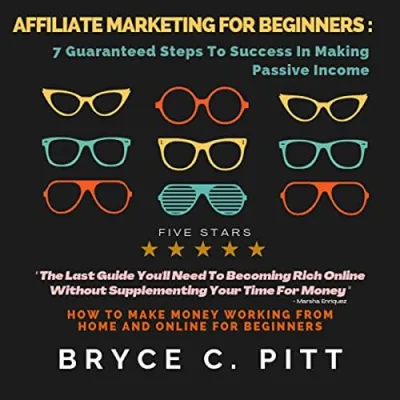
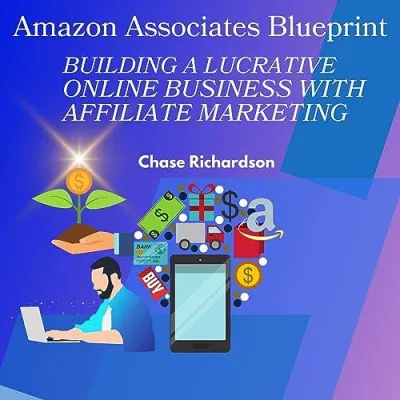
Prices are valid at publication and may change. Please refer to the product page for the latest price.
Evaluating the author’s background is equally critical when selecting your reading material. The internet is filled with self-proclaimed experts who generate income primarily by selling courses and books rather than practicing what they teach. Before purchasing, research the author to verify their real-world experience in affiliate marketing or digital advertising. Authors who have built actual affiliate sites, managed large-scale ad campaigns, or run successful e-commerce brands are far more likely to provide practical, realistic insights than those who focus purely on motivational theories.
Another key criterion is whether a book covers diverse traffic sources rather than relying on a single method. A book that teaches you how to build an affiliate business solely on one social media platform leaves you highly vulnerable to sudden algorithm changes. Look for resources that teach a holistic approach, combining search engine optimization (SEO), email marketing, and organic social media strategies. This multi-channel approach ensures that your affiliate business remains stable and resilient over the long term.
Finally, assess whether the book provides actionable templates, frameworks, or case studies that you can easily adapt to your own projects. The best books do not just explain theoretical concepts; they show you how to apply them through step-by-step exercises, copywriting formulas, and structural templates. When a book includes practical worksheets or real-world examples of successful campaigns, it becomes a functional tool that you can keep on your desk and refer to constantly as you build your first affiliate campaigns.
Essential Knowledge Categories for Your Reading List
To develop a well-rounded skill set, your reading list should not be limited to books with “affiliate marketing” in the title. Instead, you should categorize your reading into four essential pillars that together form a complete digital marketing education. The first pillar is foundational strategy, which focuses on the mechanics of the marketing funnel and the psychology of selling. These books teach you how to identify a profitable niche, understand customer pain points, and position your affiliate recommendations as genuine solutions rather than aggressive sales pitches.

The second pillar is content creation and copywriting, which is the actual vehicle for your affiliate links. No matter how good your strategy is, you will not generate conversions if your writing fails to engage readers. Books in this category teach you how to write attention-grabbing headlines, structure clear and honest product reviews, and craft persuasive calls to action. Learning how to write copy that builds trust is especially important in the local market, where consumers highly value authenticity and personal recommendations over corporate advertising.
The third pillar is traffic generation, which is the lifeblood of any affiliate business. You must understand how to drive consistent, high-quality visitors to your content. Your reading should cover search engine optimization (SEO) to help your product reviews rank on search engines, alongside organic social media strategies to build an active, loyal community. Understanding how search engines and social media algorithms distribute content allows you to optimize your articles and posts for maximum visibility without relying entirely on expensive paid ads.
The fourth pillar is local digital marketing and consumer behavior. While global books provide excellent strategic frameworks, they often overlook the unique cultural and logistical realities of the Philippine market. To bridge this gap, look for regional marketing guides, e-books, or industry reports that address local consumer habits. Understanding the high rate of mobile internet usage, the preference for conversational commerce through messaging apps, and the reliance on cash-on-delivery (COD) and local e-wallets will help you tailor your affiliate campaigns for maximum local conversion.
Comparing Book Types: Global Classics vs. Localized Guides
As you build your library, you will find a clear distinction between internationally recognized marketing classics and localized digital guides. Both formats offer distinct advantages and limitations, and understanding these trade-offs is key to creating a balanced learning plan.
| Book Type | Core Focus | Local Applicability | Typical Price Range | Best Use Case |
|---|---|---|---|---|
| Global Strategy Books | Timeless marketing psychology, funnel building, and SEO frameworks | Medium; requires translating US-centric examples to local platforms | ₱800 to ₱2,500 (Physical) / ₱300 to ₱1,200 (E-book) | Building a long-term strategic foundation and understanding consumer psychology |
| Localized E-books & Guides | Practical execution on regional e-commerce platforms and local payment habits | High; directly addresses local logistics, payment methods, and consumer behavior | ₱200 to ₱800 (Digital download) | Quick setup, understanding local compliance, and immediate platform execution |
Global strategy books are unmatched when it comes to teaching deep strategic frameworks and the fundamental psychology of persuasion. However, they almost exclusively use Western examples, referencing platforms like Amazon Associates or US-based financial services that may not have the same relevance or payout structures locally. Beginners who rely solely on these books may struggle to apply the concepts because they do not know how to navigate local logistics or regional affiliate networks.
Conversely, localized e-books and digital guides written by regional practitioners excel at practical, immediate execution. They show you exactly how to set up affiliate links on local shopping apps, how to leverage local social media trends, and how to handle payments and local taxes. However, these guides can sometimes lack deep strategic frameworks, focusing instead on short-term tactics that may stop working when platform policies change. Combining both types of books ensures you have the strategic depth to build a lasting business and the practical knowledge to execute it locally.
Adapting Global Strategies to Local E-commerce Platforms
To get the most value from global affiliate marketing books, you must learn how to translate their concepts into actionable steps for the local market. For example, when a classic marketing text discusses setting up an Amazon affiliate site, you should map that concept directly to regional e-commerce platforms and local brand affiliate programs. The core process of creating helpful content, inserting tracking links, and earning a commission on sales remains identical, but your execution will focus on the platforms where local consumers actually shop.
You must also adjust your target audience profiling to reflect local purchasing power and consumer habits. Western marketing books often assume high credit card adoption and desktop-first shopping. In the local landscape, your audience is overwhelmingly mobile-first, highly price-sensitive, and deeply reliant on cash-on-delivery or local mobile wallets. Your content must reflect these realities by highlighting budget-friendly product alternatives, explaining local shipping options clearly, and using relatable, conversational language—often a natural mix of English and Tagalog—to build genuine trust.
Finally, always verify local compliance and tax regulations, which are rarely covered in international publications. Running an affiliate marketing business in the Philippines requires you to understand your local tax obligations, including registering your business activities with the Bureau of Internal Revenue (BIR) and properly declaring your digital income. Additionally, practice transparent marketing by clearly disclosing your affiliate relationships on your website or social media pages, which not only complies with modern consumer protection standards but also strengthens your credibility with your audience.
Pre-Purchase Checks for Digital and Physical Books
Before spending your budget on new reading materials, performing a few quick quality checks can save you time and money. If you prefer digital reading, always verify the edition, language, and file format—such as EPUB or PDF—before finalizing your purchase. Ensure the format is fully compatible with your e-reader, tablet, or smartphone application so you can read comfortably without formatting errors or low-resolution text.
Be highly cautious when browsing online marketplaces, as they are frequently flooded with unauthorized, pirated digital copies of popular business books sold at suspiciously low prices. Purchasing these pirated files is not only unethical, but it also carries practical risks; these files are often poorly scanned, missing crucial chapters, or based on outdated editions that lack recent industry updates. To guarantee you receive complete, high-quality, and accurate content, purchase your books only from authorized publishers, official brand stores, or reputable digital bookstores.
Lastly, take the time to read independent customer reviews rather than relying solely on the book’s promotional description. Look for detailed feedback from other beginners to see if the book delivers on its promises. Pay close attention to reviews that mention whether the book provides actionable, step-by-step value or if it consists mostly of repetitive motivational filler. A book that receives specific praise for its practical frameworks and clear exercises is always a much better investment for an aspiring affiliate than one that relies on generic hype.
Frequently Asked Questions (FAQ)
Are there affiliate marketing books written specifically by Filipino authors?
While traditional, printed books dedicated exclusively to affiliate marketing by Filipino authors are relatively rare, many local digital marketing professionals publish high-quality e-books, comprehensive online guides, and structured digital courses. These localized resources are incredibly valuable because they focus directly on navigating regional e-commerce platforms, utilizing local payment gateways, and understanding the unique buying behaviors of local consumers. Combining these practical local guides with global marketing classics provides the most balanced and effective education for beginners.
Should I buy physical books or e-books for learning affiliate marketing?
E-books are highly advantageous for learning digital marketing because they can be updated quickly by authors to reflect rapid industry changes, and they are instantly accessible without shipping fees or delivery delays. However, physical books remain excellent for timeless marketing classics—such as foundational texts on copywriting, consumer psychology, and business strategy—where you may want to highlight key passages, write notes in the margins, and keep them on your desk as a permanent, easy-to-access reference.
How often should I update my affiliate marketing reading list?
You should treat your reading list as an active, evolving project. While foundational books on marketing strategy and copywriting only need to be read once or twice to grasp the core principles, your knowledge of traffic generation, SEO, and platform policies must be updated constantly. To keep your strategies current, supplement your book reading by regularly following reputable digital marketing blogs, listening to industry podcasts, and checking official platform policy updates at least once every quarter.

Community discussion
Share your experience or ask a question. Comments are reviewed before publication.