
Visual aids are indispensable tools for Catholic faith formation in the Philippines, transforming abstract historical, geographical, and theological concepts into clear, memorable journeys through salvation history. Whether preparing candidates for the Sacraments of Initiation through the Rite of Christian Initiation of Adults (RCIA), teaching children in parish Sunday schools, or leading weekly neighborhood Bible studies, utilizing high-quality bible charts maps and timeline resources can significantly enhance comprehension and engagement. In Philippine parishes—where teaching environments range from air-conditioned multi-purpose halls to open-air chapels exposed to tropical humidity—selecting the right physical and digital formats is key to long-term usability and educational impact. By focusing on doctrinal alignment, physical durability, and visual clarity, catechists and ministry leaders can provide a cohesive, visually rich faith formation experience that deepens the community’s relationship with Sacred Scripture.
The Role of Visuals in Catholic Faith Formation
Visual tools bridge the gap between ancient historical texts and the modern imagination. For catechumens and young students alike, the vast timeline of the Bible can feel overwhelming without a spatial anchor. A well-designed map or timeline helps learners visualize the physical reality of salvation history, transforming names on a page into real people who walked real roads. When students see the actual distance between Nazareth and Jerusalem, or trace the rugged path of the Exodus, the biblical narrative ceases to be a collection of distant myths and becomes a concrete historical reality.
In Catholic theology, history is the theater of God’s revelation. Visualizing the succession of biblical covenants—from Adam and Noah to Abraham, Moses, David, and ultimately Jesus Christ—allows students to see the continuity of God’s saving plan. It helps them understand that the Old Testament is not a discarded history but a necessary foundation fulfilled in the New Testament. By mapping these covenants visually, catechists can demonstrate how the promises made to the patriarchs find their perfect fulfillment in the life, death, and resurrection of Christ, and continue today through the Church.
Products mentioned in this guide
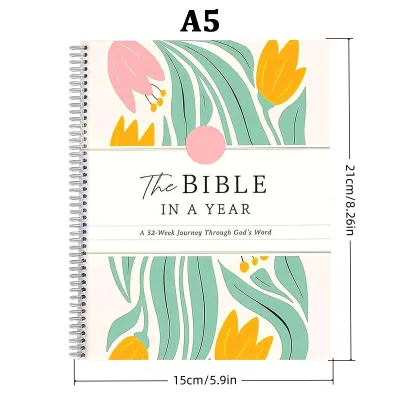
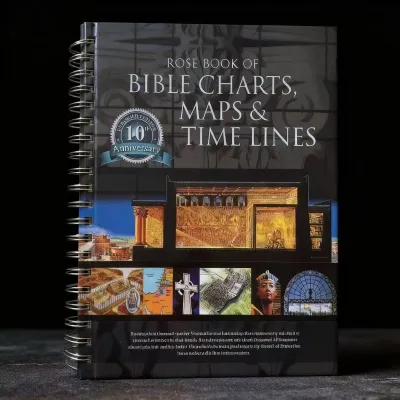
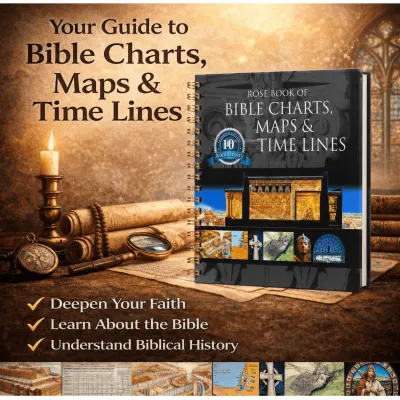
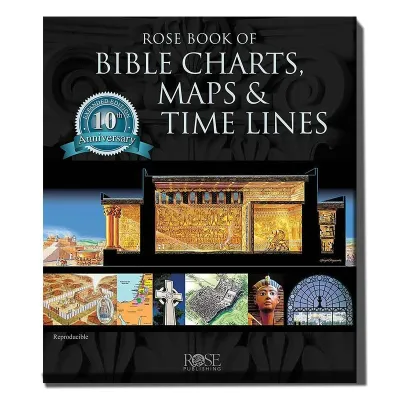

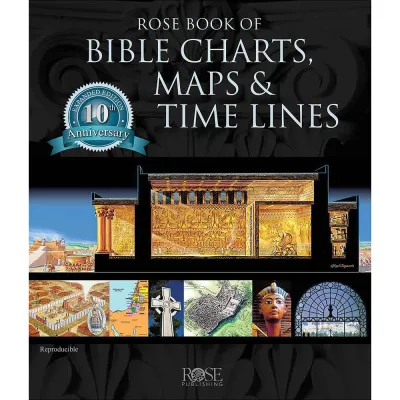
Prices are valid at publication and may change. Please refer to the product page for the latest price.
Furthermore, these visual aids must align seamlessly with the liturgical life of the Church. Unlike independent Bible studies that focus solely on textual analysis, Catholic parish ministry is deeply tied to the liturgical calendar and the Lectionary. When a catechist can point to a timeline and show how the Sunday Gospel readings connect to the Old Testament first readings, learners begin to experience the Mass as a cohesive, living narrative. This integration helps parish groups see how scripture, liturgy, and daily life flow together in a single stream of grace.
What to Look for in Catholic Bible Charts, Maps, and Timelines
Selecting the right visual materials requires careful evaluation to ensure they are orthodox, durable, and effective for group teaching. Parish leaders should use a practical checklist that addresses both theological content and physical specifications before purchasing any resource.

Doctrinal Alignment and Orthodoxy The primary consideration for any parish resource is doctrinal alignment. Ministry leaders should verify whether a visual chart or timeline carries an imprimatur and nihil obstat, or is produced by a recognized Catholic publisher. This ensures that typologies—such as linking the parting of the Red Sea to the Sacrament of Baptism—reflect orthodox Catholic theology rather than theological perspectives that omit the sacramental dimension of Scripture. It also ensures that the books of the Bible are represented in their entirety, including the Deuterocanonical books.
Visual Clarity and Legibility Visual clarity is a practical necessity in typical Philippine parish settings, where classes are often held in large, multi-purpose parish halls, outdoor corridors, or dimly lit classrooms. Text, legends, and color-coded pathways must be large and distinct enough to be legible from at least five to ten meters away. High-contrast designs, clear fonts, and simplified layouts prevent visual fatigue and keep easily distracted students focused on the lesson.
Durability in Tropical Conditions Durability is particularly critical under tropical conditions. High humidity, seasonal rains, and frequent handling by active children can quickly degrade standard paper resources. Ministry leaders should prioritize heavy-duty laminated materials, tear-resistant synthetic papers, or sturdy spiral-bound flip charts that can withstand moisture, dust, and repeated rolling or folding. Investing in water-resistant materials prevents mold growth and ensures the resources survive years of weekly use.
Translation Compatibility Always check translation compatibility. The Catholic Church in the Philippines primarily utilizes the New American Bible Revised Edition (NABRE) and the Revised Standard Version Catholic Edition (RSV-CE) for liturgical readings and study. Ensuring that the spellings of biblical names, places, and key passages on your visual aids match these approved translations prevents unnecessary confusion during group reading and scripture drills.
Best Formats for Catechism, RCIA, and Bible Study
Different parish ministries cater to diverse age groups and learning environments, meaning a single format may not suit every need. Categorizing visual tools by format helps parish coordinators allocate resources effectively across various educational programs.
Laminated Charts and Posters for Catechism Classrooms
For elementary and high school catechism classes, large-format laminated wall charts and interactive fold-out timelines are highly effective. These physical posters serve as permanent reference points in the classroom, allowing catechists to point to the relevant historical period whenever a new biblical figure is introduced. Bright, engaging illustrations help younger learners associate visual cues with key doctrines, such as the Ten Commandments or the seven sacraments.
When selecting these posters, look for double-sided lamination with a matte finish to reduce glare from fluorescent classroom lights or open windows. Desk-sized laminated maps are also excellent for small-group activities, allowing students to use dry-erase markers to trace the journeys of Abraham or the route of the Exodus during interactive sessions. These hands-on materials are robust enough to survive the energetic handling typical of youth groups and Sunday school classes.
Comprehensive Reference Books for RCIA and Adult Study
Adult learners and catechumens in the Rite of Christian Initiation of Adults (RCIA) require a deeper level of historical and theological detail. For these groups, comprehensive visual Bible atlases and specialized chart books are invaluable. These reference books offer detailed cross-sections of ancient temples, archaeological reconstructions, and complex theological charts that map out biblical typology, showing how Old Testament symbols prefigure New Testament sacraments.
Rather than relying on a single wall poster, adult study groups benefit from having individual or shared copies of a high-quality visual reference book. Look for editions that include detailed historical commentary, chronological tables, and maps showing the shifting borders of ancient empires. This depth of information helps mature learners appreciate the socio-political realities of the biblical world, fostering a more intellectual and contemplative approach to scripture study.
Digital and Projector-Friendly Resources for Large Groups
For large-scale parish assemblies, family catechism days, or parish-wide Bible studies held in large social halls, digital slides and projector-friendly resources are the most practical choice. High-resolution digital maps and downloadable slide decks allow catechists to project clear, scalable visuals onto large screens or white walls, ensuring that everyone in a crowd of dozens or hundreds can follow along.
Before investing in digital assets, parish coordinators must verify file formats, device compatibility, and licensing agreements. Ensure the digital package includes permissions for parish-wide projection and distribution of digital handouts. It is also wise to test how these digital charts render on standard parish projectors, which may have lower resolution or color contrast compared to modern computer monitors. Having offline copies stored on a USB drive is a reliable backup plan in case of parish internet outages.
Practical Ways to Use Visuals in Parish Lessons
Having the right tools is only half the battle; catechists must also know how to integrate them dynamically into their lessons. Using a variety of teaching methods ensures that different learning styles are accommodated during parish formation sessions.
Connecting Timelines to the Liturgical Year Integrating timelines effectively requires connecting historical events to the current liturgical life of the parish. For example, during Advent, a catechist can use a salvation history timeline to trace the prophetic promises of the Messiah, showing how God prepared humanity over centuries for the Incarnation. During Lent, the timeline can highlight the wilderness journey of Israel, drawing parallels to the parish’s Lenten practices of prayer, fasting, and almsgiving. This visual link helps students see that the liturgical seasons are not arbitrary celebrations but active participations in an ongoing sacred history.
Mapping the Journeys of Faith When teaching biblical geography, maps should be treated as active narratives rather than static displays. Instead of merely pointing to a city, trace the physical paths of St. Paul’s missionary journeys to illustrate the sheer scale of his travels and the challenges faced by the early Church. Showing the mountainous terrain of Judea or the arid wilderness of the Sinai Peninsula helps students appreciate the physical endurance and faith required by biblical figures, making their spiritual journeys more relatable to modern believers.
Explaining Sacraments through Typology Charts Typology charts are exceptionally powerful for explaining the Sacraments and the structure of the Holy Mass. Catechists can use a chart to visually link the Old Testament Passover lamb, the manna in the desert, and the bread of the Presence with the Holy Eucharist. This side-by-side comparison makes the theological concept of “typology” immediately accessible, showing how the liturgy of the Mass is deeply rooted in ancient covenantal worship and fulfilled in Christ.
Fostering Interactive and Hands-On Learning To maximize engagement, incorporate interactive learning techniques that require students to handle or modify the visuals. Provide small groups with laminated desk maps and dry-erase markers to plot the cities visited by Jesus, or use a set of scrambled timeline cards that students must arrange in chronological order on a table. This hands-on approach shifts the lesson from passive listening to active discovery, which significantly improves retention across all age groups, from young children to adult RCIA candidates.
Sharing Visual Resources Across Parish Ministries
Because parish budgets in the Philippines are often carefully managed, purchasing separate visual aids for every single ministry is rarely practical. Instead, parish pastoral councils should select versatile, high-quality resources that can serve multiple groups, such as a comprehensive biblical atlas that serves as a reference for youth ministers, catechists, and the parish worship committee. Investing in a few premium, highly durable items is far more cost-effective than buying cheap, easily damaged alternatives for individual classrooms.
To preserve these shared assets against tropical humidity, dust, and pests, the parish catechetical center should establish a centralized storage and cataloging system. Storing laminated posters flat in large drawers or hanging them on specialized racks prevents creasing and cracking. Placing silica gel packets in storage bins containing reference books and keeping digital files backed up on a shared parish cloud drive ensures that these valuable teaching tools remain accessible and in excellent condition for years to come. Establishing a simple sign-out sheet for catechists helps track the location of resources and ensures accountability across different ministry teams.
Frequently Asked Questions (FAQ)
Where can parishes in the Philippines purchase authentic Catholic Bible charts and maps?
Parishes can find authentic Catholic visual resources at established diocesan pastoral centers, local Catholic bookstores, and authorized online distributors of religious educational materials. When purchasing online or from international publishers, it is highly recommended to verify the specific edition, check for bulk discounts for parish communities, and confirm shipping times to ensure the materials arrive before the start of the catechetical year.
Do Catholic Bible maps and timelines need to include the Deuterocanonical books?
Yes, comprehensive Catholic maps and timelines should include the historical and geographical context of the Deuterocanonical books, such as the regions and events described in the Books of Tobit, Judith, and the Maccabees. Including these periods is essential for presenting a complete, orthodox biblical timeline, as these books bridge the historical gap between the late Old Testament period and the coming of Christ, offering crucial context for the world of the New Testament.
Community discussion
Share your experience or ask a question. Comments are reviewed before publication.