
If you are looking to buy your first electric guitar in the Philippines with a budget of ₱15,000, the short answer is: yes, you can absolutely get a high-quality, reliable instrument that will last for years. At this price point, the key to making a smart purchase is prioritizing structural integrity, tuning stability, and neck comfort over premium brand logos or flashy cosmetic upgrades. By focusing your budget on what physically matters for your hands and ears, you can avoid the common pitfalls that cause many beginners to give up early.
Setting Realistic Expectations for a ₱15,000 Budget
When shopping for electric guitars in the Philippine market, a budget of ₱15,000 is a highly practical sweet spot. This amount is more than enough to secure a well-constructed, standalone entry-level guitar from a reputable manufacturer. However, it is crucial to understand what this budget actually covers. If you spend the entire ₱15,000 on the guitar itself, you are looking at an instrument with solid hardware, decent pickups, and excellent playability. If you try to stretch that same budget to cover a full “starter pack” that includes an amplifier, gig bag, cable, strap, and tuner, the quality of the guitar itself will naturally decrease to accommodate those extra accessories.
At this price tier, manufacturers must make choices on where to spend their production costs. You will not find premium tonewoods like solid flame maple tops, high-end brand-name pickups, or advanced locking hardware. Instead, your money goes toward basic, reliable engineering. The focus of a budget-friendly electric guitar should always be structural soundness. A good entry-level instrument uses stable, seasoned woods that can withstand environmental changes, paired with functional electronics that do not crackle or cut out during practice.
Products mentioned in this guide
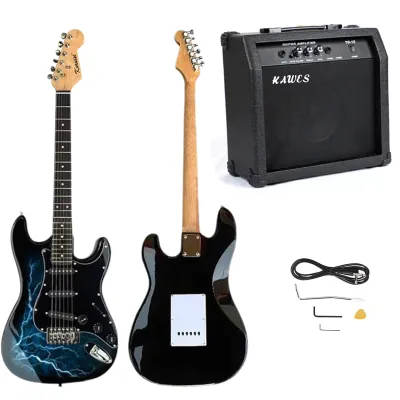
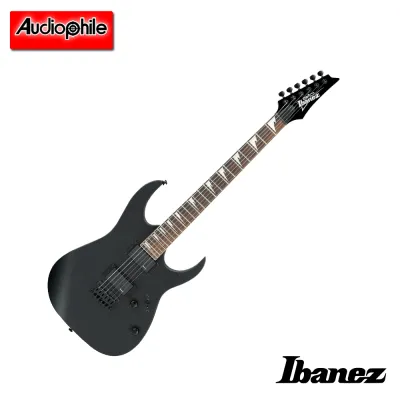
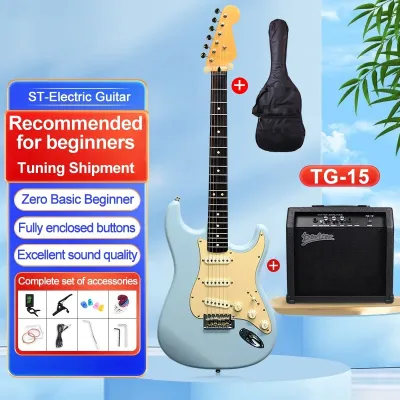
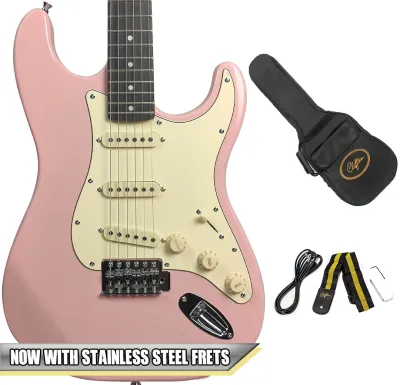
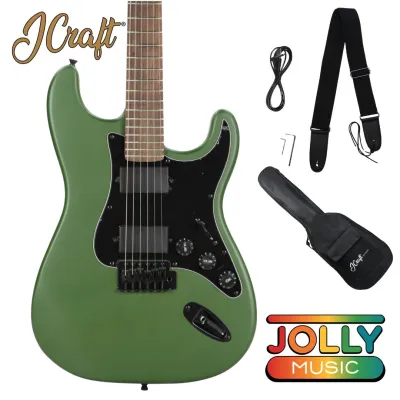
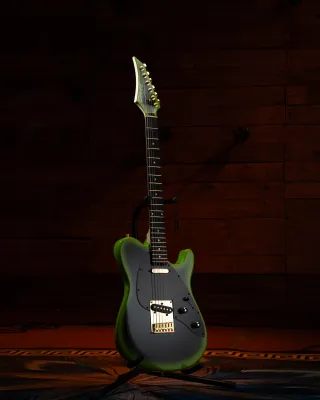
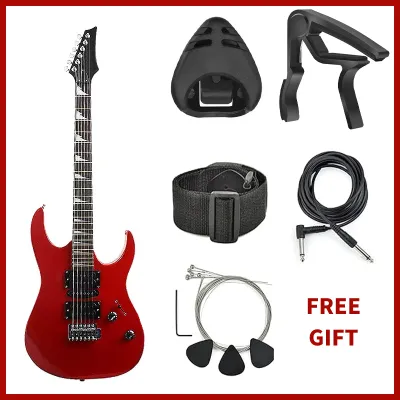
Prices are valid at publication and may change. Please refer to the product page for the latest price.
Your primary decision logic when evaluating these guitars should center on playability and tuning stability. A guitar that constantly slips out of tune or has strings that are painful to press down will quickly discourage you from practicing. If an instrument feels comfortable in your hands and stays in tune for an entire practice session, it has fulfilled its most important job, regardless of how much it cost or what name is printed on the headstock.
Essential Features to Prioritize (and What to Compromise On)
Navigating the specifications of electric guitars can be overwhelming for a beginner. To get the most value for your ₱15,000, you need to know which features are non-negotiable for your progress and which ones you can safely compromise on without affecting your learning experience.

Non-Negotiables for Playability
- Comfortable Neck Profile: The neck of the guitar is where your hand will spend all of its time. For most beginners, a modern "C" shape neck profile offers the best balance of grip and comfort, preventing hand fatigue during long practice sessions. Look for a smooth satin finish on the back of the neck rather than a thick, sticky gloss finish, as satin allows your hand to slide up and down the fretboard with much less friction.
- Adjustable Truss Rod: The tropical climate of the Philippines, characterized by high humidity and seasonal temperature shifts, causes wood to expand and contract. A fully functional, adjustable truss rod inside the neck is absolutely non-negotiable. This metal rod allows you or a technician to adjust the curvature of the neck, preventing warping and keeping the strings at a comfortable height.
- Smooth Fret Edges: Run your hand along the sides of the neck. The metal fret wires should be filed down smoothly. If they stick out or feel sharp (a common issue known as "fret sprout"), they can scratch your fingers and make playing painful. Properly finished fret edges are a clear sign of attentive factory quality control.
- Stable Tuning Machines: Sealed die-cast tuning pegs are essential. They hold the tension of the strings much better than cheap, open-gear tuners, ensuring you spend your time playing rather than constantly retuning your instrument.
- Adjustable Bridge: The bridge must allow you to adjust both the height of individual strings (action) and their length (intonation). This ensures the guitar can be customized to your playing style and will play in tune all the way up the fretboard.
Acceptable Compromises
- Budget Body Woods: Do not worry about debates over "tonewoods" like alder, ash, or mahogany. At this price point, alternative woods like basswood, poplar, or agathis are standard, lightweight, and perfectly adequate. They provide a stable structural base for the guitar and have very little impact on the plugged-in tone of an entry-level instrument.
- Ceramic Pickups: While high-end guitars often feature alnico pickups for a warmer tone, standard ceramic pickups are common in budget guitars. They are bright, clear, and highly responsive, making them excellent for practicing everything from clean chords to distorted rock riffs.
- Simple Pickup Configurations: A versatile pickup layout like an HSS (Humbucker-Single-Single) configuration is highly recommended for beginners. The humbucker pickup in the bridge position reduces unwanted background hum when using distortion, while the single-coils offer classic, bright tones. Avoid overly complex switching systems or active pickups that require batteries, as they add unnecessary cost and points of failure.
- Basic Aesthetics: Avoid paying extra for flame maple veneers, gold-plated hardware, or intricate fretboard inlays. These cosmetic details look nice but do not improve how the guitar plays or sounds. A simple, solid-color finish is much more cost-effective and allows the manufacturer to spend more of the budget on structural quality.
Guitar-Only vs. Starter Bundles: Maximizing Your Budget
One of the biggest decisions you will face is whether to buy a standalone electric guitar or a pre-packaged starter bundle. Both paths have distinct advantages, but understanding the trade-offs is key to maximizing your ₱15,000.
Buying a standalone guitar means dedicating your entire budget to the instrument itself. This approach almost always yields a guitar with superior build quality, better fretwork, and more reliable hardware. However, you will need to purchase an amplifier and accessories separately, which can push your total initial investment past your target budget if you are not careful.
Starter bundles are highly convenient because they provide everything you need to play right out of the box, including a small practice amplifier, a cable, a strap, gig bag, and picks. The hidden trade-off here is the quality of the components. To keep the bundle price under ₱15,000, manufacturers often pair a lower-tier guitar with a very basic, low-wattage amplifier. These small bundle amps often produce a thin, buzzy tone that can make even a well-played chord sound unpleasant, which can be highly discouraging for a new player.
Additionally, if you are purchasing your gear online, you must factor in hidden costs such as shipping fees. Guitars and amplifiers are heavy, bulky items, and shipping them across the Philippines can add a significant amount to your final bill. Buying from local physical music stores can save you these shipping costs and often allows you to try the instrument before paying.
If you want to maximize your budget, consider a modern alternative setup. If you already own a computer, tablet, or smartphone, you can skip the traditional amplifier entirely. By investing a small portion of your budget in a simple USB audio interface or a plug-in headphone amplifier, you can use free or affordable amp-simulation software. This allows you to spend the vast majority of your ₱15,000 on a high-quality standalone guitar while still enjoying excellent, realistic tones through your headphones or home speakers.
Quality Traps and Red Flags to Avoid
When browsing online marketplaces or local shops, it is easy to be swayed by attractive deals. However, the budget guitar market has several quality traps that can lead to buyer’s remorse if you do not know what to look for.
The most dangerous trap is the counterfeit market. If you see an online listing offering a famous premium brand model (such as a Gibson, Fender, or high-end Ibanez) for under ₱15,000, it is almost certainly a counterfeit. These replica guitars are made with sub-standard materials, lack functional truss rods, use hazardous electrical wiring, and carry absolutely no warranty. They are difficult to play, impossible to set up correctly, and have zero resale value.
Similarly, be cautious of unbranded, “OEM,” or white-label guitars sold by generic online retailers. These instruments often bypass basic quality control checks. They frequently arrive with warped necks, loose input jacks, or faulty pickups, and because they lack a legitimate brand name, finding replacement parts or getting customer support is incredibly difficult. Stick to established, recognized budget brands that have a reputation to uphold.
When inspecting a guitar in person or immediately after it is delivered to your home, use this quick physical checklist to spot manufacturing defects:
- Excessively High Action: If the strings sit very far off the fretboard, especially near the body, the neck may be warped or the bridge may be set incorrectly, making the guitar incredibly difficult to play.
- Fret Buzz: Play every single note on every string. If you hear a harsh metallic buzzing sound on specific frets, it indicates that the frets are unevenly leveled.
- Loose or Crackling Electronics: Plug the guitar into an amp and turn the volume and tone knobs. If you hear loud crackling sounds, or if the input jack feels loose and cuts the signal, the internal soldering is poor.
- Warped Neck: Look down the edge of the neck from the headstock toward the body. The neck should have a very slight, uniform relief (curve). If it twists to one side or looks like an "S" shape, do not buy it.
Always verify the seller’s reputation, check their return policy, and ask about the local warranty terms before finalizing your purchase. A reputable dealer will gladly offer a return window if the instrument arrives with structural defects.
Next Steps: Setup and Maintenance for Budget Guitars
Once you have purchased your electric guitar, there is one final step that can make a massive difference in how much you enjoy playing it: a professional setup.
A “guitar setup” is a series of adjustments made to the instrument to optimize its playability. This includes adjusting the truss rod tension to ensure the neck has the correct amount of relief, filing the nut slots so the strings sit at the perfect height near the headstock, adjusting the bridge saddles to lower the action, and setting the intonation so the guitar plays perfectly in tune across all frets.
Mass-produced budget guitars are built quickly in factories and shipped in cargo containers across different climate zones. By the time they arrive in the humid environment of the Philippines, the wood has settled, and the factory setup is rarely optimal. The strings are often set too high, making the guitar feel stiff and difficult to play.
To prevent beginner frustration, it is highly recommended to set aside roughly ₱1,000 to ₱2,000 of your budget to have a local luthier or experienced music shop technician perform a basic setup on your new guitar. This small investment can transform a hard-to-play, budget-friendly instrument into a smooth, comfortable guitar that feels and plays like a much more expensive model.
Finally, keeping your guitar in good condition requires simple, consistent maintenance. The high humidity in the Philippines can quickly rust your strings and tarnish your hardware. Always wipe down the strings, neck, and bridge with a dry microfiber cloth after every playing session to remove sweat and oils. When you are not playing, store your guitar inside a padded gig bag to protect it from dust, sudden temperature changes, and excess moisture.
Frequently Asked Questions (FAQ)
Do I need to buy an amplifier with my first electric guitar?
No, you do not strictly need a traditional amplifier to start learning. While an electric guitar is very quiet when unplugged, you can practice silently by using a budget-friendly headphone amplifier that plugs directly into your guitar’s output jack. Alternatively, you can connect your guitar to a computer, tablet, or smartphone using a USB audio interface and practice using amp-simulation apps. This setup is highly affordable, portable, and ideal for practicing in apartments or late at night without disturbing others.
Is it better to buy a used electric guitar to get more value for ₱15,000?
Buying a used guitar can be an excellent way to get a higher-tier instrument with better hardware and woods within your ₱15,000 budget. However, the second-hand market carries risks for absolute beginners, such as hidden structural damage, worn-out frets, or faulty electronics that are hard to spot without experience. If you decide to buy used, try to bring an experienced guitar player with you to inspect the instrument in person, or purchase from a reputable music store that offers a warranty on used gear.
Community discussion
Share your experience or ask a question. Comments are reviewed before publication.