
Introducing a child to music is one of the most rewarding decisions a parent can make, fostering cognitive growth, motor skills, and creative expression. Among the various instruments, the drums stand out as an exceptional outlet for high-energy children, helping them develop physical coordination and a strong sense of rhythm. However, finding the right drummer set for kids boy or girl in the Philippines requires balancing several practical factors, from the child’s physical size to the layout of your home. A drum kit that is too large can discourage a young learner, while one that is too loud might strain relationships with neighbors in high-density residential areas.
By focusing on age-appropriate ergonomics, space constraints, and the distinct characteristics of acoustic versus electronic instruments, parents can make an informed investment. The goal is to provide a setup that feels comfortable, remains safe for growing joints, and fits seamlessly into the Filipino household. This guide outlines the essential considerations to help you select a beginner drum set that inspires consistent practice and turns early rhythm exploration into a lifelong musical journey.
Choosing the Right Drummer Set for Kids Boy or Girl: Fit, Ergonomics, and Space
Selecting a drum kit for a child involves much more than simply buying a scaled-down version of an adult instrument. One of the most common mistakes parents make is purchasing a full-sized adult drum set with the expectation that the child will eventually grow into it. Adult-sized kits are physically unsuitable for young children, posing significant ergonomic challenges. When a child attempts to play a kit that is too large, they are forced to overextend their arms to reach the cymbals and mounted toms, leading to shoulder and upper back strain. Furthermore, reaching down to press the bass drum and hi-hat pedals can cause hip misalignment and lower back fatigue. Over time, these awkward physical adjustments can lead to poor posture habits, physical discomfort, and ultimately, a loss of interest in playing the instrument altogether.
Products mentioned in this guide
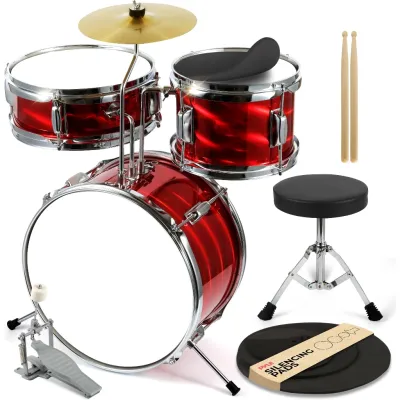

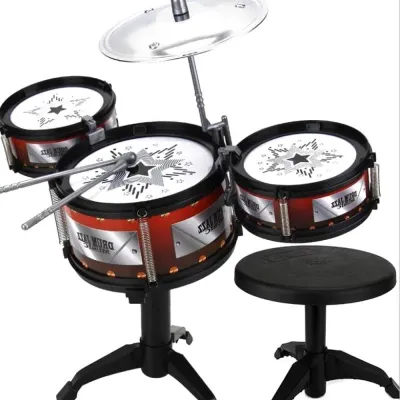
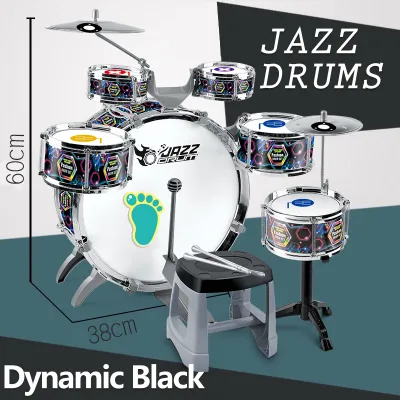
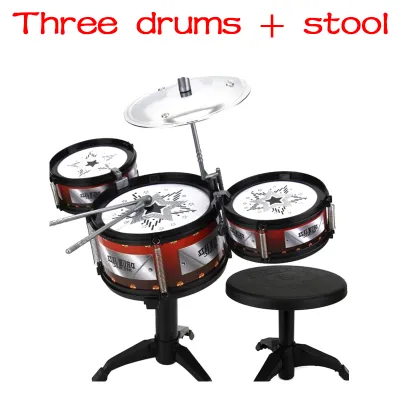
Prices are valid at publication and may change. Please refer to the product page for the latest price.
To ensure a safe and comfortable playing experience, parents must measure the child’s height and inseam before making a purchase. Proper drum ergonomics require that when the child sits on the drum throne, their thighs are parallel to the floor or angled slightly downward, with their feet resting flat on the pedals. The snare drum should sit approximately two inches above the child’s knees, allowing them to strike the drumhead without hitting their thighs or bending their wrists at unnatural angles. If the child’s legs are too short to reach the pedals while keeping their back straight, the kit is too large. Ensuring that the child can comfortably reach every component of the drummer set for kids boy or girl encourages correct posture and proper technique from their very first practice session.
In addition to physical measurements, the layout and construction of your home must serve as a primary decision filter. In the Philippines, residential spaces vary widely, from spacious suburban houses in provinces to compact, high-rise condominiums in metropolitan areas like Manila, Cebu, and Davao. Acoustic drums produce high-volume sound waves that easily penetrate concrete walls and floors, which can quickly lead to noise complaints in shared-wall environments. Conversely, standalone houses with dedicated playrooms or garages offer more flexibility for louder acoustic play. Additionally, the tropical climate of the Philippines introduces environmental factors like high humidity, which can cause cheap wood drum shells to warp or metal hardware to rust if left in non-air-conditioned spaces. Evaluating your living environment and climate control options beforehand will instantly narrow down whether an acoustic or electronic setup is the more practical choice.
Acoustic vs. Electronic Drum Sets: Which is Better for Beginners?
Deciding between an acoustic and an electronic drum set is the most pivotal choice a parent will make. Acoustic junior kits offer the traditional drumming experience, characterized by real physical vibration, organic sound projection, and natural dynamic response. When a child strikes an acoustic drum, they feel the immediate physical feedback of the stick rebounding off a tensioned mylar head, which is highly beneficial for developing muscle memory and touch sensitivity. However, acoustic kits are inherently loud, often exceeding 100 decibels during enthusiastic play. This level of volume requires a dedicated, isolated space where the sound will not disrupt household activities or nearby neighbors.

Safety must be a top priority when choosing an acoustic kit. Because children’s ears are highly sensitive and still developing, prolonged exposure to high-decibel sounds can lead to permanent hearing damage or tinnitus. Therefore, acoustic drums require proper hearing protection for children to prevent hearing impairment. Parents must ensure that their child wears high-quality earmuffs or specialized musician earplugs every single time they sit down to play. If consistent use of hearing protection or noise management is not feasible in your household, an acoustic kit is likely not the right option.
Electronic drum sets offer a highly versatile, volume-controlled alternative that is ideal for modern Filipino households. These kits consist of electronic pads mounted on a compact rack, which send signals to a digital sound module when struck. The primary advantage of an electronic kit is the ability to plug in headphones, allowing the child to practice silently while parents and neighbors enjoy quiet surroundings. Electronic kits also feature a much smaller physical footprint than acoustic kits, making them easy to tuck into the corner of a bedroom or living room.
When comparing the playing feel, electronic kits typically utilize either mesh heads or rubber pads. Mesh heads consist of a woven fabric material that closely mimics the rebound and tension of a real acoustic drumhead. They are highly recommended because they provide a realistic playing feel, cause less physical shock to the child’s wrists, and operate much more quietly than rubber pads. Rubber pads are highly durable and budget-friendly, but they have a stiff feel and lack the organic rebound of mesh, which can make transitioning to an acoustic kit more difficult later on.
To simplify the decision, parents can use a straightforward decision matrix. If you live in an apartment, condominium, or townhouse with shared walls, an electronic drum set with mesh heads is the superior choice due to its volume control and compact size. If you live in a standalone home with ample space, do not have close neighbors sensitive to noise, and are committed to enforcing the use of hearing protection, an acoustic junior kit is an excellent choice that prioritizes authentic acoustic dynamics and traditional performance techniques.
Essential Features to Check Before Buying
Before finalizing any purchase, parents must carefully examine the hardware and technical specifications of the drum set to ensure safety, durability, and ergonomic suitability. The quality of the hardware determines not only how long the kit will last but also how well it can adapt to a growing child.
First, prioritize highly adjustable hardware. A high-quality beginner kit should feature a drum throne with a secure height-adjustment mechanism, such as a spindle or a robust bolt-lock system, rather than a cheap friction-post that can slip under weight. The snare stand and cymbal stands must also offer adjustable height and tilt angles. As your child grows, you will need to raise and reposition these components to maintain proper playing posture. Additionally, parents should always check product labels and manufacturer specifications for weight limits on the drum throne to prevent accidental collapses and injuries.
Second, evaluate the quality of the bass drum pedal. The pedal mechanism should be smooth, responsive, and equipped with adjustable spring tension. Cheap, stiff pedals require excessive physical force to press down, which can quickly strain a child’s ankle and calf muscles, leading to fatigue and poor technique. A responsive pedal allows the child to develop proper foot-control mechanics without unnecessary physical strain.
Third, pay attention to the size and weight of the drumsticks. Standard adult drumsticks, such as 5A or 5B models, are often too heavy and thick for a child’s hands. Using oversized sticks forces the child to grip too tightly, which can lead to wrist strain and restrict natural hand movement. Instead, look for lighter and thinner 7A drumsticks or specialized junior-sized sticks. These lighter models help prevent joint strain and encourage the development of a relaxed, proper grip.
Finally, if you decide on an electronic drum set, verify the inclusion of essential digital features that support learning. The drum module should include a built-in metronome, which is critical for helping beginners develop a steady sense of time. Look for modules that offer interactive coaching functions, built-in play-along tracks, and auxiliary or Bluetooth inputs. These inputs allow the child to connect a smartphone or tablet, enabling them to play along with educational apps or their favorite songs, making practice sessions much more engaging.
Recommended Drum Set Categories by Age and Skill Level
To help you navigate the wide variety of options available, beginner drum sets can be categorized by the child’s developmental stage. Focusing on the specific type and form factor of the kit ensures that the instrument matches your child’s physical capabilities and learning goals.
For Toddlers and Preschoolers (Ages 3–5)
For very young children, the primary goal of introducing drums is basic rhythm exploration, hand-eye coordination, and motor skill development rather than formal drumming technique. At this stage, a simple 3-piece junior acoustic kit—consisting of a small bass drum, a snare drum, one mounted tom, and a single cymbal—is highly appropriate. Alternatively, basic electronic tabletop tap pads offer a compact, non-intrusive way for toddlers to explore sounds.
When selecting a kit for this age group, focus on lightweight materials, rounded edges, and minimal setup requirements. These sets should be highly durable to withstand enthusiastic, uncoordinated strikes. Because these kits are designed for early play, they do not require complex tuning or high-end hardware, making them an affordable way to test your child’s interest before investing in a more advanced instrument.
For Early Elementary Kids (Ages 6–9)
Children in the early elementary age bracket are physically and cognitively ready for structured drum lessons and basic beat patterns. For this group, a 4-piece or 5-piece junior acoustic kit with scaled-down shells, such as a 16-inch or 18-inch bass drum, is highly recommended. These smaller shell sizes allow the mounted toms to sit low enough for the child to reach them comfortably without straining.
If noise is a concern, an entry-level electronic drum kit featuring a mesh snare head is an exceptional alternative. The mesh head provides a realistic rebound that helps the child develop proper wrist strokes and rebound control. At this stage, a sturdy, adjustable drum throne is an absolute necessity. Because practice sessions will become longer and more structured, a high-quality throne is vital to support the child’s spine and encourage a healthy, upright playing posture.
For Pre-Teens and Older Beginners (Ages 10+)
Pre-teens and older beginners will quickly outgrow junior-sized drum kits, making it more practical to look for intermediate options that bridge the gap to adult-sized instruments. For acoustic setups, compact “shell packs” or “bop kits” featuring a 20-inch bass drum are ideal. These kits offer a smaller footprint than standard rock kits but deliver a mature, high-quality sound that can easily transition into high school band performances.
For electronic options, look for mid-tier electronic kits equipped with full-sized mesh pads on all drums, including a dedicated mesh bass drum tower that accommodates a real bass drum pedal. These advanced kits should feature dual-zone cymbals, which allow the player to trigger different sounds by striking the edge or the bow of the cymbal, and support cymbal choking (muting the sound by grabbing the cymbal). These features are essential for older beginners to practice advanced dynamic expression and nuanced playing techniques.
Buying Locally: What to Verify Before Checkout
When purchasing a drum set in the Philippines, taking a few precautionary steps before checking out can save you from potential headaches regarding product authenticity, safety, and warranty coverage.
First, always buy from authorized local music retailers, official brand stores on major e-commerce platforms, or established physical music shops. Purchasing from authorized sources ensures that you receive a genuine product rather than a counterfeit model made with substandard, hazardous materials. It also guarantees access to local warranty coverage and after-sales support, which is invaluable if a component breaks or requires replacement parts.
Second, pay close attention to electrical safety when purchasing an electronic drum set. Electronic drum modules rely on external power adapters to function. You must verify that the included power adapter is fully compatible with the standard Philippine electrical grid, which operates at 220V and 60Hz. Some imported kits may ship with 110V adapters intended for other regions. Plugging a 110V adapter directly into a Philippine outlet will damage the electronic module, create a serious electrical hazard, and void your warranty. If the kit does not include a compatible 220V adapter, consult the retailer or a qualified professional to source a safe, certified replacement.
Finally, keep assembly safety in mind when setting up the kit at home. While assembling a drum set is a low-risk task, improper installation can damage the instrument. Avoid overtightening the tension rods on acoustic drumheads, as this can strip the metal threads or warp the drum hoops. Similarly, do not overtighten the wing nuts on cymbal stands, as cymbals need room to swing freely to dissipate the energy of a strike; rigid mounting can cause the metal to crack around the center hole. Always strictly follow the manufacturer’s assembly manual. If any instructions are unclear, or if you suspect parts are missing, stop assembly immediately and consult a professional drum technician or the retailer for guidance.
Frequently Asked Questions (FAQ)
At what age should a child start taking formal drum lessons?
While basic rhythm play and exploration can start as early as age 3, formal, structured drum lessons are generally most effective around age 6 or 7. At this developmental stage, children have the necessary attention span, basic reading comprehension to understand rhythmic notation, and the physical coordination required to sync their hands and feet independently.
Do electronic drum sets feel the same as acoustic drums?
Electronic drum sets do not feel exactly the same as acoustic drums, though modern mesh-head technology has closed the gap significantly. High-quality mesh heads provide a realistic rebound that closely mimics an acoustic drumhead, and their tension can be adjusted with a standard drum key. In contrast, cheaper rubber pads feel much stiffer and lack organic rebound. While fundamental coordination skills transfer seamlessly between the two, mastering acoustic dynamics eventually requires practice on a real acoustic kit.
How can I reduce the noise of an acoustic drum set at home?
To minimize the volume of an acoustic drum set, you can install mesh practice heads and low-volume metal cymbals, which reduce acoustic noise by up to 80% while retaining a realistic playing feel. Placing rubber mute pads over existing heads is another quick, reversible solution. To prevent low-frequency vibrations from traveling through the floor, place the kit on a thick carpet or construct a DIY isolation riser using interlocking foam tiles. Even with noise reduction, the player must still wear proper hearing protection.
Community discussion
Share your experience or ask a question. Comments are reviewed before publication.