
Choosing a first drum kit in the Philippines requires balancing musical ambition with practical living conditions. The primary decision hinges on whether you have the physical space and noise tolerance for a traditional acoustic kit or if the compact, silent nature of an electronic kit fits your lifestyle better. By evaluating your practice environment, understanding what comes in a standard package, and knowing how to verify hardware quality, you can secure a reliable instrument that supports your learning journey for years to come.
Acoustic vs. Electronic: Choosing the Right Drum Kit for Your Space
Acoustic kits are loud. In typical Philippine residential settings—such as densely packed subdivisions, row houses, or high-rise condominiums in Metro Manila—the sheer volume of an acoustic drum kit can quickly lead to neighbor complaints. Acoustic drums produce sound waves that easily penetrate concrete walls and wooden partitions. Additionally, the tropical climate means open windows are common for ventilation, allowing high-decibel sound to travel freely across the neighborhood.
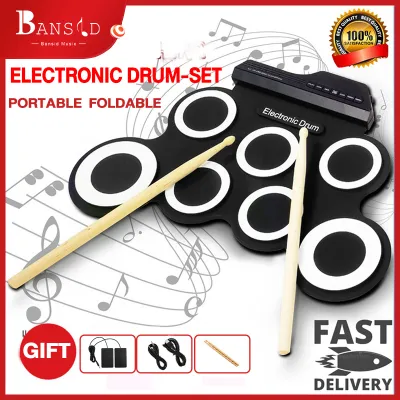
Electronic drum kits offer a practical alternative for noise-sensitive environments. By routing the sound through headphones, you can practice at any hour without disturbing family members or neighbors. The physical footprint of an electronic kit is also significantly smaller, often fitting neatly into a corner of a bedroom or a small studio unit. However, keep in mind that even electronic kits are not completely silent; the physical thud of the bass drum pedal and the tapping of sticks on rubber or mesh pads can still transmit low-frequency vibrations through concrete floors, which may require a dampening mat or platform.
Products mentioned in this guide
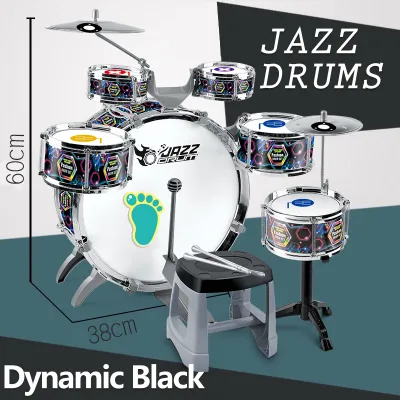
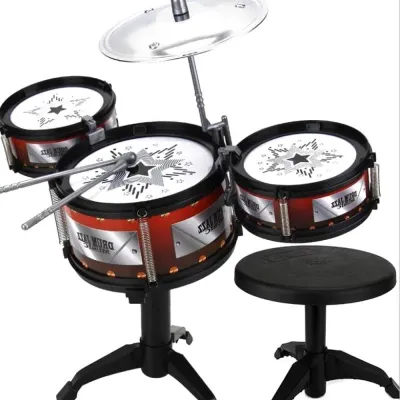
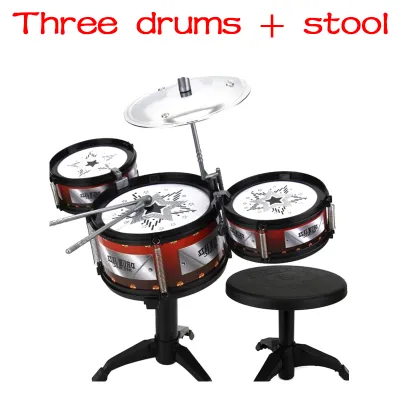
Prices are valid at publication and may change. Please refer to the product page for the latest price.
The trade-offs extend to physical feel and sound authenticity. Acoustic drums provide natural rebound, organic dynamic range, and physical feedback that helps beginners develop proper stick technique and wrist strength. Electronic kits, especially budget-friendly models, may have smaller pads and a different rebound profile, though modern mesh heads closely mimic the tension of real drum heads. Setup complexity also differs: acoustic kits require manual tuning and occasional head replacements, while electronic kits require managing cables, power sources, and module settings.
Essential Features to Evaluate in a Beginner Drum Kit
When evaluating a beginner drum kit, the shell material is a primary factor in both tone and long-term durability. Entry-level acoustic kits typically feature shells made of poplar, basswood, or mahogany blends. In the humid tropical climate of the Philippines, wood is susceptible to warping if exposed to extreme moisture fluctuations. Look for shells with clean, well-sealed bearing edges and robust interior laminates to ensure the drums remain round and tunable over time.

Hardware stability is just as critical as the drums themselves. A beginner kit must withstand repetitive, high-impact physical force. Examine the stands, mounting arms, and pedals carefully. Double-braced legs on cymbal and snare stands offer superior stability compared to thin, single-braced alternatives, preventing the stands from wobbling or tipping during intense practice sessions. The bass drum pedal should have a solid base plate or sturdy radius rods, a smooth chain drive, and adjustable spring tension so you can customize the resistance as your footwork improves.
Drum heads and tuning tools are the final piece of the physical evaluation. Factory-installed heads on budget kits are often thin, single-ply plastic designed for display rather than longevity. While they are sufficient for your first few weeks of basic patterns, you should expect to replace them with high-quality, double-ply heads as your stroke power increases. Ensure the kit includes a standard drum key, as regular tuning is essential to keep the drums sounding pleasant and to prevent the tension rods from vibrating loose during play.
Decoding Entry-Level Drum Packages: What Is Actually Included?
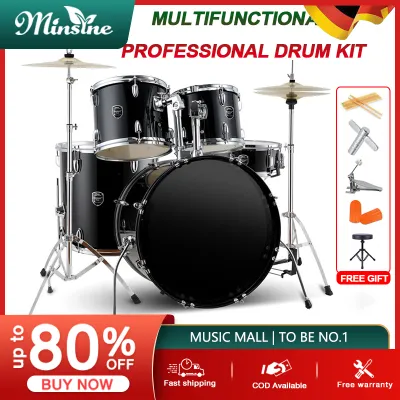
A standard beginner acoustic package is usually advertised as a “five-piece” kit. It is important to understand that this number refers strictly to the drums themselves: a bass drum, a snare drum, and three toms (typically two rack toms mounted above the bass drum and one floor tom). Cymbals, stands, and pedals are considered hardware and are not counted in the “piece” designation, though they are frequently bundled together in starter packages.
Do not assume a bundled package contains absolutely everything you need to start playing. Many entry-level kits omit crucial accessories to keep the retail price low. You must carefully check the product description to see if a drum throne (the stool) and drumsticks are included. Playing on a standard household chair or stool can lead to poor posture and back strain, making a dedicated, height-adjustable drum throne an essential purchase. Additionally, hearing protection is non-negotiable for acoustic drumming; a pair of high-fidelity earplugs or isolation earmuffs should be added to your initial budget to protect your hearing from cumulative damage.
The cymbals included in beginner bundles are almost universally made of brass. While brass cymbals are highly affordable and durable enough for initial practice, they produce a bright, harsh, and sustained clang rather than the complex, musical wash of professional cymbals. As your ears develop and your budget allows, planning an upgrade to bronze cymbals (such as B8 or B20 alloys) will dramatically improve the overall sound of your setup without requiring you to replace the entire drum kit.
Navigating Local Stores and Online Marketplaces in the Philippines
Purchasing a drum kit in the Philippines requires careful navigation of both physical retail networks and online platforms. Buying from authorized local distributors with physical showrooms in major metropolitan areas is highly recommended. This allows you to test the physical size of the kit, feel the rebound of the pads or heads, and verify the build quality in person. Furthermore, authorized dealers provide valid manufacturer warranties and reliable after-sales support, which is invaluable if a hardware component fails or a module malfunctions.
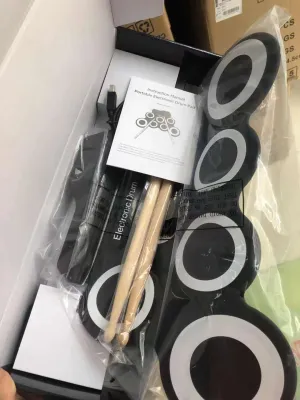
If you choose to shop via online marketplaces or ecommerce platforms, vigilance is key to avoiding counterfeit goods, incomplete bundles, or transit damage. Always verify the seller’s credentials, looking for official brand flags or highly rated authorized dealer badges. Carefully read the customer reviews, paying close attention to photos uploaded by previous buyers to confirm that the package contents match the listing. Avoid listings with vague descriptions or prices that seem unrealistically low, as these often indicate counterfeit products or kits missing essential hardware.
Because drum kits are heavy, oversized items, shipping logistics require special attention. When ordering online, review the shipping policies and handling fees thoroughly. Transporting a large, multi-box shipment across provinces or islands can incur substantial shipping costs that significantly alter the total price of the kit. Ensure the seller uses a reputable courier with tracking services and offers robust packaging protection to prevent the wooden shells or sensitive electronic modules from being damaged during transit.
Building Your Shortlist: Matching Your Budget to the Right Setup
To finalize your purchase, establish a clear decision framework based on your budget and living space. If you have a dedicated ground-floor room or a detached home where noise is not a primary concern, prioritize a budget-friendly acoustic kit. Look for packages that offer a complete set of double-braced hardware, a stable bass drum pedal, and shells made of stable hardwoods like poplar. Allocate a portion of your budget for a sturdy drum throne and hearing protection right from the start.
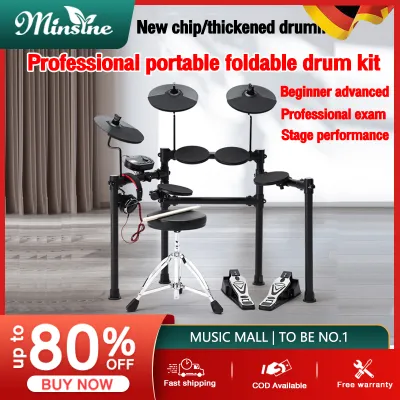
If you live in a condominium, apartment, or shared household, focus your search on entry-level electronic kits. Prioritize models that feature mesh heads on all drums rather than rubber pads, as mesh provides a more realistic stick rebound and operates much more quietly. Ensure the drum module has a user-friendly interface, a headphone output, an auxiliary input (or Bluetooth connectivity) for playing along with backing tracks, and a USB-MIDI port for connecting to a computer if you plan to use recording software.
Before making your final choice, cross-reference your shortlist with the current inventory of local music stores. Prices for entry-level setups in the Philippines generally range from approximately ₱15,000 to ₱35,000 depending on the brand, configuration, and technology. Contact local shops directly to confirm stock availability, ask about ongoing promotional bundles, and inquire if they offer delivery and assembly services, which can save you significant time and effort during the initial setup process.
Frequently Asked Questions (FAQ)
Do I need to buy extra cymbals for a beginner acoustic kit?
Most beginner acoustic drum kits include a basic set of brass cymbals, typically consisting of a pair of 14-inch hi-hats and a single 16-inch crash or crash-ride cymbal. While this configuration is entirely sufficient for learning basic beats, coordination, and timing, it limits your sonic variety. You do not need to buy extra cymbals immediately; it is wiser to spend your first few months mastering fundamental techniques on the stock cymbals. Once you can play basic songs and have saved additional budget, prioritize upgrading to a dedicated ride cymbal and a separate crash cymbal made of bronze for a richer, more professional sound.
Can I use regular headphones with an electronic drum kit?
Yes, you can use standard consumer headphones with an electronic drum kit, but you must verify the connector size and audio specifications. Most entry-level drum modules feature either a 3.5mm (1/8-inch) or a 6.35mm (1/4-inch) headphone jack. If your headphones use a different size, you will need a simple, inexpensive adapter plug to establish a secure connection. For the best practice experience, avoid using wireless Bluetooth headphones directly connected to the module, as wireless transmission introduces noticeable audio latency (delay) between the moment you strike the pad and the moment you hear the sound. Stick to wired, over-ear headphones with a neutral sound profile to ensure accurate monitoring and zero latency.
Community discussion
Share your experience or ask a question. Comments are reviewed before publication.