
Securing a reliable, high-quality bass guitar under ₱15,000 in the Philippines is entirely achievable for beginners. This budget sits in a sweet spot where major manufacturers offer durable, highly playable instruments that can last for years of practice, home recording, and even live performances. However, navigating this price range successfully requires understanding whether to invest the entire amount into the guitar itself or split the budget to include necessary accessories like a practice amplifier.
By focusing on structural reliability, comfortable neck dimensions, and versatile pickup configurations, you can easily find an entry-level instrument that keeps you motivated. Avoiding common pitfalls like overly complex active electronics or buying a bass without reserving funds for an amplifier will ensure your musical journey starts on a solid foundation.
Setting Realistic Expectations for Your ₱15,000 Bass Budget
In the Philippine musical instrument market, a ₱15,000 budget is highly practical. It moves you past the lowest-tier, generic instruments that often suffer from warped necks or sharp frets, placing you comfortably in the entry-level catalog of reputable global brands. At this price, instruments are built with reliable, seasoned tonewoods like maple, poplar, or basswood, which provide excellent stability and a classic tonal foundation.
Products mentioned in this guide
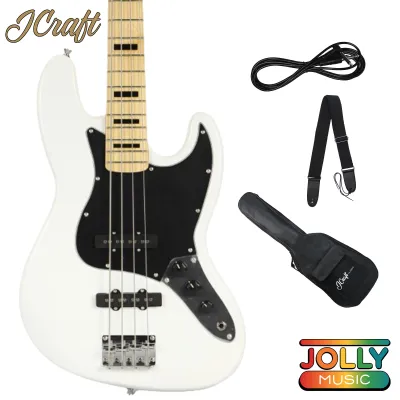
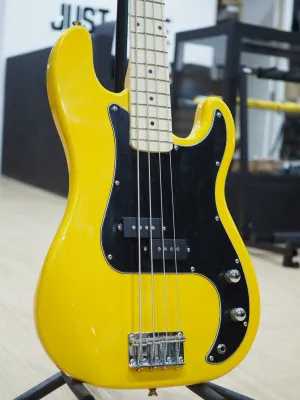

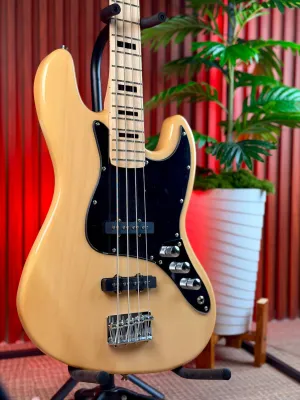


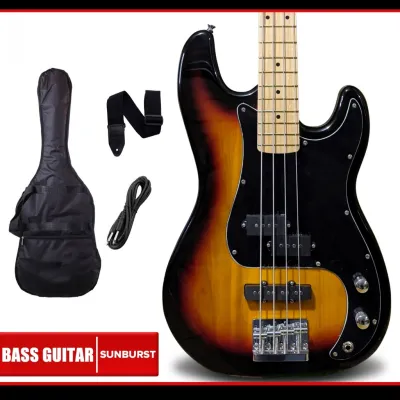

Prices are valid at publication and may change. Please refer to the product page for the latest price.
However, a key decision you must make early on is whether to spend the entire ₱15,000 on the bass guitar itself or split the funds. If you already own an amplifier, or if you plan to practice silently using an audio interface or a headphone amp, spending the full amount on the instrument gets you a higher-tier bass with superior hardware, smoother fretwork, and more durable tuning machines. Conversely, if you are starting with no gear at all, splitting the budget is the smarter choice so you can actually hear your instrument.
At this price point, you should prioritize mechanical reliability over premium aesthetic features. Do not be swayed by highly figured wood tops, complex active preamps, or gold-plated hardware, which often come at the expense of structural quality in budget instruments. A simple, well-constructed passive bass with a straight neck and stable tuning keys will always outperform a flashier model with cheap, unreliable components.
Key Specifications to Prioritize on a Budget
When shopping for your first bass, the technical specification sheet can feel overwhelming. Focusing on a few physical and electronic design choices will help you select an instrument that feels natural in your hands and matches your musical preferences.

Scale Length and Neck Profile
The scale length of a bass guitar is the distance between the nut and the bridge saddles, which directly dictates the tension of the strings and the spacing between the frets. Standard bass guitars feature a 34-inch scale length, which provides a tight, punchy low-end response and is the industry standard for most genres. However, for younger players or those with smaller hands, a standard scale can feel physically demanding.
Short-scale basses, which typically measure 30 inches, offer a highly comfortable alternative. They feature closely spaced frets that require less finger stretching, and the lower string tension makes pressing the strings down much easier on beginner fingers. While short-scale instruments sound slightly warmer and rounder, they are incredibly fun to play and highly accessible.
Beyond scale length, pay close attention to the neck profile and the nut width. A slim “C-shape” neck profile reduces hand fatigue during long practice sessions. Additionally, a narrower nut width—typically around 38mm, which is common on Jazz-style basses—allows your hand to wrap around the neck more comfortably than the wider 42mm nut width typical of traditional Precision-style basses.
Pickup Configurations (P, J, and PJ)
Pickups are the magnets embedded in the body of the bass that capture string vibrations and send them to your amplifier. The two most common designs are single-coil pickups, which offer a bright, clear, and articulate sound, and split-coil pickups, which deliver a thick, punchy, hum-free tone. Your choice of pickup layout determines the overall sonic character of your instrument.
For maximum versatility, a PJ configuration is highly recommended for beginners. This layout combines a split-coil (Precision) pickup in the middle position and a single-coil (Jazz) pickup at the bridge. By using the individual volume controls on the bass, you can blend these two distinct voices to replicate almost any classic bass tone, from deep motown thumps to bright modern rock growls, without needing expensive external effects pedals.
It is also wise to stick to passive electronics within this budget. Passive basses do not require a 9-volt battery to operate, meaning they are always ready to play and have simpler internal wiring that is highly reliable. Active electronics in budget instruments often introduce unwanted background hiss and can be frustrating to troubleshoot if a wire loose.
Body Weight and Contouring
Because bass guitars are physically larger than standard electric guitars, they are naturally heavier. A heavy instrument can quickly cause shoulder and back strain, which can discourage you from practicing. When comparing models, look for instruments that utilize lightweight body woods like poplar, basswood, or alder to keep the weight manageable.
Ergonomic body contouring is another crucial factor for physical comfort. High-quality budget basses feature belly cuts on the back of the body and forearm bevels on the front. These smooth, sloped edges prevent the hard corners of the wood from digging into your ribs and right arm, whether you are practicing while sitting down or standing with a strap.
Finally, observe how the bass balances when worn on a strap. Some budget models suffer from “neck dive,” a design flaw where the headstock is heavier than the body, causing the neck to pull downward constantly. A well-balanced bass should sit comfortably at a 45-degree angle without requiring you to support the neck with your fretting hand.
Factoring in Essential Accessories and Hidden Costs
One of the most common mistakes beginners make is spending their entire ₱15,000 budget on the bass guitar itself, only to realize they cannot hear it. An electric bass requires external amplification to produce audible sound; practicing unplugged makes it difficult to hear your dynamics, leading to bad habits like plucking the strings too hard.
To stay strictly within your ₱15,000 limit, a practical allocation strategy is to spend roughly ₱10,000 to ₱11,000 on the bass guitar. This leaves ₱4,000 to ₱5,000 for the essential gear required to start playing. A basic setup must include a small 10-watt to 15-watt practice amplifier, a reliable instrument cable, a comfortable strap, a clip-on electronic tuner, and a padded gig bag to protect your investment.
Many music distributors in the Philippines offer starter bundles that package a beginner bass with these accessories at a discounted rate. While these packages offer excellent convenience and cost savings, always inspect the individual components. Ensure the amplifier included is a dedicated bass amplifier, as standard electric guitar amplifiers are not designed to handle low bass frequencies.
Additionally, keep shipping fees in mind if you are ordering online, as heavy musical instruments can incur significant delivery charges depending on your province. It is also highly recommended to reserve around ₱1,000 to ₱1,500 for a professional instrument setup at a local repair shop. A professional technician can adjust the string height and neck curvature, transforming a stiff, hard-to-play factory instrument into a smooth, highly comfortable bass.
Where to Buy and How to Inspect Your Instrument
When purchasing a bass in the Philippines, you can choose between visiting physical music stores in major urban centers or shopping via online marketplaces. Each approach has distinct advantages, but both require careful evaluation to ensure you get a defect-free instrument.
Physical music stores allow you to hold the bass, feel its weight, and test its playability before handing over your money. This hands-on experience is invaluable for beginners. If you visit a store, do not hesitate to ask the staff to plug the bass into an amplifier so you can test the electronics and listen for any unwanted crackling or buzzing sounds when turning the knobs.
Whether buying in-person or online, you should perform a basic physical inspection of the instrument. Hold the bass at eye level and look down the edge of the fretboard from the bridge to the headstock. The neck should be relatively straight with a very slight upward bow; if the neck looks twisted or severely bent, ask for a different unit.
Next, run your fingers gently along the top and bottom edges of the fretboard. The metal fret wires should be flush with the wood; if they protrude and feel sharp, they can scratch your hands while playing. You should also play every single note on every string up and down the neck to check for “fret buzz,” which occurs when a string vibrates against a fret wire due to uneven frets or poor setup.
If you choose to buy online for better pricing or wider selection, stick to authorized brand distributors or highly rated sellers on major e-commerce platforms. Read recent customer reviews to verify the seller’s packaging standards, as musical instruments require robust bubble wrap and sturdy cardboard boxes to survive transit. Finally, always record a continuous unboxing video when your package arrives to serve as proof in case of shipping damage.
Basic Setup and Maintenance for Longevity
The tropical climate of the Philippines presents unique challenges for wooden musical instruments. High humidity levels, salt-laden sea air, and rapid temperature changes can cause wood to warp and metal hardware to corrode quickly if the instrument is not maintained properly.
To protect your bass, establish a simple cleaning routine. Keep a dry, lint-free microfiber cloth in your gig bag and use it to wipe down the strings, fretboard, and metal hardware after every single practice session. This removes sweat, skin oils, and moisture, preventing premature rust and keeping your strings sounding bright and clear for longer.
Store your bass guitar inside its padded gig bag when you are not playing, rather than leaving it exposed on a stand. Keep the instrument away from direct sunlight, open windows, and direct drafts from air conditioning units. Rapid shifts in temperature and humidity will cause the wood to expand and contract, which throws the instrument out of tune and can eventually cause structural damage.
While basic cleaning is easy to do yourself, avoid attempting complex adjustments at home without the proper tools and experience. If the strings feel too high off the fretboard, or if you experience severe fret buzz, take the bass to a professional guitar technician. A professional setup will optimize the playability of your instrument, ensuring it remains easy and enjoyable to play as you build your skills.
Frequently Asked Questions (FAQ)
Is a 4-string or 5-string bass better for a beginner?
A 4-string bass is highly recommended for beginners. It features a narrower neck that is much easier for untrained hands to grip, lighter overall weight, and a simpler layout. Starting with four strings allows you to focus on fundamental music theory, proper finger placement, and rhythm without the added complexity and physical stretch of a fifth string.
Do I need to buy a separate amplifier for my bass?
Yes, you must use an amplifier specifically designed for bass guitars. Standard electric guitar amplifiers are built to handle mid-to-high frequencies and have delicate speaker cones. Playing a bass guitar through a standard guitar amplifier can easily tear or blow out the speaker cone due to the powerful low-frequency signals produced by the bass.
Should I buy a used bass guitar to get better quality for ₱15,000?
Buying a used bass can get you a higher-tier instrument for your money, but it is risky for beginners who do not know how to spot hidden defects. If you choose the secondhand market, inspect the truss rod to ensure it is still adjustable, check the neck for warps, and test the electronics thoroughly to avoid costly repairs that could exceed your budget.
Community discussion
Share your experience or ask a question. Comments are reviewed before publication.