
Developing strong interpersonal skills is one of the most transformative steps you can take for your career and personal life. While reading physical books is highly valuable, listening to audiobooks offers a unique advantage: you hear the exact tone, pacing, and emotional delivery required to make communication work. This guide explores how to select and utilize audiobooks to build your social toolkit, helping you navigate everything from casual office chats to high-stakes negotiations.
How to Choose the Right People Skill Audiobook for Your Goals
Selecting the right audiobook requires a clear understanding of your personal and professional objectives. Interpersonal communication is a broad field, and a book that helps a corporate manager negotiate a contract may not be the same book that helps a team member build casual rapport. To make an effective choice, you must first identify your specific areas of growth.
Begin by pinpointing your primary communication challenges. If you find yourself struggling to connect with colleagues during casual coffee breaks or team lunches, your focus should be on foundational relationship-building and active listening. If you often feel overwhelmed by stress during high-pressure projects, an audiobook centered on emotional intelligence and self-regulation will be more beneficial. For those who find it difficult to express their needs or set boundaries, assertiveness and conflict resolution guides are the ideal starting point.
Products mentioned in this guide
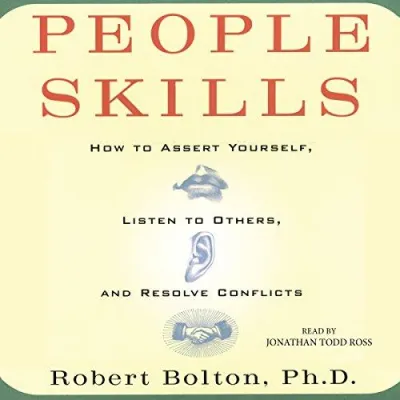


Prices are valid at publication and may change. Please refer to the product page for the latest price.
The narrator’s voice and pacing are just as important as the written content. In an audiobook, the narrator becomes the model for the communication styles being taught. A narrator with a warm, conversational tone can help you internalize how to project empathy and confidence in your own speech. Conversely, a dry or overly academic delivery can make practical advice feel theoretical and difficult to apply. Always listen to the audio sample provided by the platform to ensure the narrator’s voice resonates with you and keeps you engaged.
Additionally, consider your learning style. Some listeners benefit from taking active notes, while others prefer to let the information wash over them during passive activities like driving or exercising. If you are an active note-taker, look for audiobooks that come with accompanying PDF documents, worksheets, or action plans. Many publishers include these supplementary materials to help you visualize the concepts and practice them systematically.
Finally, consider how the audiobook’s length and format fit into your daily routine. Full-length, unabridged audiobooks offer deep, comprehensive frameworks that are excellent for long-term study. These are perfect for long daily commutes, such as navigating the traffic along EDSA or riding the MRT, where you have dedicated blocks of time to focus. On the other hand, abridged versions or structured audio courses provide quick, actionable summaries that are easier to digest during short breaks or while doing household chores. Matching the format to your lifestyle ensures you actually finish the book and retain its core lessons.
Top Audiobook Recommendations for Core Interpersonal Skills
Building a comprehensive interpersonal toolkit requires exploring different facets of communication. Categorizing your listening journey by specific skill types allows you to address your weaknesses systematically rather than trying to master everything at once. This structured approach helps you build a solid foundation before moving on to more complex social dynamics.

The recommendations highlighted in this guide are selected based on their enduring relevance, practical frameworks, and audio-friendly delivery. Rather than focusing on temporary bestseller lists, we look for titles that offer timeless principles of human behavior. These books provide actionable advice that remains applicable across different industries, cultures, and social settings, ensuring that your investment of time and attention delivers long-term value.
Foundational Communication and Relationship Building
Foundational communication audiobooks focus on the core principles of human interaction, such as building rapport, showing genuine interest, and making others feel valued. These titles are essential for anyone looking to improve their everyday conversations, whether in a professional networking event or a casual social gathering. They teach the basic mechanics of connection that form the basis of all successful relationships.
In a professional setting, such as a bustling BPO office or a collaborative creative agency, these foundational skills are crucial for teamwork and career advancement. Listening to these concepts helps you understand how to project warmth and sincerity through your voice. You learn the importance of active listening—focusing entirely on the speaker rather than just waiting for your turn to talk—and how to ask open-ended questions that encourage others to share their perspectives.
However, listeners should keep in mind the limitations of classic texts in this category. Many foundational books were written decades ago and reflect corporate structures and cultural norms of their time. While the core psychological principles remain true, some examples may feel outdated in today’s diverse, digital-first workplaces. When listening, it is important to adapt these classic lessons to modern communication channels, such as instant messaging, video conferences, and cross-cultural collaborations.
When adapting classic communication principles to modern professional environments, it is also helpful to consider the cultural context of your workplace. In many collaborative spaces, communication is highly relational and values harmony. Classic Western texts often emphasize directness and individual achievement. Balancing these two approaches—being clear and assertive while remaining respectful and collaborative—is a key skill that you can develop by listening to how different authors frame their advice.
Emotional Intelligence and Self-Awareness
Emotional intelligence is the ability to recognize, understand, and manage your own emotions while also recognizing and influencing the emotions of others. Audiobooks in this category help you build the internal awareness necessary for successful external interactions. Without self-awareness, it is difficult to maintain control during stressful situations or to empathize genuinely with others.
Developing emotional intelligence is particularly valuable for managing workplace stress and preventing conflicts. For instance, when dealing with a demanding client or a tight project deadline, high emotional intelligence allows you to pause, assess your emotional state, and choose a constructive response rather than reacting impulsively out of frustration. Listening to these guides helps you develop the mental space needed to handle difficult situations with grace and professionalism.
The delivery style of the narrator plays a significant role in how you absorb emotional intelligence concepts. Because these topics require self-reflection and introspection, a narrator with a calm, measured, and empathetic voice is highly effective. A soothing delivery helps create a comfortable learning environment, making it easier to examine your own behavioral patterns and commit to positive changes in how you interact with others.
Self-awareness also involves recognizing your physical and mental limits. Listening to an audiobook on emotional intelligence during a quiet evening or a relaxed weekend afternoon can provide the mental space needed for deep self-reflection. This practice helps you connect the concepts in the book with your real-life experiences, making it easier to identify areas where you can improve your emotional responses in future interactions.
Conflict Resolution and Difficult Conversations
Conflict is an inevitable part of any workplace or personal relationship, but how you handle it determines the outcome. Audiobooks focused on conflict resolution provide structured frameworks and actionable scripts for navigating high-stakes, tense, or emotionally charged conversations. These guides teach you how to address sensitive issues directly without damaging the underlying relationship.
One of the greatest advantages of listening to conflict resolution guides is the inclusion of simulated dialogues and role-play scenarios. Hearing the contrast between an aggressive, defensive tone and a collaborative, problem-solving tone provides a clear, auditory template that you can mimic in real life. You learn how to de-escalate tension, establish mutual respect, and guide a difficult conversation toward a mutually beneficial solution.
To successfully implement these high-stakes techniques, it is best to practice them in low-stakes environments first. Try using a new active-listening script or a collaborative phrasing technique during a casual conversation with a supportive colleague or a family member. Building your confidence in a safe setting ensures that when you need to address a critical issue with a manager or a client, you can deliver your message clearly, calmly, and effectively.
What to Check Before Buying or Downloading an Audiobook
Before you purchase or download an audiobook, taking a few minutes to verify the details can save you time and ensure a high-quality listening experience. With various platforms and editions available, a quick pre-purchase check helps you get the most value for your money.
First, verify the specific edition of the audiobook. Ensure you are selecting the unabridged version if you want the complete, original text, as abridged versions may omit valuable context and examples. Check the pricing on your preferred digital storefront, keeping in mind that individual titles can range from ₱400 to over ₱1,500 depending on the platform and subscription options. Comparing subscription models against individual purchases can help you find the most cost-effective way to build your library.
Next, always listen to the audio sample provided on the product page. Even if a book comes highly recommended, a narrator’s voice that does not suit your preferences can make listening a chore. Pay attention to the narrator’s pronunciation, pacing, and tone. If the voice feels too fast, too slow, or distracting, you may want to look for an alternative narration or consider a different title that addresses the same topic.
Finally, confirm the technical specifications and platform features. Ensure the audiobook platform supports offline listening, which is essential for maintaining a smooth listening experience during commutes where mobile data signals may be weak or inconsistent. Check the file formats and device compatibility to make sure the audio plays seamlessly on your smartphone, tablet, or smart speaker. Additionally, verify any regional availability restrictions to ensure the title is fully accessible in your location.
Frequently Asked Questions (FAQ)
Can audiobooks really improve real-life social skills?
Yes, audiobooks are highly effective for developing social skills because they allow you to hear the non-verbal elements of communication. By listening to the narrator, you learn how tone of voice, pacing, pauses, and emphasis can change the meaning and impact of your words. However, passive listening alone is not enough to create lasting change. To build actual social muscle memory, you must actively practice the techniques, scripts, and frameworks in your daily interactions and reflect on the results.
Should I choose an audiobook read by the author or a professional narrator?
Both options offer distinct advantages depending on your learning preferences. Author-read audiobooks often provide a sense of authentic passion, personal connection, and unique context, making the listening experience feel like a personal mentorship session. Professional narrators, on the other hand, bring polished delivery, clear diction, and consistent pacing, which can make complex concepts and structured frameworks easier to follow. Listening to the audio sample is the best way to determine which style will keep you focused and support your long-term retention.
Community discussion
Share your experience or ask a question. Comments are reviewed before publication.