
Finding the ideal piano cover for 88 keys requires balancing dust protection, moisture management, and physical security. In the tropical climate of the Philippines, a keyboard cover is not merely an aesthetic accessory; it is a vital line of defense against intense humidity, fine dust, and accidental spills. The best choice depends on your specific instrument model, how often you travel, and the ambient conditions of your room.
To safeguard your musical investment, you must evaluate how different materials interact with your environment. A lightweight, stretchable spandex cover works exceptionally well for daily home use, while a padded gig bag is indispensable for transport. For long-term storage or high-traffic households, a heavy-duty, water-resistant cover provides the necessary barrier. Understanding these distinctions ensures your 88-key keyboard remains in peak playing condition for years to come.
Why an 88-Key Keyboard Needs a Dedicated Cover in the Philippines
Operating a digital piano or keyboard in a tropical climate presents unique preservation challenges. The Philippines experiences high relative humidity throughout the year, often exceeding 80 percent during the rainy season. This excessive moisture in the air can slowly penetrate the unsealed gaps between the keys, leading to the oxidation of internal copper contacts, rubber dome switches, and delicate circuit boards. Over time, this corrosion can cause keys to lose their velocity sensitivity, register double-strikes, or stop functioning entirely.
Products mentioned in this guide
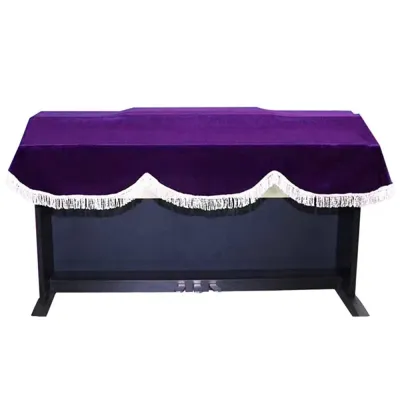
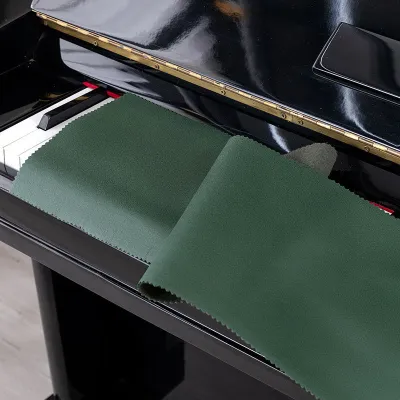
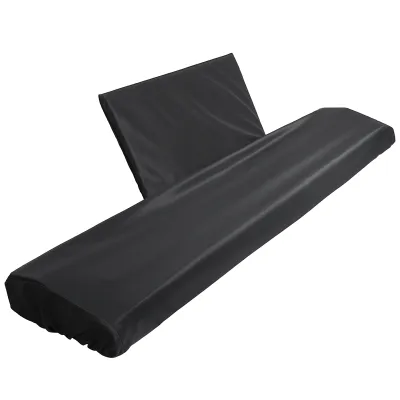
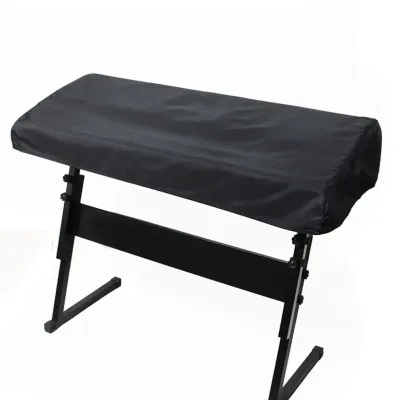
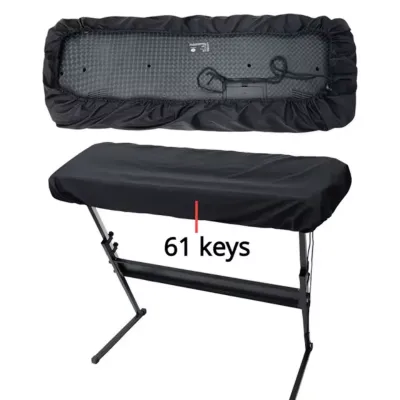
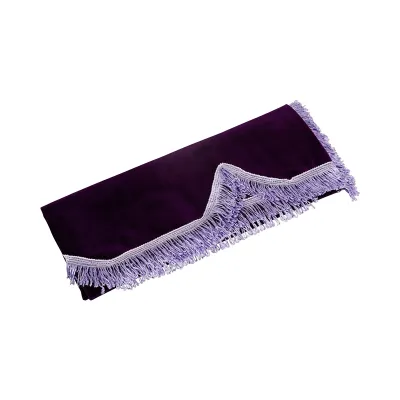
Prices are valid at publication and may change. Please refer to the product page for the latest price.
Dust poses an equally severe threat when combined with high humidity. Fine airborne dust, volcanic ash, and household fibers do not simply sit harmlessly on the surface; they mix with the ambient moisture to form a sticky, abrasive grime inside the keybed. As you play, this grime is pushed deeper into the key guide rails and optical sensors. A dedicated cover acts as a physical barrier, preventing these airborne particles from settling into the key mechanisms during idle hours.
Accidental liquid spills are a constant hazard in busy households, especially in multi-generational Filipino homes where living spaces are shared. A stray glass of water, a splash of coffee, or condensation from a cold drink can permanently short-circuit an electronic keyboard. Placing a protective layer over the control panel and keybed ensures that sudden spills do not turn into catastrophic, expensive repair bills.
Generic, poorly fitting covers designed for smaller instruments are entirely inadequate for 88-key models. An 88-key keyboard features a wide physical footprint, typically stretching between 130 and 145 centimeters in length. If you attempt to drape a smaller 61-key or 76-key cover over an 88-key instrument, the fabric stretches excessively, leaving the vulnerable outer octaves exposed to dust and moisture. Conversely, using an oversized, non-specific cover leads to sagging fabric that accumulates dust pools and can easily slip off, leaving the keyboard unprotected.
Essential Features to Evaluate Before Buying
Selecting the right cover requires looking past basic marketing claims and focusing on technical specifications. By analyzing the structural design, material composition, and fastening systems, you can identify a cover that offers genuine protection.

Dimensions and Fit
There is no single universal size for an 88-key keyboard. A slim stage piano, such as the Casio Privia PX-S series, has a remarkably narrow depth and low profile. In contrast, a professional workstation like the Yamaha Montage or a synthesizer with an array of physical sliders and pitch wheels requires a much deeper and taller cover. Before purchasing, you must measure the exact length, width, and height of your keyboard chassis. Additionally, consider whether you plan to leave your music stand attached; some covers feature specialized zippered slots or extra depth to accommodate an upright music rest without stretching the fabric out of shape.
Material and Breathability
In the humid Philippine climate, the relationship between water resistance and breathability is critical. While a completely waterproof plastic or vinyl cover prevents liquid penetration, it can trap warm, humid air underneath. When temperature fluctuations occur—such as when turning off an air conditioner at night—the trapped moisture can condense on the cold metal and plastic parts of your keyboard. Look for materials that offer water resistance on the exterior while allowing air circulation, such as high-density woven polyester or breathable nylon blends. This balance prevents moisture buildup and discourages the growth of mold and mildew.
Padding and Thickness
If your keyboard sits in a high-traffic area, near open windows, or in a household with pets, a thin dust cover may not offer sufficient protection. Evaluate the thickness of the material, often indicated by a denier (D) rating for nylon and polyester. A higher denier rating, such as 600D or 1200D, indicates a thicker, more durable weave that resists tears and punctures. For physical impact protection against falling objects or pet claws, look for covers that incorporate integrated foam padding, typically ranging from 5mm to 20mm in thickness.
Closure Mechanisms
How a cover secures to your keyboard affects both its protective capability and how easily you can access your instrument. Consider these common closure types:
- Drawstrings with Toggle Locks: These allow you to pull the cover tight around the bottom edge of the keyboard, creating a secure seal that prevents crawling insects, such as ants, from nesting inside the warm chassis.
- Elastic Hems: Ideal for quick daily use, elastic borders stretch easily over the corners of the keyboard, though the elastic can degrade over time when exposed to tropical heat.
- Heavy-Duty Zippers: Commonly found on padded gig bags and premium enclosures, zippers provide a complete seal but must be lined with protective fabric flaps on the inside to prevent the metal teeth from scratching the keyboard's finish.
- Velcro Straps: Highly adjustable and useful for securing covers around keyboard stands or rear cable connections, though they can accumulate lint and dust over time.
Top Types of 88-Key Piano Covers to Consider
To find the best option for your setup, it helps to categorize covers by their primary design and intended use case. Each type serves a distinct purpose within a home or professional studio environment.
Lightweight Stretch and Dust Covers
Lightweight stretch covers, typically made from spandex, lycra, or soft velvet blends, are the most popular choice for stationary home keyboards that are played daily. These covers are designed to stretch snugly over the entire chassis, conforming to the unique contours of your specific digital piano.
Their primary advantage is convenience. You can pull a stretch cover off in a single motion and fold it into a compact bundle that fits easily into a drawer. The soft inner lining of velvet or brushed polyester prevents micro-scratches on polished plastic or wooden key cheeks. However, these covers provide minimal protection against heavy liquid spills, as liquids can eventually seep through the woven fibers if not wiped away immediately. They also offer no defense against physical impacts or sharp objects.
Padded Gig Bags and Soft Cases
For musicians who frequently transport their 88-key instruments to gigs, rehearsals, or church services, a padded gig bag is an absolute necessity. These cases combine the dust protection of a standard cover with heavy-duty physical defense.
Premium gig bags feature a rugged outer shell made of 600D to 1200D Oxford nylon, reinforced handles with double-stitching, and thick interior foam padding. Many models also include interior straps to prevent the heavy 88-key keyboard from shifting during transport. When choosing a gig bag, always verify the internal dimensions rather than the external measurements, ensuring there is enough clearance for your keyboard’s control knobs and pitch bend wheels. The primary trade-off is weight and bulk; these cases are significantly heavier and require dedicated storage space when the keyboard is on its stand.
Full-Enclosure and Heavy-Duty Vinyl Covers
Full-enclosure covers, often constructed from thick vinyl, heavy canvas, or leatherette, are designed for maximum protection in high-risk environments. These are ideal for keyboards placed in communal spaces, school music rooms, or homes with curious pets and young children.
These covers offer exceptional water resistance, easily deflecting large liquid spills, heavy dust, and direct physical scratches. Because vinyl and heavy synthetic materials are non-porous, they create a highly effective shield. However, in the Philippines, you must manage the risk of trapped humidity under these heavy materials. It is essential to choose a vinyl cover with a soft, breathable cotton or flannel inner lining, and to establish a routine of periodically removing the cover to let the instrument air out.
How to Ensure a Perfect Fit When Shopping Online
Purchasing a piano cover for 88 keys on local e-commerce platforms requires careful verification of specifications. Because you cannot physically test the cover before buying, you must rely on precise measurements and smart shopping strategies to avoid the hassle of returns.
To measure your keyboard accurately, follow these steps:
- Measure the Maximum Length: Measure from the outermost edge of the left end cheek to the outermost edge of the right end cheek.
- Measure the Maximum Depth: Measure from the front of the keys to the very back of the chassis. Be sure to include any protruding knobs, sliders, or the music stand slot if you plan to leave the stand attached.
- Measure the Height: Measure from the bottom surface of the keyboard chassis to the highest point on the control panel.
When browsing online listings, look past generic titles such as “Universal 88-Key Keyboard Cover.” Instead, scroll down to the detailed product description to locate the exact dimensions in centimeters or inches. Compare these figures directly with your measurements. A cover that is even two centimeters too short will fail to wrap around the corners of your keyboard, rendering it ineffective.
Be alert to common red flags on online marketplaces. Avoid listings that rely solely on highly edited stock photos without providing a clear dimension chart. If a seller cannot provide the exact measurements of the product, it is highly likely a low-quality, mass-produced item that may not fit your instrument.
Prioritize listings with high seller ratings and read the customer review section carefully. Look for reviews from buyers who mention the specific brand and model of their digital piano (for example, “Fits my Yamaha P-125 perfectly”). Finally, verify the platform’s return policy. Ensure that you can return the item for a full refund or exchange if the fit is incorrect upon arrival.
Caring for Your Piano Cover in a Humid Climate
To ensure your cover continues to protect your keyboard effectively, you must maintain the cover itself. In a humid environment, a neglected cover can accumulate dust, mold spores, and moisture, which can then be transferred directly onto your instrument.
Establish a regular cleaning routine based on the material of your cover. For lightweight spandex, lycra, or velvet covers, hand-wash them in cool water using a mild, non-bleach detergent. Avoid using fabric softeners, as they can break down the elastic fibers over time. For heavy-duty nylon, vinyl, or polyester covers, wipe the exterior surface down with a damp microfiber cloth and a mild soap solution. Never machine-wash or tumble-dry vinyl covers, as the heat and agitation can crack the material and ruin the water-resistant backing.
Always ensure the cover is completely dry before placing it back over your keyboard. After washing or wiping down the cover, hang it to dry in a well-ventilated, shaded area. In the Philippines, avoid leaving synthetic covers in direct, harsh sunlight for extended periods, as UV rays can degrade the material, cause vinyl to crack, and weaken elastic bands.
Finally, practice periodic ventilation. Even if you do not plan to play your keyboard for a few weeks, make it a habit to remove the cover entirely for a few hours during a dry, sunny day. Running a fan or a dehumidifier in your music room during this time helps circulate the air, preventing the buildup of stagnant, humid air pockets inside the keybed and around the sensitive electronic components.
Frequently Asked Questions (FAQ)
Can I use a 76-key cover for an 88-key keyboard?
No, you should not use a 76-key cover on an 88-key keyboard. Attempting to stretch a smaller cover over a full-sized keyboard puts immense tension on the fabric and seams, leading to premature tearing. More importantly, the excessive tension can press down on the outer keys, putting constant, unnecessary physical stress on the delicate key action and internal sensors. It also leaves the outer edges of the instrument completely exposed to dust, moisture, and physical damage.
Are fully waterproof covers safe for digital pianos in humid weather?
Fully waterproof covers made of non-breathable materials like heavy PVC or plastic can be risky in highly humid environments if left on indefinitely. These materials block liquid from entering, but they also trap ambient humidity inside the keyboard chassis. When indoor temperatures cool down, this trapped moisture can condense on the internal electronic circuits, leading to corrosion. If you use a highly water-resistant cover, ensure it has a breathable inner lining, and regularly remove the cover to allow the instrument to air out.
Community discussion
Share your experience or ask a question. Comments are reviewed before publication.