
For beginners in the Philippines looking to build proper hand technique without muscle fatigue, the 7A drumstick is the ideal starting point. Its lightweight profile and thin diameter make it highly manageable for practicing basic strokes, rudiments, and rebound control. Selecting the right pair involves balancing your budget with material quality, especially when dealing with local humidity. By understanding the physical characteristics of these sticks, you can make an informed decision that supports your learning journey.
Why 7A Is the Standard Starting Point for Drummers
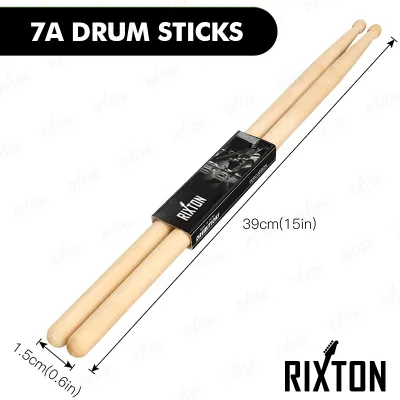
Drumstick sizes are designated by a combination of numbers and letters, with the 7A specification representing one of the thinnest and lightest standard models available. Historically, the letter “A” referred to orchestra-style playing, which demanded a lighter touch and lower volume. Today, a standard 7A drumstick typically measures around 0.540 inches (13.7 mm) in diameter and 15.5 to 16 inches in length, making it noticeably sleeker than the medium-weight 5A or the thick, heavy 2B models used for marching bands.
This thinner grip and lighter weight are highly advantageous for beginners who are still developing their hand strength and grip mechanics. When starting out, many students struggle with the “death grip”—holding the stick too tightly—which can quickly lead to wrist fatigue, finger strain, or even repetitive strain injuries like tendonitis. The reduced mass of a 7A stick minimizes the physical effort required to initiate a stroke, allowing you to practice for longer periods without early muscle fatigue.
Products mentioned in this guide
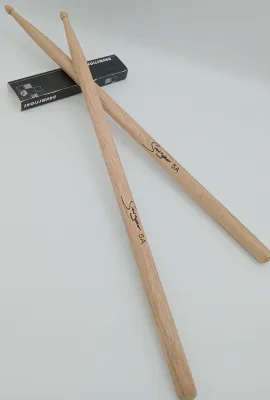
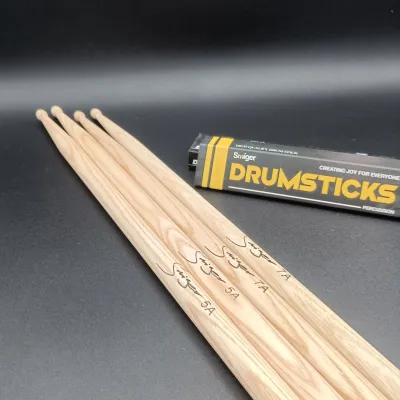
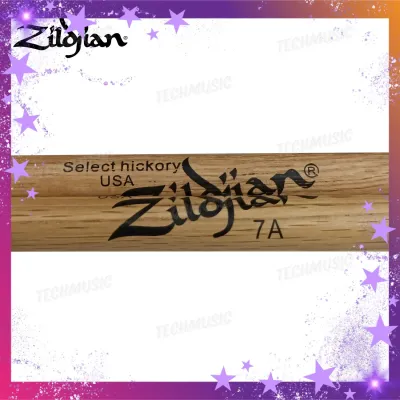
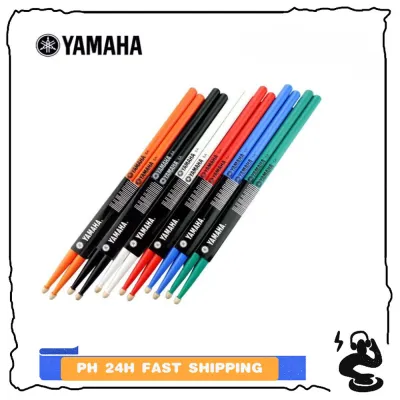
Prices are valid at publication and may change. Please refer to the product page for the latest price.
Using a lighter stick also accelerates the development of proper rebound control. Because a 7A drumstick responds quickly to the drumhead, you can easily feel the natural bounce of the wood. This physical feedback is essential for learning how to let the stick do the work, which is the foundation of advanced techniques like double-stroke rolls and controlled single strokes. It helps you focus on the pivot point between your thumb and index finger, known as the fulcrum, rather than relying on brute forearm force.
There is a common misconception in the drumming community that 7A sticks are strictly reserved for quiet jazz or acoustic performances. While they do excel in low-volume settings due to their lower mass, they are actually highly versatile tools across all musical genres. Beginners can use them to practice pop, rock, funk, and Latin beats, as the primary goal at this stage is mastering control, accuracy, and timing rather than raw volume. Once your muscle memory and wrist technique are established, you can easily transition to heavier sticks if your preferred musical style demands more physical power.
Key Features to Check Before Buying Your First Pair
Before purchasing your first pair of drumsticks, it is important to understand how different materials and design variations affect their performance, durability, and feel. Drumsticks are not uniform; subtle differences in wood type, tip shape, and surface finish can significantly alter your playing experience.

Wood Types
American hickory is the industry standard wood for drumsticks and is highly recommended for beginners. Hickory offers an excellent balance of weight, flex, and density, along with natural shock-absorption properties that cushion your hands from the impact of hard hits. Maple is another common option; it is approximately 10% lighter than hickory, allowing for rapid movement and a very light feel. However, maple is softer and more prone to splintering or breaking under heavy use, making it less durable for those still perfecting their striking angles. Oak, such as Japanese Shira Kashi oak, is incredibly dense, heavy, and durable, but it transmits more shock directly to your wrists, which can be fatiguing for a novice. For most beginners, hickory remains the safest and most reliable default choice.
Tip Shape and Material
The tip of the drumstick is the primary point of contact with your instrument, and its material determines the tone you produce. Wood tips are the traditional choice, offering a warm, deep, and organic sound on both drums and cymbals. They are highly forgiving for beginners, though they will gradually chip and wear down over time. Nylon tips, on the other hand, produce a much brighter, sharper, and highly articulate sound, particularly on cymbals. While nylon tips are virtually indestructible and do not chip, poorly manufactured budget sticks may suffer from tips that fly off during play. If you choose nylon, ensure you buy from a reputable brand with secure tip-molding processes.
Finish and Grip
Selecting the right finish is particularly crucial when playing in the hot, humid tropical climate of the Philippines. Standard drumsticks usually feature a clear lacquer coating that protects the wood from moisture. However, when your hands begin to sweat during a long practice session, a heavy lacquer finish can become extremely slippery, causing the sticks to slide out of your grip. Unlacquered or “natural” wood finishes leave the raw wood grain exposed, which naturally absorbs hand moisture and provides a more secure, tactile grip. Some manufacturers also offer specialized rubberized or heat-activated grip coatings that become tackier as your hands warm up, which can be highly beneficial in humid environments.
Recommended 7A Drumsticks Categorized by Budget
To help you find the right pair without overspending, we have categorized the leading 7A drumstick options available in the Philippines into three distinct budget tiers. Because local retail prices and stock levels can fluctuate, these recommendations are grouped by general market positioning in Philippine Pesos (₱). Before making a purchase, always verify the exact specifications, wood material, and authorized source to ensure you are getting a genuine product.
Budget Tier: Affordable Pairs for Initial Practice
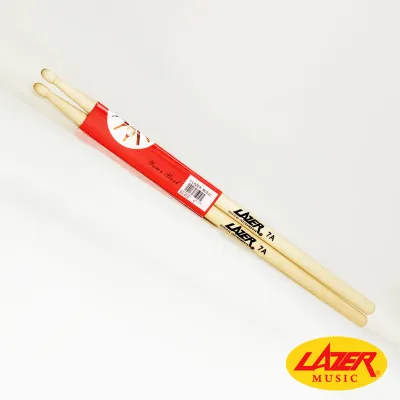
For absolute beginners, young students, or casual learners who want to try drumming without a major financial commitment, the budget tier offers functional options priced between ₱150 and ₱300 per pair. In this price range, you will typically find entry-level house brands at local music shops, such as Lazer or generic maple and hickory options.
- Target Audience: Casual learners, young children, or those practicing primarily on rubber practice pads.
- General Price Position: ₱150 – ₱300
- Pros: Extremely affordable; low financial risk if you decide not to continue; ideal for basic practice pad work.
- Cons: Lower quality control; sticks in a single pair are rarely matched by weight or pitch; higher likelihood of warping; less durable under heavy rimshots.
- Best Use Case: These are excellent for the first few weeks of lessons, allowing you to practice basic rudiments on a practice pad before investing in professional-grade gear.
When buying in this tier, physical inspection is critical. Because budget sticks do not undergo rigorous factory sorting, you must personally check each stick for straightness and structural integrity before leaving the store.
Mid-Range Tier: Reliable Choices for Music Students
If you are taking regular drum lessons or practicing on an acoustic drum kit, upgrading to the mid-range tier is highly recommended. Priced between ₱500 and ₱800, this tier features industry-standard models from globally recognized brands like Vic Firth (American Classic 7A), Promark (Classic Forward 7A Hickory), and Vater (Manhattan 7A).
- Target Audience: Dedicated music students, hobbyists, and drummers playing on acoustic or electronic drum kits.
- General Price Position: ₱500 – ₱800
- Pros: Excellent quality control; sticks are computer-sorted to ensure they are weight-matched and pitch-paired; high-grade American hickory; superior durability and balance.
- Cons: Higher initial cost than budget brands; tips will still wear down over months of consistent play.
- Best Use Case: This is the sweet spot for daily practice and performance, offering the consistency needed to build accurate muscle memory.
Sticks in this tier are manufactured with strict tolerances. When you play with a pair of pitch-paired sticks, both hands experience the exact same weight and vibration, which prevents you from overcompensating with one hand and helps you develop a balanced, even sound.
Premium Tier: Pro-Grade Sticks That Last Longer
For beginners with a flexible budget or those who struggle with specific physical challenges like excessively sweaty hands, the premium tier offers advanced features. Priced from ₱900 to ₱1,200 or more, this tier includes specialized models like the Promark ActiveGrip 7A or Vic Firth DoubleGlaze 7A.
- Target Audience: Drummers seeking specialized grip solutions, maximum durability, or premium wood selection.
- General Price Position: ₱900 – ₱1,200+
- Pros: Advanced sweat-resistant or heat-activated grip coatings; exceptionally dense wood selection; extended lifespan; reduced hand fatigue.
- Cons: High price point; diminishing returns for absolute beginners who have not yet developed advanced striking techniques.
- Best Use Case: Perfect for playing in hot, non-air-conditioned rehearsal spaces in the Philippines, where maintaining a secure grip is a constant challenge.
While a beginner does not strictly need premium sticks to learn, the specialized anti-slip coatings can prevent the frustration of dropped sticks, allowing you to focus entirely on your timing and technique.
Where to Safely Buy Drumsticks in the Philippines
To ensure you receive genuine, high-quality wood that has not been damaged by improper storage, you must choose your purchasing channels carefully. Counterfeit drumsticks and warped wood are common issues that can hinder your progress.
Physical Music Stores
Visiting a physical music store is the most reliable way to buy drumsticks. Major national retail chains such as JB Music, Lazer Music, and Yupangco Music carry authorized stock of global brands. Buying in person allows you to perform two essential quality checks before paying:
- The Roll Test: Place the drumstick on a completely flat surface, such as a glass display counter, and roll it with your palm. Watch the tip closely. If the tip wobbles up and down, or if you can see light passing unevenly underneath the shaft as it rolls, the stick is warped. Warped sticks will not rebound straight and should be avoided.
- The Tap Test: Hold each stick lightly at its fulcrum point and gently tap it against a hard wooden surface or practice pad near your ear. Listen to the pitch of the ring. A high-quality, matched pair will produce almost the exact same pitch. If one stick sounds significantly lower than the other, the wood densities are mismatched, which will make the pair feel uneven in your hands.
E-commerce Platforms
If you prefer the convenience of online shopping, you must take precautions to avoid counterfeit products. Always purchase from the official flagship stores of authorized distributors or highly rated specialty music sellers on online marketplaces. Avoid unbranded listings or listings with suspiciously low prices (such as premium brand names advertised for under ₱200), as these are often cheap counterfeits made of brittle, low-grade wood.
Additionally, be aware that improper warehouse storage in hot, humid conditions can warp wood. When your online order arrives, immediately perform the roll test. If you detect any warping or structural defects, contact the seller right away to request a replacement under their return policy.
When to Replace Your Drumsticks (And How to Make Them Last)
Drumsticks are consumable items that will eventually wear out, but learning how to care for them can significantly extend their lifespan and protect your expensive drum gear.
Visual Checks
During normal use, your drumsticks will show signs of wear. Minor denting along the shaft, slight shaving or fraying near the shoulder (caused by hitting the metal rims of your drums, known as rimshots), and small chips on a wood tip are normal. However, you should inspect your sticks regularly for structural failures, such as deep cracks running along the grain of the wood, a completely split or flattened tip, or a noticeable bend in the shaft.
Maintenance
Because wood is a natural, porous material, it is highly sensitive to environmental changes. In the tropical climate of the Philippines, rapid shifts in humidity and temperature can easily warp wood. To prevent this, never leave your drumsticks in direct sunlight, in a hot car trunk, or in a damp storage room. Store them in a padded stick bag or a dry drawer at room temperature. Keeping a few silica gel packets inside your stick bag is a simple, low-risk way to help absorb excess moisture and keep the wood stable.
Safety Boundary
If you discover a deep split, a heavily splintered shoulder, or a cracked tip during your visual inspection, stop using that stick immediately and replace it. Continuing to play with a structurally compromised drumstick is highly risky. A splintered stick can easily tear expensive single-ply snare drumheads, dent or scratch delicate cymbals, or snap completely mid-stroke, sending sharp wood fragments flying toward your face or eyes. Always prioritize safety and instrument protection by retiring damaged sticks early.
Frequently Asked Questions (FAQ)
Are 7A drumsticks too light for playing rock or loud music?
While 7A drumsticks are thinner and lighter, you can absolutely use them to play rock and other loud genres. Volume is primarily a product of your striking velocity, proper technique, and drum tuning rather than stick size. Using 7As for rock is actually an excellent way for beginners to build speed and wrist control without straining their muscles. However, because they have less mass, you may find yourself hitting harder to achieve the same natural volume as a heavier 5A stick. If you transition permanently to heavy rock, upgrading to a thicker stick will give you more natural volume and durability without requiring extra physical exertion.
Should beginners buy nylon tip or wood tip drumsticks?
For most beginners, wood tips are the highly recommended choice. They offer a warm, traditional sound, a natural feel, and are very forgiving on cymbals as you learn to control your dynamics. Nylon tips are excellent for players who want a very bright, cutting cymbal sound or those playing on electronic drum kits with rubber pads, where tip wear is not an issue. However, cheap or poorly made nylon tips can fly off the stick, leaving a sharp plastic edge that can easily puncture a drumhead. Starting with wood tips allows you to master the traditional feel of the instrument before experimenting with alternative tip materials later.
Community discussion
Share your experience or ask a question. Comments are reviewed before publication.