
Choosing the right castanet material is a pivotal first step for any beginner percussionist. While traditional wood offers the classic, warm resonance celebrated in flamenco and classical music, plastic provides unmatched durability and consistency for high-volume practice. Bamboo castanets emerge as an excellent middle ground, offering an exceptionally lightweight profile that reduces hand fatigue, a crisp acoustic response, and a highly sustainable material footprint. If you are just starting your percussion journey, understanding how these three materials perform under different conditions will help you select an instrument that supports your learning curve without causing physical strain.
Core Differences in Sound and Playability
The material of a castanet dictates its density, which directly influences both the acoustic projection and the physical effort required to play it. Wood, being a dense and naturally porous material, produces a warm, complex, and resonant sound with a soft attack. This traditional tone is highly sought after but requires precise striking technique to achieve consistent volume. Plastic castanets, by contrast, are completely non-porous and highly dense, resulting in a sharp, bright, and piercing attack. They project easily even with a light strike, making them highly responsive for beginners who are still developing their finger strength. Bamboo castanets offer a unique acoustic profile that sits between the two; they possess a naturally fibrous structure that delivers a crisp, bright tone with a faster decay than wood, providing clear articulation for rapid rhythmic patterns.
Weight and density also play a critical role in hand fatigue. Beginners often struggle with the physical demands of holding and clicking castanets for extended periods. Heavy hardwood castanets can quickly tire the fingers and wrists of a novice player, leading to tension and poor technique. Plastic castanets are moderately heavy but highly uniform, offering predictable balance. Bamboo is exceptionally lightweight due to its hollow-growth origin and fibrous composition. This low density makes bamboo castanets incredibly easy to handle, allowing beginners to practice complex rolls and triplets for longer sessions without experiencing premature muscle fatigue.
Products mentioned in this guide
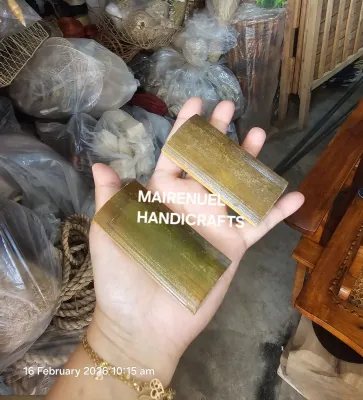
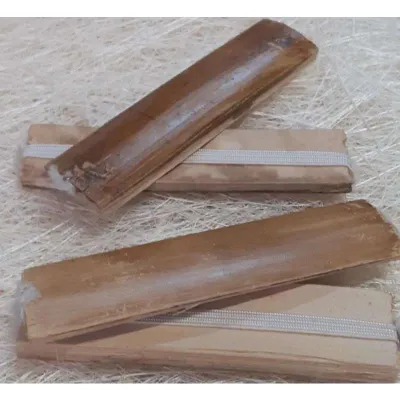
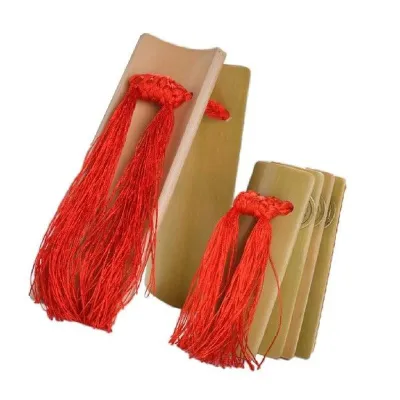
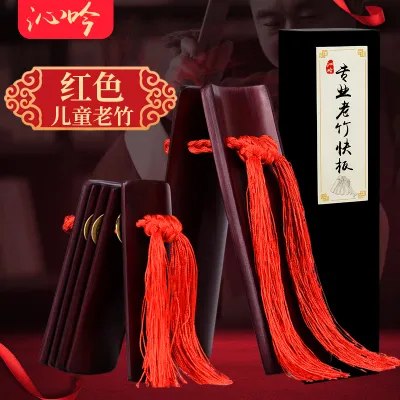
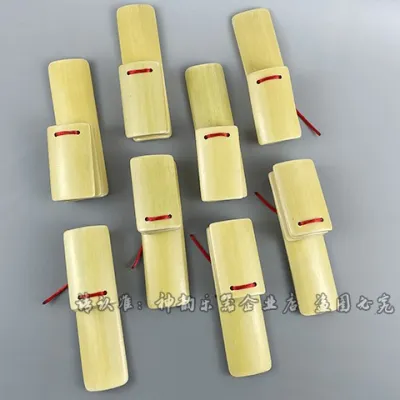
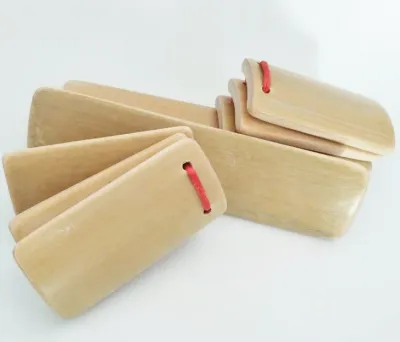
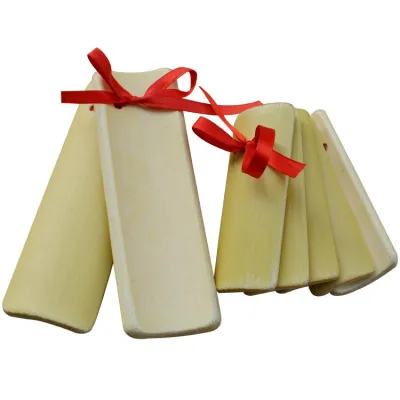
Prices are valid at publication and may change. Please refer to the product page for the latest price.
Tactile feedback is another essential consideration. Wood offers a natural, slightly textured grip that absorbs minor hand sweat, helping the instrument stay secure in your palm. Plastic can feel slick or slippery, especially in warm environments, requiring a tighter grip or textured surfaces to prevent slipping. Bamboo provides a smooth yet organic feel, offering a comfortable grip that feels warm to the touch and remains stable even during humid practice sessions.
Evaluating Durability and Maintenance Needs
For a beginner, an instrument must be resilient enough to survive the learning process, which often includes accidental drops, improper storage, and frequent handling. Plastic castanets are virtually indestructible in normal practice scenarios. They resist cracking, chipping, and warping, making them the most forgiving option for younger students or those who practice in varied environments. You can drop them on hard floors or leave them in a humid room without worrying about structural damage.

Natural materials like wood and bamboo require a higher level of care. Wood is highly sensitive to environmental changes. In tropical climates with high relative humidity, wood absorbs moisture from the air, which can cause the fibers to swell. Conversely, moving a wooden instrument into an air-conditioned room dries it out rapidly, potentially leading to warping or hairline cracks along the grain. Bamboo is also susceptible to moisture, but its linear fiber structure behaves differently. While it is less prone to warping than some softwoods, extreme humidity can encourage mold growth if the instrument is stored damp, and dry environments can cause the fibers to split along the natural grain lines.
Regular inspection is vital for maintaining sound quality and safety. Beginners should routinely check their castanets for structural wear. For wood and bamboo, look for tiny hairline fractures near the cord holes or along the edges where the cups strike each other. A cracked castanet will lose its resonance, producing a dull, thudding sound instead of a crisp click. For plastic models, inspect the cord tension and the edges for sharp burrs that might develop after a drop, which could irritate your fingers during play.
Comparing Bamboo, Plastic, and Wood Castanets
To help you navigate these options, it is helpful to compare how each material aligns with key performance factors, cost, and typical use cases. While professional percussionists often own multiple pairs made of different materials, beginners should focus on finding a single, versatile pair that fits their immediate budget and practice environment.
| Material | Weight | Tone Profile | Durability | Relative Cost (₱) | Best Use Case |
|---|---|---|---|---|---|
| Bamboo | Very Lightweight | Bright, crisp, fast decay | Moderate (needs humidity care) | Budget to Mid-range (₱400 – ₱1,200) | Extended home practice, eco-conscious players |
| Plastic | Moderate | Sharp, loud, high projection | Very High (impact resistant) | Budget-friendly (₱200 – ₱800) | Classroom settings, outdoor practice, children |
| Wood | Moderate to Heavy | Warm, rich, complex resonance | Moderate to Low (climate sensitive) | Mid-range to Premium (₱1,000 – ₱3,000+) | Traditional flamenco, classical orchestral study |
A common misconception among beginners is that synthetic materials like plastic are strictly “student-grade” while natural wood is exclusively “professional.” In reality, high-quality synthetic resins are frequently used by professional orchestral percussionists because they deliver consistent, powerful projection in large concert halls. Conversely, lightweight bamboo castanets are not merely cheap alternatives; they are highly respected instruments valued for their unique, dry acoustic response and comfortable playability. Choosing a material should be based on your specific practice conditions and physical comfort rather than an arbitrary label of quality.
Bamboo Castanets
Bamboo castanets are crafted from a fast-growing, highly sustainable grass rather than traditional timber. Because bamboo has a natural grain pattern determined by its growth rings and fibers, each pair exhibits unique visual variations. This natural grain means that even mass-produced bamboo castanets can have slight structural differences, which adds a touch of organic character to each instrument.
The primary advantage of bamboo is its remarkable strength-to-weight ratio. It provides a highly responsive striking surface while remaining incredibly light in the hand. This makes bamboo castanets an exceptional choice for beginners who want the organic feel of a natural material without the heavy weight of traditional hardwoods.
However, bamboo requires mindful maintenance, particularly in tropical or highly humid regions. Because it is highly porous, you must protect it from prolonged exposure to damp air to prevent mold and mildew. Storing them with a small silica gel packet in a sealed pouch is an easy way to safeguard the material from splitting or degrading over time.
Plastic Castanets
Plastic castanets, often molded from high-impact polystyrene, ABS plastic, or synthetic resins, offer absolute consistency. Unlike natural materials, every plastic castanet of a specific model will weigh exactly the same and produce an identical tone. This uniformity is highly beneficial for beginners, as it removes the variable of material inconsistency while you are trying to master basic finger movements.
These synthetic options are highly resistant to physical impacts. They can withstand being tossed into a backpack, dropped on concrete, or played with heavy force without chipping or breaking. This durability makes them the ideal choice for school music programs, young children, or outdoor drum circles where environmental control is impossible.
The trade-off for this durability is the tone. Plastic castanets can sound harsh, metallic, or overly loud in small, enclosed practice spaces. Without the natural dampening properties of wood or bamboo fibers, the sound can become fatiguing to the ears during long solo practice sessions.
Wood Castanets
Traditional wood castanets are typically crafted from dense hardwoods such as granadilla, rosewood, ebony, or lighter woods like pearwood. These materials are prized for their warm, rich, and deeply expressive tonal qualities. The natural density of hardwood allows the sound to resonate within the hollowed-out cups, creating a complex acoustic profile that matures and improves over years of regular play.
However, wood is the most delicate of the three materials. It reacts quickly to changes in temperature and humidity, which can cause the wood to expand or contract. In a tropical climate, a wooden castanet can easily warp if left in a damp area, ruining its alignment and sound.
Additionally, wooden castanets often require a “break-in” period. As the wood is repeatedly struck, the fibers at the contact points compress, gradually warming the tone and making the instrument more responsive. For beginners committed to learning traditional flamenco or classical styles, investing in wood offers the most authentic playing experience, provided they are willing to commit to strict climate-control care.
Decision Framework: Which Material Fits Your Practice Routine?
To finalize your choice, evaluate your daily practice environment, budget, and physical comfort against these clear, scenario-based guidelines.
Choose bamboo castanets if:
- You want an organic, natural instrument but struggle with hand fatigue or joint discomfort.
- You prefer a bright, crisp sound that allows you to hear every individual strike clearly during fast practice patterns.
- You prioritize sustainable, eco-friendly materials and are comfortable taking basic steps to protect the instrument from high humidity.
Choose plastic castanets if:
- You need a highly durable, low-maintenance instrument that can survive being carried in a school bag or played outdoors.
- You are buying for a young beginner or a classroom setting where instruments are shared and subjected to rough handling.
- You are on a strict budget and want a reliable, consistent sound without the need for climate-controlled storage.
Choose wood castanets if:
- You are dedicated to learning traditional flamenco or classical orchestral percussion and require an authentic, warm acoustic tone.
- You practice primarily indoors in a stable, climate-controlled environment.
- You view your instrument as a long-term investment and are willing to perform regular maintenance to preserve the wood.
Verify first if: Before making a purchase on any online marketplace or local music store, verify the manufacturer’s specifications regarding size and cord type. Ensure the castanets use a high-quality, adjustable tension cord rather than a fixed elastic band, as adjustable cords allow you to customize the playability to your hand size. If you are playing in a specific school ensemble or dance troupe, check with your instructor first, as some directors require a specific material or tone profile to ensure the instruments blend cohesively with the rest of the group.
Essential Care and Storage for Beginner Castanets
Regardless of the material you choose, establishing good maintenance habits early will extend the lifespan of your castanets and keep them sounding their best. Proper storage is your first line of defense against material degradation. Never leave your castanets in direct sunlight, inside a hot car, or in a damp bag, as extreme heat and moisture can warp wood, split bamboo, and even degrade certain plastics over time.
Cleaning your castanets should be a simple, dry routine. After every practice session, use a clean, dry microfiber cloth to wipe away sweat, oils, and dust from the surfaces and the inner cups. For plastic castanets, you can occasionally use a slightly damp cloth with mild soap to remove stubborn grime, but ensure they are dried completely immediately afterward. For wood and bamboo, avoid water entirely; instead, use a dry cloth and occasionally apply a tiny drop of food-grade mineral oil to wooden models if the surface begins to look dry or dull, following the manufacturer’s specific care instructions.
Finally, learn to recognize the warning signs of material fatigue. If your castanets suddenly produce a dull, muffled sound instead of a sharp click, inspect the cord tension first. A loose or worn cord is the most common cause of poor sound quality and can easily be replaced. However, if the cord is tight and the sound remains dull, inspect the body closely for hairline fractures or warping. If you discover a crack in a wood or bamboo castanet, it is time to replace the instrument, as structural damage cannot be easily repaired without altering the acoustic properties.
Frequently Asked Questions (FAQ)
Do I need a specific size of castanets as a beginner?
Yes, selecting the correct size is crucial for comfortable playability and proper technique. Castanets are generally sized by the diameter of the cup, ranging from small (often for children or smaller hands) to large. As a beginner, your hand span—measured from the tip of your thumb to the tip of your pinky finger when spread wide—should guide your choice. Most adult beginners find that a standard medium size (typically between 65mm and 70mm in diameter) offers the best balance of comfort and control. Always consult the manufacturer’s sizing chart before purchasing, and if possible, try holding different sizes in person to ensure the castanet sits comfortably in the palm of your hand without forcing your fingers to stretch awkwardly.
Can I use the same castanets for different music genres?
While you can technically use any castanet to practice basic rhythms, different music genres favor specific tonal characteristics. For traditional Spanish flamenco, the warm, deep resonance of wood castanets is highly preferred to match the acoustic guitar and footwork. For classical orchestral pieces, the bright, high-projecting sound of plastic or high-quality synthetic resin castanets is often favored to cut through a large ensemble. Bamboo castanets, with their crisp and articulate tone, are highly versatile and work well for folk music, acoustic ensembles, and general rhythm practice. As a beginner, a single versatile pair of bamboo or plastic castanets is perfectly adequate for learning, but as you specialize in a specific genre, you may eventually want to acquire a secondary pair tailored to that musical style.
Community discussion
Share your experience or ask a question. Comments are reviewed before publication.