
Transitioning to audio learning for academic tasks can feel challenging at first. Traditional research methodology is highly visual, relying on complex tables, flowcharts, and dense text. However, audiobooks offer a flexible alternative for students, educators, and independent researchers who need to grasp the foundational concepts of research design while managing busy schedules. In the Philippines, where long commutes through heavy traffic or hours spent on public transit are common, utilizing this travel time to absorb academic principles is an efficient way to study. By selecting the right audiobooks, you can master the core vocabulary, ethical frameworks, and structural designs of academic inquiry before you ever sit down to write your proposal.
To make the most of this medium, you must know how to evaluate audiobooks for academic rigor and compatibility with your learning style. Not all audiobooks are created equal, and academic content requires a different level of scrutiny than fiction or general self-help. This guide will help you navigate the selection process, identify the core methodology concepts that translate best to audio, and establish an active listening routine that ensures long-term retention.
How to Evaluate Audiobooks for Academic Methodology
When choosing an audiobook to learn research fundamentals, the quality of the narration is just as important as the written content. Dense academic terms, theoretical frameworks, and methodological jargon require clear, deliberate pronunciation. Before purchasing any title, always listen to the publisher’s audio sample. Pay close attention to the narrator’s pacing, tone, and clarity. A narrator who speaks too quickly can make complex concepts like epistemology or phenomenological inquiry difficult to process, while an overly dry or monotone delivery can lead to cognitive fatigue and mind-wandering.
Products mentioned in this guide
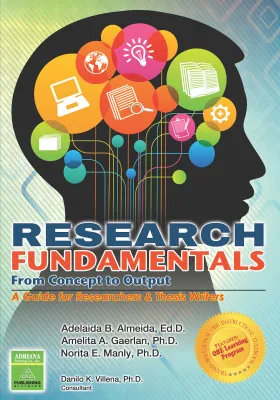
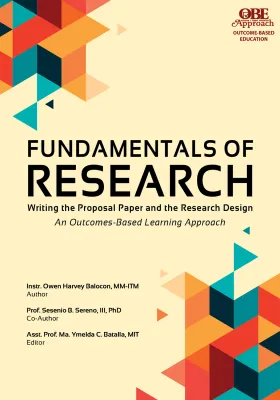
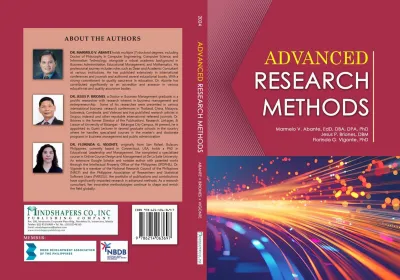
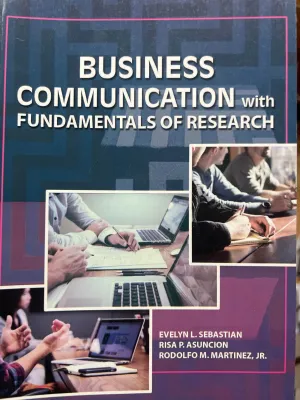
Prices are valid at publication and may change. Please refer to the product page for the latest price.
Another critical factor is the availability of supplementary materials. Rigorous research methodology books frequently refer to diagrams, data tables, flowcharts, and bibliographies. When browsing digital audiobook platforms, check the product description to confirm if a companion PDF is included with your purchase. This document is essential for visualizing research designs, sampling distributions, and structural models that cannot be fully communicated through spoken word alone. If an audiobook lacks a companion PDF, you may find yourself struggling to follow along when the author references visual data.
It is also vital to distinguish between popular science summaries and rigorous academic primers. Popular science audiobooks are excellent for inspiration and high-level conceptual understanding, but they often gloss over the practical, step-by-step mechanics of research design. For academic preparation, look for titles published by university presses or established academic publishers. These works are specifically structured to guide you through the systematic process of formulating research questions, selecting methodologies, and analyzing data with academic integrity.
Core Methodology Concepts to Seek in Audio Format
Not every aspect of research methodology translates well to an auditory format. To build an effective audio learning playlist, you should prioritize conceptual and theoretical topics that benefit from narrative explanation. For instance, the fundamental differences between qualitative and quantitative research designs are highly suited for audio. Listening to detailed discussions about the philosophical assumptions behind these paradigms helps you internalize how they shape your overall research strategy.

Conceptual topics such as hypothesis formulation, literature review strategies, and research ethics are also excellent for audio consumption. Hearing an author explain how to identify gaps in existing literature, construct a logical argument, or navigate institutional review boards (IRBs) can make these daunting tasks feel more approachable. These sections of methodology texts rely heavily on logical reasoning and narrative examples, which are easy to follow while walking, commuting, or performing household chores.
Conversely, you should avoid relying on audiobooks for highly technical or mathematical topics. Complex statistical modeling, advanced quantitative formulas, and software-specific coding tutorials (such as SPSS, R, or Python syntax) are incredibly difficult to comprehend through audio. These subjects require visual reference, hands-on practice, and step-by-step screen navigation. When a methodology audiobook begins to delve into specific mathematical proofs or coding scripts, it is best to pause the audio and consult a physical textbook or digital manual instead.
Building Your Shortlist: Audiobook Categories by Learning Goal
To structure your audio learning journey, categorize your selections based on your current research stage and academic discipline. This targeted approach ensures you are listening to the right level of detail for your specific needs.
General Research Primers
If you are a beginner needing a broad overview of the scientific method and academic writing, start with general research primers. These audiobooks focus on the foundational steps of the research process, from initial curiosity to the final written report. A highly recommended, verifiable title in this category is The Craft of Research, Fourth Edition by Wayne C. Booth, Gregory G. Colomb, Joseph M. Williams, Joseph Bizup, and William T. FitzGerald, published in audio format by Tantor Audio (2016). This classic guide is widely used in universities worldwide and provides clear, practical advice on how to build a strong academic argument, locate reliable sources, and write for a scholarly audience.
Qualitative Methodology Focus
For researchers planning to conduct interviews, focus groups, case studies, or ethnographic fieldwork, qualitative methodology guides are invaluable. The narrative nature of qualitative research makes it exceptionally well-suited for audio learning. Look for audiobooks that explain thematic analysis, coding qualitative data, and the ethical considerations of working with human participants. While full qualitative textbooks are rarely recorded in their entirety, you can find specialized audio guides on qualitative inquiry and narrative analysis on major digital bookstores. These resources help you understand how to maintain objectivity, build rapport with participants, and interpret complex textual data.
Quantitative and Statistical Basics
If your research involves surveys, experiments, or numerical data, you need a solid grasp of quantitative concepts before diving into statistical software. Seek out audiobooks that focus on conceptual statistics rather than mathematical calculations. A standout title for this purpose is Naked Statistics: Stripping the Dread from the Data by Charles Wheelan, published in audio format by Audible Studios (2013). This audiobook demystifies key statistical concepts—such as correlation, regression, sampling, and probability—using real-world examples and humor, making it an ideal listen for those who want to build statistical intuition without getting bogged down in formulas.
Verifying Editions, Formats, and Platform Compatibility
Before purchasing any academic audiobook, verify that you are getting the most up-to-date and complete version available. Academic standards, ethical guidelines, and digital research tools evolve over time. For example, research ethics regulations and data privacy laws (such as the Data Privacy Act in the Philippines) are updated periodically. Ensure the audiobook corresponds to a recent edition of the printed text to avoid learning outdated protocols or referencing obsolete software versions.
Always check whether the audiobook is unabridged or abridged. Abridged audiobooks are significantly shortened versions of the original text, often omitting entire chapters, detailed case studies, or critical methodological steps to save time. For academic learning, abridged versions are generally unsuitable because they lack the depth required to replicate research designs or understand complex theoretical frameworks. Always opt for unabridged editions to guarantee you receive the complete, unaltered content of the book.
Platform compatibility and offline listening capabilities are also crucial considerations. In the Philippines, internet connectivity can be inconsistent, especially during daily commutes or in rural areas. Ensure your chosen digital audiobook platform allows you to download titles directly to your device for offline playback. Additionally, verify that the platform’s application supports essential study features, such as adjustable playback speeds, precise bookmarking, and sleep timers, which help customize your listening experience to match your learning pace.
Finally, compare the costs of different purchasing models. Some digital storefronts offer individual audiobook purchases, which can range from ₱600 to over ₱1,800 depending on the academic publisher and the length of the book. Alternatively, monthly subscription services—which typically cost between ₱400 and ₱700 per month—often provide credits that can be redeemed for any audiobook in their catalog, regardless of its retail price. If you plan to listen to multiple methodology books over a semester, a subscription model is often the most cost-effective approach.
Strategies for Active Listening and Note-Taking
Listening to an academic audiobook requires a different cognitive approach than listening to a novel or a casual podcast. To retain dense methodological concepts, you must transition from passive listening to active engagement. One effective technique is the “stop-and-reflect” method. Instead of letting the audio play continuously, pause the recording after a major concept is introduced. Take a moment to explain the concept back to yourself in your own words, or consider how it applies to your current research project before resuming playback.
Utilize your platform’s bookmarking and timestamping features to flag important passages. When you hear a definition, an ethical guideline, or a research design example that you want to reference later, create a bookmark and add a brief note if the app allows it. When you return to your study desk, you can easily review these bookmarked segments and transcribe them into your physical notebook or digital database (such as Notion, Evernote, or Obsidian). This bridge between audio consumption and written synthesis is vital for long-term retention.
To prevent cognitive overload, set realistic listening goals. Academic material is mentally taxing, and attempting to listen to a methodology audiobook for hours at a time can lead to poor comprehension. Limit your focused listening sessions to 20 or 30 minutes. If you are commuting, use the audio to familiarize yourself with the terminology, and then reinforce that learning later by reviewing the companion PDF or your written notes. By treating your audiobook as an interactive lecture rather than background noise, you will build a deep, functional understanding of research fundamentals.
Frequently Asked Questions (FAQ)
Can I use audiobooks as primary citations in academic papers?
Yes, you can cite audiobooks in academic papers, but you must follow the specific formatting guidelines of your required style guide, such as APA, MLA, or Chicago. Most style guides require you to specify the medium as an audiobook, include the narrator’s name alongside the author, and provide the publisher of the audio edition. However, because audiobooks lack traditional page numbers, citing specific passages can be challenging. In many cases, academic institutions prefer that you locate and cite the corresponding print or electronic textbook edition for precise page references, using the audiobook primarily as a learning aid rather than the sole source of your citation.
Are abridged audiobooks suitable for learning research methodology?
Abridged audiobooks are generally not recommended for learning research methodology. Because research design relies on precise, step-by-step procedures, ethical nuances, and detailed structural frameworks, the sections omitted in an abridged version are often critical to your understanding. An abridged version might skip over the specific limitations of a sampling method or omit the detailed steps of data triangulation, leaving you with an incomplete understanding of the methodology. To ensure you gain a comprehensive and academically rigorous foundation, always choose unabridged editions for your core research studies.
Community discussion
Share your experience or ask a question. Comments are reviewed before publication.