
Starting a new reading habit can feel daunting, especially when daily life in the Philippines demands so much of your time. Between navigating the dense traffic of major metropolitan areas, managing household responsibilities in the tropical heat, and balancing work or school, finding a quiet hour to sit down with a physical book can seem like an unattainable luxury. This is where the power of spoken-word literature comes in. Audiobooks offer a seamless way to integrate stories, history, and cultural narratives into your existing routine, transforming mundane tasks into opportunities for learning and entertainment.
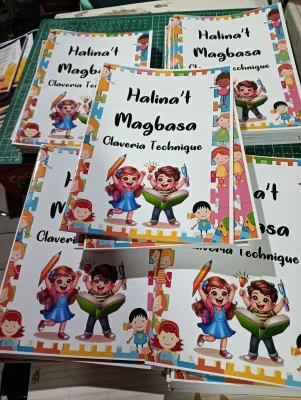
The traditional invitation to explore literature—often summarized by the welcoming phrase halinat magbasa—is evolving for the modern digital age. While the love for written words remains steadfast, the medium through which we consume them is expanding. Listening to a story is not a compromise; it is a return to our rich oral traditions, where epics and community histories were passed down through the spoken word. For beginners, audiobooks provide an accessible, engaging, and highly flexible entry point into the vast world of Philippine and international literature.
Embarking on this auditory journey requires a bit of preparation to ensure a smooth and enjoyable experience. From understanding how to select narratives that match your current language comfort level to identifying the best platforms for authorized local content, this guide will help you build a sustainable listening habit. By focusing on practical selection criteria and exploring diverse genres, you can easily transition from a curious beginner to a dedicated audiobook enthusiast.
Products mentioned in this guide
Prices are valid at publication and may change. Please refer to the product page for the latest price.
Why Audiobooks Are a Great Entry Point for Philippine Literature
For many Filipinos, engaging with local literature can sometimes feel intimidating due to linguistic barriers or the complexity of historical contexts. Audiobooks dismantle these barriers by utilizing professional narration to bring written words to life. When a skilled voice actor pronounces complex indigenous names, historical terms, and regional dialects with the correct cadence and accent, the story becomes instantly more accessible. Listeners do not have to stumble over unfamiliar words or pause their reading flow to look up pronunciations; instead, the natural rhythm of the spoken language carries them forward, making the narrative feel intuitive and deeply engaging.
Furthermore, modern audiobook productions often incorporate sophisticated sound design and voice acting that elevate the storytelling experience. Rather than a flat reading of text, these productions may feature subtle ambient sounds—such as the gentle rustle of bamboo leaves, the distant hum of a tricycle, or the steady patter of tropical rain—that ground the narrative in a specific, recognizable environment. This immersive layer of context helps listeners visualize the setting more vividly, creating a powerful emotional connection to the characters and their journeys. It transforms the act of consuming a book from a solitary intellectual exercise into a shared, sensory experience.
The sheer convenience of the audio format is perhaps its most practical advantage for Filipino listeners. Daily commutes on public utility vehicles, long hours spent preparing meals in a warm kitchen, or routine household chores can all be enriched by a compelling story. Instead of staring blankly out a window during a two-hour traffic delay, you can lose yourself in a historical epic or a lighthearted contemporary romance. This ability to multitask means you do not have to carve out dedicated, uninterrupted blocks of time to enjoy literature; instead, you can weave stories seamlessly into the fabric of your daily life.
How to Select the Right Audiobook for Your Level
Choosing your very first audiobook requires a thoughtful approach to ensure you do not feel overwhelmed or fatigued. The first major consideration is language. The linguistic landscape of the Philippines is beautifully diverse, and beginners should select narratives that align with their daily language comfort. If you primarily speak and think in Taglish or English, starting with audiobooks in those languages will significantly reduce cognitive fatigue. As your listening stamina improves, you can gradually introduce titles written in deeper, more formal Tagalog or other regional languages, allowing your vocabulary and comprehension to grow naturally over time.

Another critical factor is the quality of the narrator. Even the most brilliantly written book can become tedious if the narration does not resonate with you. Before purchasing or borrowing any title, make it a habit to listen to the publisher’s audio sample, which is typically a five-minute clip of the book. Pay close attention to the narrator’s pacing, clarity of articulation, and emotional delivery. A good narrator should speak at a moderate pace that allows you to process the information, especially if you plan to listen while performing other tasks. Their voice should be pleasant and capable of distinguishing between different characters without sounding overly theatrical or distracting.
Finally, beginners should pay close attention to the format and length of their chosen audiobook. Committing to a massive, twenty-hour epic novel can be daunting and may lead to listener burnout if you are not yet accustomed to processing long-form audio. Instead, consider starting with short story collections, essay compilations, or episodic podcasts. These formats offer natural stopping points, allowing you to complete a full narrative arc in a single, short listening session. The sense of accomplishment that comes from finishing a two-hour collection of short stories is a powerful motivator that will encourage you to keep listening and gradually take on longer, more complex works.
Recommended Audiobook Categories to Start With
To build a consistent and enjoyable listening habit, it is helpful to explore genres that naturally lend themselves to the audio format. Certain categories of literature possess structural elements—such as strong character voices, episodic plots, or conversational tones—that make them exceptionally easy to follow when spoken aloud. By focusing on these beginner-friendly genres, you can ensure that your early experiences with audiobooks are both engaging and rewarding, setting a strong foundation for your ongoing literary journey.
Classic Folklore and Mythology
Philippine mythology and folklore are among the most rewarding genres for new audiobook listeners. These stories, which feature legendary figures, mystical creatures, and ancestral deities, were originally created to be shared aloud around a communal fire or within a household. Because they are rooted in an oral tradition, their sentence structures and narrative rhythms are naturally optimized for the spoken word. Listening to these tales feels incredibly organic, as if an elder or a master storyteller is sharing ancient secrets directly with you.
Additionally, folklore and mythological stories are often structured episodically. Rather than a single, continuous plot line that requires strict attention over many hours, these collections are usually composed of shorter, self-contained legends. This structure offers immense flexibility for beginners, allowing you to listen to a single myth during a quick break and return to the collection days later without losing track of the overarching narrative. Exploring these foundational stories also provides valuable cultural context that will enrich your understanding of modern Philippine fantasy and speculative fiction.
Contemporary Short Fiction and Essays
For listeners who prefer realistic settings and modern themes, contemporary short fiction and essay collections are excellent entry points. These works capture the nuances of modern life in the Philippines, addressing relatable topics such as family dynamics, urban struggles, personal growth, and the unique experiences of the global diaspora. Because these stories are set in recognizable environments, they require less world-building explanation, allowing the listener to immediately connect with the characters and situations.
Opting for an anthology—a collection of stories by various authors—is a particularly smart strategy for beginners. Anthologies expose you to a wide range of writing styles, thematic focuses, and narrative voices within a single audiobook. This variety keeps the listening experience fresh and prevents the fatigue that can sometimes occur when listening to a single author’s voice for an extended period. It also serves as a wonderful discovery tool, helping you identify specific local writers whose work you might want to explore further in physical or digital formats.
Local History and Biographical Narratives
If you prefer factual content over fiction, narrative non-fiction and biographies offer a compelling way to engage with history. Unlike dry academic textbooks, historical narratives and biographies are written like novels, focusing on the human elements, personal conflicts, and dramatic events that shaped the past. When narrated professionally, these books can make historical figures feel like living, breathing individuals, transforming historical events into gripping dramas that keep you eagerly listening to the next chapter.
When selecting historical audiobooks, it is important to verify the credentials of both the author and the publisher to ensure the content is accurate and respectful. Look for works produced by reputable academic presses, established historical societies, or recognized biographers. Additionally, consider how the narrator’s voice aligns with the subject matter; a biography narrated by someone with a deep, personal connection to the culture or region can add an extra layer of authenticity and emotional depth to the listening experience, making the historical journey feel incredibly personal and profound.
Where to Access and Verify Filipino Audiobooks
Finding legitimate, high-quality audiobooks requires navigating a variety of digital platforms and verifying that the content is authorized and compatible with your devices. Major global audiobook services have expanded their catalogs to include a growing selection of Philippine literature, but regional availability can sometimes vary. Before signing up for a subscription, use the platform’s search function to browse their local offerings. Ensure that the titles you want to listen to are actually accessible in your region, as licensing agreements can occasionally restrict certain audiobooks to specific geographic locations.
In addition to global giants, local university presses, independent publishers, and cultural organizations in the Philippines are increasingly producing their own digital audio content. These official channels are often the best places to find niche titles, regional language productions, and academic works that may not be available on larger international platforms. Utilizing digital library applications that partner with local schools or public libraries is another excellent, cost-effective way to access authorized audiobooks while supporting community literacy initiatives.
Before making a purchase or committing to a download, always verify the technical specifications of the audiobook file and its compatibility with your listening devices. Check whether the platform requires a proprietary app to play the audio or if it allows you to download standard formats like MP3 or M4B for offline use. Given the variable internet connectivity in many parts of the Philippines, having the ability to download the entire audiobook to your smartphone or tablet while connected to a stable home network is crucial. This ensures uninterrupted listening during your commute or in areas with limited mobile data coverage, allowing you to enjoy your stories wherever your day takes you.
Frequently Asked Questions (FAQ)
Are there audiobooks available in regional Philippine languages?
Yes, there is a small but growing movement to produce audiobooks in regional languages such as Cebuano, Ilocano, Hiligaynon, and Bikol. While the majority of mainstream commercial releases are in Tagalog or English, independent creators, local cultural preservation groups, and university departments are actively working to record traditional stories and modern literature in regional tongues. To find these unique productions, look for independent publishing platforms, university archives, and specialized cultural podcasts that focus on regional language preservation.
How can I support local authors when listening to audiobooks?
The most effective way to support local authors and voice actors is to access their work through authorized, legal channels. When you purchase an audiobook directly from an official publisher’s storefront, a verified digital retailer, or a subscription service with transparent royalty structures, you ensure that the creators are fairly compensated for their labor. Avoid downloading pirated audio files from unauthorized websites or social media groups, as this deprives writers and production teams of the financial support they need to continue creating high-quality local content.
Community discussion
Share your experience or ask a question. Comments are reviewed before publication.